 CryptoChain Blog
Introduction to Tokenized Trade Finance in DeFi
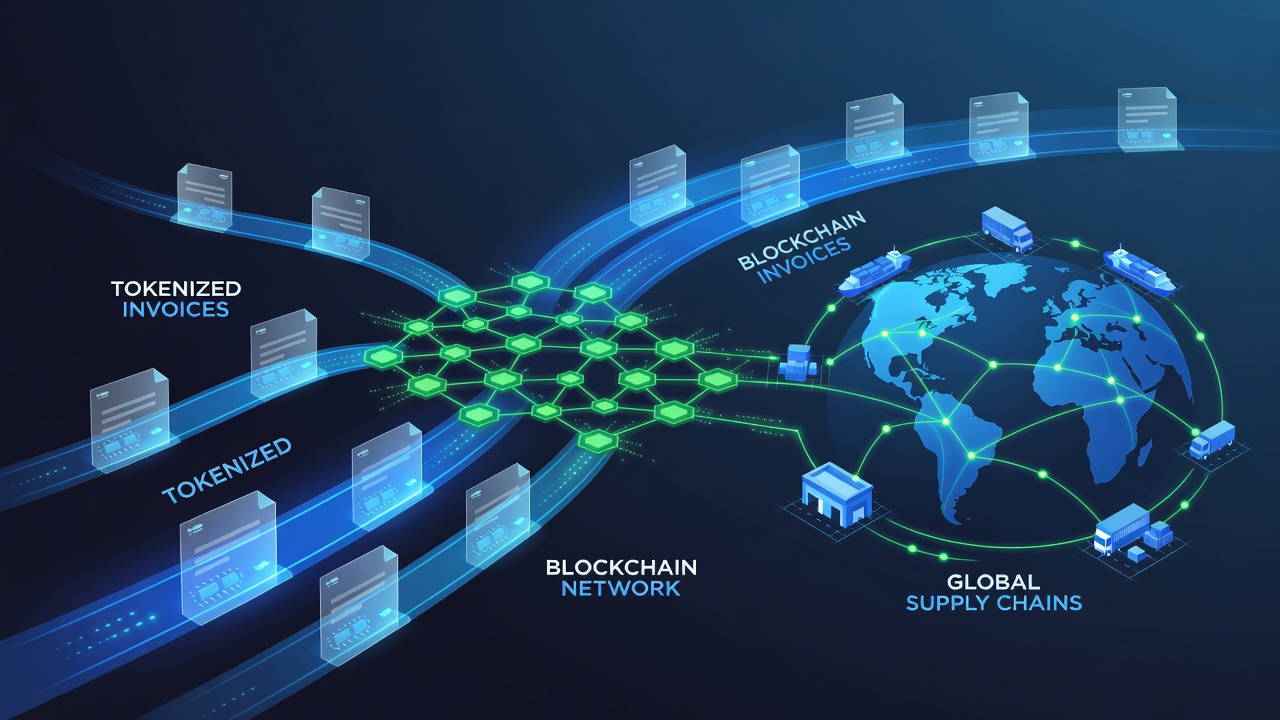
DeFi continues to mature in 2026 by bridging blockchain technology with traditional trade finance through tokenized invoices and supply chain assets. This evolution allows investors to access real-world yields supported by actual commercial transactions rather than purely speculative crypto instruments. Tokenization transforms paper-based or digital invoices into blockchain-native assets that can be fractionalized, traded, or pledged as collateral within lending protocols.
Businesses in emerging markets benefit from faster access to working capital, while DeFi participants gain exposure to stable cash flows tied to global commerce. The composability of these assets enables seamless integration into existing DeFi ecosystems, creating diversified portfolios that balance volatility with predictable returns from trade activities. As adoption grows, understanding the underlying mechanics, platform options, and risk management becomes essential for both originators and liquidity providers seeking sustainable strategies.
Mechanics of Invoice Tokenization
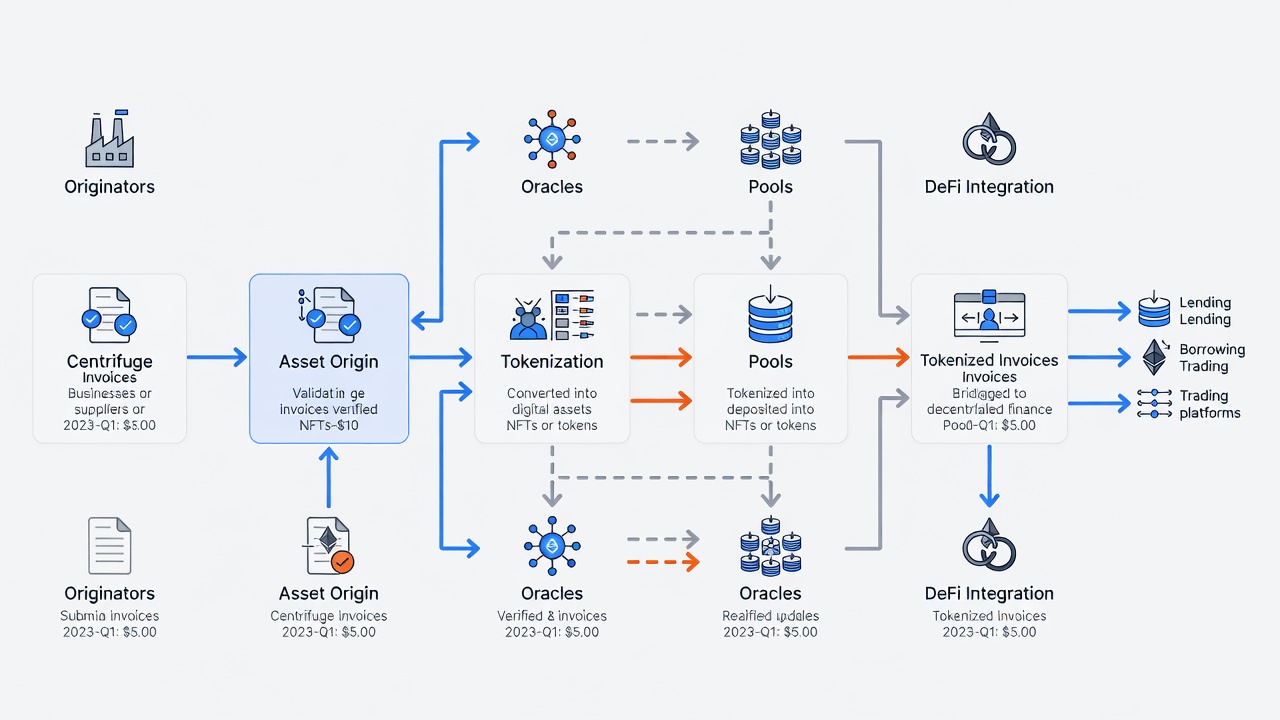
The process of invoice tokenization starts with an originator submitting verified trade documents to a decentralized protocol. Smart contracts mint digital tokens that represent proportional ownership in the receivable, embedding details such as due dates, buyer information, and payment terms directly into the metadata. These tokens become transferable assets that liquidity providers can acquire or use to collateralize loans in broader DeFi markets.
Decentralized oracles bridge the gap between on-chain and off-chain data by confirming invoice validity and tracking payment status. Upon settlement by the buyer, funds distribute automatically to token holders according to smart contract rules, minimizing delays and reducing reliance on traditional banks. This mechanism also supports partial funding, allowing multiple investors to participate in a single invoice and spreading risk across participants.
Key Platforms: Centrifuge and Maple
Centrifuge has established itself as a leader in real-world asset tokenization, particularly for invoices and supply chain receivables. Its Tinlake pools enable originators to securitize assets while investors access yields from verified trade flows. Maple Finance focuses on institutional-grade credit facilities, offering structured products backed by trade documentation that integrate smoothly with DeFi lending pools through tokenized wrappers.
Both platforms incorporate robust compliance layers, including KYC processes and decentralized identity verification. This setup supports integration with major DeFi protocols by ensuring assets meet standards for collateral use in stablecoin-based lending. Additional features like automated repayment tracking and secondary market trading enhance liquidity and transparency for all users.
Integration with Existing DeFi Lending Pools
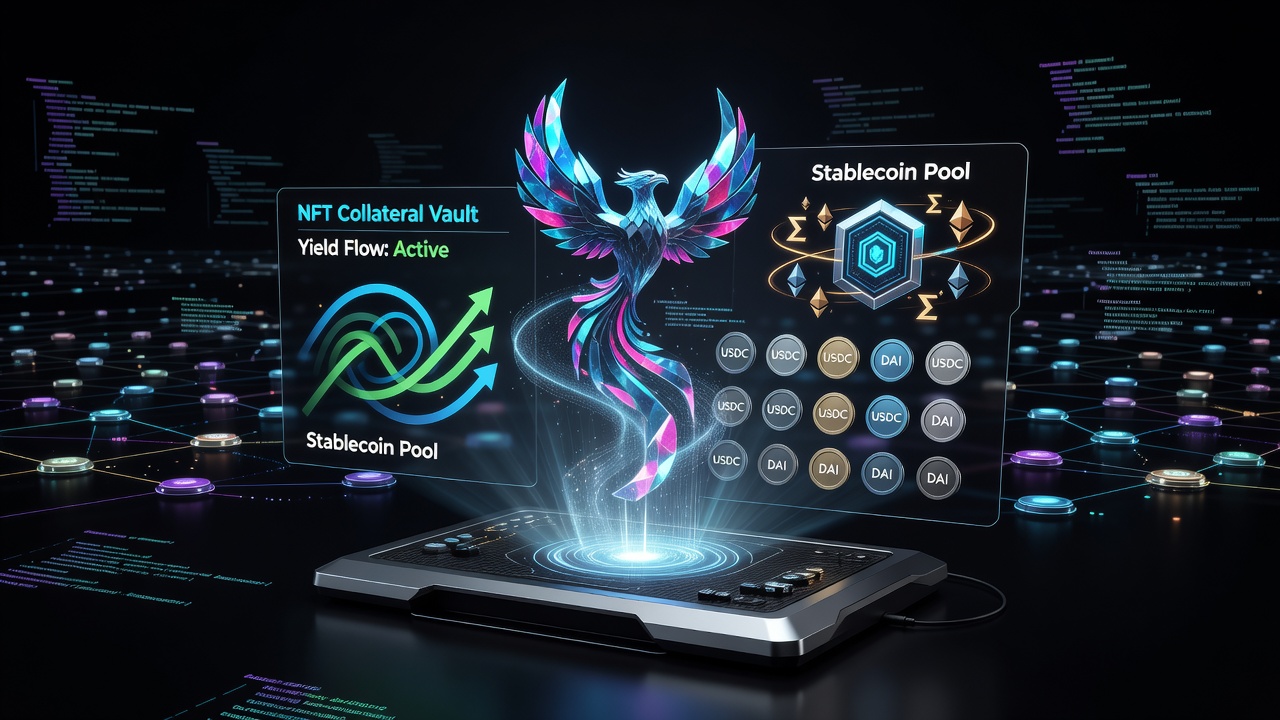
Tokenized invoices gain additional utility when wrapped for compatibility with established lending platforms. These wrappers allow the assets to serve as collateral in pools focused on stablecoin borrowing, enabling originators and investors to leverage positions without selling underlying tokens. Composability extends further through yield aggregation strategies that combine trade finance returns with other DeFi primitives such as liquidity provision or options hedging.
Practical examples include routing tokenized receivables into overcollateralized lending markets where they contribute to overall pool health while generating layered yields. This integration requires careful attention to liquidation thresholds and oracle reliability to prevent unintended position closures during market fluctuations.
Step-by-Step Onboarding for Originators
Originators follow a structured process to participate effectively. First, they establish a non-custodial wallet configured for multi-chain support and security best practices. Identity verification follows through integrated compliance modules that align with regulatory requirements across jurisdictions.
Subsequent steps involve connecting accounting systems or uploading invoice documentation for oracle review and validation. Approved invoices are then tokenized and listed for funding, with capital released promptly upon pool participation. Ongoing monitoring occurs via dashboards that display repayment progress and performance metrics.
- Configure wallet security with hardware backups and multi-signature authorization.
- Complete comprehensive KYC including business licenses and trade references.
- Submit detailed invoice data for automated validation and token minting.
- Review pool terms and allocate assets strategically across multiple opportunities.
- Track settlements and reinvest matured funds for compounding returns.
Risk Assessment Frameworks
Effective risk management combines quantitative credit models with qualitative factors such as counterparty reputation and geographic exposure. Investors analyze historical payment patterns, concentration risks, and enforcement mechanisms in relevant jurisdictions before committing capital. Diversification across invoice maturities, sectors, and regions serves as a core strategy to limit downside from isolated defaults.
Additional considerations include oracle reliability, where data feed interruptions could delay repayments, and liquidity constraints during periods of high redemption demand. Protocols often incorporate safeguards such as reserve funds or insurance mechanisms, yet participants must evaluate these features on a case-by-case basis.
Regulatory Considerations in 2026
The regulatory landscape for tokenized real-world assets continues to evolve, with emphasis on securities classification, cross-border data flows, and anti-money laundering compliance. Platforms operating in multiple regions must adhere to guidelines from authorities including the U.S. Securities and Exchange Commission and the Bank for International Settlements. Embedded compliance tools such as programmable transfer restrictions help maintain alignment while preserving decentralized access.
Participants benefit from reviewing jurisdiction-specific updates regularly, particularly regarding tax treatment of yields and reporting obligations for cross-border transactions. Proactive engagement with these frameworks reduces operational friction and supports long-term scalability.
Real-World Case Studies
Southeast Asian textile exporters have leveraged Centrifuge pools to accelerate funding cycles, converting invoices into immediate liquidity that supports expanded production without traditional bank delays. In Latin America, agribusiness firms have tokenized soybean shipment receivables through Maple facilities, attracting DeFi capital that lowered overall financing expenses compared to conventional factoring arrangements.
Another example involves African logistics companies using tokenized supply chain assets to bridge seasonal cash flow gaps, demonstrating how these strategies empower smaller traders previously excluded from efficient capital markets. These cases highlight the practical impact of blending DeFi infrastructure with established trade documentation processes.
Beginner Wallet Setup Checklist
- Select a hardware wallet compatible with Ethereum and connected sidechains for optimal security.
- Implement layered authentication including biometric options where supported.
- Acquire stablecoins through verified on-ramps to fund initial positions.
- Execute test transactions to confirm wallet functionality and gas fee management.
- Maintain offline backups of seed phrases and regularly audit connected dApp permissions.
Practical Strategies and Mistakes to Avoid
Successful participants diversify across multiple platforms and asset types while maintaining conservative position sizing relative to overall portfolio allocation. Regular review of pool performance metrics and counterparty updates helps identify emerging issues early. Common pitfalls include over-reliance on single originators, neglecting oracle risk disclosures, or failing to account for settlement timing differences across jurisdictions.
Another frequent error involves underestimating compliance requirements when scaling across borders. Structured approaches that incorporate periodic audits and scenario testing mitigate these challenges effectively.
FAQ: Common Pitfalls
How do oracle failures impact returns? Interruptions in data feeds may postpone distributions, though established protocols include resolution procedures and backup verification methods to minimize disruption.
What causes liquidity gaps? Imbalances between redemptions and available buyers on secondary markets can lead to temporary discounts; selecting well-capitalized pools with active trading reduces exposure.
Are yields stable compared to crypto-native DeFi? Real-world asset strategies generally deliver lower volatility, yet they demand ongoing credit diligence and monitoring of macroeconomic factors affecting trade flows.
Conclusion
Tokenized invoice strategies in 2026 offer a compelling pathway for blending DeFi efficiency with traditional trade finance. Through detailed platform evaluation, disciplined risk frameworks, and structured onboarding, market participants can construct portfolios that capture diversified yields while supporting real economic activity across global supply chains.
No comments yet. Be the first!