 CryptoChain Blog
Introduction to Tokenized Invoice Financing in DeFi
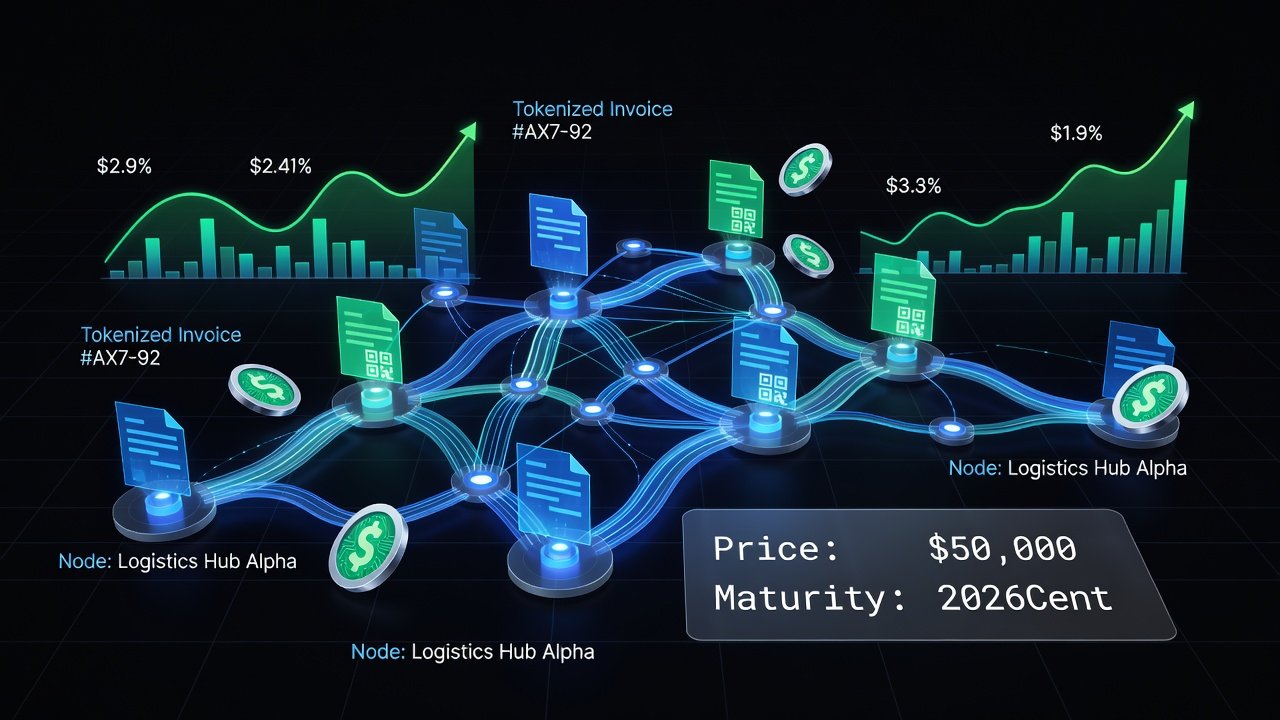
In 2026, DeFi invoice financing is transforming supply chain finance by converting real-world trade receivables into blockchain-based assets. This approach allows investors to access stable yields backed by actual business invoices while originators gain faster liquidity. Platforms like Centrifuge have pioneered this space, bridging traditional trade assets with decentralized protocols. The global trade finance gap continues to widen, creating opportunities for decentralized solutions that bypass slow traditional banking channels. Tokenized invoices provide transparency through immutable ledgers and enable fractional ownership that was impossible in legacy systems.
The core idea involves tokenizing invoices so they can be traded or used as collateral on-chain. This creates transparent, efficient markets for trade finance that were previously dominated by banks and large institutions. Participants benefit from reduced settlement times, lower intermediation costs, and access to global capital pools without geographic restrictions.
Core Mechanics of Invoice Tokenization
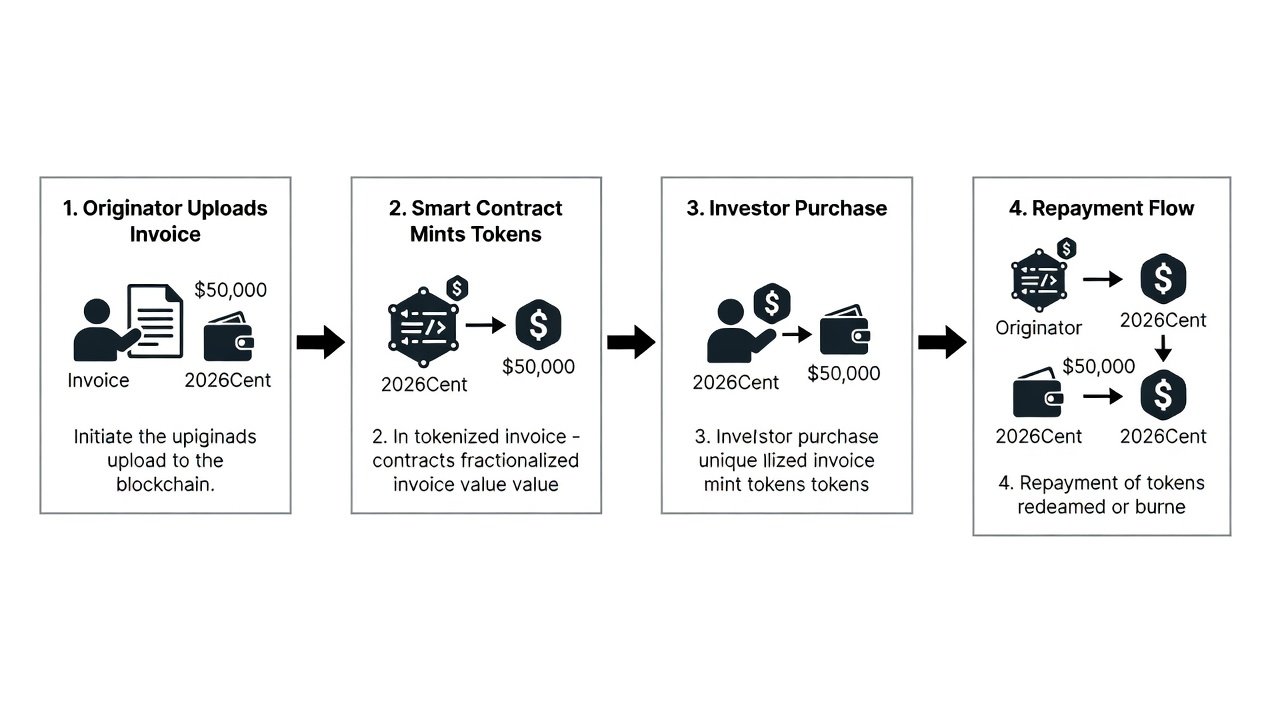
Invoice tokenization begins when a business uploads verified invoices to a DeFi platform. Smart contracts then issue tokens representing fractional ownership of these assets. Investors purchase these tokens and receive yields from the invoice payments when settled. The process relies on oracles for real-time data feeds on invoice status and payment confirmations. Legal wrappers such as special purpose vehicles ensure that token holders have enforceable claims against the underlying receivable in case of disputes.
Key components include asset originators (suppliers), investors seeking yields, and verification services that confirm invoice authenticity. The process ensures that tokens are backed by enforceable claims, often with legal structures like special purpose vehicles. On-chain governance allows token holders to vote on key parameters such as discount rates or recovery procedures during defaults.
Onboarding Steps for Originators and Investors
Originators start by registering on platforms such as Centrifuge, completing KYC processes, and connecting their ERP systems to upload invoices. Verification follows through third-party auditors or automated data matching, after which tokenized assets are listed for funding. Detailed documentation on invoice terms, buyer credit profiles, and historical payment data strengthens approval chances.
Investors connect wallets, complete identity checks where required, and deposit stablecoins or other assets to purchase tokenized invoices. Portfolio tracking dashboards help monitor yields and maturities. Advanced users integrate API connections for automated bidding strategies based on predefined risk parameters.
Platform Comparisons in 2026
Centrifuge remains a leader due to its integration with Polkadot and focus on real-world assets. Other options include Maple Finance for institutional lending and newer entrants emphasizing emerging markets compliance. Factors to compare include supported chains, yield ranges, minimum investment sizes, and default recovery rates. Users should evaluate total value locked, historical default statistics, and secondary market liquidity before committing capital.
Practical Examples of Tokenized Invoice Flows
Consider a supplier in Southeast Asia issuing a $50,000 invoice to a European buyer. After tokenization, investors fund 80% of the value at a 7-9% annualized yield. Upon buyer payment, proceeds flow back through the smart contract to token holders within days. A second example involves a Latin American exporter with multiple smaller invoices bundled into a single token pool, allowing investors to diversify exposure across ten different buyers simultaneously.
Yield calculations typically factor in invoice face value, discount rate, and holding period. For instance, a 90-day invoice discounted at 2% delivers an effective yield calculated as (discount / funded amount) annualized. Advanced spreadsheets or on-chain simulators help forecast net returns after platform fees and potential recovery scenarios.
Risk Factors: Default, Liquidity, and Mitigation
Default risk arises if the invoice payer fails to settle. Platforms mitigate this through credit assessments and overcollateralization. Liquidity risk occurs when secondary markets for tokens are thin, though 2026 improvements in DeFi trading venues are addressing this. Investors should diversify across multiple invoices and monitor on-chain metrics for early warning signs such as delayed buyer confirmations or sudden changes in originator activity.
Other risks include smart contract vulnerabilities and regulatory shifts. Regular audits by reputable firms and insurance wrappers offered by some platforms provide additional layers of protection. A practical mitigation strategy involves maintaining a diversified portfolio across different geographies and industries.
Compliance Considerations for Emerging Markets
Regulatory frameworks vary widely. In regions like Latin America and Africa, platforms must navigate local securities laws and data privacy rules. Using permissioned chains or hybrid models helps ensure compliance while maintaining decentralization benefits. Always consult local legal experts before participating. Cross-border token transfers may trigger additional reporting requirements under anti-money laundering directives.
Portfolio Integration with Other DeFi Strategies
Tokenized invoices pair well with stablecoin lending and yield farming. Allocate 20-30% of a DeFi portfolio to these assets for stability against volatile crypto markets. Combine with protocols on Ethereum or Polkadot for cross-chain yields while rebalancing quarterly based on performance data. Correlation analysis with broader crypto assets shows low volatility, making them suitable for conservative allocations within larger yield strategies.
Common Mistakes to Avoid
- Over-concentrating in single-originator invoices without diversification.
- Ignoring legal enforceability of tokenized claims in the originator's jurisdiction.
- Failing to monitor on-chain activity after initial investment.
- Underestimating settlement delays during holiday periods or cross-border banking frictions.
Conclusion
DeFi invoice financing offers a compelling path to real-world yields in 2026. By understanding mechanics, risks, and integration methods, participants can build resilient portfolios backed by trade assets. Continuous education and careful due diligence remain essential as the ecosystem matures.
FAQ
- How long does onboarding take? Typically 1-2 weeks for originators and a few days for investors depending on verification complexity.
- What are typical yields? Current market yields range from 6% to 12% depending on risk profile as of late 2026.
- Is my investment insured? No traditional insurance exists; rely on platform credit scoring and diversification instead.
- Can I sell tokens before maturity? Secondary markets exist on several platforms but liquidity varies by asset.
- What documentation is required for emerging market originators? Local business registration, audited financials, and buyer contracts are commonly requested.

No comments yet. Be the first!