 CryptoChain Blog
Introduction to Tokenized Invoices in Supply Chain DeFi
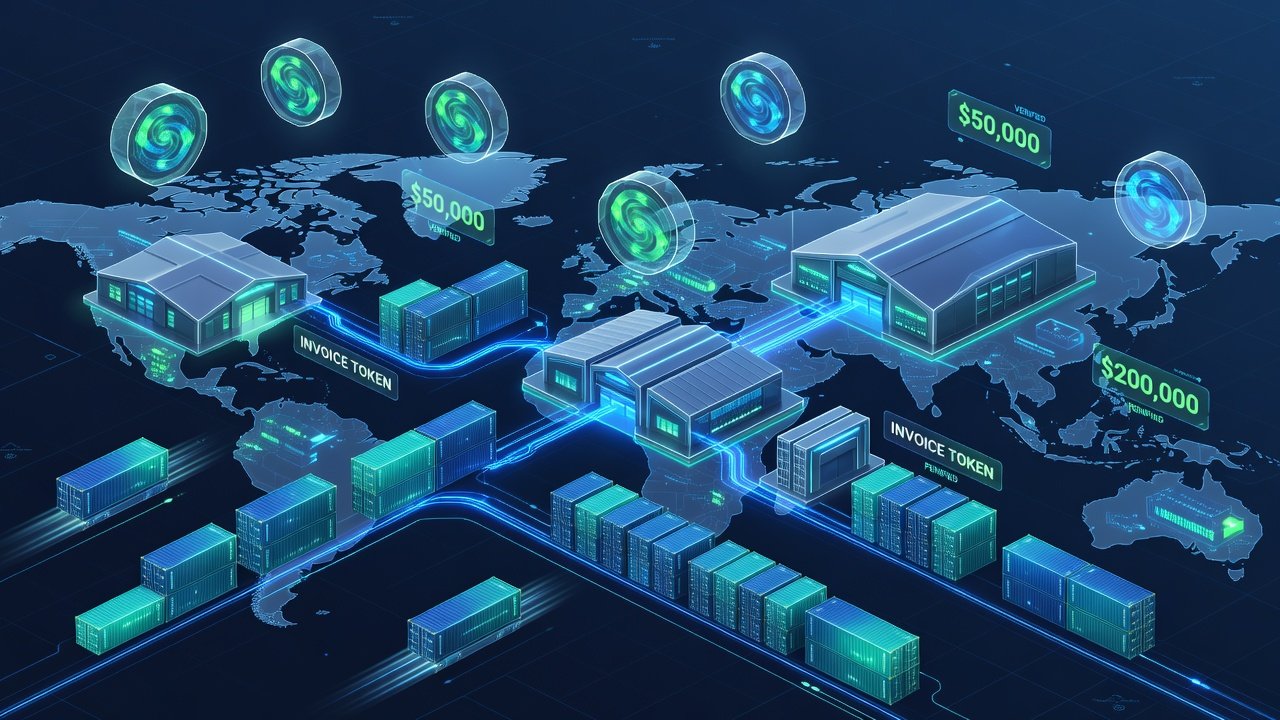
Supply chain finance is evolving rapidly in 2026 as decentralized protocols enable businesses to access liquidity without traditional intermediaries. Tokenized invoices represent a key innovation, converting real-world trade documents into blockchain assets that generate stable yields for DeFi participants. This approach connects actual supply chain flows to crypto markets, offering predictable returns compared to volatile yield farming. As global trade volumes continue to grow, suppliers in emerging markets often face cash flow gaps that traditional banks cannot fill quickly enough. Tokenized invoice protocols solve this by allowing real invoices to be fractionalized and traded on-chain, creating a new asset class for investors seeking yields anchored in verifiable economic activity rather than speculation.
Protocols like Centrifuge have pioneered this space by bridging real invoices from emerging market suppliers to on-chain investors. The result is DeFi yields backed by verifiable trade receivables rather than speculative tokens. In practice, this means a textile manufacturer in Vietnam can receive payment within days instead of waiting 90 days for a buyer in Europe to settle, while investors earn returns from the discount spread.
Understanding the Tokenized Invoice Concept
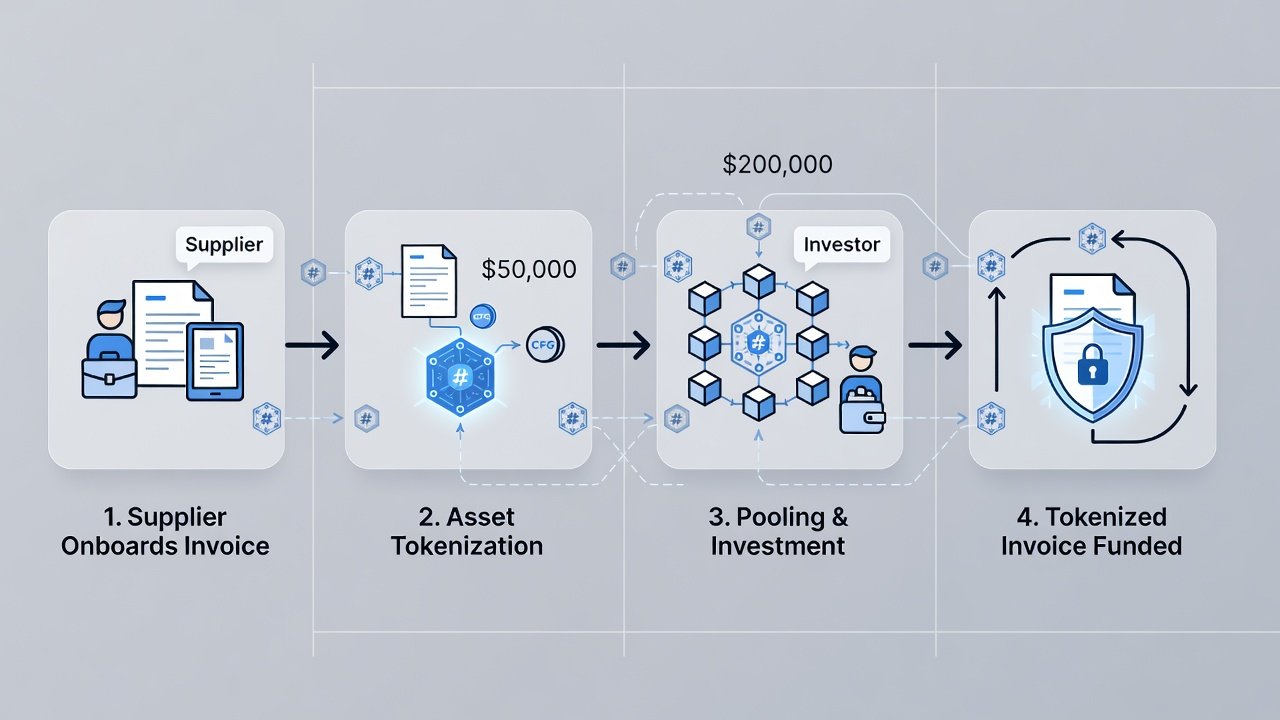
Tokenization turns an invoice into a digital asset on the blockchain. Suppliers upload invoices from legitimate buyers, and the protocol verifies them before minting tokens. Investors purchase these tokens to provide early payment to suppliers, earning yields when the invoice is settled. This model reduces reliance on banks and factoring companies. In 2026, multi-chain deployments allow these assets to flow across ecosystems like Ethereum, Polkadot, and specialized DeFi chains for better liquidity and lower costs. The core advantage lies in transparency: every step from invoice upload to settlement is recorded immutably, reducing fraud risk that has historically plagued paper-based trade finance.
Unlike unsecured crypto lending, tokenized invoices are collateralized by actual goods and services already delivered. This real-world backing provides a natural hedge against market downturns, making the yields more resilient during periods of high volatility in broader DeFi markets.
How to Onboard Real Invoices on Centrifuge
Getting started requires a structured process. First, register as a supplier or originator on the Centrifuge platform. Verify your business identity and connect your existing accounting systems. The platform integrates with popular ERP tools, allowing automated invoice syncing rather than manual uploads for high-volume users.
- Complete KYC and link trade documents through verified identity providers.
- Upload invoice details including buyer information, due date, amount, and supporting purchase orders.
- Obtain verification from the protocol’s oracle or partner network, which cross-checks buyer creditworthiness.
- Mint the tokenized version as an NFT or fungible token representing the receivable, with metadata stored on-chain.
- List the asset in liquidity pools or offer it directly to institutional investors seeking stable returns.
Once tokenized, the asset can be listed in liquidity pools or sold to investors seeking stable returns. Suppliers retain control until the token is purchased, at which point funds are released instantly via stablecoin transfer.
Step-by-Step Tokenization Process
The on-chain steps involve smart contract interactions. After uploading off-chain data, the protocol creates a unique asset identifier. Investors then fund the token purchase, releasing capital to the supplier immediately. Yield calculation typically factors in the discount rate offered to suppliers and the time until invoice maturity. For example, a 90-day invoice might deliver annualized yields in the 8-15% range depending on buyer credit quality, though exact figures fluctuate with market conditions as of late 2026. Additional variables include currency risk if the invoice is denominated in local currency versus the stablecoin used for settlement.
Yield Calculation Examples and Comparisons
Consider a supplier with a $50,000 invoice due in 60 days. Traditional factoring might charge high fees, leaving the supplier with reduced proceeds. On Centrifuge, tokenization allows investors to buy at a discount, providing the supplier near-full value upfront while investors earn the spread upon settlement. A second example involves a $200,000 agricultural shipment from Brazil: after tokenization and a 12% annualized discount, the supplier receives 94% of face value within 48 hours, while investors collect the remaining 6% plus any premium at maturity. Risk comparisons show tokenized invoices often outperform unsecured DeFi lending in stability because they are collateralized by real trade flows. However, they carry counterparty risk if the buyer defaults, mitigated through over-collateralization requirements and insurance wrappers available on some pools.
Multi-Chain Deployment Tips
Deploy across chains for optimal reach. Start on Centrifuge’s native parachain for low fees, then bridge to Ethereum for broader investor access. Use secure bridges and monitor gas costs. Always test on testnets first and implement wallet connect features for seamless user experience. Additional considerations include selecting chains with strong oracle integrations for invoice verification and ensuring cross-chain messaging protocols maintain data integrity. Developers should also monitor liquidity fragmentation and use aggregators where possible to maintain competitive yields.
Compliance Checklists for 2026 Operations
- Ensure all participants complete AML screening through integrated providers.
- Verify invoice authenticity through third-party oracles and buyer confirmations.
- Comply with securities regulations in target jurisdictions, including accredited investor rules where applicable.
- Maintain transparent on-chain records for audits and regulatory reporting.
- Implement exit strategies including early redemption options and secondary market listings.
- Document data privacy measures to align with GDPR and similar frameworks when handling buyer information.
Case Studies from Emerging Market Suppliers
Suppliers in Southeast Asia have used tokenized invoices to access funding faster than local banks allow. One textile exporter tokenized multiple invoices, receiving capital within 48 hours and achieving consistent yields for investors around 10% annualized. Similar successes appear in Latin American agriculture exporters leveraging the same protocols, where coffee producers in Colombia reduced their cash conversion cycle by 70 days. In Africa, a Kenyan logistics firm tokenized invoices from multinational clients, attracting European DeFi funds and demonstrating how real trade flows can stabilize yields even during regional currency fluctuations.
Risk Management and Exit Strategies
Smart contract audits by reputable firms are essential. Peg stability for any stablecoin components relies on over-collateralization and reserve transparency. Exit strategies include selling tokens on secondary markets or waiting for invoice maturity. Diversify across multiple invoices to mitigate single-buyer risk. Additional safeguards involve setting position limits per originator and monitoring real-time credit signals from integrated data providers. Investors should also prepare for scenarios where invoices are disputed by maintaining diversified portfolios across industries and geographies.
FAQs on Peg Stability, Audits, and Exits
How is peg stability maintained?
Protocols use reserves and algorithmic mechanisms to keep tokenized assets aligned with underlying invoice values, often backed by over-collateralized stablecoin pools.
Are smart contracts audited?
Leading protocols undergo regular audits; always review the latest reports before investing and prefer pools with multiple independent audits completed within the past six months.
What exit options exist?
Investors can trade tokens on supported DEXes or redeem at maturity through the protocol’s settlement process, with some pools offering early exit at a small discount.
How do protocols handle buyer defaults?
Most implementations include recourse mechanisms such as insurance funds or legal claim transfers to investors, though recovery rates vary by jurisdiction and invoice size.
For further reading, explore Centrifuge’s official resources, Bank for International Settlements reports on trade finance innovation, and World Bank publications on supply chain digitization.
Conclusion
Tokenized invoices offer a compelling path to stable DeFi yields in 2026 by anchoring returns to real supply chain activity. With careful onboarding, compliance, and risk management, both suppliers and investors can benefit from this growing sector while contributing to more efficient global trade finance.

No comments yet. Be the first!