 CryptoChain Blog
Introduction to Advanced NFT Collateral in 2026
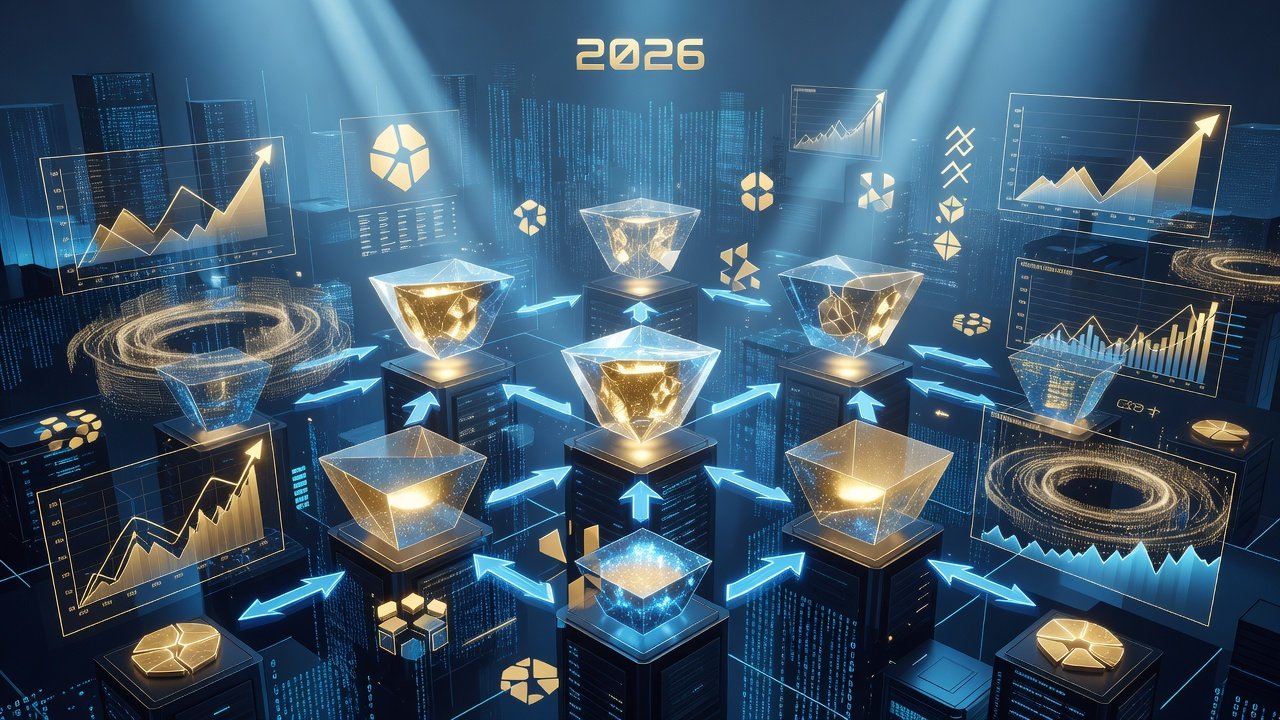
The NFT-Fi ecosystem has evolved significantly beyond simple lending models. In 2026, sophisticated users leverage NFTs as collateral for higher yields through fractionalization, cross-protocol strategies, and royalty-backed mechanisms. These approaches unlock liquidity while preserving upside potential in volatile markets. Data from on-chain analytics platforms shows increased adoption of these tactics as traders seek returns that outpace traditional staking or basic collateral loans. The shift toward advanced collateral use reflects broader maturation in decentralized finance, where holders no longer view NFTs solely as static assets but as dynamic tools for capital efficiency.
Successful strategies rely on on-chain metrics like floor prices, trading volume, and utilization rates to identify entry points. Platforms such as NFTfi and BendDAO provide the infrastructure, but understanding liquidation thresholds and multi-chain opportunities is essential for risk management. This guide breaks down each component with practical steps, real-world examples, and decision frameworks to help users implement these tactics responsibly. Readers will find concrete walkthroughs that emphasize measurable data points rather than hype, ensuring long-term viability in fluctuating conditions.
Fractional NFT Ownership for Enhanced Collateral Efficiency
Fractional ownership breaks high-value NFTs into tradable ERC-20 tokens, allowing partial collateralization. This enables users to borrow against only a portion of an asset while retaining governance rights over the whole. By splitting ownership, holders can maintain exposure to price appreciation while accessing capital for other yield-generating activities. The model reduces the all-or-nothing risk of traditional NFT loans and opens participation to smaller investors who might otherwise be priced out of premium collections.
Step-by-step setup begins with selecting a compatible vault protocol that supports fractionalization. Users deposit the full NFT into the vault, which then mints a corresponding number of fractional tokens. Next, a calculated percentage of those fractions is deposited as collateral on supported lending markets. Throughout the process, monitoring on-chain data for liquidity pool depth helps avoid slippage when exiting positions. For instance, a collector might fractionalize a rare digital artwork, use 40 percent of the fractions for borrowing, and keep the remainder for potential governance votes on the underlying asset. Additional considerations include verifying smart contract permissions and testing small fractions first before scaling.
Cross-Protocol Leverage on NFTfi and BendDAO
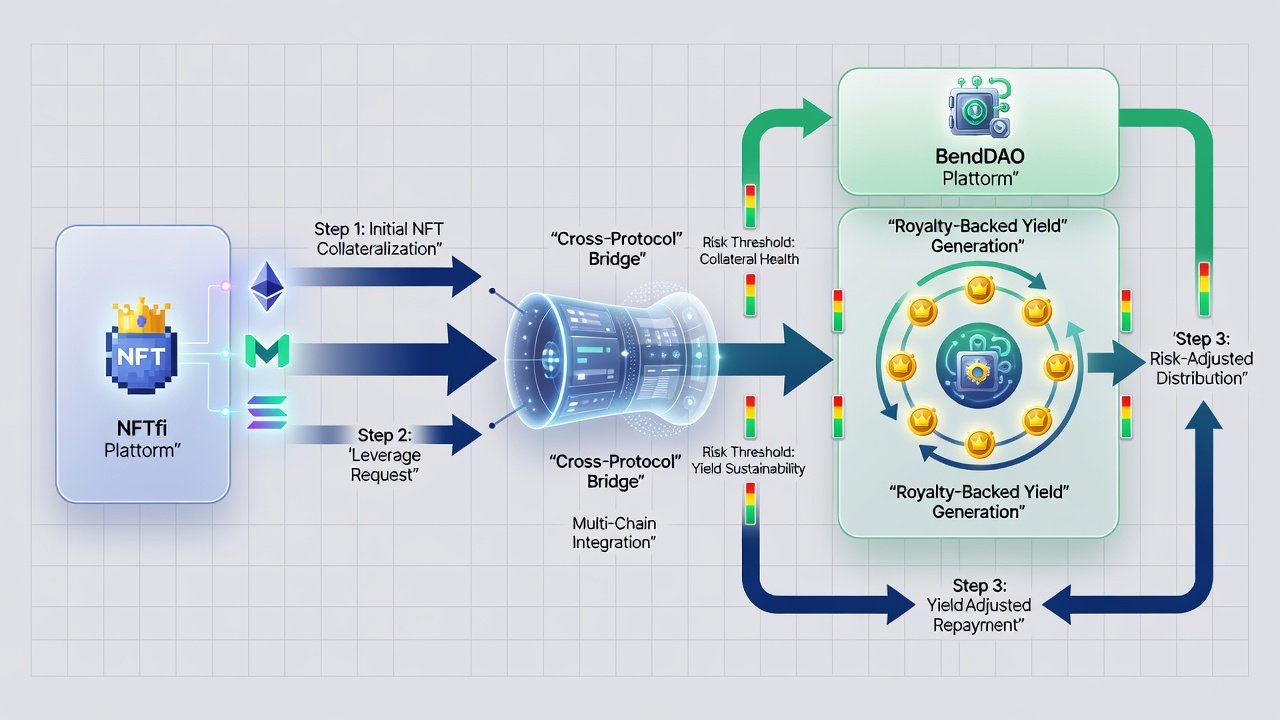
Combining NFTfi and BendDAO creates leveraged positions. Borrow on one platform and redeploy collateral on another for amplified yields. This strategy requires careful sequencing to manage interest costs and maintain healthy loan-to-value ratios across the entire position lifecycle.
Practical flow on NFTfi starts by connecting a compatible wallet, listing the NFT or fractional tokens for loan offers, and reviewing multiple bids based on interest rates and duration. Once accepted, the borrowed assets move to BendDAO where they can purchase additional fractional shares or participate in liquidity pools. Risk calculations involve monitoring liquidation thresholds, typically set at 70-80 percent loan-to-value ratios depending on asset volatility. Multi-chain examples include bridging to Polygon for lower fees or using Base for faster settlements while tracking gas costs across networks.
Compare platforms: NFTfi emphasizes peer-to-peer flexibility with customizable loan terms while BendDAO offers automated auctions and broader asset support. Both integrate with Ethereum mainnet and layer-2 solutions, allowing users to optimize for speed and cost. Advanced users often run parallel positions to diversify counterparty risk and capture differing fee structures.
Royalty-Backed Yield Farming Strategies
Royalties from secondary sales can be tokenized and used as yield sources. Advanced users farm these streams by locking collateralized NFTs in royalty-sharing protocols. This creates a secondary income layer that compounds over time and provides a buffer during market downturns when primary lending rates fluctuate.
- Identify collections with consistent royalty rates and active trading history using public dashboards.
- Collateralize the asset and redirect royalty streams into stablecoin liquidity pools or lending markets for steady accrual.
- Reinvest yields across multiple chains to reduce single-network exposure and capture varying APYs.
- Track royalty accrual using on-chain dashboards to adjust positions dynamically based on volume spikes.
This method diversifies income beyond simple interest payments and works especially well with blue-chip collections that maintain steady secondary market volume. Users should also factor in royalty enforcement mechanisms and collection-specific smart contract rules before committing.
Platform Comparisons and On-Chain Metrics for Entry Points
Top platforms differ in supported chains, fee structures, and asset eligibility. Data-driven decisions use metrics from explorers tracking active loans, default rates, and utilization percentages. Key indicators include average loan duration, floor price stability over 30 days, and total value locked in NFT-related pools. These metrics help pinpoint optimal moments to enter or exit leveraged positions without relying on sentiment alone.
Real wallet case study one involves a trader who fractionalized a high-profile avatar NFT, deployed portions across NFTfi and BendDAO, and achieved consistent net yields while keeping a 65 percent LTV buffer. Another case shows a collector using royalty redirection on a generative art piece to fund additional collateral deposits on a layer-2 network, resulting in compounded returns over six months. These examples highlight the importance of starting small and scaling based on live metrics rather than speculation.
Multi-Chain Examples and Practical Risk Calculations
Extending strategies across chains opens new opportunities but introduces bridge and oracle risks. On Ethereum, users benefit from deeper liquidity; on Polygon or Base, transaction costs drop significantly. Risk calculations should factor in historical volatility data and set automatic alerts for price movements exceeding 15 percent within 24 hours. Polygon serves as a practical testing ground for lower-stakes experiments before scaling to mainnet volumes.
Common mistakes to avoid include over-leveraging without buffers, ignoring smart contract audit histories, and failing to diversify across protocols. Users should also review oracle reliability before committing large positions and maintain separate wallets for different strategy layers to limit exposure.
FAQ on Tax Implications and Regulatory Considerations
FAQ on tax implications: Collateral transactions may trigger capital gains events in many jurisdictions when fractions are created or transferred. Interest expenses could be deductible depending on activity classification and local rules. Royalty income is generally treated as ordinary income. Always maintain detailed on-chain records and consult qualified tax professionals familiar with digital asset regulations. Additional questions often cover reporting requirements for cross-chain transfers and whether leveraged positions qualify as investment activities. Regulatory landscapes continue evolving, so staying informed through official government resources remains critical for compliance.
Conclusion
Mastering these NFT collateral strategies positions users for sustainable yields in 2026. Combine fractional tactics with cross-protocol leverage and royalty farming while prioritizing on-chain analytics and conservative risk thresholds. Continuous monitoring and disciplined position sizing separate successful implementations from those exposed to unnecessary downside. Regular review of protocol updates and metric shifts ensures strategies remain aligned with current market realities.
No comments yet. Be the first!