 CryptoChain Blog
Introduction to DeFi Treasury Management in 2026
Decentralized autonomous organizations and DeFi protocols manage substantial community funds, requiring advanced treasury management techniques that prioritize yield generation alongside liquidity preservation and stringent risk controls. In 2026, DAOs face evolving market conditions, regulatory scrutiny, and technological advancements that demand proactive strategies. This comprehensive guide examines practical frameworks for optimizing protocol reserves, drawing on real-world examples and tool evaluations to help treasurers maintain sustainable operations. Effective treasury management ensures DAOs can fund development, incentivize participation, and weather volatility without compromising core principles of decentralization. As the ecosystem matures, treasurers must integrate cross-chain capabilities, leverage emerging automation tools, and foster community alignment through transparent reporting mechanisms.
Multi-Asset Allocation Frameworks
Successful treasury strategies start with diversified multi-asset allocation that balances stablecoins, blue-chip cryptocurrencies, and yield-generating tokens. Frameworks incorporate correlation matrices, scenario analysis, and regular stress testing to build resilience against downturns. For instance, a typical DAO might maintain 40-60 percent in stable assets for operational liquidity while allocating the balance across established lending markets and derivatives for yield. Allocation decisions should factor in on-chain metrics such as total value locked and historical drawdowns. Treasurers benefit from periodic reviews that adjust weights based on macroeconomic signals and protocol-specific performance data, reducing concentration risk and enhancing overall portfolio stability. Advanced frameworks also consider environmental factors like regulatory changes in key jurisdictions and the integration of real-world asset tokens to further diversify exposure.
On-Chain Treasury Dashboards
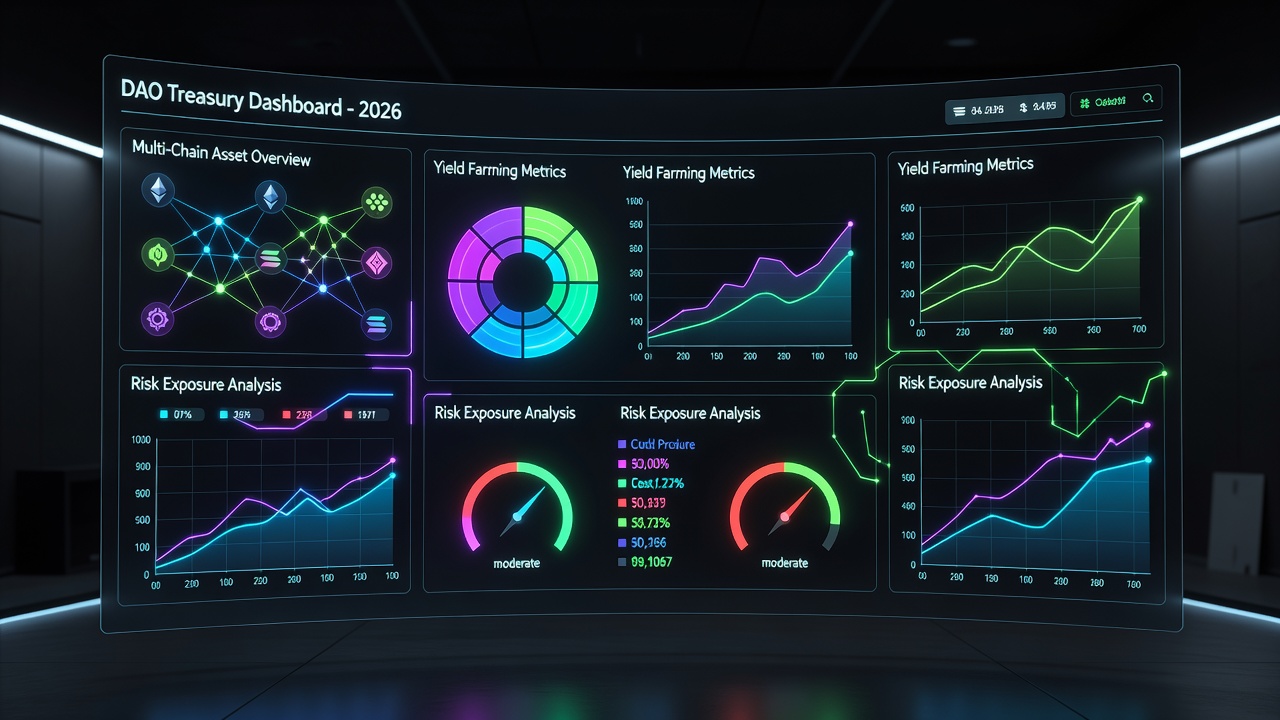
Transparency and real-time monitoring form the backbone of modern treasury oversight. On-chain dashboards aggregate balances, yield rates, and exposure metrics across multiple blockchains into unified interfaces. These tools pull data directly from smart contracts, eliminating reliance on manual reporting. Key features include customizable alerts for threshold breaches and integration with governance platforms to track proposal impacts. By visualizing asset flows and performance trends, dashboards enable swift decision-making. DAOs that implement comprehensive dashboard solutions often report improved accountability to community members and faster identification of underperforming positions. Popular implementations allow for role-based access, ensuring that both core contributors and token holders can review treasury health without compromising security protocols.
Automated Rebalancing with Keepers
Automated rebalancing through keeper networks ensures portfolios remain aligned with target allocations without constant human oversight. Keepers monitor predefined parameters such as deviation thresholds and execute trades or transfers when conditions are met. This approach minimizes slippage and emotional biases during volatile periods. Implementation typically involves smart contract modules that define rules for asset swaps, liquidity provision, or collateral adjustments. Practical examples include setting keepers to rebalance every 48 hours or upon a 5 percent drift from targets, with fallback mechanisms for extreme market events. The result is consistent execution that supports long-term yield objectives while maintaining liquidity buffers. DAOs experimenting with keeper setups often begin with low-risk test environments before scaling to full treasury volumes.
Integration with Lending and Derivatives Protocols
Connecting treasuries to established lending platforms and derivatives markets can generate additional returns through collateralized borrowing and hedging strategies. Integration requires careful vetting of protocol security histories and liquidity depth. For example, DAOs may deposit stable assets into lending pools to earn interest or use derivatives for downside protection on volatile holdings. Ethereum.org provides foundational documentation on smart contract standards that underpin many of these integrations. Successful setups combine multiple protocols with layered approvals, ensuring that yield opportunities do not expose the treasury to undue counterparty or smart contract risks. Additional considerations include monitoring oracle reliability for accurate pricing data and establishing circuit breakers to halt operations during detected anomalies.
Step-by-Step Example: Setting Up a Diversified Treasury Vault
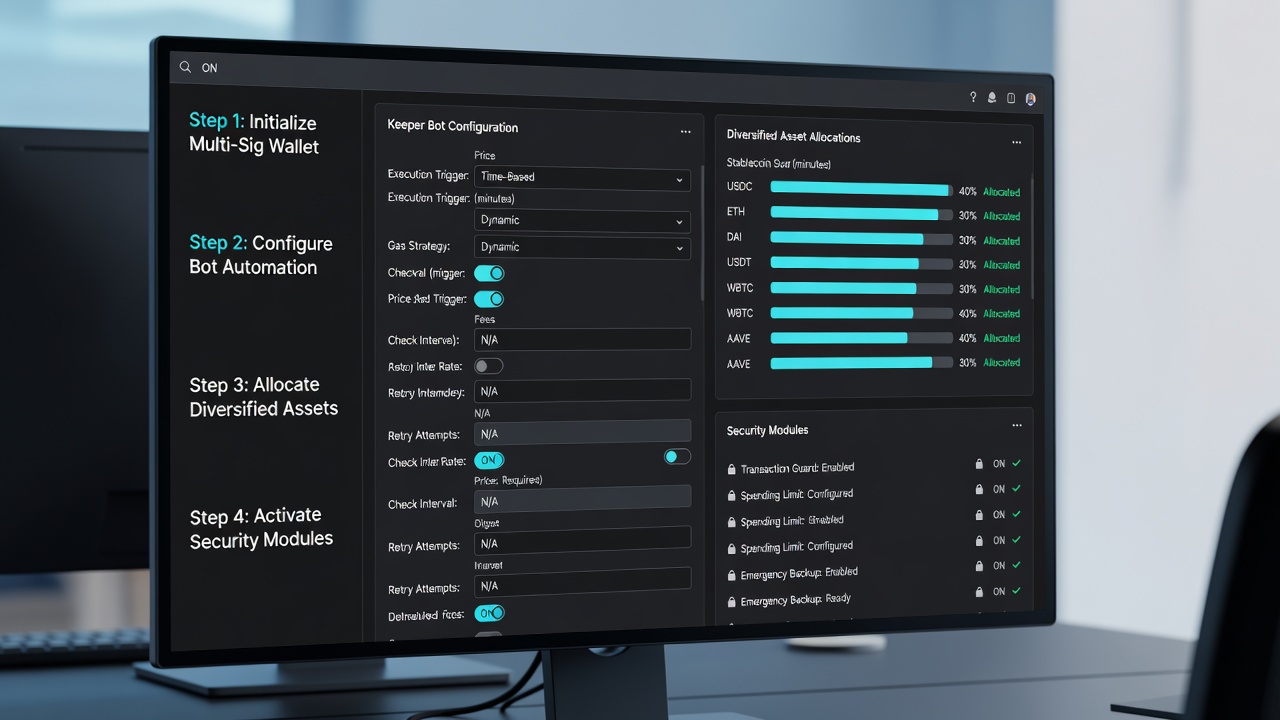
Creating a diversified treasury vault follows a structured process. Begin by selecting a multi-signature wallet and defining signer thresholds based on community governance. Next, establish allocation targets through on-chain voting and document risk parameters such as maximum single-asset exposure. Configure keeper bots to monitor and adjust positions automatically, testing rules on a staging environment first. Integrate dashboard analytics for ongoing visibility and set up alerts for governance proposals affecting treasury assets. Finally, conduct a trial period with limited funds before full deployment, documenting all transactions for transparency. This methodical approach reduces implementation errors and builds community confidence in the treasury framework. Throughout the process, maintain detailed logs and conduct post-implementation reviews to refine parameters based on observed performance.
Tool Comparison: Gnosis Safe vs Zodiac
Gnosis Safe delivers proven multi-signature capabilities with extensive module support for treasury operations. Zodiac builds on this foundation by adding modular governance tools that enable more dynamic execution of complex strategies. DAOs frequently combine both solutions to achieve layered security, using Safe for core custody and Zodiac for customizable proposal workflows. Evaluation criteria include ease of module installation, audit history, and compatibility with keeper automation. The choice ultimately depends on the DAO's governance complexity and desired level of automation. Users should review community forums and recent audit reports to assess ongoing developments in both platforms.
Risk Management Strategies and Common Pitfalls
Robust risk management addresses threats such as impermanent loss in liquidity positions and potential governance attacks. Mitigation includes limiting exposure to concentrated liquidity ranges, implementing timelocks on sensitive actions, and scheduling regular third-party audits. Additional steps involve diversifying across chains and maintaining emergency withdrawal procedures. Awareness of these pitfalls allows DAOs to design treasury policies that prioritize capital preservation even during adverse conditions. Regular education sessions for community members on emerging threats further strengthen the overall defense posture.
FAQ
What is the biggest risk in DAO treasury management?
Governance attacks and smart contract vulnerabilities represent primary concerns. Mitigation through diversified signers, timelocks, and continuous monitoring significantly reduces exposure.
How do keepers improve treasury operations?
Keepers automate rebalancing according to predefined rules, ensuring allocations stay within targets and reducing the need for frequent manual interventions that can introduce delays or errors.
Which tools are best for on-chain dashboards?
Leading solutions aggregate multi-chain data with real-time alerts, offering customizable views that support both operational oversight and community reporting requirements.
How should DAOs handle impermanent loss?
Strategies include selecting stable pairs where possible, using concentrated liquidity features, and regularly assessing position performance against benchmarks to decide on adjustments or exits.
What governance features enhance treasury security?
Timelocks, veto rights, and multi-stage proposal processes help prevent rushed decisions that could jeopardize funds.
Conclusion
Mastering DeFi treasury management in 2026 demands a blend of strategic allocation, reliable tooling, and vigilant risk oversight. DAOs that adopt these best practices enhance their ability to generate sustainable yields while safeguarding community resources for future initiatives.

No comments yet. Be the first!