 CryptoChain Blog
Introduction to DeFi Portfolio Diversification in 2026
Decentralized finance continues to evolve rapidly in 2026, presenting both opportunities and challenges for investors navigating market volatility driven by regulatory developments, technological upgrades, and macroeconomic factors. Effective portfolio diversification in DeFi requires more than simply spreading capital across tokens; it demands a structured approach to protocols, asset classes, and blockchain ecosystems. This guide explores advanced tactics for balancing exposure in lending platforms, decentralized exchanges, and derivatives markets while addressing correlations and rebalancing needs.
Investors in 2026 face heightened uncertainty from evolving compliance requirements and network improvements. Diversification mitigates single-point failures and reduces the impact of protocol-specific exploits or liquidity crunches. By combining stable yield sources with growth-oriented assets, users can build resilient portfolios that withstand fluctuations without sacrificing upside potential. The goal is to create a balanced mix that adapts to changing conditions while maintaining long-term growth trajectories.
Core Allocation Frameworks Across DeFi Sectors
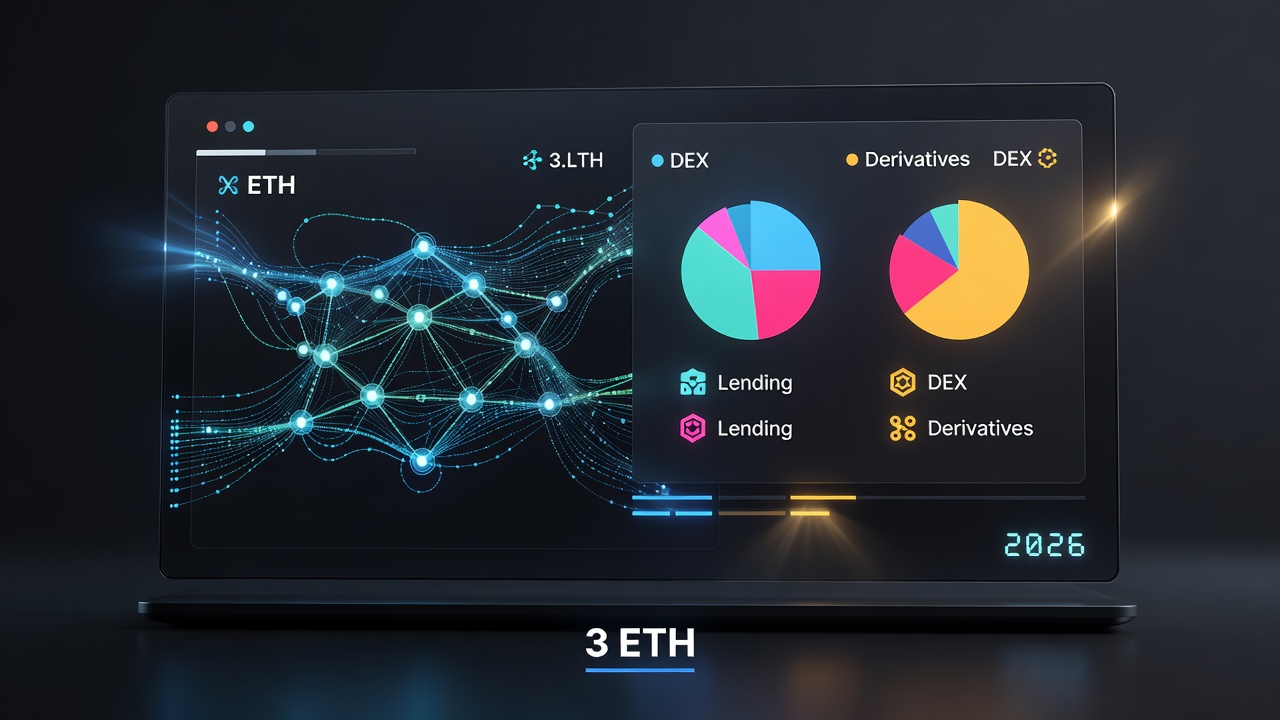
A robust framework starts with categorizing exposure into three primary sectors: lending protocols, decentralized exchanges (DEXs), and derivatives platforms. Lending protocols provide steady yields through overcollateralized loans, offering predictable returns in volatile environments. DEXs facilitate liquidity provision and trading, generating fees from transaction volume. Derivatives add leverage and hedging capabilities but introduce additional complexity through liquidation risks and funding rates.
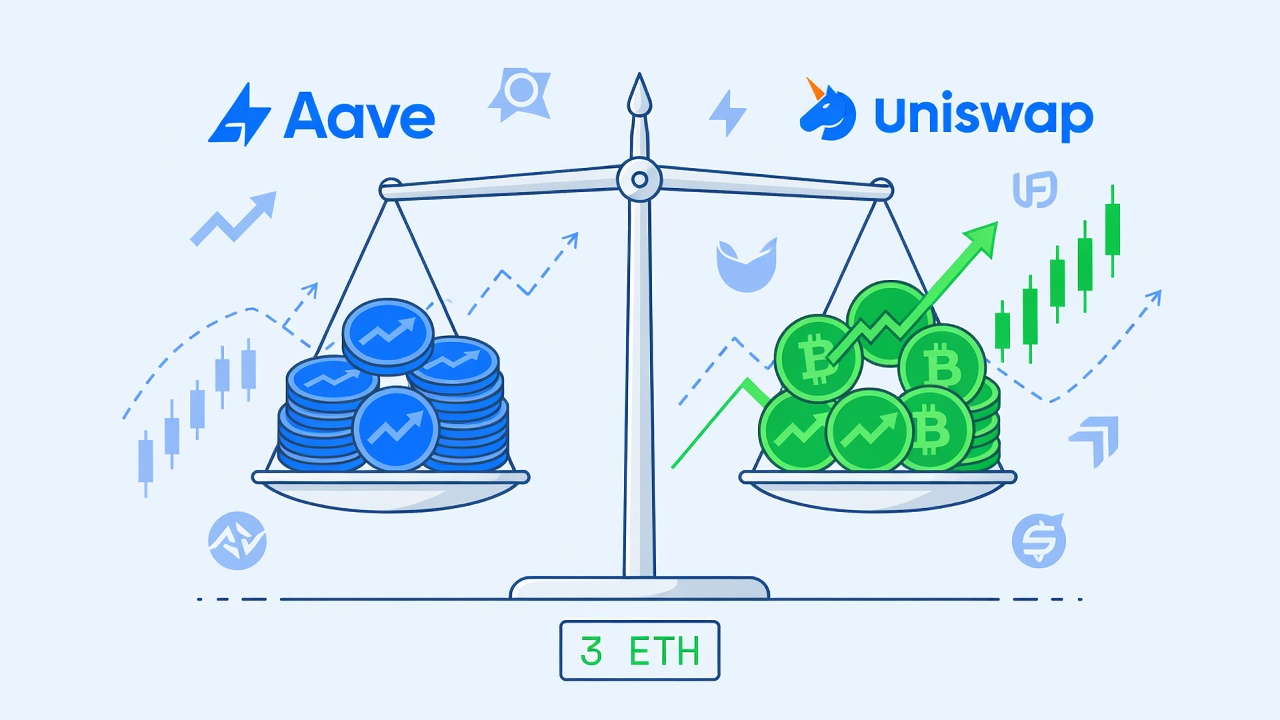
Recommended starting allocations often follow a 40-30-30 split, with 40% in lending for stability, 30% in DEX liquidity pools for organic yield, and 30% in derivatives for tactical positioning. Adjustments depend on individual risk tolerance and market conditions. Real-world examples include allocating across Aave for lending, Uniswap for spot trading liquidity, and GMX for perpetual futures exposure. Additional considerations involve integrating yield aggregators and insurance protocols to further layer protection against smart contract vulnerabilities.
Analyzing Asset Correlations in Multi-Chain Environments
Understanding correlations between assets and protocols is essential to avoid hidden concentrations. In 2026, stablecoins like USDC and DAI often exhibit low correlation to volatile assets such as ETH or SOL, making them valuable stabilizers. However, cross-chain correlations can spike during systemic events, such as major network outages or macroeconomic shocks. Portfolio managers should track metrics like beta relative to Bitcoin and pairwise correlations across chains.
Tools from DefiLlama help visualize total value locked trends and protocol health. Diversifying across Ethereum, Solana, and layer-2 networks further reduces chain-specific risks while capturing ecosystem-specific opportunities. Advanced analysis includes monitoring on-chain metrics such as transaction volumes and developer activity to anticipate correlation shifts before they impact portfolio performance.
Practical Steps for Building a Diversified Portfolio
Begin by auditing current holdings and identifying overexposures through wallet analytics platforms. Next, select protocols with strong security track records and audited smart contracts. Split stable yield positions between multiple lending markets to avoid single-protocol dependency. For growth assets, allocate to blue-chip tokens alongside emerging narratives in sectors like real-world asset tokenization or decentralized infrastructure.
Rebalance quarterly or when sector allocations drift beyond predefined thresholds, such as 10% from target weights. Example portfolio construction involves 25% in Aave USDC lending, 15% in Uniswap V3 ETH/USDC pools, 20% in diversified stablecoin farms across multiple chains, 20% in perpetuals on GMX, and 20% in cross-chain bridges via LayerZero-enabled applications. Additional steps include stress-testing the portfolio against historical downturns and incorporating automated tools for yield optimization without compromising diversification principles.
Concentrated vs. Diversified Approaches: Performance Scenarios and Risk Metrics
Concentrated strategies can outperform in bull markets but suffer larger drawdowns during corrections. Diversified portfolios typically deliver smoother equity curves with lower maximum drawdowns. Historical analysis shows diversified DeFi allocations reducing volatility by 25-40% compared to single-protocol bets. Key risk metrics include Sharpe ratio, Sortino ratio, and Value at Risk, where diversification improves these ratios by smoothing returns and limiting tail risks.
Investors should model scenarios using on-chain data to simulate 20% or 50% market drops and evaluate recovery paths. In one scenario, a concentrated position in a single lending protocol might yield high returns during stability but face severe losses if that protocol encounters issues. A diversified approach spreads these risks, maintaining positive returns across varied market regimes through careful sector balancing and periodic adjustments based on emerging data.
Rebalancing Triggers and Monitoring Checklists
Effective monitoring requires setting clear triggers and maintaining detailed checklists. Key items include monitoring protocol TVL changes exceeding 15% week-over-week, tracking smart contract upgrade proposals and governance votes, reviewing correlation matrices monthly using on-chain analytics, setting alerts for liquidation thresholds in leveraged positions, and assessing bridge security updates and cross-chain activity. Additional checklist elements cover evaluating insurance coverage adequacy, reviewing oracle reliability, and analyzing competitor protocol developments that could affect yields.
- Monitor protocol TVL changes exceeding 15% week-over-week
- Track smart contract upgrade proposals and governance votes
- Review correlation matrices monthly using on-chain analytics
- Set alerts for liquidation thresholds in leveraged positions
- Assess bridge security updates and cross-chain activity
- Evaluate insurance coverage and oracle data feeds quarterly
- Analyze competitor protocol developments affecting yields
Regular checklists prevent drift and surface emerging risks early. Include on-chain monitoring of wallet health and automated notifications for yield rate changes to maintain optimal performance.
Common Pitfalls and FAQ
How do I avoid overexposure to a single chain?
Spread assets across at least three distinct blockchains and use canonical bridges with proven security. Never exceed 40% allocation to any one ecosystem to maintain true diversification benefits.
What triggers should prompt immediate rebalancing?
Significant protocol exploits, major TVL outflows, or correlation breakdowns above 0.7 warrant review. Avoid emotional reactions to short-term price moves by sticking to predefined rules.
Is diversification always better than concentration?
Not necessarily. Experienced traders with deep protocol knowledge may outperform through concentration, but most retail participants benefit from broader diversification to manage unknown risks effectively over time.
What role do derivatives play in a diversified DeFi portfolio?
Derivatives enable hedging and tactical leverage but should be limited to 30% or less to control overall risk exposure and prevent amplified losses during downturns.
Conclusion
DeFi portfolio diversification in 2026 requires deliberate allocation, ongoing correlation analysis, and disciplined rebalancing. By blending stable yields with growth assets across multiple protocols and chains, investors position themselves for sustainable returns amid volatility. Consistent monitoring and adherence to checklists help navigate the evolving landscape effectively while capitalizing on opportunities in the decentralized ecosystem.

No comments yet. Be the first!