 CryptoChain Blog

Introduction to DeFi Risk Management in 2026
The decentralized finance ecosystem in 2026 presents both unprecedented opportunities and complex challenges for investors. As protocols mature and new chains emerge, participants must prioritize robust risk management to preserve capital amid evolving threats. This comprehensive guide delivers beginner-to-intermediate strategies focused on protecting portfolios through proactive identification and mitigation of key risks.
DeFi users face unique exposures not present in traditional finance, requiring tailored approaches that combine technical understanding with disciplined execution. Whether you are providing liquidity, trading derivatives, or staking assets, a structured risk framework helps navigate volatility while capitalizing on yields. Throughout this article, we explore practical techniques backed by real-world considerations to build resilience in your holdings.
Identifying Common DeFi Risks
Smart contract vulnerabilities continue to pose severe threats, as even audited code can contain subtle flaws exploited by sophisticated attackers. Impermanent loss occurs when liquidity providers experience reduced value compared to simply holding assets due to price divergence in trading pairs. Market volatility exacerbates these issues by triggering rapid price swings that liquidate leveraged positions.
Other notable risks include reliance on centralized oracles that may deliver inaccurate data during network congestion and governance exploits where token holders manipulate protocol parameters. Understanding these elements allows users to prioritize defenses such as multi-signature wallets and diversified oracle feeds. Regular review of protocol documentation and community discussions helps anticipate emerging vulnerabilities before they impact positions.
Portfolio Diversification Tactics
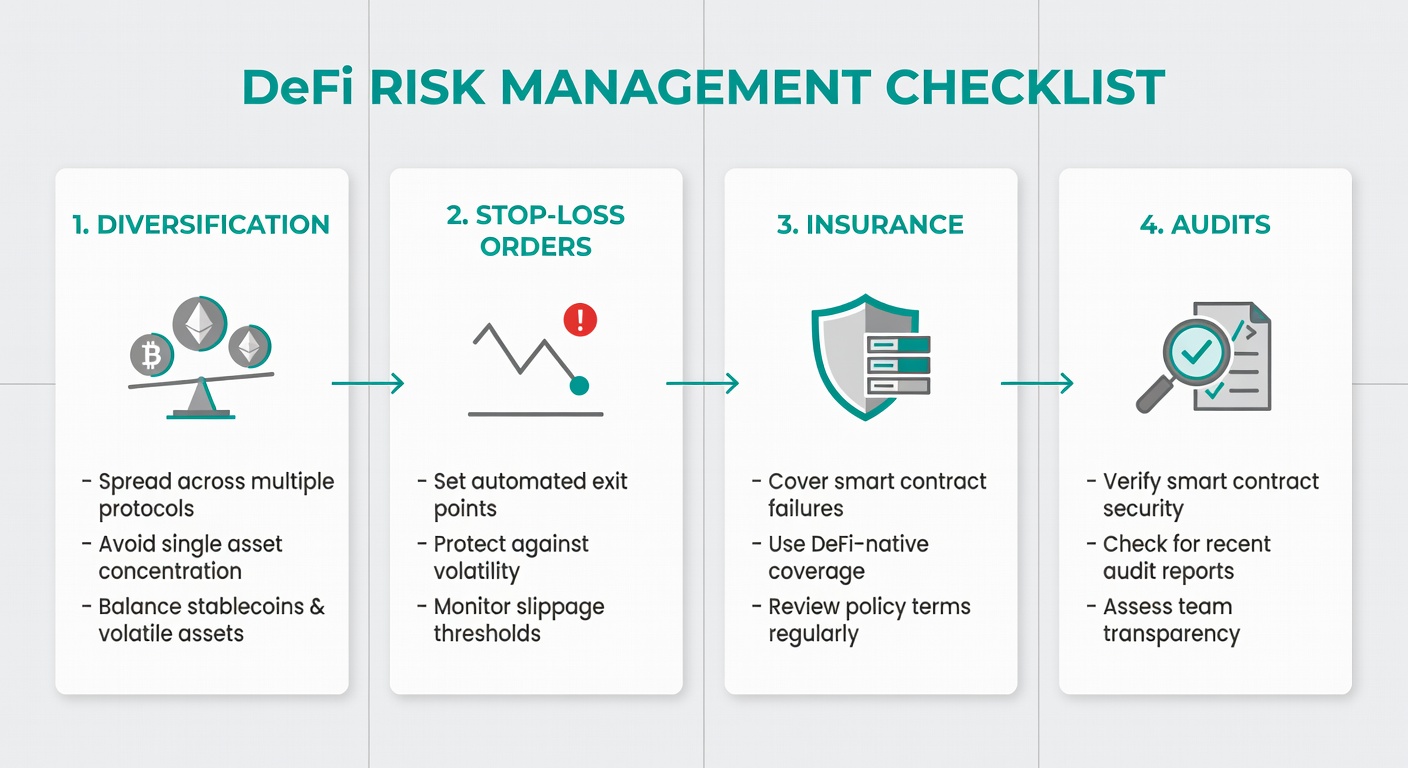
Diversification serves as the cornerstone of sustainable DeFi participation. Rather than concentrating capital in one protocol or asset, spread allocations across multiple blockchains, stablecoins, and yield-generating strategies. For instance, balance exposure between established lending markets on Ethereum with emerging opportunities on layer-two solutions or alternative chains to reduce single-point failures.
Practical steps include setting allocation caps per protocol at no more than 20-30 percent of total portfolio value and incorporating uncorrelated assets such as real-world asset tokens alongside native cryptocurrencies. Rebalancing should occur quarterly or following significant market movements, using on-chain analytics to track correlations. This approach minimizes the impact of any single exploit or liquidity crisis while maintaining access to competitive yields across the ecosystem.
Using Stop-Loss Tools on DEXes
Decentralized exchanges now integrate advanced order types that enable automated risk controls. Stop-loss orders automatically sell assets when prices reach specified thresholds, protecting against extended downturns. To implement effectively, select platforms supporting these features and configure triggers with buffers for slippage, especially on thinner order books.
Examples include setting a stop-loss 15 percent below entry on volatile altcoin pairs while pairing it with take-profit orders to lock gains. Users should simulate these orders in test environments first and monitor gas fees during execution to avoid unnecessary costs. Combining stop-loss tools with position sizing rules further strengthens overall portfolio defense.
Insurance Protocol Comparisons
Insurance protocols offer an additional layer of protection against smart contract failures and exploits. Leading options differ in their coverage focus, claim verification methods, and payout speeds. Parametric insurance models automatically trigger compensation based on predefined on-chain events, reducing disputes and delays compared to traditional claim processes.
When evaluating providers, examine factors such as total value secured, historical claim resolution rates, and integration ease with existing wallets. Some protocols specialize in bridge coverage while others target lending platform risks. Incorporating insurance premiums into your overall strategy provides peace of mind, particularly for larger or newer protocol exposures. Learn more about secure development practices at ethereum.org.
Real-World Case Studies from Recent Exploits
Analyzing documented incidents reveals recurring patterns and effective countermeasures. The Ronin bridge compromise demonstrated how single points of failure in validator sets can lead to massive losses, prompting widespread adoption of distributed governance. Subsequent events involving upgradeable contracts highlighted the necessity of timelocks and community veto rights before critical changes.
In each scenario, diversified portfolios and insured positions recovered faster than concentrated holdings. These cases underscore the value of ongoing monitoring and avoiding protocols without transparent audit histories or battle-tested codebases.
Step-by-Step Checklist for Auditing Personal Positions
Conducting routine audits maintains portfolio health. Follow this expanded checklist with explanations for each item:
- Examine smart contract audit reports from multiple independent firms, focusing on severity ratings and remediation status for every protocol in use.
- Analyze liquidity metrics and historical impermanent loss data using dashboards to identify pairs prone to significant divergence.
- Review and revoke excessive token approvals in wallets to limit potential attack surfaces from compromised approvals.
- Calculate and adjust leverage ratios to maintain buffers above liquidation thresholds during typical volatility.
- Verify oracle reliability by cross-checking multiple data sources and understanding fallback mechanisms.
- Simulate adverse market scenarios with portfolio tracking tools to test resilience under stress conditions.
- Document all positions in a personal ledger including entry prices, yields, and risk parameters for quick reference.
Schedule these reviews monthly and after major protocol upgrades or market events to stay ahead of potential issues.
Tools for Ongoing Monitoring and Best Practices
Beyond initial setup, continuous oversight relies on specialized dashboards and alert systems. Utilize platforms that aggregate protocol data for real-time visibility into TVL changes, exploit alerts, and yield fluctuations. Best practices include enabling push notifications for position health and participating in protocol governance forums to influence security improvements.
Avoid common pitfalls such as chasing unsustainable yields without due diligence or neglecting to update wallet software. These habits compound over time to create stronger defensive postures.
Addressing Leverage Risks in FAQ Format
What are the primary dangers of high leverage in DeFi?
High leverage magnifies both profits and losses, often resulting in swift liquidations when markets move against positions. Conservative users limit leverage to ratios that survive moderate volatility without forced closures.
How can users mitigate liquidation risks effectively?
Maintain collateral ratios substantially above minimum requirements, employ price alerts, and diversify collateral types to buffer against single-asset swings.
Are there safer alternatives to leveraged trading strategies?
Options such as conservative lending, options-based hedging, and covered yield farming deliver returns with reduced leverage exposure and lower liquidation probability.
What role does position sizing play in leverage management?
Appropriate sizing ensures no single trade threatens overall portfolio stability, allowing users to withstand drawdowns while preserving capital for future opportunities.
Conclusion
Successful DeFi risk management in 2026 integrates education, technological tools, and consistent discipline. Through diversification, automated controls, insurance coverage, and systematic audits, participants can engage confidently while minimizing downside. Ongoing adaptation to new developments remains essential for sustained protection. For additional protocol analytics, consult resources at defillama.com and explore oracle solutions at chain.link.

No comments yet. Be the first!