 CryptoChain Blog
Introduction to RWA Tokenization in DeFi
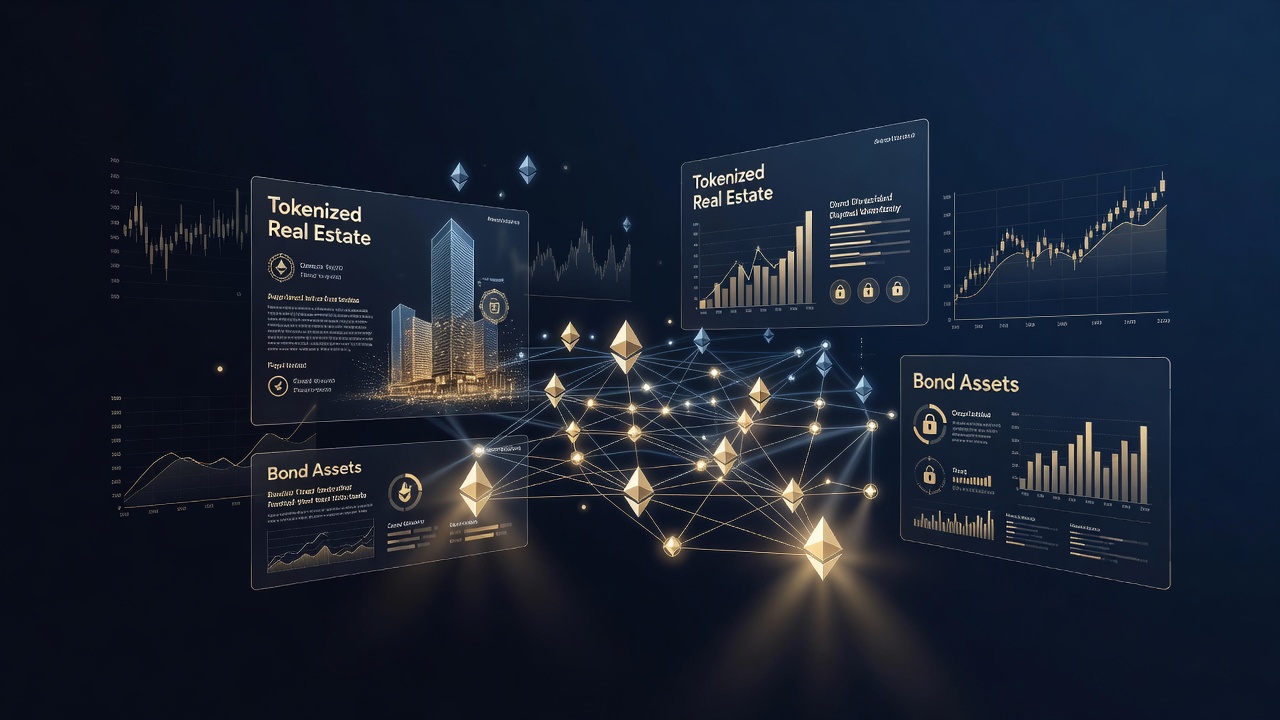
Real-world asset (RWA) tokenization bridges traditional finance with decentralized ecosystems by representing assets like real estate, bonds, and commodities as blockchain tokens. In 2026, this sector continues to mature, offering intermediate DeFi users sophisticated ways to access yields beyond basic lending or staking. Investors can now integrate tokenized assets into portfolios for diversified income streams while navigating evolving regulations. The process involves converting illiquid assets into digital tokens that can be traded, lent, or used as collateral on blockchain networks, unlocking new levels of accessibility and efficiency.
The appeal lies in fractional ownership, enhanced liquidity, and programmable yields. However, success requires understanding protocols, compliance, and risk management. As blockchain adoption grows, RWA tokenization is positioned to reshape how investors interact with traditional markets by bringing them on-chain with greater transparency and reduced intermediaries.
Key Benefits and Market Context
Tokenized RWAs provide on-chain transparency and 24/7 trading. They enable exposure to stable yields from government bonds or rental income from real estate without direct ownership hassles. As DeFi infrastructure improves, interoperability between chains expands opportunities for cross-protocol strategies. Market participants benefit from reduced settlement times, lower costs associated with traditional custody, and the ability to compose these assets with other DeFi primitives such as derivatives and automated strategies.
Broader adoption in 2026 reflects growing institutional interest, with tokenized assets serving as bridges between permissioned financial systems and open decentralized networks. This context creates fertile ground for advanced users seeking alpha through yield enhancement and portfolio diversification.
Top Protocols Enabling RWA Integration
Several leading platforms stand out for their security, liquidity, and asset variety. Centrifuge focuses on invoice financing and private credit, allowing users to tokenize real invoices for DeFi lending pools. Ondo Finance specializes in tokenized U.S. Treasuries, providing institutional-grade yields directly on-chain. Maple Finance offers credit markets backed by real borrower pools, emphasizing institutional RWAs. Additional notable protocols include those facilitating real estate tokenization through fractional property ownership models and platforms that support commodity-backed tokens for diversified exposure.
Comparisons reveal trade-offs: Centrifuge excels in diversified private credit with strong KYC processes, while Ondo prioritizes regulatory compliance for U.S. Treasuries. Users should evaluate each protocol's smart contract audits, historical uptime, and supported asset classes before allocation. Liquidity depth, fee structures, and integration with major blockchains like Ethereum and layer-2 solutions further differentiate these options for practical deployment.
Practical Strategies for Investors
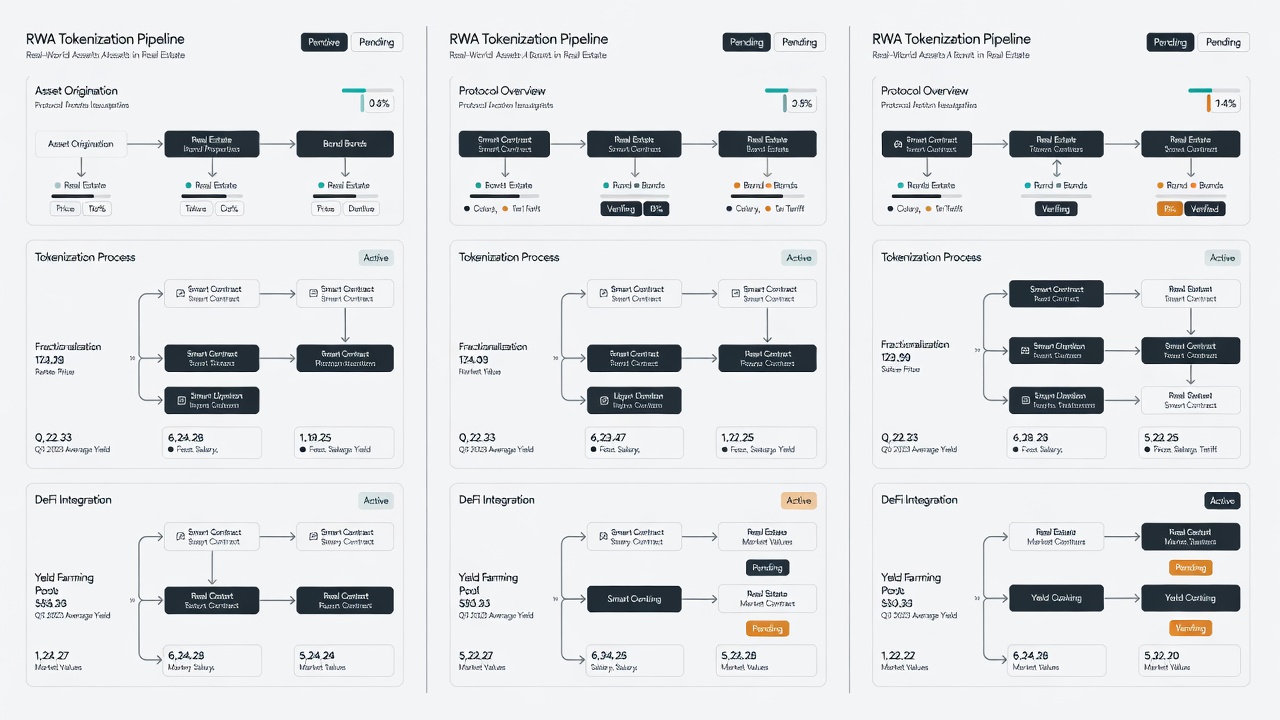
Intermediate users can employ allocation models such as a 40% real estate, 30% bonds, and 30% commodities split to balance risk and return. Step-by-step onboarding typically involves wallet setup with hardware security, KYC verification on the chosen protocol, asset selection via their marketplace, and minting tokens through wrapped stablecoins or direct deposits. Yield optimization often combines RWAs with DeFi primitives like providing liquidity to automated market makers or using them as collateral in lending protocols. Always monitor for smart contract risks and oracle dependencies.
Advanced tactics include leveraging tokenized bonds for basis trades against futures contracts or rotating exposure between protocols based on on-chain yield metrics. These strategies demand continuous monitoring through dashboards that track performance indicators and market sentiment.
Regulatory Considerations
Compliance remains critical. Jurisdictions vary in their treatment of tokenized securities, requiring platforms to implement robust identity verification. Investors should review guidelines from authorities such as the U.S. Securities and Exchange Commission to understand reporting obligations and accredited investor rules. Additional oversight from bodies focused on financial stability helps shape how protocols structure their offerings to remain accessible across borders.
Staying informed about updates in securities law ensures that portfolio decisions align with legal requirements, minimizing potential disruptions from enforcement actions or policy shifts.
Real-World Case Studies
One notable example involves a tokenized commercial real estate property on Centrifuge that delivered consistent quarterly distributions to token holders through automated rental collections. Another case from Ondo demonstrates how tokenized Treasuries provided stable yields during market volatility, outperforming volatile crypto assets in risk-adjusted returns. A third case study highlights a private credit pool on Maple Finance where institutional borrowers repaid loans ahead of schedule, resulting in bonus yields distributed proportionally to token holders via smart contracts.
These examples illustrate how RWAs can generate predictable cash flows while integrating seamlessly with DeFi ecosystems, offering lessons on due diligence and timing for entry and exit.
Risk Assessment Framework
- Smart contract vulnerabilities: Prioritize protocols with multiple independent audits and bug bounty programs to mitigate code-related risks.
- Liquidity risks: Assess secondary market depth before large positions, considering withdrawal queues during stress periods.
- Regulatory shifts: Monitor policy changes across key jurisdictions through official announcements and legal updates.
- Counterparty exposure: Evaluate underlying asset originators and custodians for creditworthiness and operational resilience.
- Oracle and data integrity issues: Verify reliance on accurate price feeds to prevent manipulation or inaccurate valuations.
Portfolio Allocation Examples
A sample intermediate portfolio might allocate 25% to tokenized real estate for income stability, 35% to bond RWAs for capital preservation, and 20% to private credit for higher yields, with the remainder in diversified DeFi positions. Rebalancing quarterly based on on-chain metrics helps maintain target exposures. Another allocation example focuses on geographic diversification, splitting real estate tokens across U.S., European, and emerging market properties to hedge against regional economic cycles.
Step-by-Step Onboarding Process
- Secure a non-custodial wallet and enable multi-factor authentication along with regular security reviews.
- Complete identity verification on the target protocol, ensuring all documentation meets current standards.
- Fund the wallet with supported stablecoins through reputable on-ramps while tracking transaction fees.
- Navigate the protocol dashboard to select and tokenize desired assets, reviewing terms and conditions carefully.
- Monitor positions via on-chain analytics dashboards and set alerts for key performance thresholds.
Yield Opportunities from Tokenized Assets
Tokenized real estate often generates yields from rental income streams, while bonds provide coupon payments that can be compounded through DeFi integrations. Investors explore opportunities by staking these tokens in yield aggregators or using them in structured products that amplify returns through leverage, always within defined risk parameters.
Common Mistakes to Avoid
Overlooking compliance documentation, underestimating liquidity constraints during market downturns, and failing to diversify across multiple protocols are frequent pitfalls. Conducting thorough research and maintaining a disciplined approach to position sizing helps avoid these errors.
FAQ
How does RWA tokenization address liquidity concerns?
Tokenization allows fractional shares to trade on secondary markets, reducing lock-up periods common in traditional assets and enabling faster entry and exit.
What compliance steps are typically required?
Most protocols mandate KYC/AML checks and may restrict access based on investor accreditation status to align with securities regulations.
Are yields from tokenized bonds competitive?
Yields vary with market conditions but often track underlying rates closely while adding DeFi composability benefits for enhanced returns.
How can investors manage counterparty risks in RWA pools?
Due diligence on originators, diversification across multiple pools, and monitoring credit metrics through protocol dashboards are effective approaches.
What role does interoperability play in 2026 RWA strategies?
Cross-chain bridges and standardized token formats allow seamless movement of RWAs between ecosystems, expanding access to varied yield sources.
Conclusion
RWA tokenization in 2026 presents powerful opportunities for DeFi investors ready to advance beyond simple strategies. By focusing on vetted protocols, disciplined risk frameworks, and regulatory awareness, users can build resilient portfolios with real-world backing that deliver both stability and growth potential.

No comments yet. Be the first!