 CryptoChain Blog
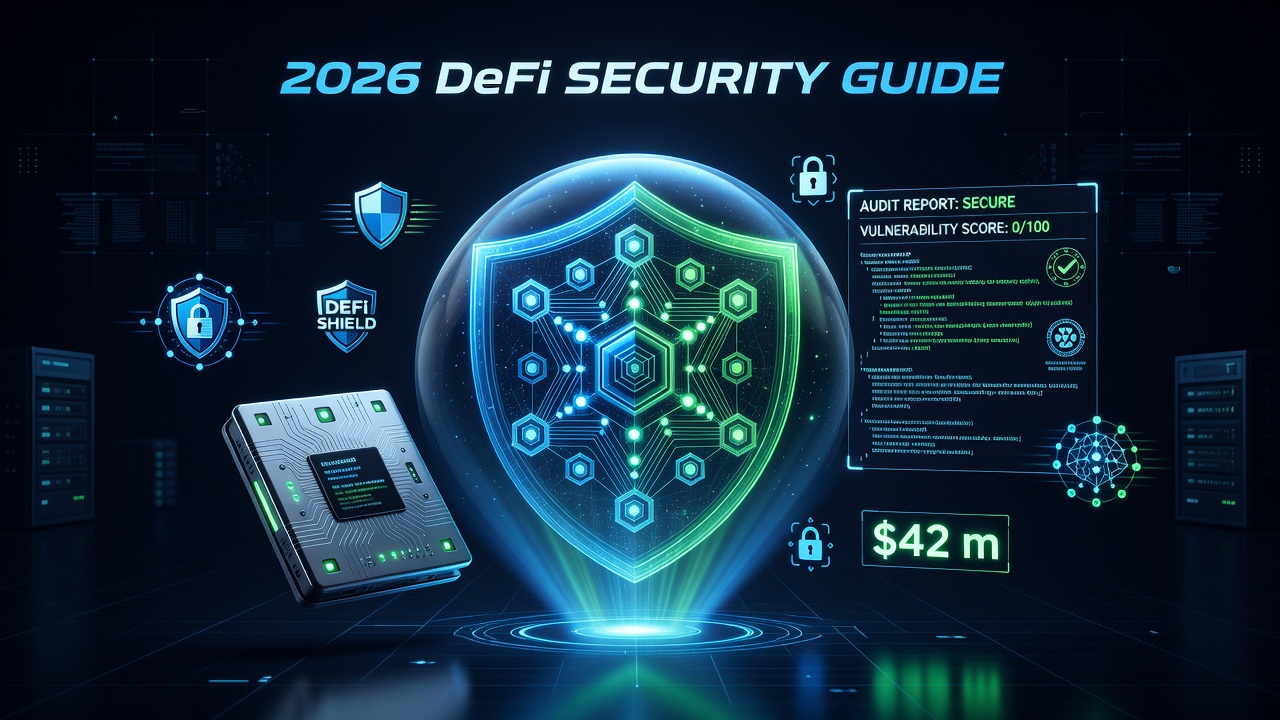
Introduction to DeFi Security in 2026
Decentralized finance has grown into a multi-trillion dollar ecosystem by mid-2026, yet it remains a prime target for sophisticated attackers. Users must adopt layered defenses that combine technical knowledge, rigorous due diligence, and ongoing vigilance. This guide delivers in-depth, actionable advice on recognizing smart contract weaknesses, interpreting professional audit findings, and protecting wallets across multiple attack surfaces. By following the frameworks outlined below, participants can significantly reduce their exposure while continuing to benefit from DeFi innovation.
Understanding Smart Contract Vulnerabilities
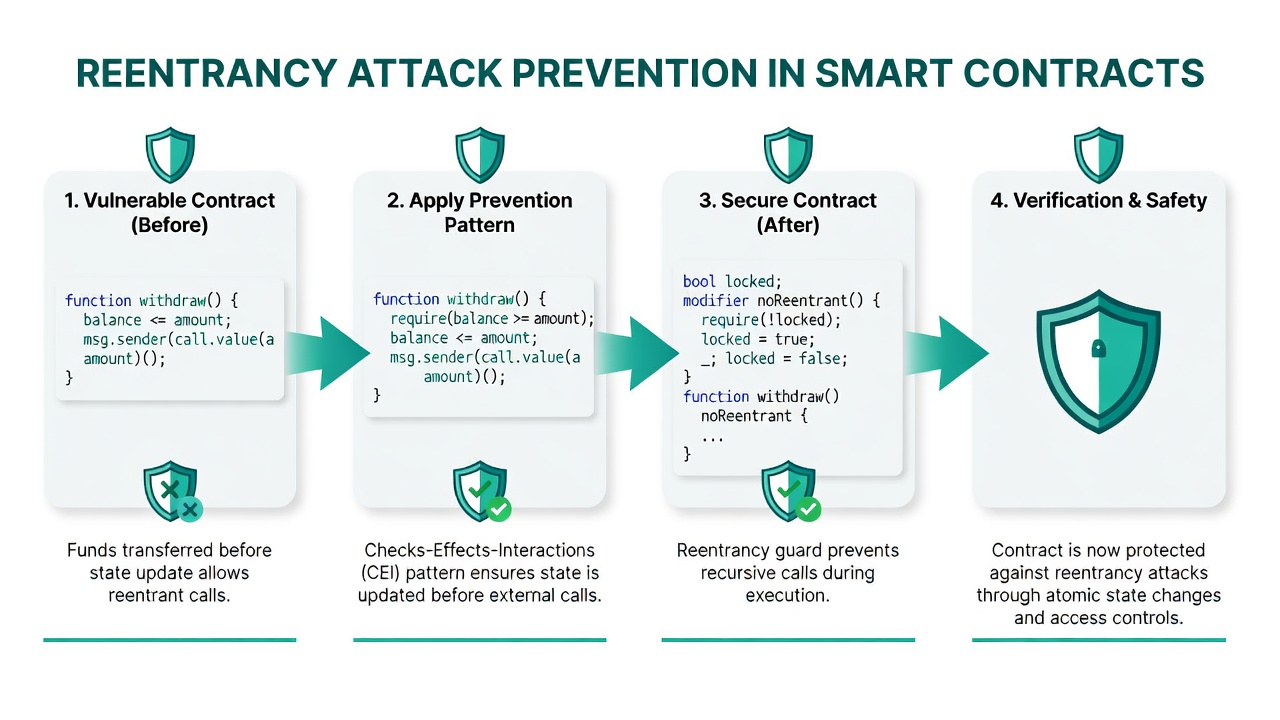
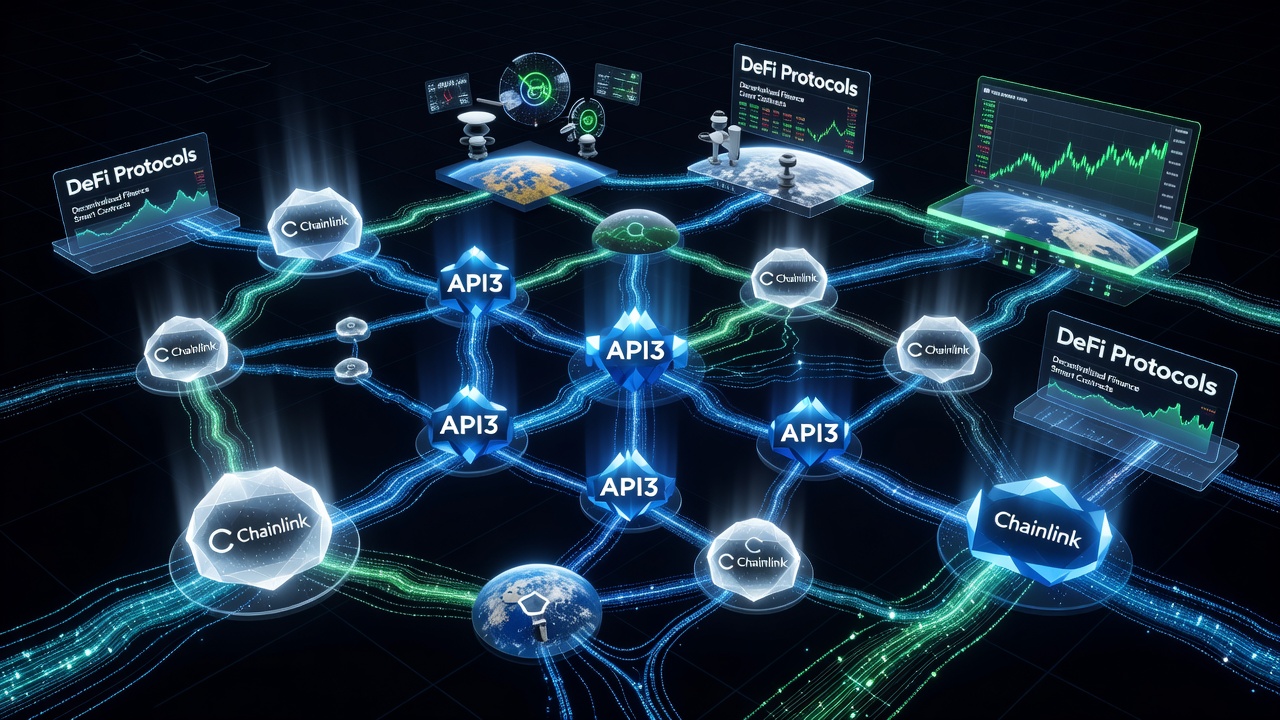
Smart contracts are immutable once deployed, making any flaw permanent until a new version is released. Reentrancy attacks occur when an external contract calls back into the victim contract before the original function finishes executing, allowing repeated withdrawals. Integer overflow and underflow issues arise in older Solidity versions, while modern code still faces risks from improper access control, unchecked external calls, and logic errors in reward distribution mechanisms. Oracle price manipulation remains prevalent when protocols rely on single data sources rather than aggregated feeds. Developers and users alike benefit from studying past incidents documented on public vulnerability databases to recognize patterns before they repeat.
Evaluating Audit Reports from Firms Like Certik
Professional audits provide an independent assessment of code quality and security posture. When reviewing reports from Certik, examine the scope section to confirm the audited commit hash matches the currently deployed contracts. Pay close attention to severity classifications, the number of high and critical findings, and whether each issue received a fix or mitigation. Multiple audits performed by different reputable firms increase confidence. Users should also verify that the audit covers dependencies, upgradeability patterns, and any privileged roles that could be exploited. A clean report does not guarantee safety, but the absence of recent audits or unresolved critical issues is a strong red flag.
Common Exploits and How to Avoid Them
Reentrancy continues to surface in lending and yield protocols that fail to follow the checks-effects-interactions pattern or implement proper mutex guards. Flash-loan-enabled attacks frequently combine with oracle manipulation to drain liquidity pools; always prefer decentralized oracle networks with multiple independent price sources. Front-running and sandwich attacks on automated market makers can be mitigated by routing trades through private mempools or using slippage controls combined with deadline parameters. Access-control bypasses often stem from misconfigured ownership or missing role-based permissions. Reviewing the contract's role hierarchy and timelock settings before depositing funds helps surface these weaknesses early.
Step-by-Step Pre-Interaction Security Checklist
- Verify the contract address on the official project website and cross-check it against at least two independent sources such as block explorers and governance forums.
- Read the most recent audit reports in full, noting any unresolved medium or high severity items and their remediation status.
- Inspect token allowance approvals using a dedicated dashboard and revoke any unnecessary or unlimited permissions.
- Simulate the intended transaction in a wallet that supports gas estimation and state-change previews before signing.
- Confirm the protocol maintains an active bug bounty program with meaningful rewards posted on platforms like Immunefi.
- Start with a test transaction of minimal value to observe on-chain behavior before committing larger amounts.
Implementing Multi-Layer Wallet Protection
Hardware wallets remain the gold standard for cold storage of DeFi positions. Connect devices such as Ledger or Trezor through WalletConnect sessions while keeping the private keys offline. For larger treasury positions, implement multi-signature wallets requiring two or more approvals for any transaction. Set granular spending limits on token approvals rather than granting unlimited allowances, and schedule monthly reviews to revoke stale permissions. Browser extension wallets should be paired with hardware signing for high-value interactions, and users should avoid storing seed phrases in cloud services or password managers that lack hardware-backed encryption.
Real-Time Monitoring with Forta
Continuous on-chain surveillance catches anomalies before they escalate into full exploits. Forta enables users to deploy or subscribe to detection bots that monitor for large transfers, unusual function calls, or sudden liquidity removals. Custom bots can be configured to watch specific protocols and send alerts via Discord, Telegram, or email. Integrating Forta into daily workflows allows rapid response, such as withdrawing funds or pausing interactions when suspicious patterns appear. Many established protocols now publish their own Forta bots, providing community-vetted detection rules.
Case Studies of 2025 Incidents and Lessons Learned
In early 2025, a major decentralized lending platform suffered a reentrancy exploit that drained approximately $42 million because an upgrade introduced a new external call without updating the existing mutex. The protocol had passed an audit six months earlier, but the audit scope excluded the upgraded module. Another incident involved an oracle manipulation attack on a synthetic asset protocol that relied on a single centralized price feed; attackers used a flash loan to distort the price and liquidate undercollateralized positions. The key lesson from both events is the necessity of auditing every upgrade and maintaining diverse oracle sources. A third case highlighted compromised admin keys on a yield aggregator, underscoring the importance of multi-signature governance and timelocks with sufficient delay periods.
Comparison of Security Tools
| Tool | Primary Use | Strengths | Limitations |
|---|---|---|---|
| Certik | Audits & monitoring | AI-assisted scanning, detailed remediation guidance, large team of experts | Turnaround time varies with project complexity |
| Forta | Real-time detection | Customizable bots, community-driven detection rules, low latency alerts | Requires initial configuration for bespoke monitoring |
| Hardware Wallets | Key management | Air-gapped signing, phishing resistance, broad dApp compatibility | Less convenient for high-frequency trading |
| OpenZeppelin Defender | Admin & automation | Timelock management, automated actions, secure key storage | Primarily for protocol operators rather than end users |
Additional Best Practices for dApp Interactions
Always interact with dApps through official front-ends rather than third-party interfaces that may inject malicious code. Use separate wallets for different risk profiles, keeping high-value holdings in hardware-protected addresses while maintaining smaller hot wallets for experimentation. Enable transaction simulation features available in wallets such as Rabby or Zerion to preview exact state changes. Participate in governance discussions to stay informed about upcoming upgrades that could alter security assumptions. Finally, maintain offline backups of seed phrases and never share them, even with purported support representatives.
FAQ: Addressing Beginner Concerns
What are transaction signing risks?
Signing a transaction can grant token spending permissions or execute arbitrary contract logic. Malicious dApps may request unlimited approvals; always review the exact calldata and permission scope before confirming.
How often should I review token allowances?
Conduct a full allowance audit at least once per month and immediately after any large interaction or protocol upgrade.
Are audits a guarantee of safety?
Audits substantially reduce risk but cannot eliminate it entirely. Combine audit reviews with monitoring tools, conservative position sizing, and ongoing education.
Should I use a hardware wallet for every DeFi interaction?
Hardware wallets provide the strongest protection for holdings above a few thousand dollars. For smaller experimental positions, a well-configured software wallet with strict approval hygiene can suffice.
What should I do if I suspect an exploit is underway?
Immediately pause new deposits, monitor Forta or similar alerts, and consider withdrawing funds if the protocol has not issued an official response within a reasonable timeframe.
Conclusion
DeFi security in 2026 demands a proactive, multi-layered strategy that integrates thorough audit evaluation, exploit pattern recognition, hardware-backed wallet architecture, and real-time monitoring. By internalizing the checklists, case studies, and tool comparisons presented in this guide, users can navigate decentralized finance with substantially lower risk while continuing to participate in its growth opportunities.

No comments yet. Be the first!