 CryptoChain Blog

Introduction to DeFi for Independent Creators
In 2026, content creators face growing challenges with centralized platforms that take significant cuts from earnings and control audience data. Decentralized finance offers a powerful alternative by enabling direct monetization through blockchain-based tools. Creators can issue tokens, form DAOs, and create yield-bearing NFTs to build sustainable revenue streams from fans without intermediaries. This comprehensive guide explores practical strategies from wallet fundamentals to advanced liquidity management, providing step-by-step examples tailored for beginner-to-intermediate users seeking independent monetization.
DeFi empowers creators to own their economic relationships. By leveraging smart contracts on networks like Ethereum, individuals can gate exclusive content, distribute governance rights, and generate passive income. The search intent behind these strategies focuses on actionable advice rather than theory, so this article emphasizes real-world implementation details, platform comparisons, and risk mitigation.
Setting Up Your Crypto Wallet for DeFi
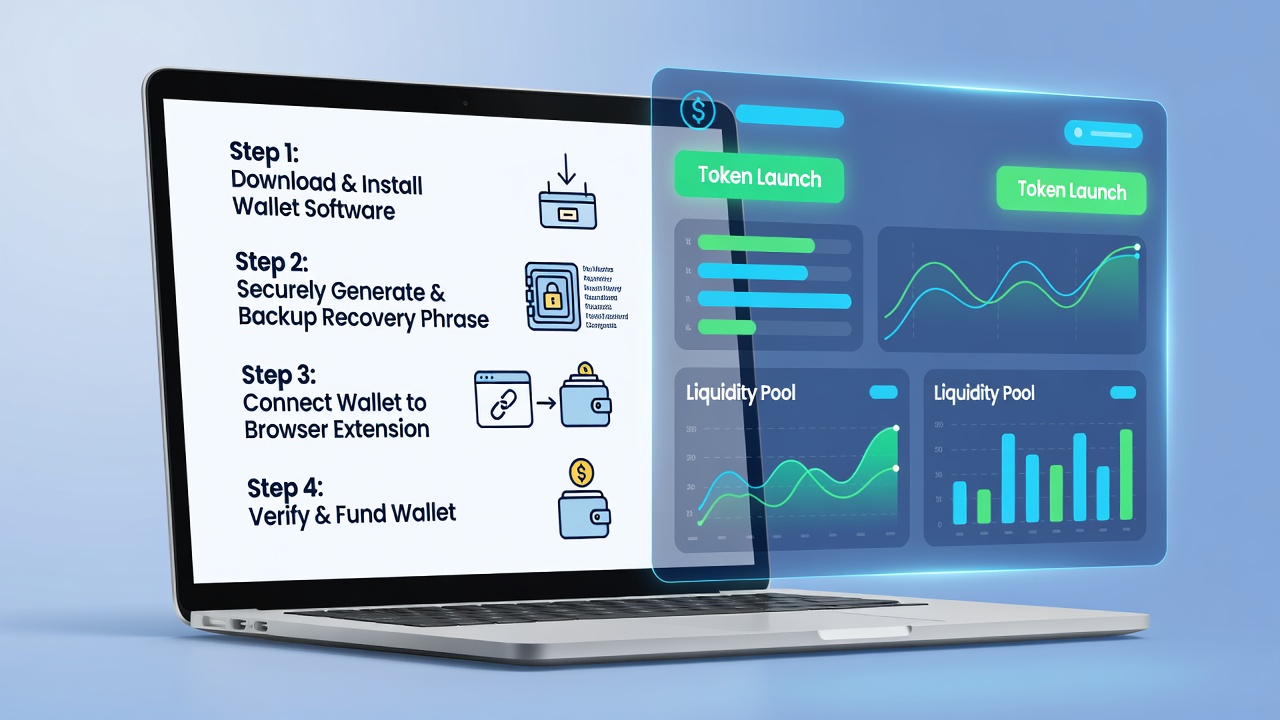
Every DeFi journey begins with a secure wallet. Non-custodial options such as MetaMask or Rabby Wallet allow full control over private keys. Download the browser extension from official sources, create a new wallet, and back up the seed phrase on paper stored in a safe location. Avoid storing it digitally or sharing it with anyone.
Connect to cost-effective Layer-2 networks like Base or Arbitrum to minimize transaction fees. Enable hardware wallet support for larger holdings. Practice by sending small test transactions to understand gas limits and confirmation times. Security best practices include using unique passwords, enabling two-factor authentication where available, and regularly reviewing connected dApps to revoke permissions. This foundational step prevents common pitfalls like lost funds or unauthorized access.
Token-Gated Access for Exclusive Content
Token-gated communities let creators restrict access to premium material behind ownership of a specific token. Fans buy the token to unlock private Discord channels, video libraries, or live Q&A sessions. This model creates recurring revenue through initial sales and ongoing royalties on secondary markets.
Implementation typically involves smart contracts that verify token balances in real time. For example, a podcaster might issue a token granting early episode access. Benefits include higher fan engagement and predictable income. Compare setups using bots versus dedicated platforms for scalability and user experience.
Building Creator-Owned DAOs
Decentralized autonomous organizations transform fans into stakeholders. Creators mint governance tokens that allow community voting on content decisions, merchandise drops, or treasury allocations. Setup begins with treasury management via multisig wallets, followed by proposal systems for transparent decision-making.
Real-world examples include music collectives where token holders vote on album themes. Tools simplify deployment while maintaining on-chain transparency. This approach fosters loyalty and distributes ownership beyond the creator alone.
Yield-Generating NFTs as Revenue Streams
NFTs extend beyond static art when integrated with DeFi protocols. Creators can mint limited-edition pieces programmed to earn yield through staking or lending mechanisms. Holders stake the NFT in compatible pools, and a portion of generated returns flows back to the creator via royalty structures.
This creates dual value: collectors gain passive income while supporting the artist. Implementation requires understanding compatible standards and choosing protocols with strong security track records.
Platform Comparisons: Friend.tech Alternatives in 2026
Friend.tech popularized social token trading but inspired numerous competitors. Current alternatives include decentralized social graphs on Lens Protocol for composable profiles and various forks emphasizing real-time trading. Evaluate platforms by user adoption, fee models, and integration ease with existing social accounts. Lens offers flexibility for custom experiences, while others prioritize low-friction token launches. Review each option's smart contract audits and community support before committing.
Step-by-Step: Launching a Creator Token
- Select a blockchain network and prepare a wallet with native tokens for gas.
- Use verified contract templates to deploy an ERC-20 token with defined supply and metadata.
- Allocate percentages for liquidity provision, community airdrops, and long-term vesting.
- Establish a liquidity pool on a decentralized exchange to enable trading.
- Configure royalty percentages for secondary sales to ensure ongoing earnings.
- Promote via social media and distribute initial tokens to early supporters.
- Monitor on-chain activity and adjust based on trading volume and engagement data.
Managing Liquidity Pools Effectively
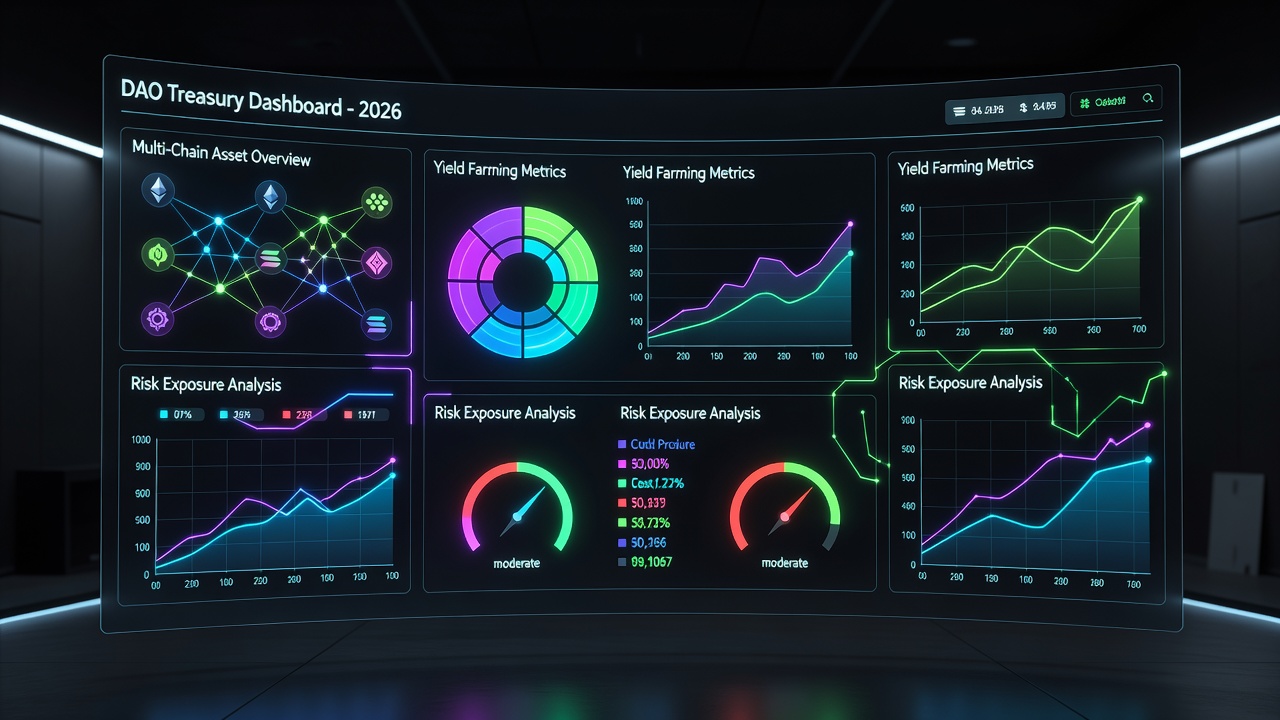
Liquidity pools power token trading but introduce risks like impermanent loss when asset prices diverge. Use automated market makers and consider concentrated liquidity features for improved efficiency. Regularly review pool analytics, rebalance positions, and maintain reserves to handle volatility. Successful management involves tracking metrics such as volume and fee accrual while avoiding overexposure to single assets.
Integration with Social Tokens and Scaling Tips
Combine creator tokens with broader social ecosystems by embedding wallet logins on websites or apps. Begin with simple gated posts before expanding to full DAO structures. Scale by analyzing on-chain data to refine offerings and reward active community members. Focus on consistent value delivery to sustain long-term growth.
Common Mistakes to Avoid
- Neglecting security audits for custom contracts.
- Over-allocating tokens to the creator without vesting schedules.
- Ignoring regulatory differences across jurisdictions.
- Failing to communicate clearly with the community about token utility.
Regulatory Considerations and Risks
DeFi activities carry risks including smart contract vulnerabilities, market volatility, and evolving regulations. Always disclose token mechanics transparently and consult legal experts familiar with digital assets. Diversify strategies and maintain records for tax compliance.
FAQ
What are the main risks of launching a creator token?
Primary risks include smart contract exploits, liquidity issues, and regulatory uncertainty. Mitigate by using audited contracts and starting with small experiments.
How do regulations affect DeFi monetization in 2026?
Rules vary by region; focus on transparency and avoid promising returns to stay compliant. Monitor official guidance from financial authorities.
What scaling tips help grow a creator DAO?
Start with clear governance proposals, reward participation, and integrate feedback loops. Use analytics to identify engaged members and expand offerings gradually.
Conclusion
DeFi strategies provide creators with direct, intermediary-free monetization paths through tokens, DAOs, and yield assets. By following structured wallet setup, thoughtful token launches, and careful liquidity management, creators can build resilient revenue models. Begin with foundational steps, learn from community examples, and prioritize security and transparency for sustainable success in the evolving 2026 landscape.

No comments yet. Be the first!