 CryptoChain Blog
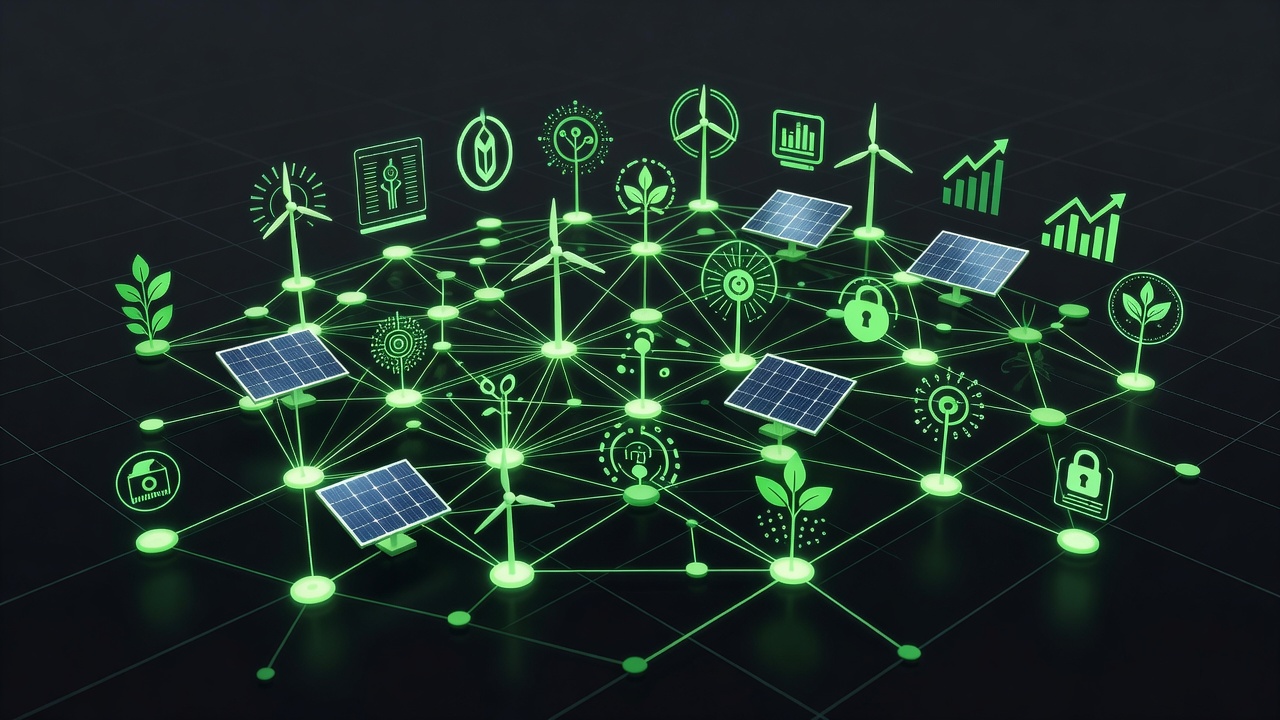
Introduction to Sustainable DeFi in 2026
Decentralized finance is undergoing a significant shift toward environmental accountability as investors increasingly prioritize ESG-aligned opportunities. In 2026, users seeking responsible yield farming are turning to carbon-negative protocols that balance competitive returns with measurable ecological benefits. This comprehensive guide examines sustainable yield strategies, covering platform selection, carbon footprint management, vault implementation, and cross-chain impact analysis to help participants make informed decisions in the evolving DeFi landscape.
Understanding ESG Principles in Decentralized Finance
Environmental, Social, and Governance criteria have become essential filters for DeFi participants who want their investments to reflect broader sustainability goals. Environmental considerations focus on reducing energy consumption from blockchain operations, while governance involves transparent decision-making around offset programs. Social aspects include community-driven initiatives that support reforestation or renewable energy projects. By integrating these principles, protocols can attract long-term capital from institutions and retail users alike who demand accountability beyond simple APY figures.
Top Green DeFi Platforms for 2026
Several leading protocols have embedded sustainability into their architectures through partnerships with verified carbon registries and energy-efficient consensus mechanisms. Platforms operating on proof-of-stake networks often integrate automated offset purchases that retire credits in real time. Notable examples include projects on Ethereum that leverage layer-2 scaling solutions to minimize transaction energy use while maintaining high liquidity pools. Other chains emphasize native tokenomics that reward users for participating in green vaults. When evaluating these platforms, users should examine published sustainability whitepapers and third-party verification reports to confirm claims about net-negative emissions. Integration with oracle networks also enables dynamic tracking of environmental impact alongside financial performance metrics.
Ethereum Foundation resources offer detailed documentation on energy-efficient upgrades that underpin many green DeFi implementations.
Measuring and Offsetting On-Chain Carbon Footprints
Accurate carbon accounting begins with transaction-level analysis tools that estimate energy consumption based on consensus type and network activity. Users can input wallet addresses into analytics dashboards to generate emission reports measured in kilograms of CO2 equivalent. Once calculated, offsetting involves purchasing credits from certified providers and retiring them on-chain through transparent smart contracts. This process ensures that yield-generating activities do not contribute to net positive emissions. Advanced protocols now embed automated calculators within their interfaces, allowing seamless conversion of farming rewards into equivalent offset volumes. Regular audits by independent bodies further validate these measurements and build user confidence in the reported impact data.

Step-by-Step Setup for Eco-Friendly Vaults
Setting up a sustainable vault requires careful preparation to align financial goals with environmental standards. Begin by reviewing protocol documentation for explicit carbon offset commitments and governance proposals. Next, select a compatible non-custodial wallet and ensure it supports the target chain. Connect to the platform interface and navigate to the green vault section, where users can review current impact dashboards before depositing. Verify that the vault smart contract has undergone recent security audits and that offset transactions are publicly verifiable on explorers. Deposit assets gradually to monitor gas fees and emission estimates, then activate any automated rebalancing features that prioritize low-carbon routes. Finally, set calendar reminders to review performance quarterly and adjust allocations based on updated sustainability reports.
Comparing Impact Metrics Across Chains
Different blockchain networks exhibit wide variations in energy profiles and offset efficacy. Proof-of-stake chains generally require far less electricity per transaction than older proof-of-work systems, often achieving over 99 percent reductions in emissions. Sidechains and layer-2 solutions further enhance efficiency by batching transactions and incorporating renewable energy attestations. For instance, networks with integrated reforestation funding can report net-negative status when credit retirements exceed operational footprints. Comparative analysis should include metrics such as emissions per dollar of TVL, offset retirement frequency, and community voting participation on green proposals. These comparisons help users select chains that deliver both yield and verifiable ecological additionality.
Real-World Examples of Sustainable APY Calculations
Consider a hypothetical green vault on a carbon-negative protocol that generates base yields through liquidity provision. After accounting for offset purchases, the net APY remains attractive because efficiency optimizations reduce overall costs. In one scenario, a user allocating stablecoin liquidity might observe gross returns tempered only modestly by periodic credit acquisitions, resulting in competitive net performance versus conventional finance products. Another example involves cross-chain farming where lower-emission networks allow higher allocation percentages without increasing environmental impact. These calculations underscore that sustainability measures can coexist with strong financial outcomes when protocols optimize both yield sources and offset mechanisms.
Checklist for Verifying Protocol Green Claims
- Examine third-party audits specifically addressing carbon accounting methodologies and data sources.
- Confirm active, long-term partnerships with internationally recognized offset registries through on-chain proofs.
- Review public dashboards that display real-time emission data and retirement certificates.
- Assess governance activity to ensure sustainability proposals receive consistent community support.
- Track historical alignment between stated environmental targets and actual reported outcomes over multiple quarters.
- Evaluate transparency around any residual emissions that remain after offset activities.
Risks and Mitigation Strategies in Green DeFi
While sustainable protocols offer compelling benefits, participants must navigate risks such as greenwashing, smart contract vulnerabilities, and fluctuating offset market prices. Mitigation begins with diversified allocations across multiple verified platforms rather than concentrating in a single vault. Users should also maintain awareness of regulatory developments affecting carbon credit standards and blockchain operations. Regular portfolio reviews combined with alerts from impact dashboards help identify deviations from expected environmental performance early. Education on emerging tools for automated verification further reduces exposure to misleading claims.
FAQ: Yield Trade-Offs Versus Environmental Benefits
Does participating in green DeFi significantly reduce yields?
Many protocols maintain competitive net returns by leveraging efficiency gains and optimized offset integration rather than accepting lower base yields.
How reliable are on-chain carbon offsets?
Offsets sourced from verified registries and retired transparently provide measurable environmental impact when protocols publish accessible retirement records.
What recent 2026 updates enhance sustainable farming?
Automated offset modules and improved cross-chain impact trackers have made participation more accessible while strengthening verification processes.
Are there liquidity concerns with eco-focused vaults?
Leading green platforms prioritize deep liquidity pools to ensure users can enter and exit positions efficiently without compromising sustainability metrics.
DeFiLlama provides protocol metrics that now include sustainability filters for easier comparison.
Conclusion
Embracing green yield strategies enables investors to pursue financial growth while contributing to verifiable environmental progress. Through diligent platform evaluation, precise carbon management, and ongoing monitoring, participants can achieve balanced outcomes that align with both profit objectives and sustainability commitments throughout 2026 and future cycles.


No comments yet. Be the first!