 CryptoChain Blog
Introduction to Synthetic Assets in DeFi
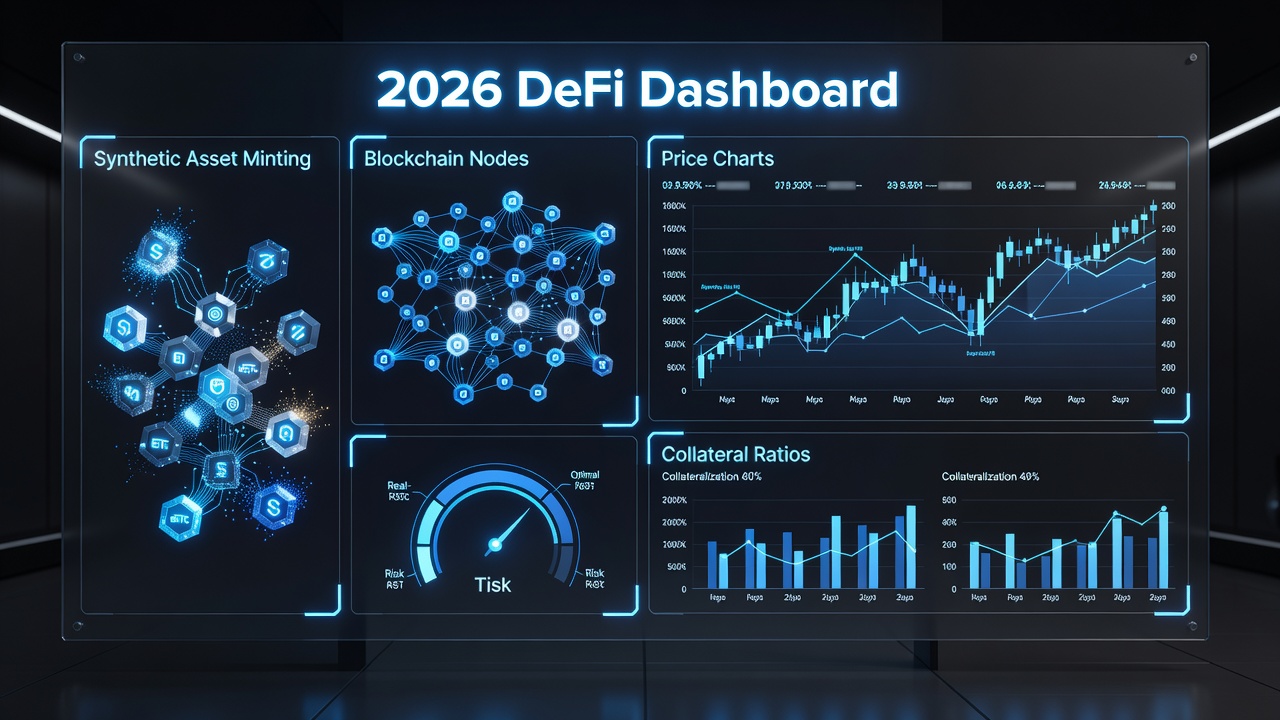
Synthetic assets allow traders to gain exposure to stocks, commodities, currencies, and cryptocurrencies without owning the underlying tokens. In decentralized finance, these derivatives are created and traded on-chain, providing 24/7 access and global liquidity. This guide examines core mechanics, practical minting workflows, leverage strategies, and hedging techniques relevant for 2026 users seeking advanced diversification. Synthetic assets bridge traditional markets with blockchain efficiency, enabling users to speculate on price movements or hedge real-world holdings through decentralized protocols.
Protocols like Synthetix pioneered the model using over-collateralization and decentralized oracles. Newer platforms are building on these foundations with improved capital efficiency and cross-chain capabilities. By understanding how these systems function, users can implement sophisticated strategies that were previously limited to institutional traders on centralized exchanges.
Core Mechanics: Over-Collateralization and Oracle Integration
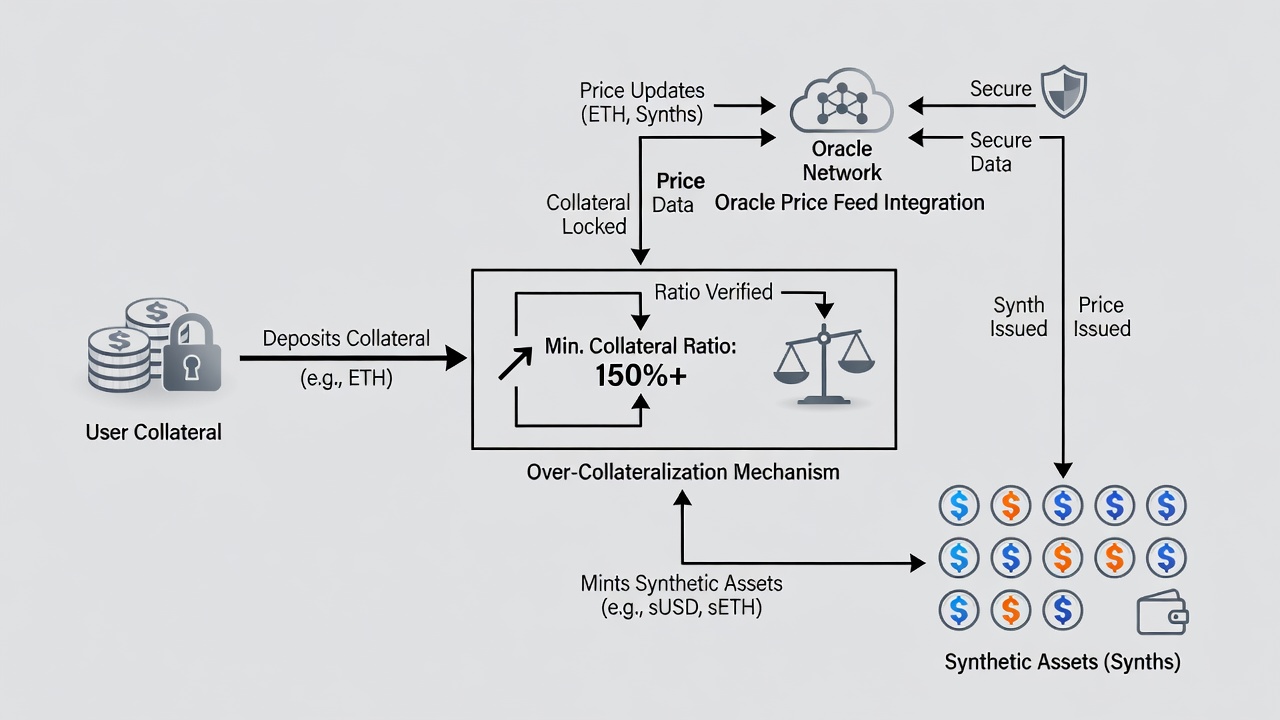
Synthetic assets are minted by locking collateral, typically in stablecoins or native tokens, at ratios often exceeding 150%. This over-collateralization protects the system from volatility. Price feeds from oracles ensure accurate tracking of underlying assets, preventing discrepancies that could lead to systemic issues. The collateral acts as a buffer, absorbing price swings while maintaining the synthetic token's peg to its target asset.
Decentralized oracles aggregate data from multiple sources to deliver reliable prices. Users benefit from transparent, tamper-resistant feeds that update frequently. Learn more about decentralized oracle networks at Chainlink. Ethereum’s base layer provides the settlement guarantees for most synthetic protocols; see ethereum.org for technical details. Additional protocol information is available at synthetix.io.
Step-by-Step Minting Process on Synthetix
Minting synthetics requires careful preparation to maintain healthy collateral ratios. Follow these detailed steps for a secure process:
- Connect a compatible wallet to the Synthetix dApp and ensure sufficient SNX tokens or other approved collateral are available.
- Stake the collateral into the protocol’s staking pool, which locks the assets and generates staking rewards over time.
- Select the target synthetic asset such as sUSD for stable exposure, sBTC for Bitcoin correlation, or equity synthetics like sAAPL.
- Calculate and input the mint amount while verifying the resulting collateralization ratio remains above the minimum threshold to avoid immediate warnings.
- Review gas fees and network conditions before confirming the transaction on-chain.
- Monitor the position dashboard regularly for debt accumulation and ratio fluctuations caused by market movements.
Emerging 2026 platforms streamline this flow with one-click interfaces and automated ratio management tools that alert users before ratios approach dangerous levels.
Leverage Techniques and Trading Strategies
Traders apply leverage by minting multiple synthetics against the same collateral pool. This amplifies both gains and losses. Common approaches include directional bets on equities or commodities via synthetic mirrors, arbitrage between on-chain synthetic prices and centralized exchange quotes, and yield farming by providing liquidity in synthetic pairs on decentralized exchanges. Position sizing should always account for current volatility levels and personal risk tolerance. Advanced users combine leverage with limit orders on secondary markets to lock in profits during favorable price swings.
Cross-Protocol Hedging Examples
A portfolio holding spot ETH can hedge downside risk by minting a short synthetic ETH position on Synthetix and pairing it with options on another protocol. This creates a delta-neutral stance while earning staking rewards on the original collateral. Another example involves an investor long synthetic gold who offsets inflation exposure by shorting a basket of synthetic equities, balancing macroeconomic views without transferring physical assets. Cross-protocol strategies often involve bridging assets between networks for optimal liquidity and fee structures.
Emerging 2026 Platforms and Innovations
Beyond established players, 2026 has seen new entrants offering enhanced features such as multi-chain minting and lower collateral requirements through advanced risk models. These platforms integrate with existing DeFi ecosystems to provide seamless transfers of synthetic positions. Users should evaluate each platform’s security audits, oracle dependencies, and community governance before committing capital.
Risk Comparison: Synthetics vs Spot Trading
Spot trading requires full capital outlay and custody risk. Synthetics reduce capital requirements but introduce liquidation risk, oracle failure risk, and smart-contract risk. Diversified users often allocate 30-40% of portfolio exposure to synthetics for enhanced flexibility. Additional considerations include impermanent loss when providing liquidity and governance token volatility affecting protocol incentives.
Portfolio Case Study and Yield Calculations
Consider a balanced portfolio that allocates a portion to SNX collateral. Minting synthetic assets against this base generates additional yield from trading fees and staking rewards. Rebalancing every 30 days based on oracle price updates maintains target exposure while capturing DeFi-native returns. Track performance by comparing total portfolio value against benchmark indices, adjusting allocations when synthetic positions outperform or underperform spot holdings. This approach demonstrates how synthetics can enhance overall returns through efficient capital deployment without requiring constant asset transfers.
Common Mistakes to Avoid
New users frequently overlook ratio monitoring, leading to unexpected liquidations during sharp market moves. Another pitfall is ignoring gas fee optimization, which erodes small-position profitability. Always test strategies on testnets first and maintain diversified collateral types to reduce single-asset concentration risk.
FAQ: Liquidations and Regulatory Considerations
What triggers liquidation?
When the collateralization ratio falls below the protocol minimum due to price drops or accrued debt, positions are partially or fully liquidated by the network to restore system health.
How do regulations affect synthetic asset users?
Jurisdictions increasingly classify synthetic derivatives as financial instruments. Users should consult local compliance resources and consider self-custody best practices. Official guidance can be reviewed on government financial regulator sites.
Are there insurance options for synthetic positions?
Some protocols offer optional coverage through decentralized insurance markets, though coverage terms vary and require separate premiums paid in native tokens.
Conclusion
Synthetic assets remain a powerful tool for diversified DeFi strategies in 2026. By mastering minting mechanics, leverage management, and hedging tactics, users can achieve efficient exposure while navigating associated risks. Continuous monitoring of oracle reliability and collateral health is essential for long-term success in this evolving space.


No comments yet. Be the first!