 CryptoChain Blog
Introduction to NFT-Fi in 2026
NFT-Fi merges non-fungible tokens with decentralized finance, allowing holders to unlock liquidity from digital assets without selling them. In 2026, this approach helps users generate passive income through collateralized loans and liquidity strategies across multiple blockchains. Intermediate DeFi participants benefit most, as the space moves beyond basic token staking into advanced NFT-backed positions. This guide covers protocols, setup processes, risk management, and real-world examples to help you build sustainable strategies.
The core appeal lies in retaining ownership while accessing capital. Whether you hold rare digital art, gaming items, or collectibles, NFT-Fi turns these into productive assets. Market growth in 2026 has expanded options on Ethereum, Layer-2 networks, and emerging chains, creating more opportunities for yield without liquidation pressure if managed correctly.
Core Concepts: Collateralizing NFTs for Loans
Users deposit NFTs into lending protocols to borrow stablecoins or other assets. The NFT serves as security, with loan-to-value ratios typically ranging from 30% to 60% depending on asset rarity and market conditions. Repayment returns the NFT; default triggers liquidation via auctions. This mechanism mirrors traditional collateralized lending but operates entirely on-chain with smart contracts handling enforcement.
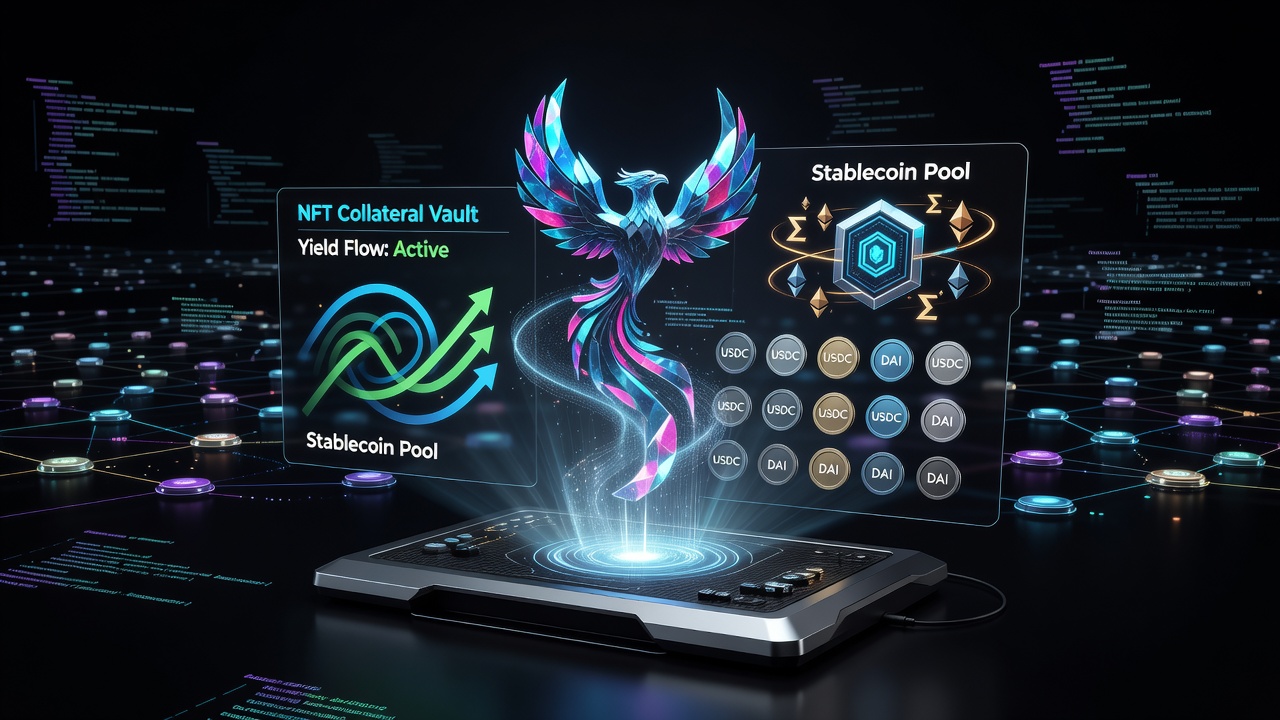
Popular chains include Ethereum and newer Layer-2 networks for lower fees. Combining NFT collateral with stablecoin strategies adds stability by hedging against volatility. For instance, borrowing USDC against a high-value NFT and then providing that USDC as liquidity in a stablecoin pool can create dual yield streams while reducing exposure to NFT price swings.
Top Protocols: NFTfi and BendDAO
NFTfi operates a peer-to-peer lending marketplace focused on blue-chip collections. Lenders set terms directly with borrowers. BendDAO offers pool-based lending with instant liquidity for verified NFT collections. Both platforms support major assets like CryptoPunks and Bored Ape Yacht Club derivatives. Yield comparisons show NFTfi often providing higher rates for illiquid items, while BendDAO excels in speed for liquid collections.
Additional protocols worth exploring include specialized marketplaces that integrate with cross-chain bridges, allowing users to move collateral between networks efficiently. Always compare current utilization rates and historical default data before committing large positions.
Step-by-Step Setup on NFTfi
- Connect wallet to the NFTfi platform using an Ethereum-compatible browser extension.
- Approve the NFT collection for deposit after verifying the contract address.
- Select an NFT and create a loan listing with desired borrow amount and interest rate.
- Wait for lender matching or accept direct offers from the marketplace.
- Borrow funds and monitor repayment deadlines through the dashboard.
- Repay principal plus interest before expiry to retrieve your NFT automatically.
Always verify contract addresses on ethereum.org before approving transactions.
Step-by-Step Setup on BendDAO
BendDAO provides a more automated experience. Begin by connecting your wallet, selecting an eligible collection from the supported list, and depositing your NFT into the lending pool. The platform instantly calculates available borrow amounts based on current floor prices and utilization. Withdraw borrowed stablecoins to your wallet and track health factors to avoid liquidation thresholds. Repayment is flexible, with interest accruing continuously until settled.
Fractionalization Techniques for Broader Access
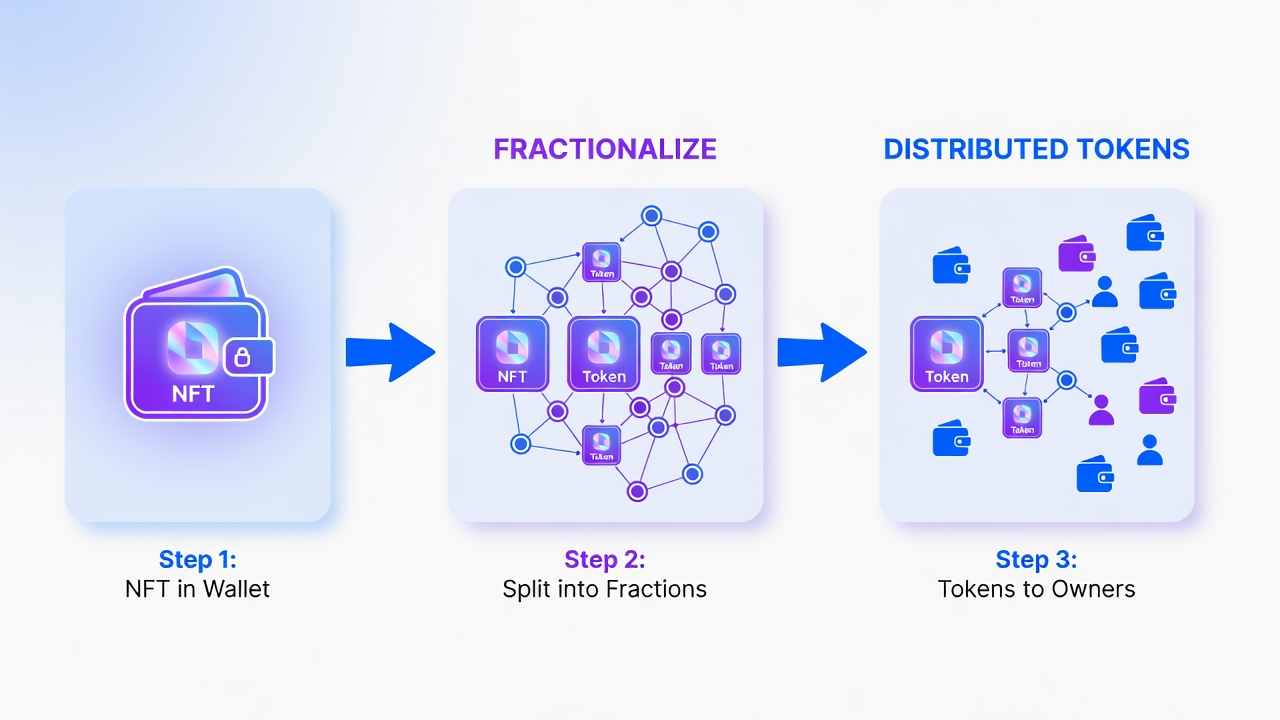
Fractionalization splits high-value NFTs into ERC-20 tokens, enabling partial ownership and collateral use. Protocols like Fractional.art allow users to tokenize an NFT, then use fractions as DeFi collateral on lending markets. This technique lowers entry barriers and improves liquidity. Example: A user fractionalizes a rare NFT, sells 40% of shares for stablecoins, and uses remaining shares for borrowing on BendDAO to create leveraged yield positions.
Advanced users combine fractional shares with options strategies or automated market makers for additional income layers. Always review the underlying smart contract permissions and redemption mechanics before fractionalizing valuable assets.
Auction Mechanics and Liquidation Risks
Defaulted loans enter Dutch-style auctions where bidders compete for the NFT at decreasing prices. Borrowers can often repay before auction end to reclaim assets. Risks include oracle failures, sudden floor price drops, and smart contract vulnerabilities. Always maintain healthy over-collateralization and diversify across protocols and collections to mitigate single-asset exposure.
Real-World Examples of Profitable Positions
Consider an investor who collateralized a mid-tier NFT collection on NFTfi, borrowed stablecoins at 8% interest, and redeployed those funds into a high-yield stablecoin strategy earning 15% net. Over six months this created positive carry while retaining the original NFT. Another case involved fractionalizing a blue-chip piece and using portions across two chains to capture differing lending rates, netting additional returns after gas costs.
Yield Comparisons Across Chains
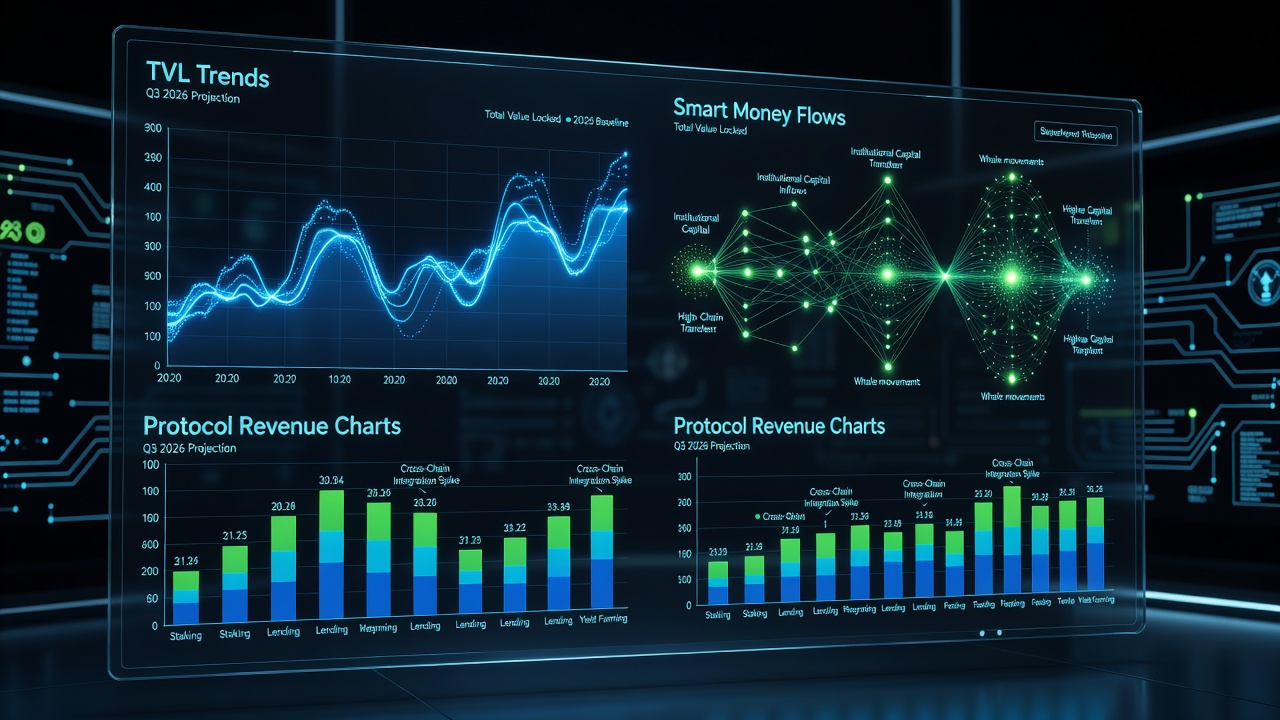
Ethereum remains dominant but faces high gas costs. Layer-2 solutions and alternative chains offer better net yields after fees. Users should track real-time data on platforms like DefiLlama for current opportunities and adjust positions quarterly based on network congestion and protocol incentives.
Common Pitfalls and How to Avoid Them
- Over-leveraging without monitoring market floors or health factors.
- Ignoring smart contract audits and recent security incidents.
- Neglecting tax reporting on interest earned and liquidation events.
- Using unverified collections with low liquidity that amplify liquidation risk.
- Failing to set up alerts for price movements that could trigger margin calls.
Regulatory Considerations and Tax Implications
FAQ
Q: Are NFT collateral loans regulated in most jurisdictions?
A: Regulations vary widely. In the US and EU, NFT activities may fall under securities or commodities rules. Consult local authorities and stay updated on evolving frameworks.
Q: How are interest earnings from NFT loans taxed?
A: Interest is typically treated as ordinary income. Liquidation events can trigger capital gains or losses. Track all transactions with tools compliant to guidelines from irs.gov.
Q: What happens if a protocol faces regulatory action?
A: Assets may become temporarily inaccessible. Diversify holdings and stay informed via official sources such as sec.gov.
Conclusion
NFT-Fi offers powerful tools for 2026 DeFi strategies. By mastering collateralization, fractionalization, and risk controls, users can generate sustainable yield while retaining asset ownership. Start small, verify every step, and monitor evolving regulations for long-term success.
No comments yet. Be the first!