 CryptoChain Blog
Introduction to ERC-4337 in DeFi 2026
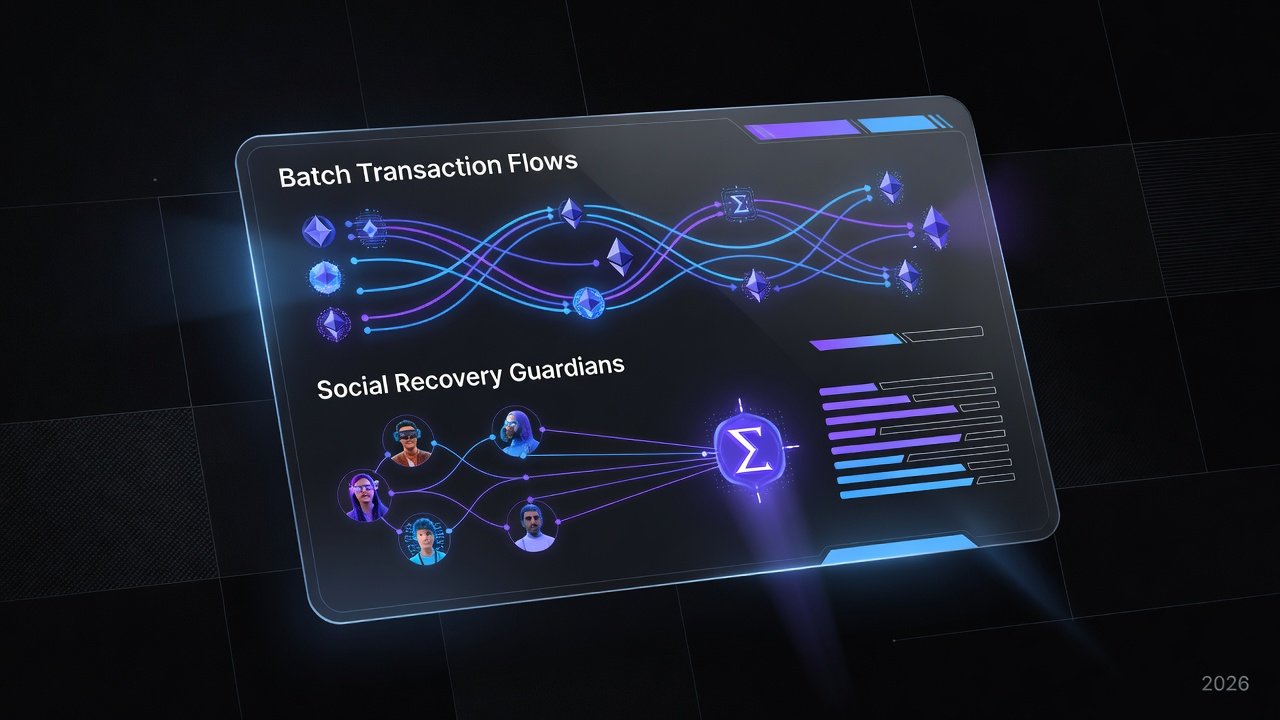
Account abstraction via ERC-4337 has transformed how advanced DeFi users manage assets in 2026. Smart contract wallets now deliver gasless transactions, atomic batch operations, and programmable security features that traditional externally owned accounts (EOAs) cannot match. This guide explores practical implementations for yield farmers and liquidity providers seeking safer, more efficient strategies. As DeFi protocols evolve, users face increasing complexity in managing approvals, swaps, and recoveries across multiple chains. ERC-4337 addresses these pain points by allowing wallets to act as programmable smart contracts rather than simple key pairs.
Understanding ERC-4337 Account Abstraction
ERC-4337 introduces a standard for account abstraction on Ethereum without requiring changes to the core protocol. It uses UserOperations, bundlers, and paymasters to separate transaction validation from execution. This enables features like gas sponsorship and multi-step actions in one atomic transaction. For DeFi users, this means executing complex yield strategies without holding ETH for every gas fee or worrying about sequential transaction failures.
Gasless Approvals Explained in Depth
Gasless approvals remove the friction of needing native tokens for fees during token approvals. A paymaster contract verifies and sponsors the UserOperation, covering gas costs based on rules like transaction size or user reputation. In practice, protocols such as lending platforms can sponsor approvals to onboard users faster. Users set sponsorship policies in their wallet dashboard, ensuring only approved operations receive coverage while maintaining security against abuse.
Implementing Batch Swaps Across Multiple Protocols
Batch operations allow several DeFi actions to execute atomically in a single UserOperation. This reduces costs and eliminates risks from price movements between steps. For example, a user might approve a token, swap it on one decentralized exchange, and immediately supply the output to a lending protocol. The wallet bundles these calls, simulating the entire sequence beforehand to confirm success before broadcasting.
Social Recovery Setups for Enhanced Multi-Device Security
Social recovery replaces vulnerable seed phrases with a network of trusted guardians. Each guardian holds a recovery key but cannot access funds independently. A threshold of signatures is required to initiate recovery, making the system resilient to device loss or theft. In 2026, this feature integrates seamlessly with multi-device setups, allowing users to recover access from a phone, laptop, or hardware wallet without centralized points of failure.
Step-by-Step Wallet Configuration Using Safe and Stackup
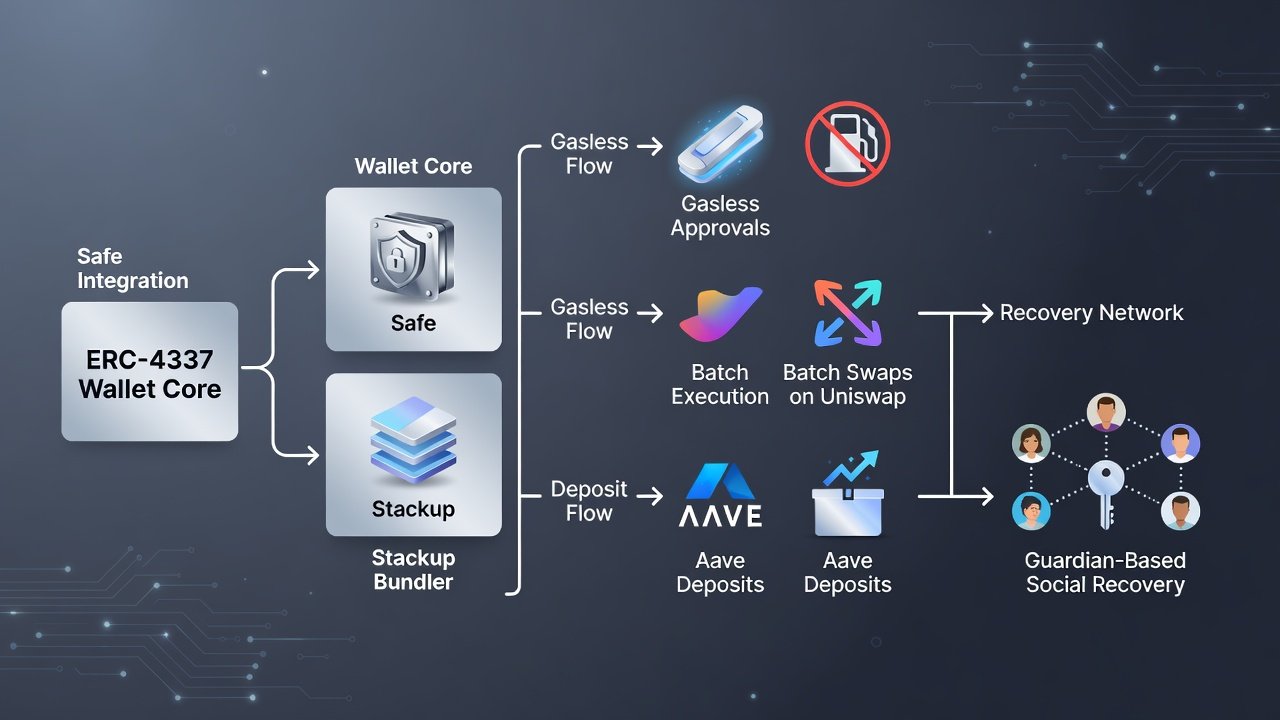
Deploying an ERC-4337 compatible wallet involves careful setup with established tools. Safe provides the smart account infrastructure while Stackup handles bundling and paymaster services. Follow these expanded steps for a robust configuration:
- Visit the Safe interface and create a new smart account on your target network, selecting ERC-4337 modules during deployment.
- Integrate Stackup by generating API credentials and defining paymaster policies for gas sponsorship on specific DeFi interactions.
- Configure social recovery by adding three to five guardians with a two-of-three signature threshold, testing recovery flows in a staging environment first.
- Enable batch execution modules and simulate sample operations such as token approvals followed by swaps.
- Connect the wallet to DeFi frontends and verify that UserOperations route correctly through the chosen bundler.
After setup, monitor the account via on-chain analytics tools to ensure all modules remain up to date and permissions are not overly permissive.
Risk Comparisons Between ERC-4337 Wallets and Traditional EOA Wallets
EOA wallets rely on a single private key, creating a single point of failure if the key is compromised through phishing or malware. In contrast, ERC-4337 wallets distribute control through modules and recovery mechanisms, though they introduce smart contract risks such as unpatched vulnerabilities in custom modules. Users should prioritize audited implementations and avoid granting unnecessary upgrade permissions. Overall, the added programmability outweighs risks for high-value DeFi positions when proper due diligence is performed.
Real-World Protocol Integrations with Aave and Uniswap
Practical flows combine ERC-4337 capabilities with major protocols. On Aave, users can perform gasless supply and borrow operations where the paymaster covers fees, allowing seamless leverage strategies. Similarly, Uniswap batch swaps become reliable because multiple routing steps execute atomically. Advanced users can chain an Aave withdrawal directly into a Uniswap swap and redeposit elsewhere within one transaction, optimizing yields while minimizing gas overhead and slippage exposure. Testing these flows on testnets before mainnet deployment is essential.
Common Pitfalls and How to Avoid Them
- Setting overly broad paymaster rules that could allow unexpected sponsored transactions; always scope policies narrowly.
- Choosing guardians who lack technical knowledge or geographic diversity, reducing recovery reliability during outages.
- Neglecting to audit module code or verify upgrade keys before deployment.
- Skipping pre-execution simulations, which can lead to failed batches and wasted sponsorship credits.
- Using outdated bundler endpoints that cause delays in high-volatility DeFi periods.
FAQ on Gas Sponsorship
How does gas sponsorship work in ERC-4337 wallets? Paymasters validate UserOperations against predefined rules and front the gas costs, which protocols or users later reimburse.
Are gas sponsorship services reliable in 2026? Leading providers maintain decentralized relayer networks that achieve near-continuous uptime across major networks.
Can users sponsor their own transactions? Yes, by deploying and funding a personal paymaster contract with stablecoins or native tokens.
What happens if a sponsored transaction fails? The paymaster typically absorbs the cost only on successful execution, protecting sponsors from partial failures.
How do I choose between different paymaster providers? Compare sponsorship limits, supported networks, and integration ease with tools like Safe and Stackup.
Conclusion
ERC-4337 equips DeFi users with tools for efficient, secure operations that surpass legacy wallet limitations. Implementing these features through Safe and Stackup positions portfolios for advanced strategies with reduced operational friction and stronger recovery options.
No comments yet. Be the first!