 CryptoChain Blog
Introduction to NFT Collateral in 2026 DeFi
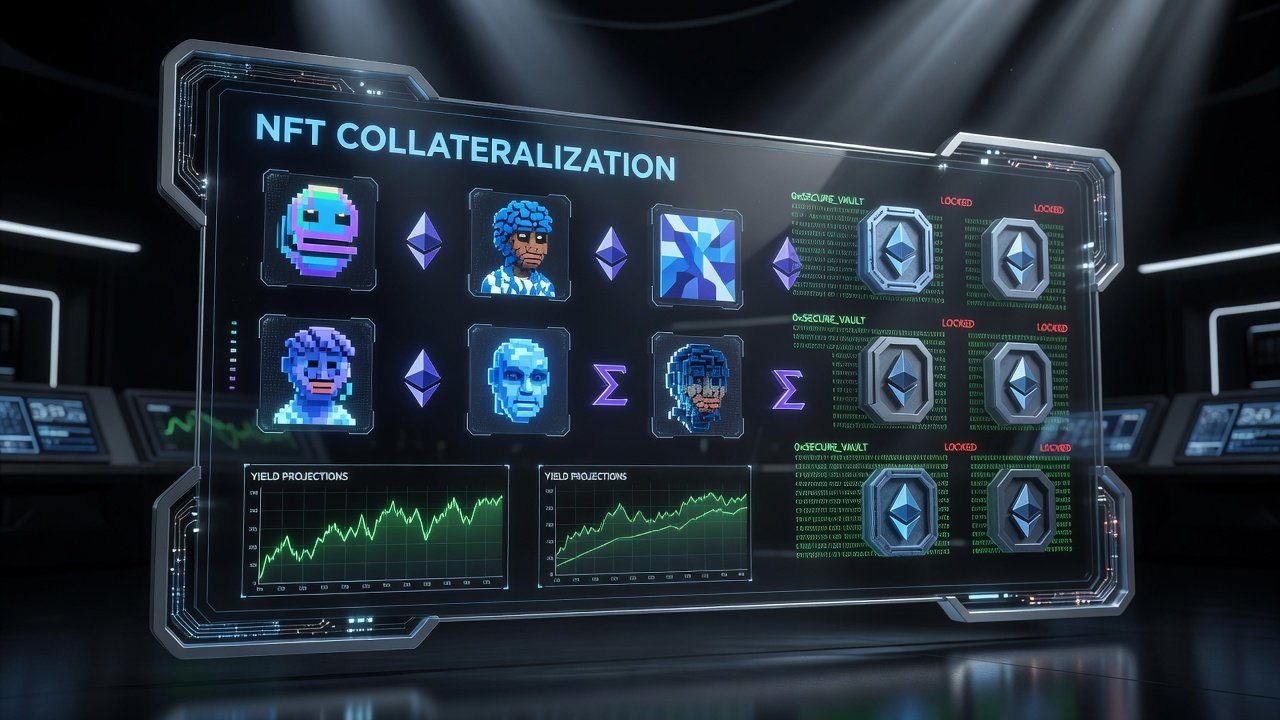
The NFT market has matured significantly by 2026, transforming illiquid digital assets into productive capital within decentralized finance. Advanced collateral strategies now extend far beyond basic lending, enabling users to unlock yield through fractionalization, leveraged positions, and royalty streams while mitigating volatility risks. This guide explores sustainable approaches for both blue-chip and mid-tier NFTs, providing actionable insights for maximizing returns in a dynamic ecosystem.
By 2026, DeFi protocols have integrated sophisticated mechanisms that allow NFT holders to generate consistent yields without selling their prized assets. Whether you hold a rare CryptoPunk or a mid-tier generative art piece, understanding these tactics can help build resilient portfolios. The focus remains on sustainability, ensuring strategies withstand market fluctuations common in the NFT space. Users who adopt a methodical approach often see improved capital efficiency over multiple market cycles.
Fractional Ownership for Enhanced Liquidity
Fractional ownership allows NFT holders to tokenize their assets into smaller shares, facilitating broader participation and collateralization. By splitting high-value pieces, users can access liquidity without full sales and deploy fractions across multiple protocols simultaneously. This approach democratizes access to premium NFTs that would otherwise be out of reach for many participants.
Benefits and Implementation
- Increased accessibility for smaller investors seeking exposure to blue-chip collections
- Reduced concentration risk through diversification across several fractional positions
- Step-by-step: Mint fractions via established platforms, then deposit into lending pools or yield farms for ongoing returns
- Practical example: A holder of a high-value Bored Ape can fractionalize it into 100 shares, collateralize 60 on one protocol, and use the remainder for royalty-backed lending elsewhere
This method also supports secondary trading of fractions, creating additional liquidity layers that enhance overall strategy flexibility. Advanced users often combine fractional ownership with automated rebalancing tools to maintain optimal allocation ratios.
Cross-Protocol Leverage on NFTfi and BendDAO
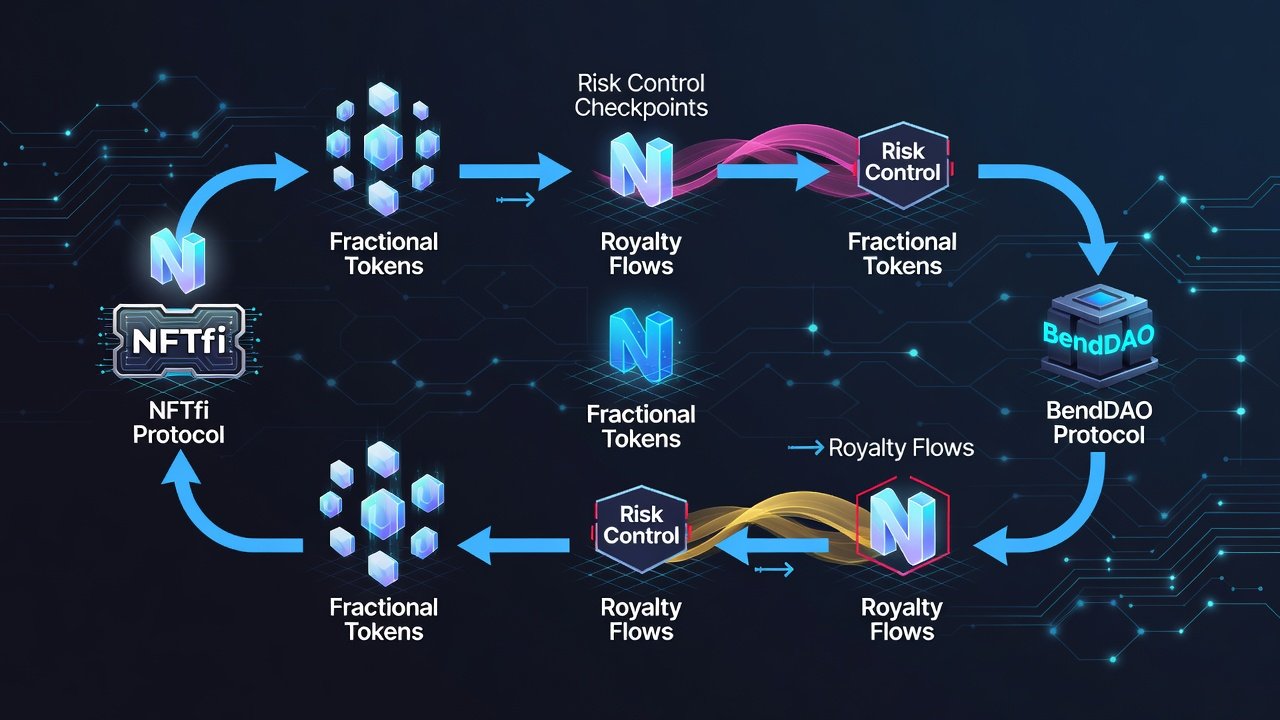
NFTfi and BendDAO remain leading platforms for NFT-backed borrowing. Cross-protocol strategies involve borrowing on one platform and redeploying assets on another to amplify returns through careful orchestration of loan terms and asset movements.
Practical setups start with depositing a blue-chip NFT like a CryptoPunk on NFTfi for initial liquidity, then using proceeds to acquire fractional shares on BendDAO for secondary leverage. Users must monitor interest rates and health factors across both platforms to prevent cascading issues. Cross-protocol moves require precise timing and awareness of gas fees to preserve net profitability.
Royalty-Backed Yield Flows
Royalties from secondary sales provide passive income streams that can be collateralized or reinvested. Sustainable strategies focus on NFTs with ongoing royalty potential to compound yields over time. Selecting collections with strong creator ecosystems ensures steady inflows that bolster collateral positions.
NFTfi official site offers tools to track these flows efficiently, helping users identify high-royalty opportunities in real time.
Step-by-Step Collateralization Setups
For blue-chip NFTs: 1) Verify provenance on-chain using reliable explorers. 2) Select protocol with favorable terms aligned to your risk tolerance. 3) Set loan-to-value ratios below 50% for safety margins. 4) Monitor floor prices daily and adjust as needed. For mid-tier: Focus on utility-driven collections with active communities to ensure liquidity during stress periods. Include examples such as collateralizing a mid-tier PFP collection on BendDAO after initial fractionalization. Additional steps involve testing small positions first and scaling only after confirming stable health factors.
Risk Controls for Price Volatility
Implement automated alerts for floor price drops and maintain over-collateralization buffers at all times. Diversify across protocols and asset types to protect against market swings. Scenario analysis helps: If a blue-chip floor drops 30%, pre-set liquidation avoidance by having secondary collateral ready or partial repayment plans in place. Regular stress testing of positions against historical volatility data further strengthens resilience.
Comparisons of Lending Terms
NFTfi typically offers flexible durations with interest rates tied to asset rarity and demand. BendDAO emphasizes instant liquidity but with stricter liquidation thresholds. Always compare current parameters before committing capital. Key differences include repayment flexibility, supported asset lists, and fee structures that impact net yields. Users should also evaluate oracle reliability and historical liquidation data when choosing between platforms.
BendDAO documentation provides up-to-date term details for accurate decision-making.
Multi-Step Leverage Loop Examples
Example loop one: Deposit NFT on NFTfi, borrow ETH, purchase fractional NFT on secondary market, collateralize fractions on BendDAO, and repeat with new borrow while tracking cumulative interest. Example loop two: Start with a mid-tier NFT, fractionalize first, then layer leverage across three protocols using royalty income to service debts. These loops require vigilant on-chain monitoring to remain profitable. A third example involves exiting loops gradually during favorable market conditions to lock in gains.
On-Chain Analytics for Opportunity Spotting
Use tools like Etherscan and Dune Analytics to identify under-collateralized positions or rising floor prices. Key metrics include trading volume, holder distribution, and royalty accrual rates. Advanced users set custom dashboards to flag opportunities such as undervalued fractions with high royalty potential. Integrating multiple data sources allows for more accurate opportunity identification and timing.
Etherscan serves as a primary on-chain explorer for these insights, allowing real-time verification of transactions and positions.
Building a Diversified NFT Collateral Portfolio
Successful strategies often combine blue-chip stability with selective mid-tier exposure. Allocate portions of the portfolio to different risk tiers and rebalance quarterly based on on-chain performance indicators. This diversification reduces single-asset dependency while capturing varied yield sources.
Common Mistakes to Avoid
Over-leveraging without buffers often leads to forced liquidations during volatility spikes. Ignoring royalty tracking can miss passive yield opportunities. Failing to diversify protocols exposes users to single-point failures in smart contracts or market events. Always maintain detailed records of all transactions for both performance review and compliance.
FAQs on Liquidation Thresholds and Tax Reporting
What triggers liquidation?
Liquidations occur when collateral value falls below protocol-specific LTV ratios, often 60-70% depending on the platform and asset tier. Proactive monitoring prevents this outcome.
How to handle tax reporting?
Track all borrow and repay events as potential taxable events; consult jurisdiction-specific guidelines for DeFi transactions and maintain detailed on-chain records for compliance.
What are best practices for tax documentation?
Export transaction histories regularly and categorize events by type to simplify reporting processes with tax professionals familiar with digital assets.
Future Outlook and Sustainable Practices
As DeFi evolves, expect tighter integrations between fractional platforms and lending protocols. Sustainable practices emphasize conservative leverage ratios, regular portfolio rebalancing, and education on emerging tools. This positions users for long-term success beyond short-term gains.
Conclusion
Advanced NFT collateral strategies in 2026 reward disciplined execution with compounded yields. Prioritize risk management and continuous monitoring to navigate volatility successfully while building resilient DeFi positions.

No comments yet. Be the first!