 CryptoChain Blog

Introduction to Advanced NFT Collateral in 2026
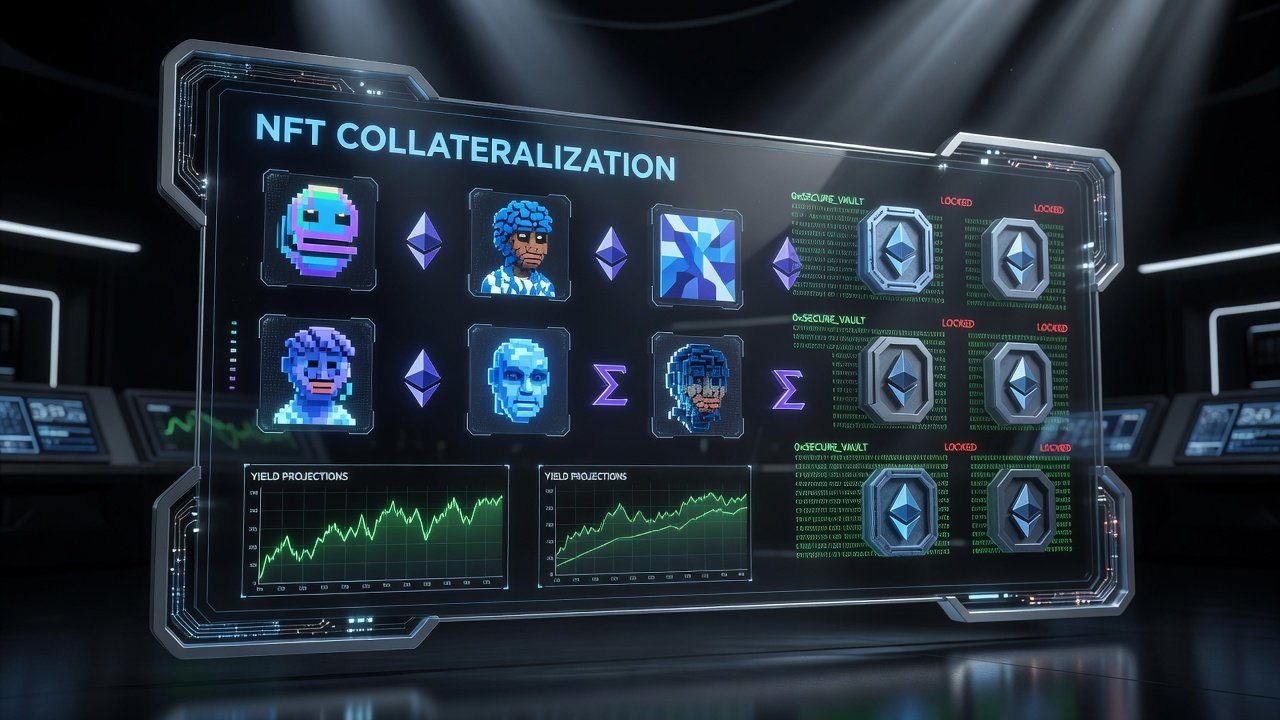
The NFT-Fi ecosystem has matured significantly by 2026, moving beyond basic lending to sophisticated yield generation techniques. Users now leverage NFTs as collateral across multiple protocols to create compounded returns while managing volatility. This article examines advanced tactics such as fractional ownership, cross-protocol leverage between NFTfi and BendDAO, royalty-backed farming loops, and integrations with broader lending markets. These strategies appeal to experienced DeFi participants seeking to maximize utility from blue-chip NFTs like CryptoPunks or Bored Apes without selling their assets. As the market evolves, protocols emphasize composability, allowing NFTs to serve as dynamic collateral that generates passive income streams through layered financial instruments. Understanding these tactics requires familiarity with smart contract interactions, liquidity pools, and risk parameters that differ from traditional DeFi assets.
Fractional Ownership Models for Yield Enhancement
Fractionalization allows NFT holders to divide ownership into ERC-20 tokens, unlocking liquidity and enabling yield farming on platforms like Uniswap or Aave. In 2026, protocols integrate fractional shares directly into lending markets, allowing partial collateralization while retaining governance rights. This model democratizes access to high-value NFTs by letting multiple investors share exposure and rewards. Step-by-step setup begins with connecting a compatible wallet, selecting an NFT for fractionalization, defining the number of shares, and minting the corresponding ERC-20 tokens. Once minted, users can deposit fractions into liquidity pools or lending protocols to earn trading fees or interest. For instance, fractionalizing a rare digital art piece enables staking shares in automated market makers while the original holder maintains a portion for ongoing utility. This approach reduces concentration risk compared to full NFT collateral and facilitates easier entry and exit from positions. Advanced users often combine fractional shares with options strategies to hedge against floor price drops.
Cross-Protocol Leverage Across NFTfi and BendDAO
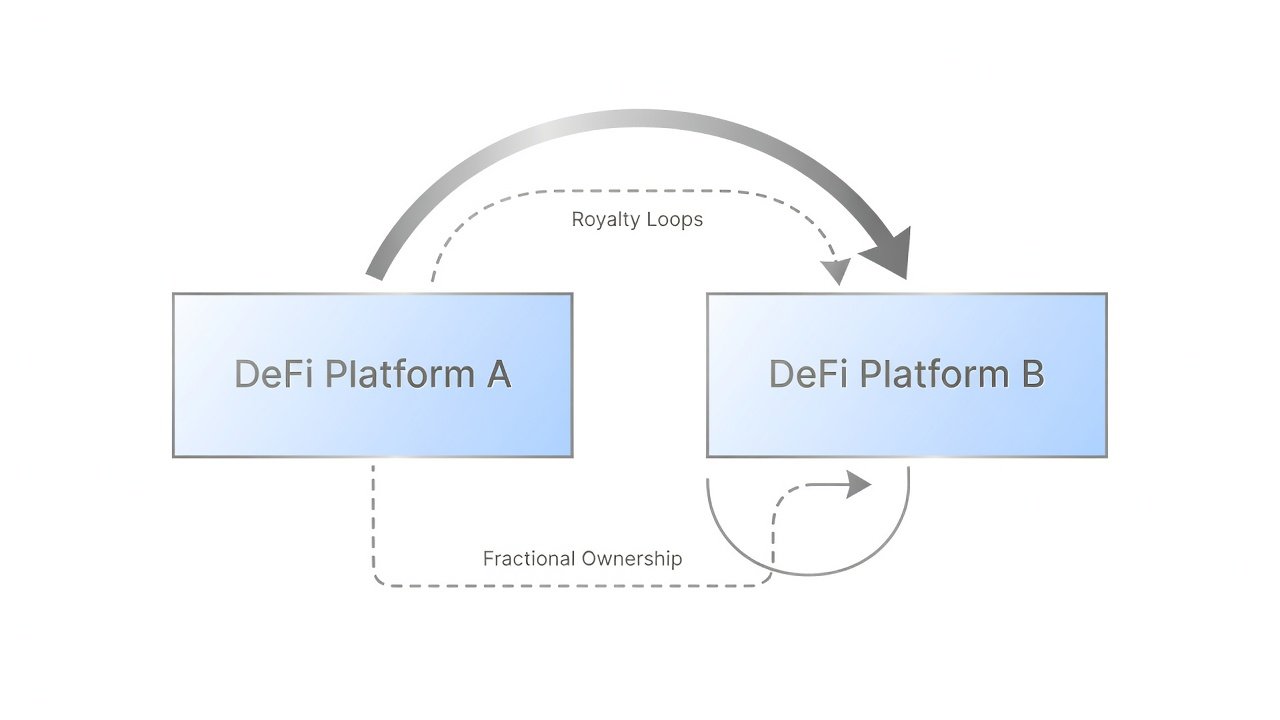
Leveraging positions across NFTfi and BendDAO enables users to borrow against NFTs on one platform and redeploy capital on another. For example, borrow ETH on NFTfi using a high-value NFT, then use the ETH to purchase fractional shares on BendDAO for additional yield. Practical example: A user deposits a PFP collection NFT as collateral on NFTfi, borrows at a conservative loan-to-value ratio, and routes funds into BendDAO's liquidity pools. Gas optimization involves batching transactions during low-fee periods on Ethereum Layer 2 solutions such as Arbitrum or Optimism. This cross-protocol flow creates a leverage multiplier effect where the same NFT supports multiple yield-generating activities simultaneously. Users must monitor oracle prices and liquidation thresholds across platforms to prevent cascading liquidations. Detailed walkthroughs typically include approving contracts, setting interest rate preferences, and using simulation tools to forecast returns under various market scenarios.
Ethereum.org provides foundational resources on smart contract interactions essential for these multi-protocol flows.
Royalty-Backed Farming Loops
Royalty streams from secondary sales can be tokenized and looped back into DeFi for extra yield. Advanced users farm royalties by staking fractional NFT shares in automated market makers while simultaneously lending the underlying royalty tokens. The process starts with verifying an NFT's royalty percentage on-chain, tokenizing future royalty claims through specialized wrappers, and then deploying those tokens into yield farms that auto-compound rewards. This creates a self-reinforcing loop where trading activity on the NFT directly boosts the collateral's productivity. To implement, users first lock the NFT in a royalty vault, mint derivative tokens representing the revenue stream, and allocate them across multiple protocols. Risk factors include fluctuating royalty volumes during bear markets and smart contract vulnerabilities in the tokenization layer. Regular audits and diversification across several NFT collections help mitigate these issues.
Integration with Lending Markets for Compounded Returns
Combining NFT collateral with established lending protocols like Aave creates layered yield. Borrow stablecoins against NFTs, supply them to lending markets, and use interest earned to offset borrowing costs. This integration allows for recursive strategies where borrowed assets are re-supplied as additional collateral elsewhere. Users often employ flash loans to temporarily amplify positions during high-yield opportunities. The key is maintaining healthy health factors to avoid liquidations while optimizing for net positive carry. In practice, a position might involve NFT collateral on one venue, stablecoin borrowing on another, and supply into a third protocol's pool, with automated rebalancing scripts handling adjustments.
DefiLlama offers real-time data on protocol yields and TVL that supports informed decision-making in these setups.
Risk Mitigation for Volatility and Gas Optimization Tips
Volatility in NFT floors demands regular rebalancing and the use of insurance wrappers or options for downside protection. Set conservative loan-to-value ratios and employ automated alerts for price movements. Gas optimization tips include using Layer 2 networks, scheduling transactions during off-peak hours, and leveraging meta-transaction services to batch approvals and swaps. Users should also consider gas tokens or refund mechanisms offered by certain protocols to minimize costs on complex multi-step strategies.
Wallet Setup Walkthrough and Yield Calculators
Begin with a hardware wallet like Ledger for security. Install MetaMask or Rabby, connect to Ethereum mainnet or L2s, and approve token approvals sparingly to reduce attack surfaces. Yield calculators built into protocol dashboards estimate APYs based on current utilization rates, allowing users to model scenarios such as different leverage levels or royalty assumptions. These tools often include sensitivity analysis for floor price changes and interest rate fluctuations.
Comparisons of Top Protocols
NFTfi excels in peer-to-peer NFT loans with flexible terms and customizable durations. BendDAO offers instant liquidity but with stricter liquidation thresholds that require closer monitoring. Newer entrants focus on royalty integrations and cross-chain capabilities. Choose based on NFT type, desired leverage level, and tolerance for smart contract risk. A comparison list highlights differences in supported collections, fee structures, and integration depth with other DeFi primitives.
Step-by-Step Position Setup Examples
Example one: Fractionalize a blue-chip NFT, lend 70 percent of shares on a lending market, and farm the remainder. Example two: Use cross-protocol borrowing to create a royalty loop on a generative art collection. Each example includes wallet actions, contract approvals, and post-setup monitoring steps.
Common Pitfalls and FAQ
FAQ section addresses questions such as: What happens during a market downturn? Use over-collateralization and diversify across multiple NFTs. How to handle gas fees? Batch operations and monitor network congestion. What are the tax implications of looping strategies? Consult local regulations as yields may be treated as income. Always audit smart contracts before large positions and start with small test transactions. In conclusion, 2026 NFT collateral strategies offer powerful tools for yield but require disciplined risk management and ongoing protocol research to navigate evolving market conditions effectively.
No comments yet. Be the first!