 CryptoChain Blog
Introduction to zk-Proof Yield Strategies in 2026
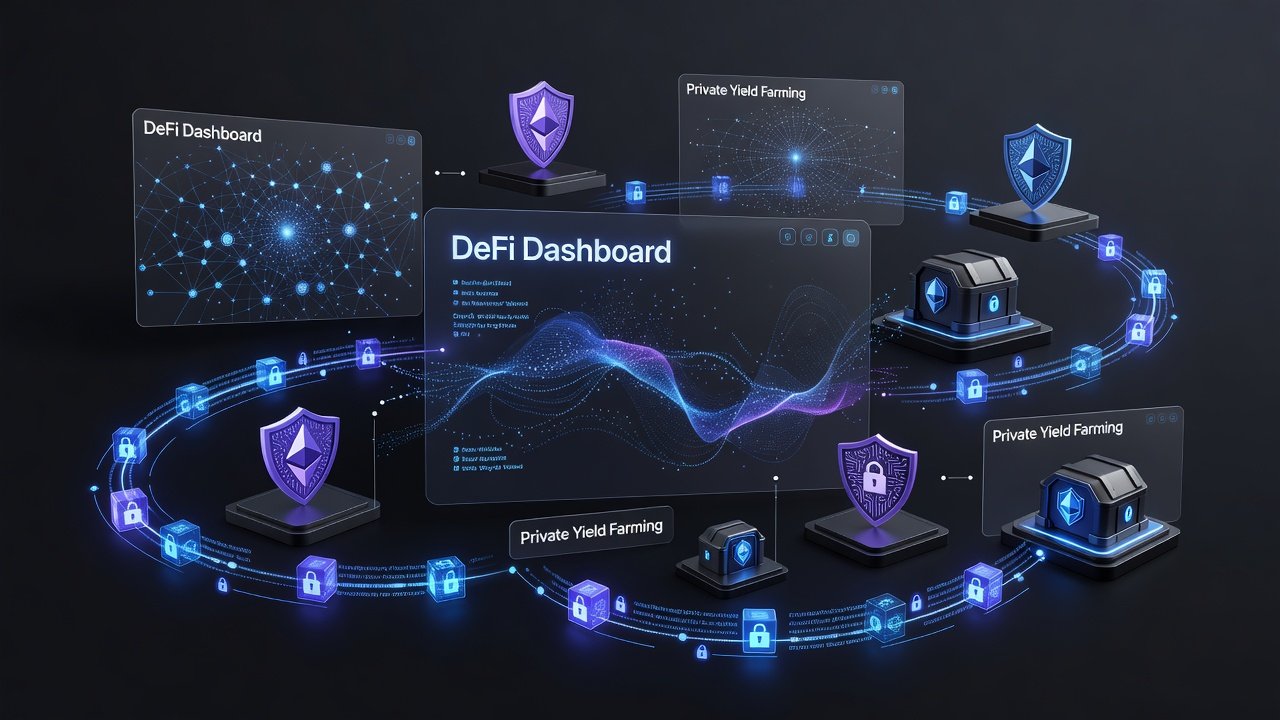
Privacy-focused DeFi has evolved significantly, allowing advanced users to pursue yield farming and liquidity provision without exposing positions to front-running or surveillance. zk-proofs enable verifiable computations on encrypted data, preserving anonymity while maintaining full composability with DeFi protocols. This guide explores practical applications for stealthy farming strategies in 2026, targeting users who want to shield wallet activity and transaction details from public view while still accessing competitive yields across lending pools, DEX liquidity, and staking opportunities.
By leveraging zero-knowledge technology, participants can deposit into privacy pools, execute swaps or loans confidentially, and withdraw yields without revealing amounts or counterparties. The result is enhanced protection against MEV extraction and improved compliance flexibility. In a landscape where on-chain data is fully transparent by default, these tools give sophisticated farmers a meaningful edge without requiring them to sacrifice returns or protocol interoperability.
Understanding zk-Proofs in DeFi Privacy Contexts
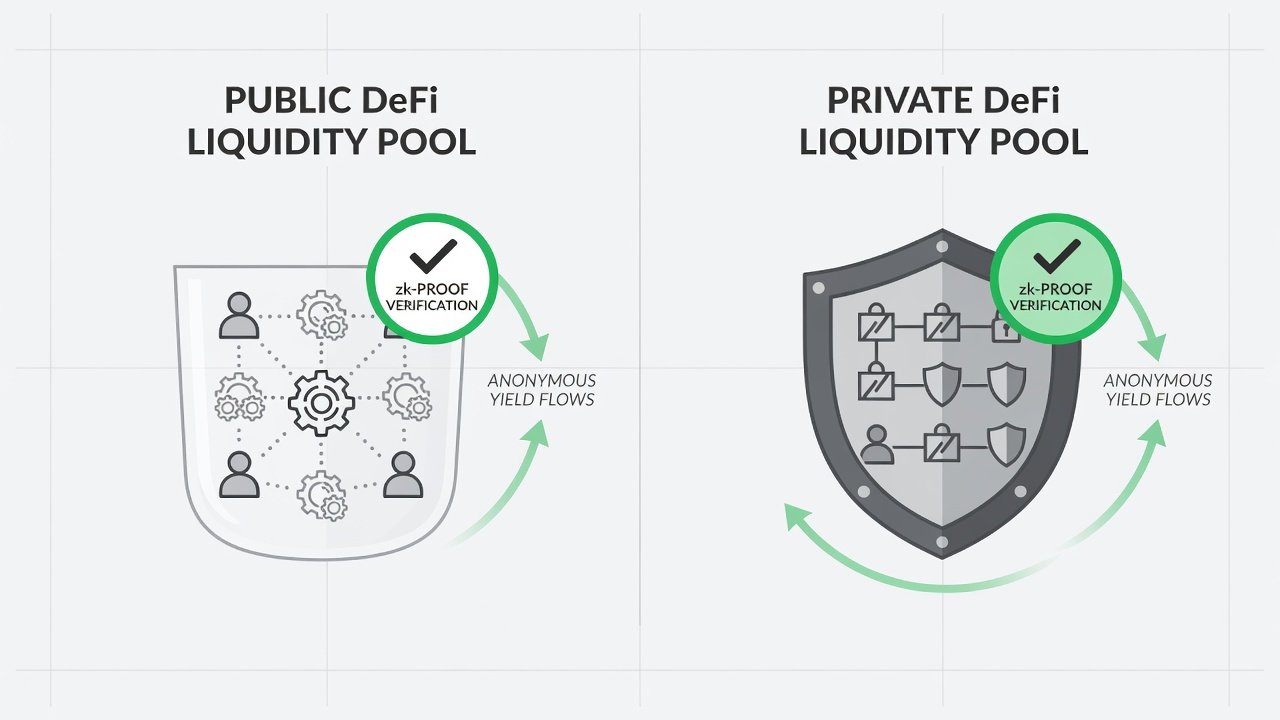
Zero-knowledge proofs allow one party to prove knowledge of information without revealing it. In yield farming, this means confirming liquidity provision or staking eligibility while keeping balances hidden. Protocols built on zk-SNARKs or zk-STARKs integrate with Ethereum and layer-2 networks to deliver private transactions at scale. The cryptographic guarantees ensure that every action remains verifiable by the network yet invisible to external observers scanning the public ledger.
Key benefits include resistance to sandwich attacks and reduced data leakage on public ledgers. Users maintain full control over when and how to reveal information for audits or tax reporting. As adoption grows in 2026, these proofs are becoming lighter and more efficient, opening yield opportunities previously reserved for only the most technically advanced participants.
Setting Up Private Wallets with Aztec and Railgun
Begin by configuring a privacy-centric wallet. Aztec offers shielded accounts that support private DeFi interactions directly on Ethereum. Railgun provides a privacy layer compatible with existing wallets via smart contracts that wrap standard addresses in zero-knowledge circuits.
- Install a compatible wallet extension supporting zk circuits and connect it to your preferred network.
- Generate a shielded address within the chosen protocol interface and back up the associated keys securely.
- Deposit assets into the privacy pool, triggering zk-proof generation for the transaction and confirming the deposit receipt remains encrypted on-chain.
- Verify the shielded balance appears correctly in the wallet dashboard before proceeding to yield actions.
- Test a small private swap or deposit to confirm the full workflow functions as expected.
These steps ensure subsequent yield actions stay confidential from public observers and can be repeated across multiple protocols without breaking the privacy guarantees.
Comparing Privacy-Preserving DEXes and Lending Pools
Several platforms now embed zk technology for private trading and lending. Privacy DEXes allow anonymous swaps with hidden order sizes, while lending pools mask collateral ratios and borrow amounts. The choice between options often depends on liquidity depth, proof generation speed, and supported asset pairs.
- Aztec-integrated DEXes offer private liquidity provision with automated market maker logic hidden behind proofs, making large positions harder to detect.
- Railgun-enabled pools support confidential flash loans and yield aggregation across multiple chains while preserving composability.
- Cross-protocol composability remains intact, letting users route yields through multiple private layers without breaking anonymity or incurring extra slippage.
- Emerging 2026 implementations focus on reducing proof verification times, allowing near-real-time private farming decisions.
Comparisons show trade-offs in throughput versus proof generation time, with newer implementations optimizing for lower latency. Users should evaluate each option based on their specific asset mix and risk tolerance before committing capital.
Aztec Network provides detailed developer documentation for building custom private strategies, while broader Ethereum ecosystem resources at Ethereum.org explain the underlying zk-rollup foundations.
Mitigating MEV Risks and Compliance Considerations
MEV remains a primary threat in public DeFi, but zk-proofs obscure transaction intent until confirmation. Strategies include batching private operations and using shielded relayers to avoid detectable patterns that bots typically exploit. Advanced farmers often combine multiple privacy layers to further fragment their on-chain footprint.
For compliance, users can selectively disclose proofs to regulators without exposing full histories. Always review jurisdictional requirements before deploying large positions and maintain records of any voluntary disclosures made. This balanced approach helps protect both capital and legal standing over multi-year farming cycles.
Real-World Examples of Anonymous High-Yield Positions
Consider a user providing liquidity to a stablecoin pair through a Railgun-shielded pool, then staking the LP tokens privately via Aztec. Yields compound without on-chain visibility of entry or exit points, allowing the position to grow steadily even during periods of high market volatility. Another example involves leveraging private borrowing to amplify farming returns while keeping leverage ratios encrypted from potential liquidators.
A third scenario sees a farmer rotating between private lending markets and DEX liquidity on a weekly schedule, using batch proofs to execute several actions simultaneously. These approaches have demonstrated resilience in volatile markets by preventing targeted liquidations and front-running that commonly erode public yields.
Practical Checklists for Private Farming
- Confirm protocol audits and zk-circuit maturity before depositing any meaningful capital.
- Test small private transactions to validate proof verification and shielded balance updates.
- Monitor gas usage across shielded and public layers to identify optimal execution windows.
- Document selective disclosure procedures for future compliance needs or tax season.
- Rebalance positions only through private channels to preserve anonymity across the entire strategy lifecycle.
- Review protocol upgrade histories regularly to ensure continued compatibility with your shielded setup.
Gas Cost Breakdowns and Optimization Tips
zk-proof operations typically incur higher base costs than standard transactions due to circuit computations. Qualitative analysis as of 2026-09-16 shows shielded deposits often require noticeably more gas than public equivalents, offset by substantial MEV savings over time. Optimize by batching multiple farming actions into single proofs and selecting low-congestion periods. Tools within Aztec and Railgun automatically suggest efficient proof parameters, helping users keep overall expenses manageable while maintaining full privacy.
Frequently Asked Questions
How does privacy affect yield rates?
Privacy layers add minimal overhead, and many users report comparable or superior net returns due to avoided MEV losses and reduced slippage from hidden order flow.
Can I exit positions anonymously?
Yes, withdrawal proofs allow full anonymity until you choose to reveal details for external requirements.
What networks support these strategies best in 2026?
Ethereum mainnet and leading zk-rollups provide the strongest tooling and liquidity depth for private yield farming.
Are there limits on asset types available in private pools?
Most major stablecoins and blue-chip tokens are supported, though exotic assets may require additional bridging steps.
How often should shielded positions be rebalanced?
Monthly reviews are common, with changes executed entirely through private channels to avoid creating detectable patterns.
Conclusion
zk-Proof yield strategies empower advanced DeFi participants to farm privately without sacrificing returns or composability. By following the setups, comparisons, and checklists outlined, users can implement stealth positions confidently in 2026 and beyond while staying adaptable to evolving market conditions.


No comments yet. Be the first!