 CryptoChain Blog

Introduction to 2026 Ethereum Layer 2 Developments
As Ethereum continues its evolution into 2026, recent protocol updates have placed a strong emphasis on Layer 2 scalability solutions. These advancements address long-standing challenges around transaction speed and cost, creating meaningful opportunities for everyday users and developers alike. Fresh ethereum news highlights expansions that support higher throughput while maintaining the security guarantees of the base layer. Readers interested in actionable eth updates will find concrete ways to engage with these trends in DeFi, payments, and dApp ecosystems.
The search intent behind this topic centers on practical strategies for capitalizing on Layer 2 growth. Rather than offering a surface-level overview, this article examines adoption data, compares leading networks using current performance indicators, and provides detailed migration guidance. By the end, you will have a clear framework for evaluating opportunities and mitigating risks in the evolving landscape.
Key 2026 Protocol Announcements Driving L2 Growth
Ethereum's 2026 roadmap features refinements to danksharding and enhanced cross-rollup communication protocols. These changes reduce latency between networks and improve data availability, allowing Layer 2 solutions to process significantly more transactions per second. Protocol teams have also introduced standardized interfaces for bridges, making asset transfers more predictable and user-friendly.
Announcements from major L2 projects align directly with these upgrades, including expanded support for account abstraction and native yield mechanisms. Such developments lower the technical barriers for new participants while giving experienced users additional tools for efficient capital deployment. Staying informed through official channels ensures you can act quickly when new features go live.
Comparing Leading L2 Networks on Current Performance
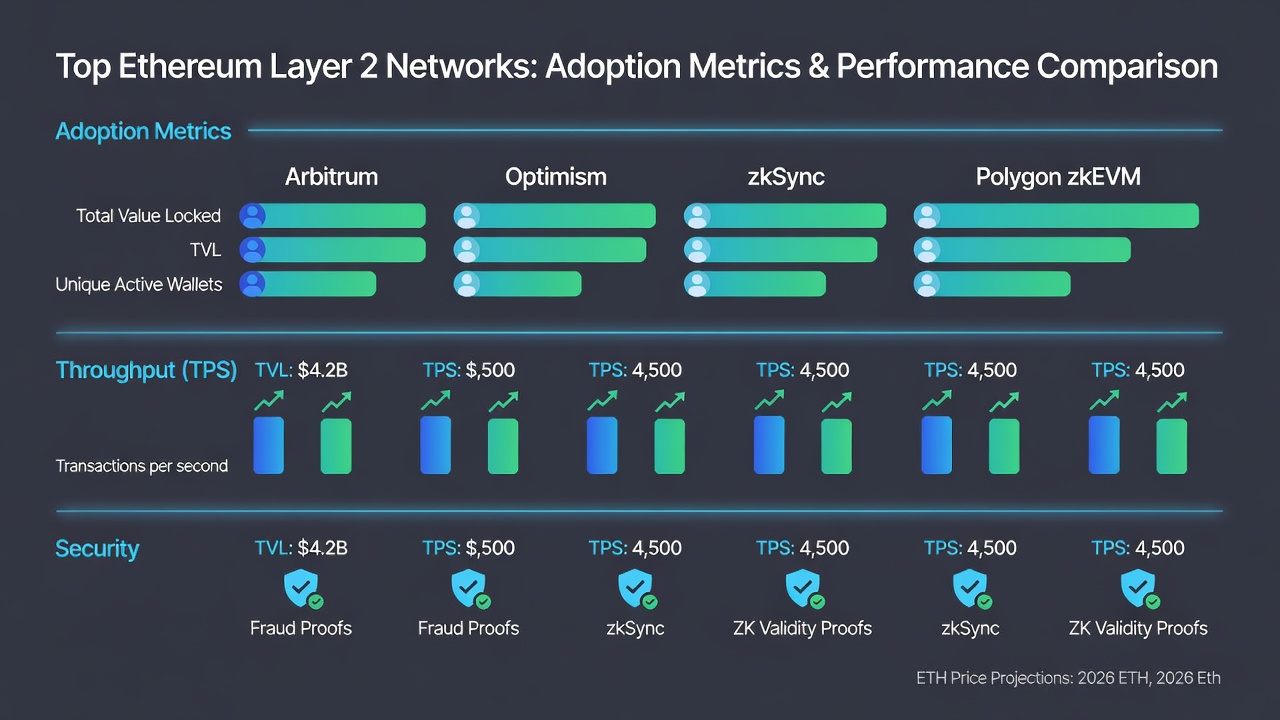
Arbitrum, Optimism, and Base continue to lead in 2026 based on independent benchmarks for throughput, security, and ecosystem activity. Arbitrum maintains strong dominance in decentralized finance applications due to its mature liquidity pools and robust developer tooling. Optimism differentiates itself through optimistic rollup architecture that prioritizes fast withdrawals and seamless integration with Ethereum mainnet contracts. Base has gained traction among retail users thanks to its intuitive onboarding flows and partnerships with major wallet providers.
When comparing these networks, examine metrics such as average block times, total value secured, and the diversity of supported protocols. Arbitrum often shows higher daily active addresses in trading categories, while Optimism excels in governance participation rates. Base frequently records the quickest user growth in payment-focused applications. Reviewing these indicators side by side helps match the right network to your specific goals, whether you prioritize speed for payments or depth for yield strategies.
Adoption Metrics and Integration Challenges
Adoption metrics in 2026 demonstrate robust growth across Layer 2 ecosystems, with daily transaction volumes rising steadily and total value locked expanding in key categories like lending and perpetual futures. Data from reputable trackers indicates that L2 networks now handle the majority of Ethereum-related activity, reflecting successful scaling efforts. Real-world examples include increased usage of L2-based stablecoin transfers for cross-border remittances and the launch of new gaming dApps that leverage low-cost interactions.
Despite these gains, integration challenges remain. Liquidity fragmentation across multiple networks can lead to suboptimal pricing in decentralized exchanges. Bridge security models vary, requiring users to understand different trust assumptions. Additionally, wallet compatibility issues occasionally surface when switching between networks, and gas optimization techniques differ from one L2 to another. Addressing these requires deliberate research and small-scale testing before committing larger positions.
Step-by-Step Guide to Migrating Assets to L2
Migrating assets to Layer 2 networks involves careful preparation to avoid common errors. Begin by researching the target network's supported tokens and bridge options using resources from established projects. Next, acquire ETH on the Ethereum mainnet through a regulated exchange and transfer it to a non-custodial wallet you control.
Once prepared, connect your wallet to an official bridge interface. Select the source chain as Ethereum mainnet and the destination as your chosen L2. Enter the amount, review any network-specific fees or time estimates, and confirm the transaction. Monitor the bridge dashboard for confirmation status, which typically completes within minutes to an hour depending on the solution. After arrival, verify the balance in your L2-enabled wallet and begin interacting with protocols.
Additional best practices include starting with test transactions of minimal value, enabling two-factor authentication where available, and maintaining records of all bridge interactions for personal tracking. Always double-check contract addresses against official documentation before proceeding.
Opportunities in DeFi, Payments, and dApp Development
Layer 2 expansions unlock efficient DeFi strategies such as automated market making with reduced slippage and leveraged positions that were previously cost-prohibitive. In payments, instant settlement capabilities support use cases like merchant point-of-sale systems and recurring subscriptions without mainnet delays. dApp developers benefit from improved scalability that allows for more complex smart contract logic, including real-time on-chain games and sophisticated decentralized identity solutions.
Concrete examples from 2026 include new lending protocols offering dynamic interest rates tailored to L2 liquidity conditions and payment rails that integrate directly with traditional banking APIs. Early adopters who evaluate these tools thoroughly can position themselves for competitive advantages in both personal finance and project building.
Evaluating New Tools and Avoiding Common Pitfalls
Assessing emerging L2 tools demands attention to security audits, community governance transparency, and historical uptime statistics. Common pitfalls include neglecting to verify bridge decentralization levels or assuming uniform token standards across networks. Another frequent mistake is failing to simulate transactions in test environments before live deployment.
To evaluate effectively, compare multiple data sources, read independent security reports, and participate in community forums for firsthand user experiences. This methodical approach reduces exposure to unnecessary risks while maximizing the benefits of new protocol features.
Security Best Practices for L2 Users
Security remains paramount when engaging with Layer 2 solutions. Always use hardware wallets for larger holdings and enable multi-signature setups where supported. Regularly review bridge smart contract audits published by reputable firms and avoid interacting with unverified contracts. Diversifying activity across two or more L2 networks can further limit single-point exposure.
Staying updated on any reported incidents through official project channels allows for rapid response if conditions change. Combining these practices with ongoing education creates a resilient framework for long-term participation.
Future Outlook for 2026 and Beyond
Looking ahead, continued protocol refinements are expected to further integrate Layer 2 networks with Ethereum's base layer. This trajectory points toward a more unified ecosystem where users experience seamless interactions regardless of the underlying network. Monitoring developments through primary sources will help you anticipate new opportunities as they emerge.
FAQ on Costs, Risks, and Best Practices
What are typical transaction costs on leading L2s?
Fees remain substantially lower than mainnet equivalents, though they fluctuate with network congestion. Users should consult real-time dashboards for the most current estimates before executing transactions.
How do I assess risks when using new L2 solutions?
Prioritize networks with multiple independent audits, decentralized bridge designs, and transparent incident histories. Diversification across platforms and conservative position sizing provide additional protection.
Are there tax implications for L2 migrations?
Migrations may constitute taxable events depending on your jurisdiction. Maintain detailed transaction records and consult a qualified tax professional familiar with digital asset regulations.
What wallet features are essential for L2 activity?
Choose wallets that natively support multiple L2 networks, offer built-in bridge functionality, and provide clear transaction previews to minimize errors.
Conclusion
2026 Ethereum Layer 2 updates deliver substantial opportunities for scalable solutions across DeFi, payments, and dApp development. By understanding performance comparisons, following structured migration processes, and applying rigorous security practices, readers can confidently navigate emerging trends. For the latest official information, visit Ethereum.org, review network data at L2Beat, and explore ecosystem metrics on DefiLlama.

No comments yet. Be the first!