 CryptoChain Blog
Ethereum L2 TradFi Integrations 2026: Key ETH News Insights
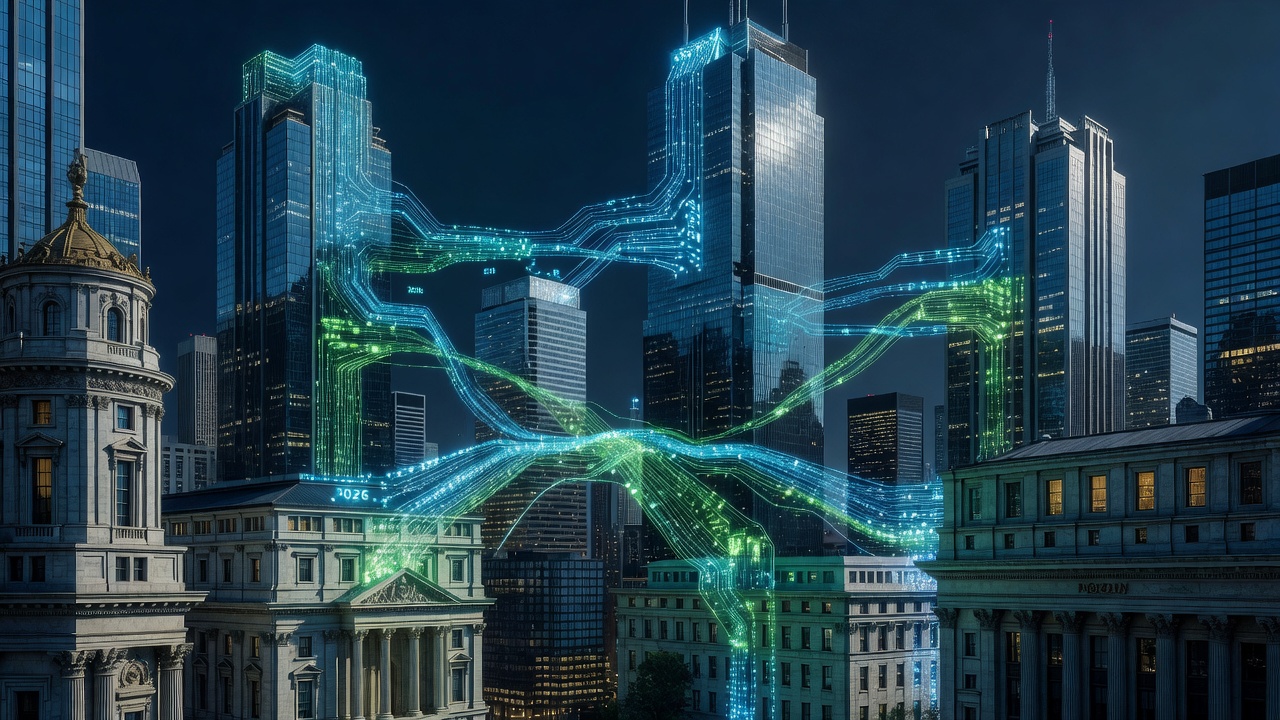
In 2026, Ethereum Layer 2 solutions are accelerating the convergence between decentralized networks and traditional finance. Institutions are leveraging scalable L2 platforms to tokenize assets, streamline payments, and meet evolving regulatory standards. This integration creates new opportunities for developers and finance professionals seeking efficient on-chain infrastructure. The year has seen accelerated adoption driven by improvements in scalability, lower transaction costs, and enhanced privacy features that appeal directly to banks and fintech firms wary of public chain limitations. As Ethereum continues to dominate smart contract activity, L2s have emerged as the preferred settlement layer for hybrid financial products that blend on-chain programmability with off-chain legal enforceability.
Major Bank and Fintech Partnerships Driving Adoption
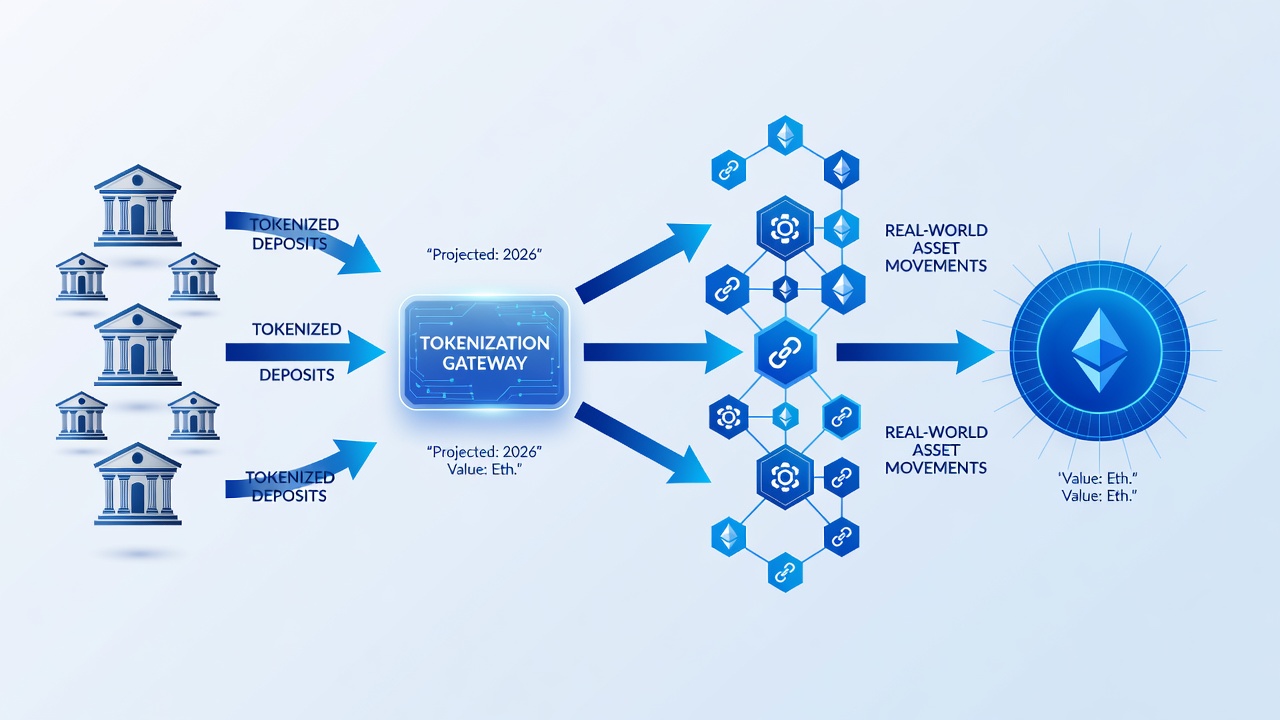
Leading banks have expanded collaborations with L2 protocols to issue and manage digital assets. These partnerships focus on compliance-ready environments that combine blockchain transparency with established financial oversight. For instance, several global institutions now pilot tokenized deposit programs on networks like Arbitrum and Optimism, allowing seamless integration between legacy core banking systems and decentralized applications. Fintech companies are also participating by building middleware that connects traditional payment processors directly to L2 sequencers. These collaborations reduce settlement times from days to minutes while maintaining audit trails required by regulators. Finance teams benefit from reduced counterparty risk and faster cross-border transfers compared to legacy systems, enabling real-time treasury operations that were previously impossible.
Key developments include integrations that allow real-time settlement while preserving KYC/AML requirements. Institutions report improved operational efficiency through shared infrastructure that eliminates redundant reconciliation processes.
Regulatory Impacts Shaping 2026 Trends
Regulatory clarity in major jurisdictions has encouraged institutional participation. Frameworks emphasizing consumer protection and market integrity guide L2 deployments, ensuring platforms incorporate built-in reporting tools. SEC resources highlight ongoing guidance on digital asset classification that directly influences L2 strategies. In parallel, international bodies have issued updated recommendations on stablecoin oversight that affect how L2s handle reserve backing and redemption mechanisms. Developers must prioritize auditability and data privacy features to align with these rules. Non-compliance risks delays in institutional onboarding and potential enforcement actions that could stall product launches.
Additional guidance from organizations such as the Bank for International Settlements provides frameworks for cross-border token flows that L2 teams are now implementing through modular compliance layers.
Technical Bridges: Tokenized Deposits and Beyond
Tokenized deposits represent a core innovation, bridging fiat currencies with L2 ecosystems. These on-chain representations enable seamless movement between bank accounts and decentralized applications. Real-world asset (RWA) flows have grown substantially as institutions move equities, bonds, and commodities onto L2 rails. Technical bridges typically involve secure multi-party computation setups that allow banks to mint tokens only after verifying off-chain reserves through independent custodians. Payment rail innovations include instant settlement layers that reduce friction in remittances and treasury management. Protocols now support programmable compliance, allowing smart contracts to enforce jurisdictional rules automatically without requiring manual intervention at every step.
These bridges also incorporate fallback mechanisms that revert transactions if regulatory checks fail, providing an additional safety net for institutional users.
Real-World Asset Flows on L2s
RWA adoption on Ethereum L2s centers on liquidity pools backed by traditional instruments. Case studies from leading protocols demonstrate how institutions tokenize private credit and real estate, unlocking fractional ownership and 24/7 trading. These flows enhance capital efficiency while maintaining off-chain custody standards. Developers building RWA platforms should integrate oracles for accurate pricing feeds and multi-signature controls for asset management. The result is deeper liquidity that attracts both retail and institutional participants, creating virtuous cycles of adoption.
Case Studies from Leading Protocols
Arbitrum has facilitated partnerships with fintech firms for stablecoin issuance directly on L2, enabling faster onboarding of corporate treasuries. Optimism showcases payment innovations through collaborations that embed regulatory hooks into transaction layers, allowing selective data sharing with auditors. Base network examples highlight scalable DeFi-TradFi hybrids supporting institutional-grade custody solutions, including cold storage integrations and insurance wrappers. Each case reveals the importance of modular architecture, enabling institutions to customize security and compliance modules without sacrificing speed. These examples also underscore the value of ecosystem grants that subsidize initial integration costs for banks experimenting with L2 technology.
Comparisons of L2 Options for Institutional Use
- Arbitrum: Strong for high-throughput payments with mature tooling and established bank pilots; offers optimistic rollup security with fraud proofs that provide robust dispute resolution.
- Optimism: Excels in optimistic rollup security models suited for regulated environments; features strong governance frameworks that align with institutional decision-making processes.
- Base: Offers developer-friendly onboarding and growing TradFi integrations focused on consumer finance; benefits from Coinbase infrastructure for fiat on-ramps.
- zkSync: Provides zero-knowledge proofs ideal for privacy-preserving compliance; supports high scalability for large-volume settlement use cases.
Institutional teams should evaluate factors like finality times, gas costs, and ecosystem maturity when selecting platforms. Side-by-side testing in sandbox environments is recommended before committing production assets.
Practical Implementation Steps
- Assess regulatory requirements in target jurisdictions and map them to L2 features, including data residency rules and reporting obligations.
- Choose an L2 with proven institutional partnerships and audit history, reviewing public security reports and past incident responses.
- Integrate tokenized deposit bridges using official SDKs from protocol teams while conducting third-party code reviews.
- Implement monitoring dashboards for real-time compliance reporting that feed directly into existing risk management systems.
- Test end-to-end flows with pilot assets before full deployment, including stress testing under simulated regulatory scenarios.
- Engage legal counsel to review smart contract governance models and ensure alignment with fiduciary responsibilities.
These steps help mitigate risks and accelerate time-to-market for new integrations while building internal expertise across both technical and compliance teams.
Mistakes to Avoid in L2-TradFi Projects
Common pitfalls include underestimating the complexity of bridging on-chain and off-chain legal frameworks, which can lead to delayed launches. Another frequent error is selecting an L2 based solely on current transaction volume rather than long-term institutional tooling support. Teams should also avoid neglecting ongoing security audits after initial deployment, as protocol upgrades can introduce new vulnerabilities.
FAQ: Risks, Compliance, and Forward-Looking Trends
What are the primary risks of L2-TradFi integrations?
Smart contract vulnerabilities and bridge exploits remain concerns, though 2026 upgrades have improved resilience. Institutions mitigate these through multi-party computation and regular audits.
How does compliance work on public L2s?
Many platforms now embed optional compliance modules that allow selective disclosure of transaction data to regulators while preserving user privacy.
What trends will dominate the second half of 2026?
Expect deeper integration of AI-driven risk models on L2s and expanded cross-chain RWA interoperability. Ethereum.org provides ongoing technical updates supporting these developments.
Are there specific fees or costs to consider?
Transaction costs vary by network congestion; institutions typically negotiate enterprise plans rather than relying on public fee markets.
In conclusion, Ethereum L2 networks are positioned to become foundational infrastructure for TradFi in 2026. By focusing on partnerships, regulatory alignment, and technical bridges, professionals can unlock scalable, compliant solutions that redefine financial services. Continued collaboration between developers and finance leaders will be essential to realizing the full potential of these integrations.

No comments yet. Be the first!