 CryptoChain Blog
Introduction to 2026 Ethereum L2 TVL Trends
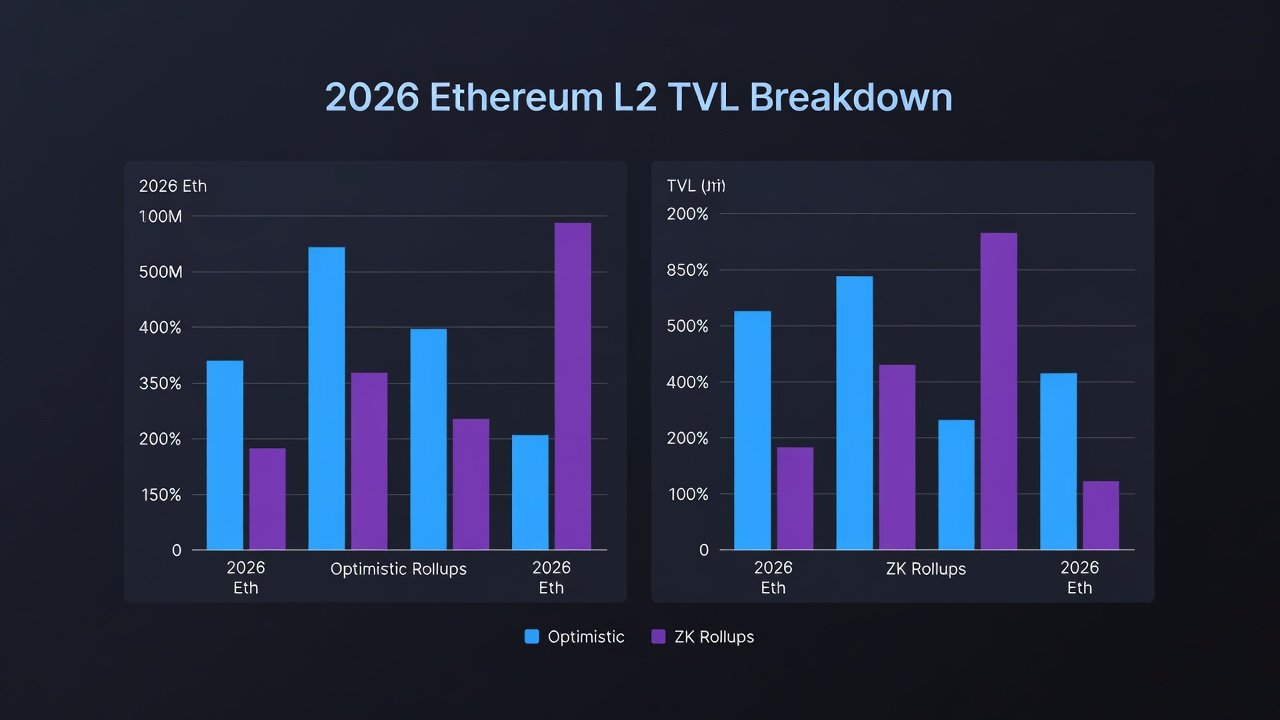
Ethereum Layer 2 solutions continue to dominate scaling discussions in 2026, with total value locked (TVL) serving as a key indicator of adoption and capital efficiency. Data from platforms like L2Beat and Dune Analytics reveal sustained growth driven by improved user experience, lower fees, and expanding use cases in DeFi and gaming. This guide breaks down the latest metrics, compares optimistic and zero-knowledge rollups, and highlights institutional participation. Understanding these dynamics helps investors and developers navigate the evolving Ethereum ecosystem with greater precision.
Overall TVL Performance and Growth Drivers
By late 2026, Ethereum L2 ecosystems have seen steady TVL expansion fueled by network upgrades and broader institutional interest. Key drivers include reduced transaction costs, enhanced interoperability, and the maturation of decentralized applications. Address activity has increased notably, with daily active addresses reflecting higher engagement across multiple chains. Transaction volume shifts show a move toward more complex DeFi interactions and on-chain gaming economies. Growth has been supported by Ethereum mainnet improvements that reduce settlement costs, allowing L2s to handle higher throughput without compromising security. Practical monitoring involves tracking weekly TVL deltas on public dashboards to identify emerging leaders before they peak.
Optimistic Rollups vs ZK Rollups Comparison
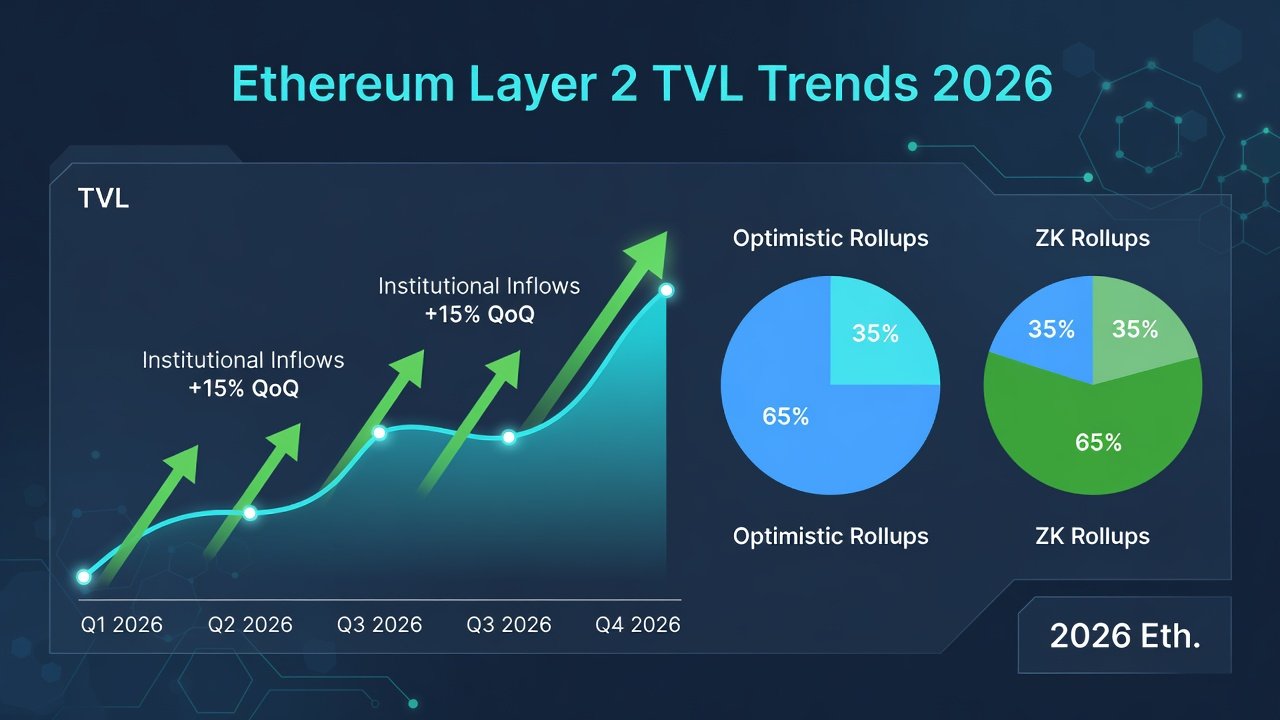
Optimistic rollups such as Arbitrum and Optimism maintain strong positions through EVM compatibility and established ecosystems, while ZK rollups like zkSync and Starknet offer superior security guarantees via cryptographic proofs. Metrics indicate optimistic solutions often lead in raw TVL due to earlier adoption, yet ZK variants demonstrate faster growth in transaction throughput. Institutional inflows favor ZK projects for their scalability potential in high-volume environments. Here is a breakdown of key differences: optimistic rollups use fraud proofs that assume transactions are valid unless challenged, leading to faster finality in practice but with a challenge period; ZK rollups employ validity proofs that confirm correctness upfront, providing immediate finality and better privacy options. Investors should weigh these trade-offs when allocating across chains, as optimistic options excel in developer tooling while ZK chains attract enterprise-grade applications requiring stronger guarantees.
Sector Breakdown: DeFi, Gaming, and Beyond
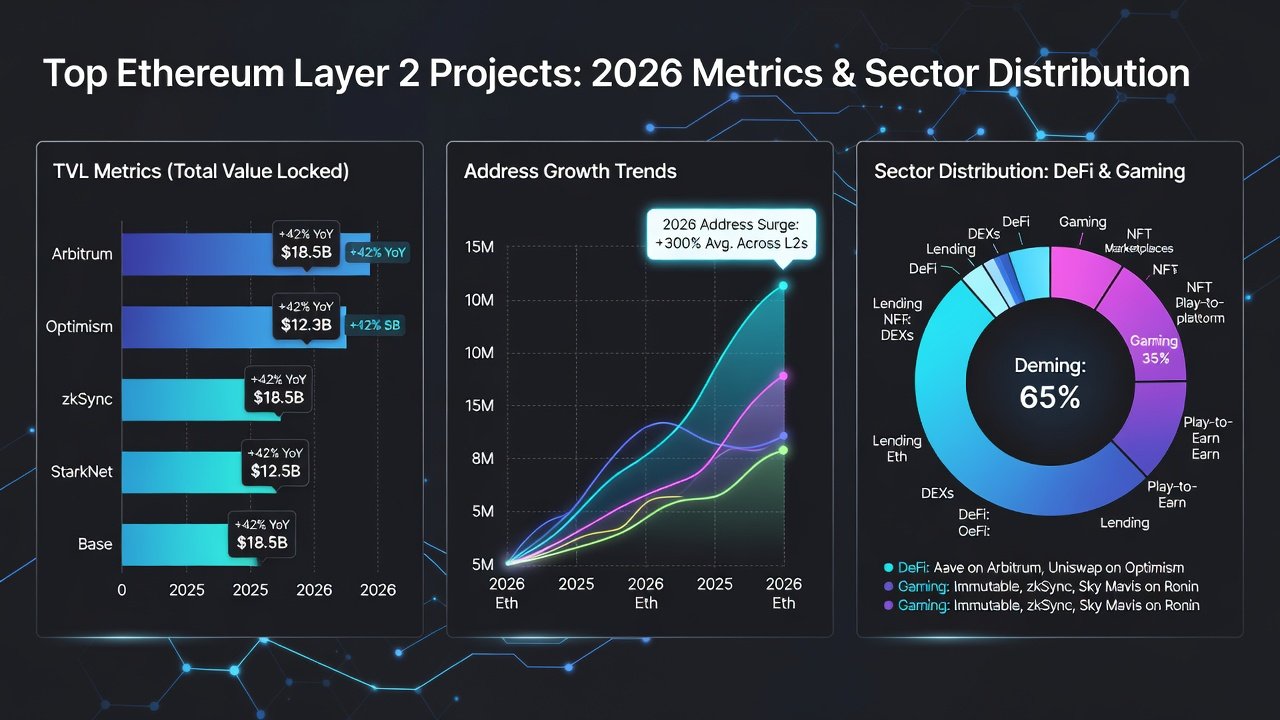
DeFi protocols account for the majority of L2 TVL, encompassing lending, DEXes, and derivatives platforms. Gaming sectors have emerged as significant contributors, with on-chain assets driving new user segments. Dune Analytics dashboards track these shifts, showing increased volume in both categories. Other areas like social applications and infrastructure tooling add diversity to the landscape. In DeFi, lending protocols have seen TVL concentration around established names with robust liquidation mechanisms, while DEXes benefit from concentrated liquidity models that improve capital efficiency. Gaming examples include play-to-earn titles migrating to L2s for seamless asset transfers and lower minting costs, creating new revenue streams for token holders. Infrastructure projects such as bridges and oracles further amplify activity by enabling cross-chain composability.
Top-Performing L2 Examples and Real Metrics
Leading chains demonstrate varied strengths. Arbitrum frequently tops TVL rankings with robust DeFi integration, featuring high liquidity pools and active governance that encourages long-term staking. Base shows rapid address growth through consumer-facing apps, often leading in daily transactions due to its integration with major social platforms. Polygon zkEVM and Linea highlight ZK advancements with rising transaction counts and focus on enterprise pilots. Practical analysis of these examples reveals patterns in capital allocation and user retention that investors can monitor via public dashboards. For instance, chains with diversified sector exposure tend to weather market volatility better, as gaming activity can offset DeFi drawdowns during risk-off periods. Real metrics from recent periods illustrate how top L2s maintain double-digit growth in unique addresses even as overall market conditions fluctuate.
Address Activity Trends and Transaction Volume Shifts
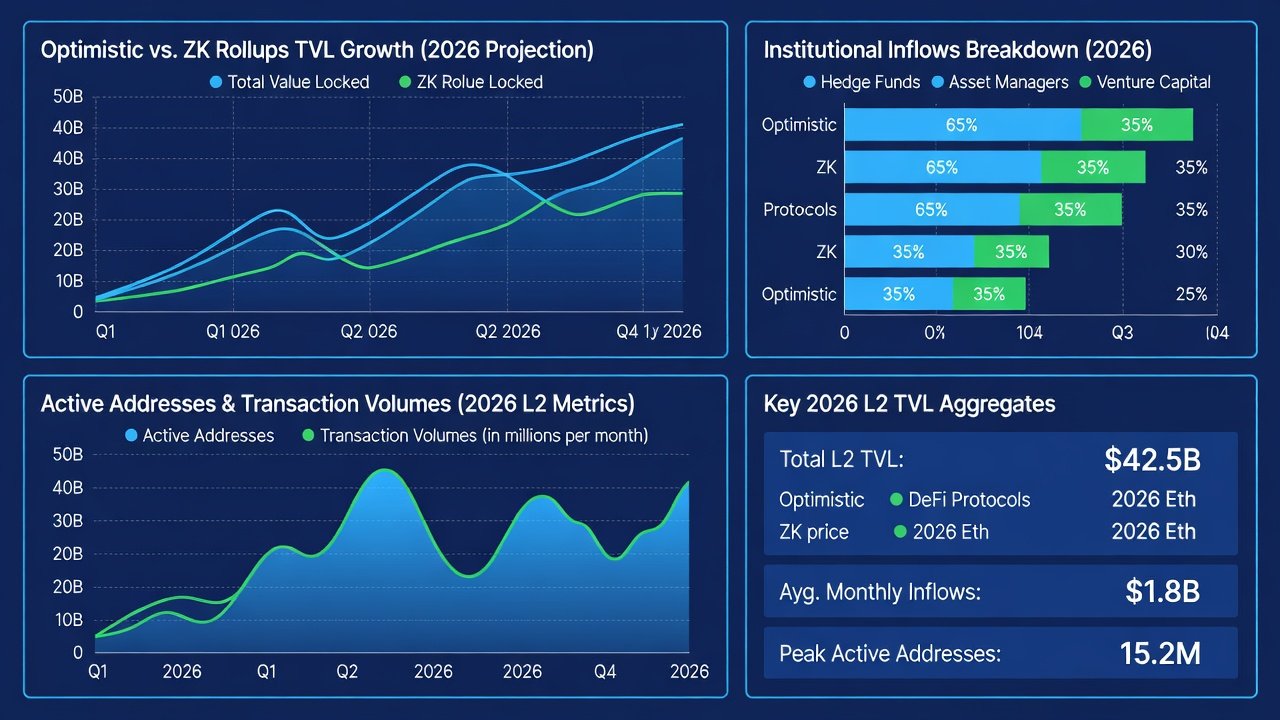
Address activity has trended upward across major L2s, indicating broader participation beyond early adopters. Transaction volumes reflect seasonal spikes tied to market events, with shifts toward batch processing in ZK environments. These metrics help gauge network health and predict sustainability. Trends show that new address creation often correlates with marketing campaigns or token launches, while sustained volume comes from recurring DeFi usage such as yield farming cycles. Investors tracking these shifts can use on-chain analytics to spot early adoption signals in emerging sectors like decentralized social or AI-integrated protocols.
Institutional Inflows and Their Impact
Institutional participation has added depth to L2 TVL, with funds flowing into compliant DeFi products and tokenized asset platforms. This capital often targets chains with strong security track records and regulatory clarity, boosting overall ecosystem stability. Examples include custody solutions integrated with specific L2s that facilitate large-scale entry without compromising decentralization principles. Such inflows have also accelerated development of institutional-grade tooling, including advanced analytics and compliance layers.
Expert Predictions for Q3-Q4 2026
Analysts anticipate continued TVL growth through the remainder of 2026, supported by Ethereum mainnet enhancements and cross-chain developments. Optimistic rollups may consolidate market share while ZK solutions accelerate in enterprise use cases. Institutional inflows are expected to intensify, particularly in regulated DeFi products. Scenario planning suggests that successful mainnet upgrades could unlock additional scaling layers, leading to TVL redistribution among top performers. Monitoring Ethereum.org for protocol announcements provides context for these forecasts.
Actionable Insights for Investors Tracking ETH Updates
Investors should regularly review L2Beat for TVL rankings and Dune Analytics for on-chain metrics. Focus on chains with strong developer activity and diverse sector exposure. Diversifying across optimistic and ZK options can balance risk, while monitoring address and volume trends provides early signals of momentum. Practical steps include setting up custom alerts for TVL thresholds, analyzing weekly transaction fee trends, and reviewing governance proposals that could impact token utility. Always cross-reference with official Ethereum resources for protocol-level updates. Common pitfalls to avoid include over-reliance on TVL alone without verifying activity quality or ignoring bridge risks in multi-chain strategies.
Risks and Considerations for L2 Portfolios
While growth prospects remain positive, risks such as smart contract vulnerabilities, bridge exploits, and regulatory shifts warrant careful attention. Investors should prioritize chains with audited codebases and active bug bounty programs. Diversification across multiple L2s mitigates single-point failures, and staying informed on Ethereum roadmap changes helps anticipate fee or security adjustments.
Conclusion
The 2026 Ethereum L2 landscape offers substantial opportunities for those who analyze TVL, activity, and sector data methodically. By combining insights from leading analytics platforms with practical monitoring techniques, investors can make informed decisions aligned with evolving adoption patterns.
FAQ: Interpreting L2 Metrics for Portfolio Decisions
- How reliable is TVL as a metric? TVL offers a snapshot of locked capital but should be paired with activity and volume data for fuller context, as inflated figures from single large deposits can mislead.
- What distinguishes optimistic from ZK rollups in practice? Optimistic solutions prioritize speed and compatibility; ZK emphasizes security and finality, influencing different investment theses around yield versus safety.
- How do institutional inflows affect retail strategies? Increased institutional presence often signals maturing infrastructure, potentially stabilizing prices but raising competition for yields in popular protocols.
- Which sectors show the strongest growth signals? DeFi remains dominant, yet gaming and social applications present emerging opportunities for early positioning before mainstream adoption.
- What tools best track these metrics daily? Combine L2Beat rankings with Dune queries for custom dashboards, and supplement with official chain explorers for granular transaction details.
- How should investors handle bridge risks across L2s? Limit exposure to unverified bridges and favor native ecosystem assets where possible to reduce cross-chain vulnerabilities.
No comments yet. Be the first!