 CryptoChain Blog
Introduction to Ethereum L2 Expansion in 2026
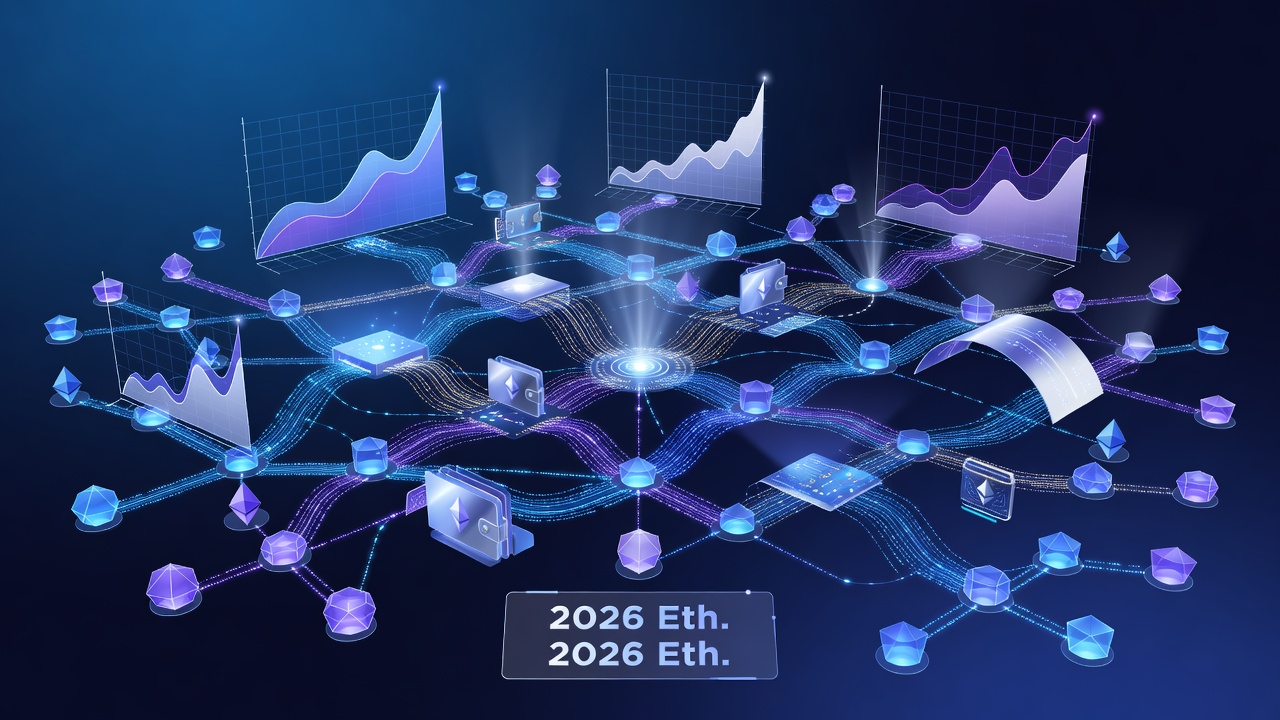
The Ethereum Layer 2 ecosystem has undergone remarkable transformation by mid-2026, driven by surging network adoption and evolving market dynamics. This analysis focuses on broad trends in scaling solutions, highlighting how L2 networks are reshaping blockchain usability without delving into individual protocol upgrades. Readers seeking comprehensive Ethereum news overviews will find actionable insights here on opportunities arising from these shifts. As adoption accelerates, the emphasis remains on ecosystem-wide metrics and future trajectories that signal long-term viability for decentralized applications.
Throughout 2026, the collective push toward Layer 2 solutions has addressed longstanding challenges around throughput and accessibility. This growth reflects a broader maturation of the Ethereum network, where multiple L2 chains operate in tandem to distribute load and enhance performance. The result is an environment primed for innovation across finance, gaming, and enterprise applications, offering participants new avenues for engagement and value creation.
Key Metrics Driving L2 Adoption
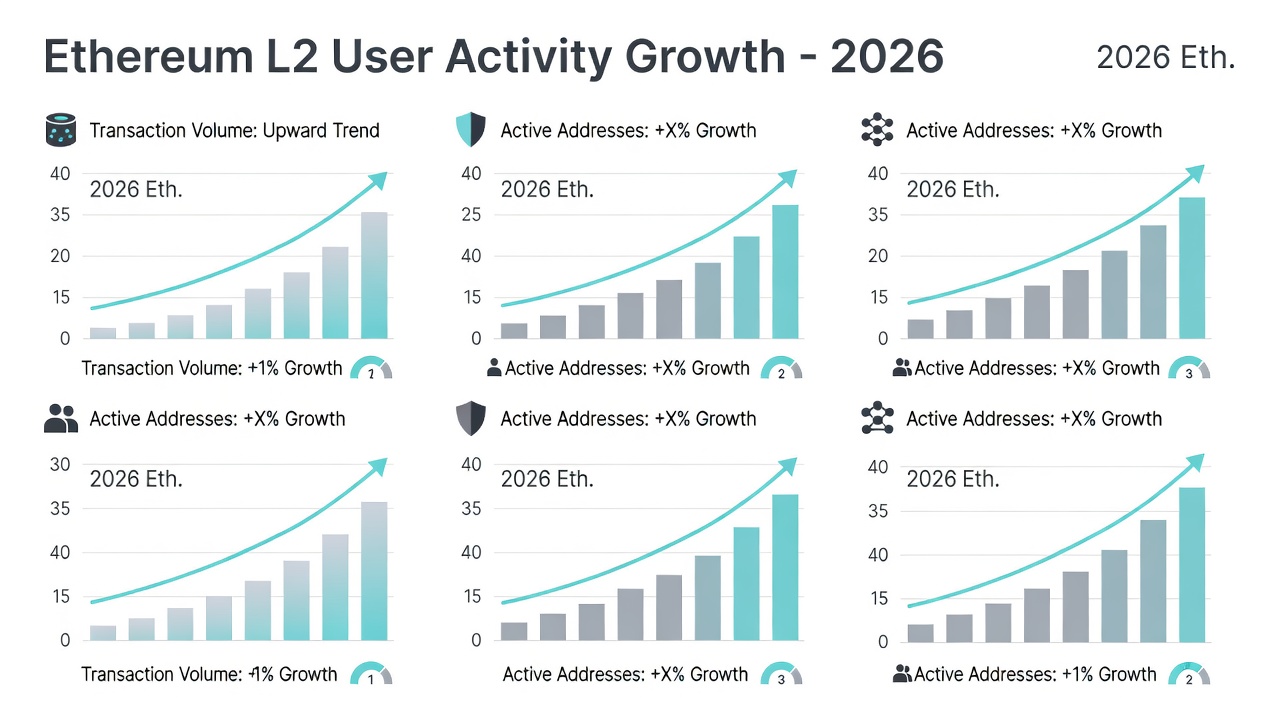
Network activity across multiple Layer 2 solutions has shown consistent upward trajectories. Total value locked (TVL) has expanded significantly, reflecting greater capital inflows and sustained user engagement. Transaction volumes and active addresses continue to climb, indicating deeper integration into everyday decentralized applications. These metrics underscore a maturing landscape where scalability enables broader participation. Visual representations of growth patterns help illustrate the momentum across diverse L2 environments, providing stakeholders with clear signals of ecosystem health.
Beyond raw numbers, qualitative shifts in liquidity distribution reveal how capital is flowing into more efficient channels. This movement supports higher throughput without compromising security, creating fertile ground for new use cases that were previously constrained by base-layer limitations.
User Activity Across L2 Networks
Daily active users have proliferated as networks optimize for speed and cost efficiency. Cross-chain interactions have become more seamless, fostering ecosystems where liquidity and utility flow freely between solutions. This activity surge points to a user base expanding beyond early adopters into mainstream applications. For example, decentralized finance protocols now handle routine lending and borrowing at scales that rival traditional systems, while social and gaming dApps attract consistent engagement from global audiences.
Patterns in user retention demonstrate the stickiness of well-designed L2 experiences. Projects that prioritize intuitive interfaces and low-friction onboarding see repeated interactions, building communities that drive organic growth. This user-centric evolution strengthens the overall network effect, making Ethereum L2s increasingly competitive with centralized alternatives.
Integration with Traditional Finance
Traditional financial institutions are increasingly exploring Ethereum L2 infrastructure for settlement and tokenization use cases. Partnerships between blockchain projects and established banks highlight a convergence that could redefine asset management and payments. Such integrations bring regulatory-compliant pathways that enhance trust and accessibility. This trend opens doors for institutional capital to enter decentralized ecosystems more readily, creating hybrid models that blend on-chain efficiency with off-chain oversight.
Practical examples include tokenized bonds and real estate assets moving onto L2 rails for faster settlement cycles. These developments reduce counterparty risk and operational overhead, appealing to conservative investors wary of volatility. As a result, the boundary between conventional markets and blockchain continues to blur, fostering opportunities for portfolio diversification that were once impractical.
Emerging Infrastructure Projects
New infrastructure initiatives are supporting the L2 boom by providing enhanced tooling for interoperability and data availability. These projects focus on foundational layers that enable smoother developer experiences and more resilient networks. Key areas of focus include advanced bridging solutions reducing friction in asset transfers, decentralized oracle networks feeding real-world data into L2 environments, and privacy-enhancing protocols gaining traction for compliant enterprise use.
- Advanced bridging solutions reducing friction in asset transfers
- Decentralized oracle networks feeding real-world data into L2 environments
- Privacy-enhancing protocols gaining traction for compliant enterprise use
- Modular data availability layers that improve scalability without centralization risks
- Analytics dashboards offering real-time visibility into cross-L2 flows
Developers benefit from these building blocks, accelerating the pace of innovation across the ecosystem. Monitoring resources such as L2Beat allows participants to track infrastructure maturity and identify promising integrations early.
Developer Migration Patterns
Patterns of developer movement reveal a shift toward L2-centric development environments. Teams are prioritizing platforms that offer robust tooling and community support, leading to concentrated activity in high-growth areas. This migration fuels a virtuous cycle of improved applications and increased usage. Examples include projects transitioning from base-layer experimentation to production-ready L2 deployments, where performance gains translate directly into better user experiences and lower operational costs.
Many development teams now leverage shared standards for cross-L2 compatibility, enabling code reuse and faster iteration. This collaborative approach reduces duplication of effort and encourages specialization, whether in front-end optimization or backend security audits. Over time, these patterns contribute to a more professionalized builder community capable of delivering enterprise-grade solutions.
Regulatory Influences on Scaling Solutions
Global regulatory developments continue to shape L2 strategies, with frameworks emphasizing consumer protection and financial stability. Solutions that align with emerging compliance standards are positioned for accelerated growth. Policymakers' focus on scalable blockchain infrastructure encourages responsible innovation. Stakeholders monitoring these influences can anticipate shifts that favor certain architectural choices over others, particularly those incorporating auditability and anti-money laundering features.
Resources from institutions like the Federal Reserve provide context on how monetary authorities view digital asset infrastructure. Staying aligned with these perspectives helps projects navigate approval processes and build sustainable operations.
Expert Predictions for Late 2026
Industry analysts forecast continued expansion in L2 usage, with emphasis on composability and cross-ecosystem synergies. Predictions highlight potential for further mainstream penetration as infrastructure matures. Opportunities lie in sectors such as decentralized finance and tokenized real-world assets, where L2 advantages become pronounced. Additional guidance can be found through official channels including the Ethereum Foundation, which regularly publishes ecosystem reports and research updates.
These forecasts also underscore the importance of adaptability, as evolving standards around interoperability may reward early movers who invest in flexible architectures.
Actionable Insights for Participants
To capitalize on L2 expansion, individuals and organizations should adopt structured monitoring practices. Begin by reviewing aggregated data dashboards weekly to spot emerging trends. Next, evaluate specific use cases relevant to your goals, such as yield farming or asset tokenization, and test small positions on multiple networks. Finally, engage with developer communities to understand tooling updates that could impact deployment decisions.
Common pitfalls include overlooking interoperability risks or underestimating compliance requirements; addressing these proactively through diversified strategies mitigates downside exposure while preserving upside potential.
Frequently Asked Questions
What drives Ethereum L2 growth in 2026?
Growth stems from improved scalability, rising user demand, and institutional interest in efficient blockchain solutions that support high-volume applications.
How does L2 adoption impact ETH holders?
Increased L2 activity enhances overall network utility, potentially supporting long-term value through greater transaction throughput and ecosystem vibrancy across multiple chains.
Are there risks associated with rapid L2 expansion?
Key considerations include interoperability challenges and evolving regulatory landscapes, which require careful navigation by participants to avoid fragmentation or compliance issues.
What opportunities exist for new entrants in the L2 space?
New participants can explore infrastructure tooling, compliance-focused applications, or user onboarding solutions that address current friction points in decentralized finance and beyond.
How can developers prepare for continued L2 growth?
Developers should prioritize learning modular architectures and cross-chain standards while contributing to open-source projects that strengthen ecosystem resilience.
Conclusion
The 2026 Ethereum L2 ecosystem presents a dynamic environment rich with opportunities for adoption and innovation. By focusing on overarching trends in metrics, infrastructure, and regulation, stakeholders can better position themselves for future developments. Continued monitoring and strategic engagement will be essential for capitalizing on this expansion, ensuring participants remain informed and agile amid ongoing evolution.

No comments yet. Be the first!