 CryptoChain Blog
Introduction to Ethereum Layer 2 for Supply Chains in 2026
As global trade volumes surge, businesses demand greater transparency and efficiency in supply chains. Ethereum Layer 2 solutions have emerged as key enablers in 2026, leveraging rollups and zero-knowledge proofs to deliver scalable, low-cost tracking. These innovations address traditional blockchain limitations while integrating seamlessly with enterprise resource planning systems used by logistics firms and manufacturers worldwide.
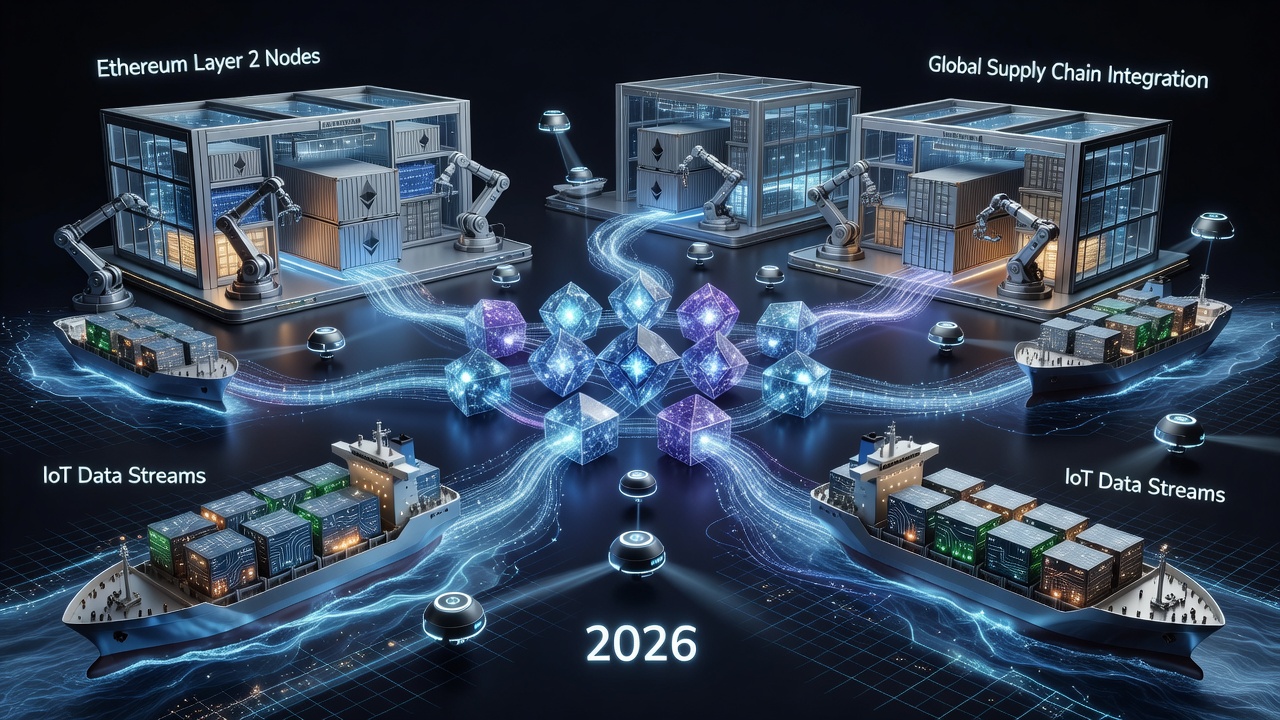
Layer 2 technologies batch transactions off the main Ethereum chain, reducing congestion and enabling real-time data sharing across logistics networks. This shift supports everything from raw material sourcing to final delivery, fostering trust among stakeholders. In 2026, the convergence of Layer 2 with emerging technologies like IoT creates unprecedented opportunities for end-to-end visibility that were previously unattainable on Layer 1 alone.
Supply chain professionals increasingly recognize that Layer 2 not only solves scalability bottlenecks but also opens doors to new business models based on verifiable data. Companies can now share selective information with partners without exposing proprietary details, thanks to advanced cryptographic techniques embedded in modern rollups.
How L2 Solutions Enhance Supply Chain Transparency
Ethereum Layer 2 platforms provide immutable ledgers for tracking goods at every stage. IoT devices feed sensor data directly into smart contracts on L2 networks, creating verifiable audit trails. This interoperability allows manufacturers to monitor temperature, location, and handling conditions without delays or high fees associated with earlier blockchain implementations.
Key benefits include reduced paperwork, automated compliance checks, and instant dispute resolution. For example, a shipment's provenance can be confirmed in seconds rather than days, minimizing fraud risks in international trade. Furthermore, Layer 2 enables granular permission controls so that only authorized parties access specific data fields, aligning with corporate governance requirements.
Transparency gains extend beyond visibility to accountability. Smart contracts on rollups can automatically trigger payments or alerts when predefined conditions are met, such as successful delivery or quality thresholds. This automation reduces human error and accelerates cash flow cycles across multi-tier supplier networks.
Real-World Case Studies from Logistics and Manufacturing
In the logistics sector, a major European freight operator implemented Optimism-based L2 solutions to track container movements across ports. Integration with existing SAP systems enabled automated customs documentation, cutting processing times by over 40 percent. The operator now processes daily shipment data from thousands of IoT-enabled containers, creating a single source of truth accessible to customs authorities and insurance providers alike.
Manufacturing firms have adopted Arbitrum rollups for component traceability. One automotive supplier used L2 to verify parts origins from multiple vendors, ensuring adherence to sustainability standards. Data from IoT tags on assembly lines feeds directly into the blockchain, providing end-to-end visibility that supports regulatory audits and consumer-facing provenance claims.
Another compelling example comes from the pharmaceutical industry, where a global distributor piloted zkSync rollups to combat counterfeit drugs. By recording every handoff on Layer 2, the company achieved full chain-of-custody documentation that complies with stringent health authority guidelines. These implementations highlight L2's role in scaling operations while maintaining data integrity across complex supplier networks spanning continents.

Comparing Rollup Options for High-Volume Tracking
Choosing the right rollup depends on throughput needs and security models. Optimistic rollups like Optimism and Arbitrum excel in high-volume scenarios due to fraud-proof mechanisms and broad EVM compatibility. They suit supply chains handling thousands of daily transactions with minimal latency.
Zero-knowledge rollups, such as zkSync and Polygon zkEVM, offer faster finality and enhanced privacy, ideal for sensitive manufacturing data. Comparisons show optimistic options often provide simpler integration for legacy systems, while ZK variants reduce verification costs further in large-scale deployments. Decision factors include developer ecosystem maturity, available tooling, and long-term roadmap alignment with enterprise needs.
Businesses evaluating options should also consider bridge security and liquidity depth on each network. Real-world testing in pilot environments reveals that hybrid approaches, combining multiple rollups for different supply chain segments, can optimize both cost and performance.
Cost Savings from Reduced Gas Fees
Layer 2 adoption delivers substantial operational efficiencies by minimizing on-chain expenses. Enterprises report qualitative improvements in transaction affordability, allowing more frequent data updates without budget constraints. This enables finer-grained tracking that was previously uneconomical on Layer 1, leading to better inventory management and reduced waste.
By shifting routine operations to rollups, companies free up resources previously spent on gas optimization strategies. The resulting savings compound over time as transaction volumes grow, supporting more comprehensive data capture from every node in the supply chain.
Practical Steps for Businesses to Pilot L2 Solutions
- Assess current supply chain data flows and identify pain points in traceability by mapping every touchpoint from supplier to customer.
- Select an L2 platform aligned with volume requirements and existing tech stack, considering factors such as EVM compatibility and available developer resources.
- Partner with developers to build smart contracts for asset tracking, incorporating industry-standard data schemas for maximum interoperability.
- Integrate IoT sensors and test data flows in a sandbox environment, validating accuracy of real-time feeds before production deployment.
- Run a limited pilot with one supplier route before full rollout, measuring key performance indicators like data latency and error rates.
- Monitor performance metrics and iterate based on compliance feedback, gradually expanding scope to additional routes and partners.
These steps help mitigate risks while demonstrating ROI through improved visibility and reduced operational friction.
Interoperability with IoT Devices for Fresh Insights
Recent Ethereum developments emphasize seamless IoT connectivity on Layer 2. Devices equipped with lightweight clients push real-time metrics like humidity or GPS coordinates onto rollups. This fusion supports predictive analytics, such as rerouting shipments based on live conditions, enhancing resilience in volatile markets.
Resources like the official Ethereum documentation outline best practices for these integrations: ethereum.org. Standards bodies further guide secure implementations across industries, with organizations such as GS1 providing globally recognized identifiers that map cleanly onto blockchain records.
Addressing Common FAQs on Scalability and Compliance
How does L2 handle high transaction volumes in supply chains?
Rollups process batches off-chain before settling on Ethereum, achieving thousands of transactions per second while inheriting mainnet security. This architecture scales effectively for high-frequency updates from IoT networks without compromising decentralization.
What compliance considerations apply to L2-based tracking?
Platforms must align with data protection regulations like GDPR. Immutable records require careful design to allow for necessary redactions or consents, often achieved through off-chain storage with on-chain hashes for verification.
Are L2 solutions compatible with existing ERP systems?
Yes, through APIs and middleware, most L2 networks integrate with SAP, Oracle, and similar platforms used in enterprise environments. Middleware solutions bridge the gap between legacy databases and blockchain events seamlessly.
What are the main scalability challenges remaining in 2026?
While rollups have dramatically improved throughput, cross-rollup communication and standardized data formats still require ongoing industry collaboration to reach full maturity.
Overcoming Implementation Challenges
Despite clear advantages, organizations face hurdles such as staff training, data standardization, and initial integration complexity. Addressing these through phased rollouts and partnerships with experienced blockchain integrators minimizes disruption. Training programs focused on smart contract basics and L2-specific tooling accelerate adoption curves across teams.
Another consideration involves network selection based on geographic regulatory landscapes. Certain jurisdictions favor networks with proven audit histories, influencing the choice between optimistic and zero-knowledge approaches.
Conclusion
Ethereum Layer 2 innovations continue to redefine supply chain management in 2026 by combining scalability, transparency, and IoT synergy. Organizations that pilot these technologies strategically position themselves for greater efficiency and trust in global operations. As interoperability advances, the potential for transformative impact grows steadily, offering a competitive edge to early adopters who invest in robust, future-proof architectures.
No comments yet. Be the first!