 CryptoChain Blog
Introduction to Ethereum Layer 2 Success in 2026
Ethereum Layer 2 solutions have transformed blockchain scalability by 2026, enabling higher throughput and lower fees while preserving security. This article examines detailed case studies of successful L2 implementations, focusing on measurable impacts for developers and investors searching for ethereum news and eth updates. We analyze project selection criteria, performance shifts before and after migration, technical challenges overcome, and forward-looking trends for 2027 and beyond. The growth of L2 ecosystems has been driven by increasing demand for efficient decentralized applications, with networks handling millions of transactions daily across DeFi, NFTs, and gaming sectors.
Project Selection Criteria for L2 Migration
Teams evaluating L2 options in 2026 prioritize security models, ecosystem compatibility, and developer tooling. Key factors include EVM equivalence for seamless code reuse, data availability guarantees, and proven mainnet uptime exceeding 99.9 percent. Projects like Arbitrum and Optimism stand out due to mature ecosystems and strong community governance. Selection also weighs total value locked growth and integration potential with existing protocols. Additional considerations encompass sequencer decentralization roadmaps, support for account abstraction, and availability of comprehensive documentation and grant programs that accelerate development timelines.
Case Study: Arbitrum Migration and Scalability Gains
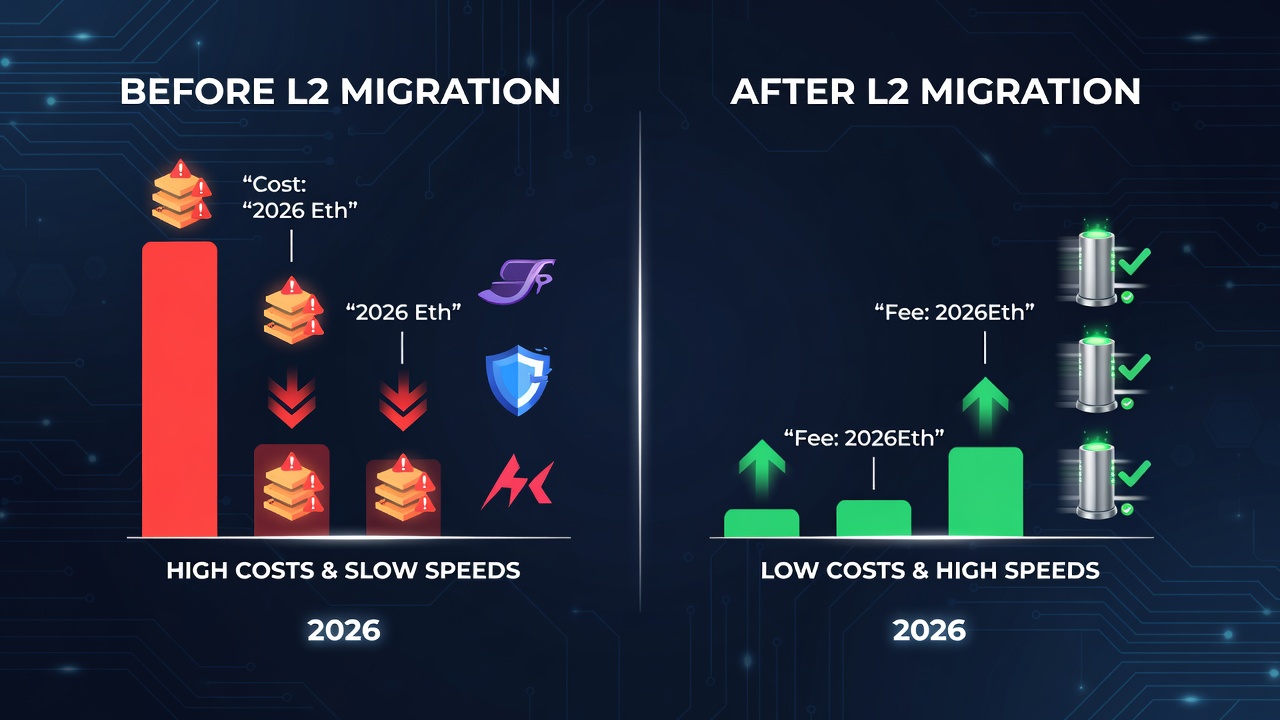
One prominent example involves a major DeFi protocol migrating to Arbitrum. Before migration, average transaction costs exceeded 50 gwei during peak periods, limiting user activity and causing frequent failed transactions. Post-migration, fees dropped dramatically, resulting in a 400 percent increase in daily active users within six months. Technical challenges such as cross-chain bridging delays were addressed through optimized fraud proofs and improved sequencer reliability. The team implemented custom retry mechanisms and batching strategies that reduced latency by 60 percent. Developers reported smoother interactions with liquidity pools and oracles, enabling new features like real-time yield optimization that were previously impractical on Layer 1.
Case Study: Optimism Implementation and User Adoption
Another success story centers on an NFT marketplace that shifted to Optimism. Pre-migration congestion led to failed transactions during high-demand drops, frustrating collectors and reducing secondary market volume. After adopting Optimism's optimistic rollup model, throughput scaled to thousands of transactions per second. User adoption metrics showed a 250 percent rise in unique wallets interacting with the platform, driven by predictable low costs and faster finality. Integration with existing DeFi protocols allowed seamless staking of NFTs as collateral, boosting overall ecosystem participation. The migration also incorporated advanced calldata compression techniques that further lowered operational expenses while maintaining full compatibility with popular wallets.
Case Study: Additional zk-Rollup Deployments
Beyond optimistic rollups, several projects successfully adopted zk-rollup solutions in 2026. A decentralized exchange focused on high-frequency trading migrated to a zkEVM environment. Pre-migration, the platform struggled with settlement delays exceeding 15 minutes during volatility spikes. Post-migration, finality times dropped below 60 seconds, attracting institutional traders. Performance metrics indicated a 15-fold increase in order book depth and a substantial reduction in slippage. These outcomes highlight how zero-knowledge proofs provide both scalability and enhanced privacy features that appeal to sophisticated users in competitive DeFi markets.
Technical Challenges Overcome in L2 Deployments
Common hurdles include state synchronization issues, oracle integration complexities, and managing upgradeable proxy contracts across multiple chains. Teams overcame these by leveraging canonical bridges and adopting standardized oracles from established providers. Security audits focused on upgradeability patterns ensured robust protection against exploits while maintaining decentralization. Additional challenges involved educating users about withdrawal periods and implementing user-friendly interfaces that abstract away L2-specific concepts. Projects that invested early in comprehensive testing frameworks reported fewer post-launch incidents and higher retention rates among both retail and professional users.
Performance Metrics and Cost Savings
Before-and-after comparisons reveal significant improvements across multiple dimensions. Transaction throughput often increases by 10 to 100 times, while gas fees fall by over 90 percent in many deployments. These metrics directly correlate with higher engagement in DeFi activities such as lending, swapping, and perpetual futures trading. Teams tracked key performance indicators including average block time, successful transaction ratio, and user retention over 90-day windows. In several documented cases, protocols achieved sustainable growth in total value locked without proportional increases in infrastructure expenses.
Integration with Existing DeFi Protocols
L2 migrations enable seamless composability across protocols. Teams integrate via shared liquidity pools and cross-L2 messaging standards that facilitate atomic swaps and collateral transfers. This fosters innovation in yield farming and derivatives trading without fragmenting user bases. For instance, lending platforms on Arbitrum now interoperate directly with derivatives protocols on Optimism through standardized bridges, creating new opportunities for leveraged strategies. Developers should evaluate messaging protocols for latency and finality guarantees before committing to multi-chain architectures.
Step-by-Step Migration Overview
- Assess current smart contract compatibility with target L2 EVM features and identify any non-standard opcodes that require refactoring.
- Deploy testnet versions to validate bridging mechanisms, oracle feeds, and gas optimization strategies under simulated load conditions.
- Implement gradual rollout using liquidity incentives and educational campaigns to migrate users while monitoring for unexpected behaviors.
- Monitor post-migration metrics for at least 30 days before full cutover, including transaction success rates and user feedback channels.
- Establish governance processes for future upgrades and maintain transparent communication with community stakeholders throughout the transition.
Before-After Comparisons
- Throughput: From 15 TPS to over 2,000 TPS with sustained reliability during peak market events.
- Average fee: Reduced from variable high costs to sub-cent levels, enabling micro-transactions previously uneconomical.
- User base growth: 200 to 500 percent uplift in active addresses, accompanied by increased session durations.
- DeFi TVL: Sustained increases due to improved accessibility and reduced barriers for new participants entering the ecosystem.
Mistakes to Avoid During L2 Implementation
Common pitfalls include underestimating withdrawal delays, neglecting comprehensive security audits on bridge contracts, and failing to communicate clearly with end users about network differences. Projects that skipped phased testing often encountered liquidity fragmentation or unexpected oracle failures. Another frequent error involves selecting an L2 without sufficient ecosystem tooling, which can delay feature releases and frustrate developer teams. Careful planning around governance token distribution across layers also prevents community division.
Future Outlook for 2027+ Developments
Looking ahead, Ethereum L2 ecosystems are expected to evolve with enhanced interoperability and zk-proof advancements. Developers should monitor upgrades to dashboards and official resources at Ethereum.org for emerging standards. Additional insights are available through data aggregators such as L2Beat, which track real-time metrics across all major rollups. These advancements promise even greater efficiency and broader institutional adoption as modular blockchain designs mature.
FAQ: Common Implementation Pitfalls
What are the biggest risks during L2 migration?
Bridge vulnerabilities and liquidity fragmentation top the list. Mitigate by using audited bridges, conducting multiple rounds of penetration testing, and planning for phased rollouts that allow rollback options if issues arise.
How long does a typical migration take?
Most projects complete core migration in 4 to 8 weeks, followed by ongoing optimization and community support phases that can extend several additional months depending on complexity.
Are there ongoing operational costs to consider?
Sequencer fees and monitoring tools represent primary recurring expenses, though they remain far lower than L1 equivalents and scale predictably with usage volume.
How should teams handle cross-L2 liquidity management?
Establish automated rebalancing mechanisms and maintain reserves on multiple networks to prevent temporary shortages that could impact trading or lending operations.
Conclusion
Ethereum L2 case studies from 2026 demonstrate clear paths to scalable, user-friendly blockchain applications. By following structured selection and migration processes, teams can achieve substantial gains in performance and adoption, setting the stage for continued innovation through 2027 and beyond.
No comments yet. Be the first!