 CryptoChain Blog
Introduction to Ethereum L2 in Healthcare
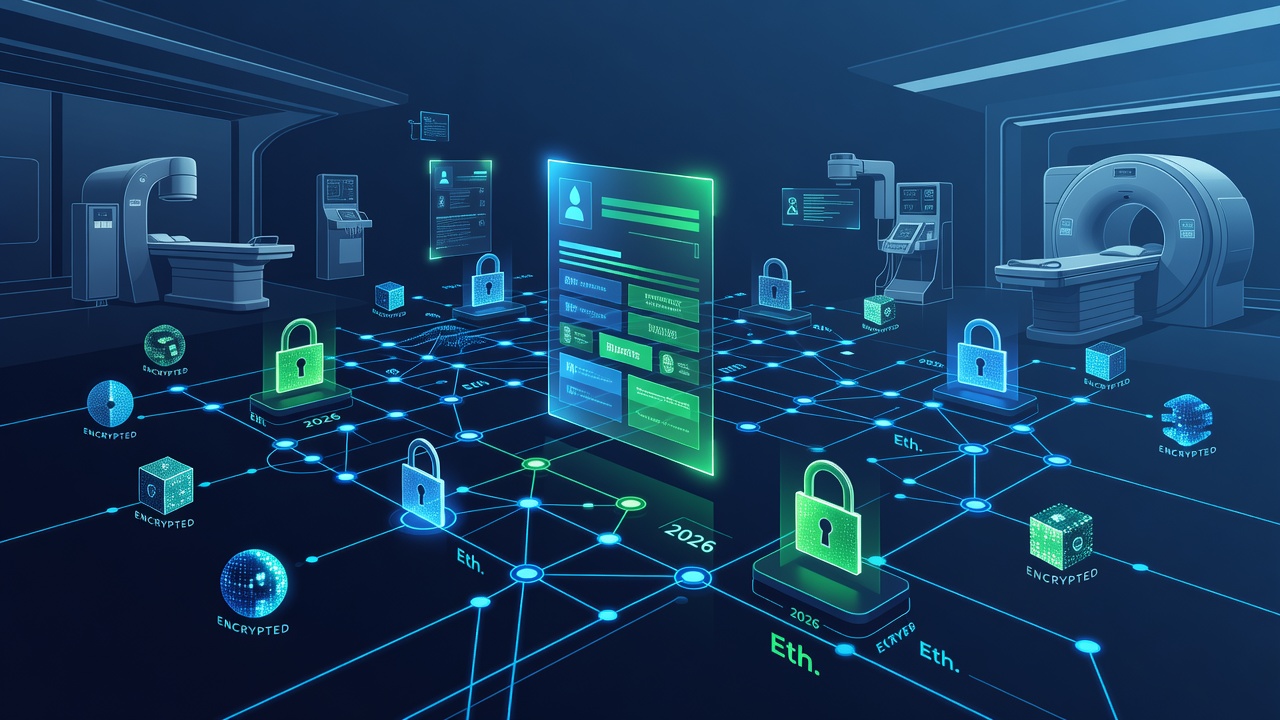
As Ethereum continues to evolve in 2026, Layer 2 solutions are emerging as critical infrastructure for healthcare applications. These scaling technologies address the blockchain's limitations in transaction speed and cost while maintaining robust security and decentralization. Patient data privacy and secure record sharing stand at the forefront, enabling providers to handle sensitive information compliantly and efficiently. The growing volume of digital health data demands solutions that can process thousands of transactions daily without compromising on encryption or regulatory standards. Recent Ethereum news highlights several regulatory developments and real-world pilots that demonstrate L2's potential in regulated sectors. This article explores these advancements in depth, offering comparisons with legacy systems, practical integration steps, and examples from leading networks.
Healthcare organizations face mounting pressure to modernize data systems amid rising cyber threats and interoperability mandates. Ethereum L2 provides a pathway forward by leveraging rollups that batch transactions off-chain before settling on the mainnet. This approach not only reduces costs but also enhances throughput, making real-time data sharing feasible for hospitals and clinics worldwide.
Why Layer 2 Solutions Matter for Healthcare Data Privacy
Traditional blockchain networks like Ethereum mainnet face challenges with high gas fees and slower throughput, making them less suitable for high-volume healthcare data transactions. Layer 2 solutions such as Optimism, Arbitrum, and zkSync mitigate these issues through rollups and zero-knowledge proofs, allowing private and secure data exchanges at scale. Patient records stored on L2 benefit from cryptographic protections that prevent unauthorized access. This is particularly vital under regulations like HIPAA in the US and GDPR in Europe, where data breaches carry severe penalties. L2 enables granular access controls, ensuring only authorized parties can view or share records. Furthermore, zero-knowledge technology allows verification of data attributes without exposing the full dataset, a game-changer for privacy-sensitive environments.
Additional benefits include resistance to single points of failure. Unlike centralized databases, L2 networks distribute data across nodes, reducing the risk of large-scale breaches. As adoption grows, these platforms are incorporating advanced features like private rollups tailored specifically for medical use cases, where compliance with data localization laws is mandatory.
Regulatory Compliance and Recent ETH News Updates
In 2026, Ethereum's ecosystem has seen positive regulatory signals. The European Union's MiCA framework and ongoing US discussions around digital assets have encouraged healthcare blockchain pilots. Ethereum Foundation resources provide ongoing guidance for developers building compliant applications. Additional clarity from bodies like the FDA on digital health tools further supports L2 experimentation in clinical settings.
Key news includes successful L2 deployments that meet data sovereignty requirements. Pilots in Europe and North America show how zero-knowledge technology on L2 can verify patient consent without revealing underlying data. These developments align with broader efforts to standardize blockchain in health, fostering trust among stakeholders including insurers, regulators, and patients.
Comparisons with Legacy Healthcare Systems
Legacy electronic health record (EHR) systems often suffer from siloed data, interoperability issues, and vulnerability to cyberattacks. In contrast, Ethereum L2 offers a decentralized alternative with immutable audit trails. Key differences emerge across several dimensions:
- Speed: L2 transactions settle in seconds versus minutes or hours on mainnet or traditional databases.
- Cost: Dramatically reduced fees enable frequent small data updates without financial strain on providers.
- Privacy: Advanced cryptography surpasses traditional centralized databases that rely on perimeter security alone.
- Interoperability: Smart contracts facilitate seamless sharing across providers, breaking down the barriers common in fragmented legacy setups.
- Resilience: Decentralized architecture minimizes downtime risks that plague centralized servers during outages or attacks.
These advantages make L2 a compelling upgrade for hospitals and clinics seeking modern solutions. Real-world benchmarks from 2026 pilots indicate L2 systems handle patient record queries up to ten times faster while maintaining full auditability.
Practical Integration Steps for Healthcare Providers
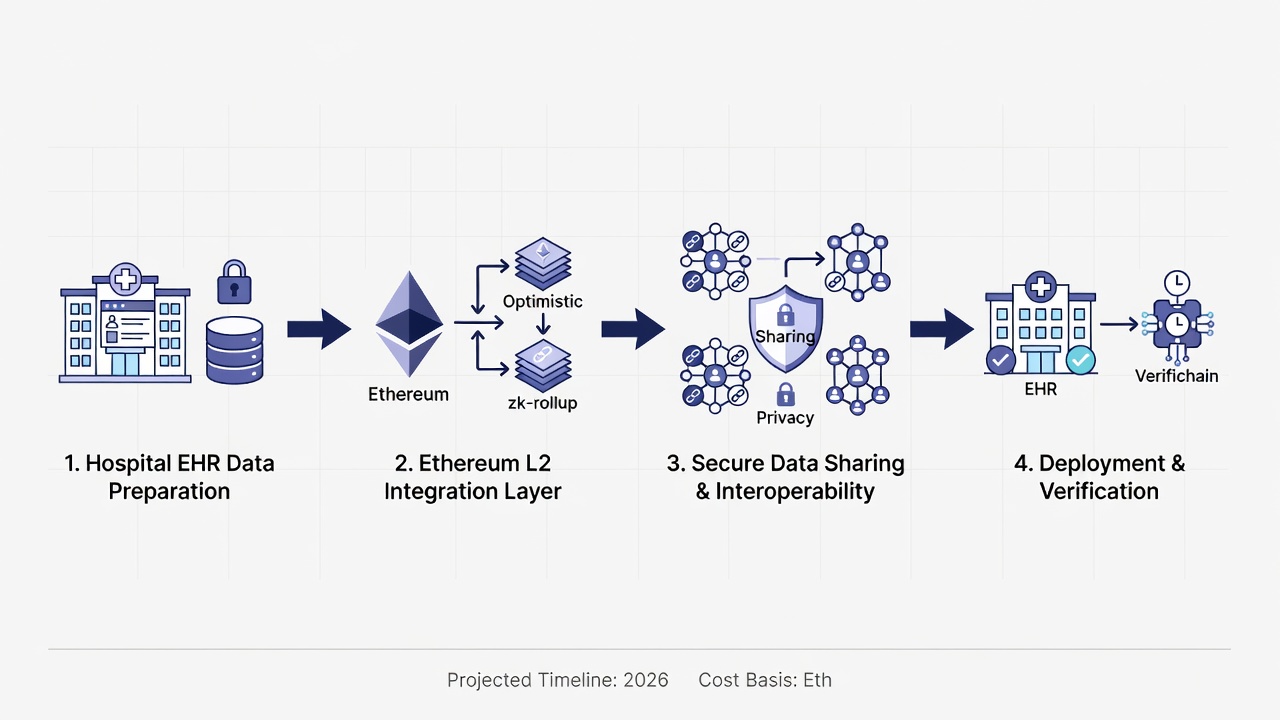
Integrating Ethereum L2 into healthcare workflows requires careful planning. Here are actionable steps providers can follow to ensure successful adoption:
- Assess current infrastructure and identify data-sharing pain points through internal audits and stakeholder interviews.
- Select an L2 network aligned with compliance needs, such as those supporting private rollups and enterprise-grade security features.
- Develop or adopt smart contracts for consent management and record hashing, testing them rigorously in sandbox environments.
- Partner with wallet providers and identity solutions for secure user authentication that integrates with existing EHR platforms.
- Conduct pilot testing with a small patient cohort before full rollout, monitoring metrics like transaction latency and error rates.
- Train staff on new protocols and monitor for regulatory updates through ongoing education programs.
- Establish governance frameworks that include legal review and periodic security assessments by third-party auditors.
Providers should also consult legal experts to ensure alignment with local health data laws and budget for ongoing maintenance of smart contract updates.
Tokenization of Medical Assets on L2
Beyond records, L2 enables tokenization of medical assets like research data, clinical trial results, and even supply chain items for pharmaceuticals. Tokenized assets can be traded or shared securely, unlocking new economic models while preserving privacy through selective disclosure features. Real-world examples include pilots on Arbitrum where tokenized patient consent forms streamline multi-institution studies. These initiatives reduce administrative overhead and accelerate medical research timelines.
Tokenization also supports fractional ownership of intellectual property from drug discoveries, allowing smaller entities to participate in funding rounds. This democratizes access to innovation funding while L2's efficiency keeps transaction costs manageable for frequent updates.
Examples from Leading L2 Networks
Optimism has supported healthcare projects focusing on decentralized identity for patient portals, enabling seamless logins across affiliated clinics. Arbitrum pilots emphasize supply chain transparency for medical devices, tracking provenance from manufacturer to point of care with tamper-proof logs. zkSync's zero-knowledge capabilities shine in scenarios requiring verifiable yet private data exchanges, such as cross-border record sharing between European and US facilities. These networks demonstrate how L2 can scale to millions of transactions daily without compromising security, with documented case studies showing reduced reconciliation times by over 60 percent in participating hospitals.
Addressing Security Concerns: FAQ
How secure is patient data on Ethereum L2?
L2 inherits Ethereum's security model while adding layers of encryption. Data is never stored in plaintext, and access is governed by smart contract logic that can be audited publicly.
What about regulatory audits?
Most L2 solutions offer transparent on-chain logs that simplify compliance audits. Organizations like World Health Organization have begun exploring blockchain standards for global health data.
Can L2 handle high-volume hospital data?
Yes, rollup technology supports thousands of transactions per second, far exceeding legacy system capabilities in many cases and scaling to enterprise demands.
What risks remain?
Smart contract vulnerabilities and user error are primary concerns. Regular audits and multi-signature controls mitigate these risks effectively when implemented correctly.
How does L2 compare to permissioned blockchains in healthcare?
While permissioned chains offer controlled access, public L2 networks provide greater transparency and censorship resistance, which can enhance trust in multi-party collaborations.
Conclusion
Ethereum L2 healthcare applications in 2026 represent a transformative shift toward secure, private, and interoperable data management. By leveraging recent regulatory progress and proven pilots, providers can adopt these technologies strategically. The combination of privacy-preserving tech, practical integration paths, and tokenization opportunities positions L2 as a cornerstone for the future of healthcare on Ethereum. Continued innovation in this space promises even broader applications as networks mature and regulatory frameworks solidify.


No comments yet. Be the first!