 CryptoChain Blog
Introduction to Ethereum L2 NFT Growth in 2026
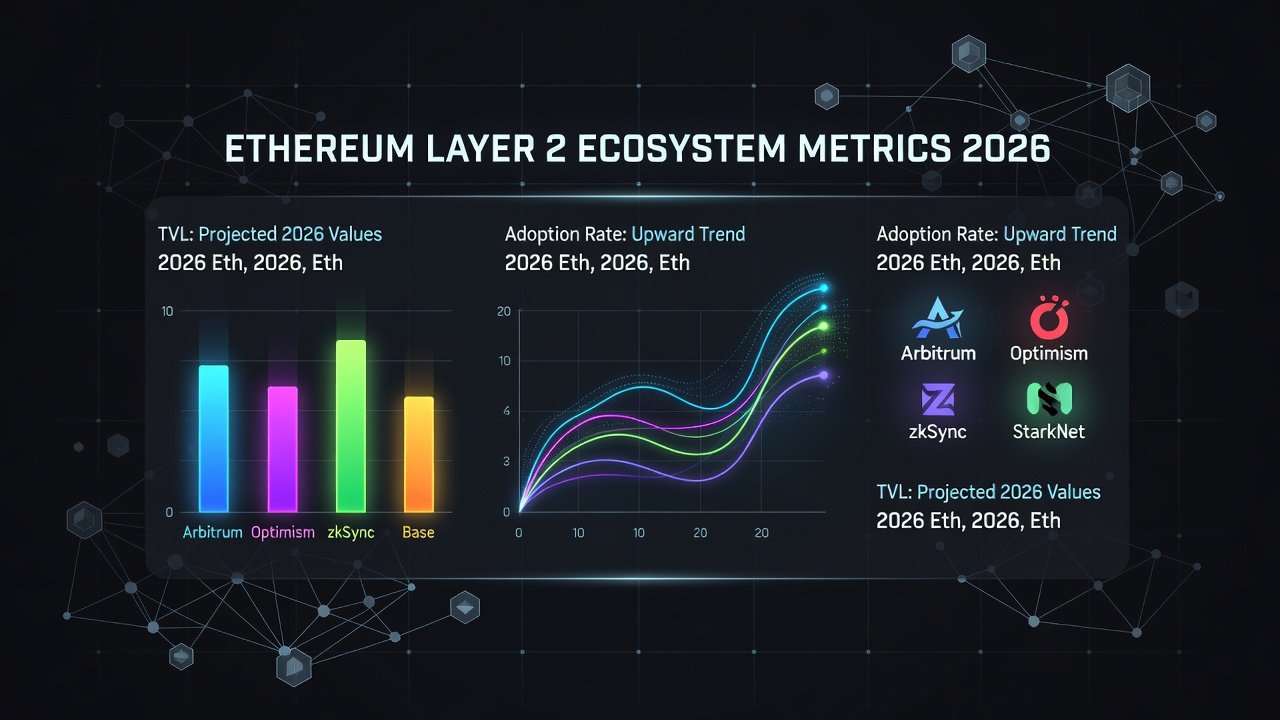
The Ethereum Layer 2 ecosystem has transformed NFT markets by dramatically lowering fees and increasing scalability. In 2026, NFT-specific metrics such as trading volume and creator adoption continue to surge across optimistic rollups and other scaling solutions. This growth builds on prior scaling successes, enabling new minting models and broader participation from artists worldwide. Layer 2 networks address Ethereum's historical congestion issues, allowing seamless transactions that were previously cost-prohibitive. As adoption accelerates, platforms are seeing retention strategies that focus on community engagement and innovative features. The overall shift has democratized access, letting independent creators bypass high mainnet costs while still benefiting from Ethereum's security guarantees.
Beyond basic volume increases, 2026 highlights qualitative shifts like deeper integration with social platforms and real-world asset tokenization. Artists now experiment with time-based NFTs and interactive experiences that evolve based on community votes. This expansion reflects broader maturation of the Web3 space, where L2s serve as the primary on-ramp for mainstream users interested in digital collectibles.
Key NFT Metrics Driving L2 Expansion
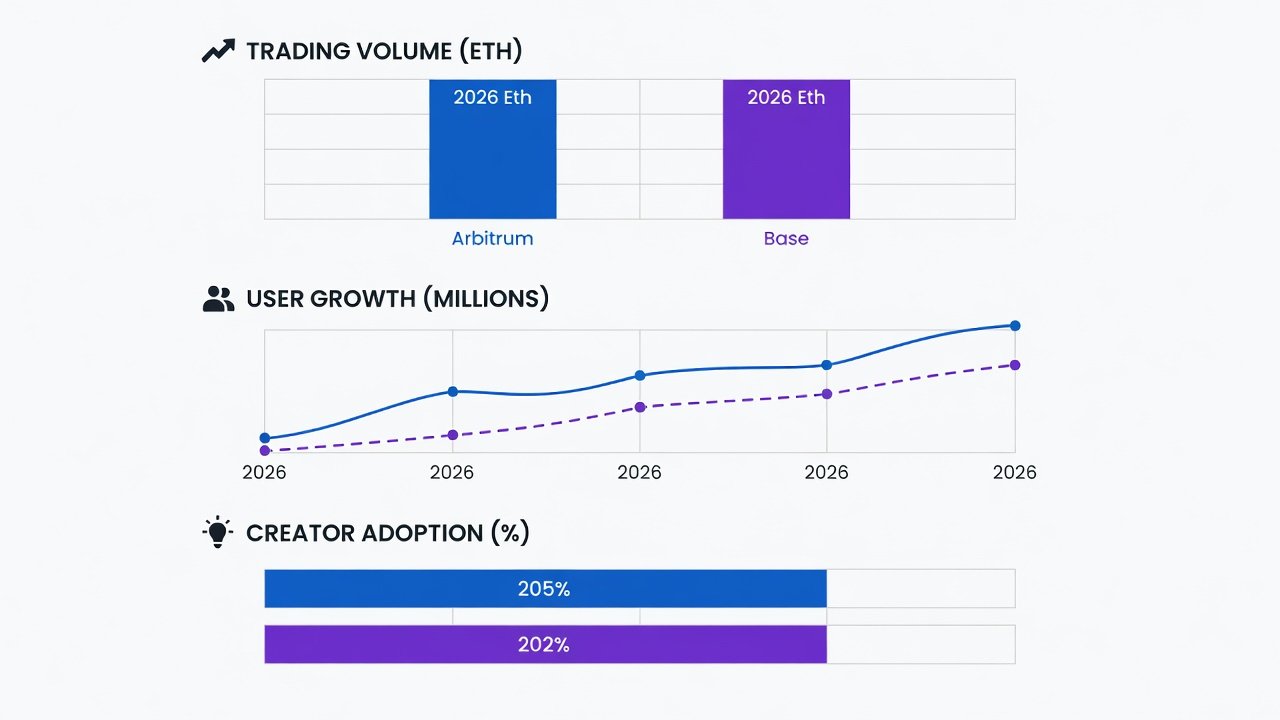
Trading volume on L2 networks has become a primary indicator of ecosystem health. Creator adoption rates highlight how artists migrate to fee-efficient environments, unlocking experimental minting approaches like dynamic NFTs and fractional ownership. Monthly active creator wallets have shown consistent upward trajectories, with many projects reporting double-digit growth in new mints compared to 2025 baselines. Retention strategies emphasize low-friction onboarding and rewards programs that keep creators engaged beyond initial launches.
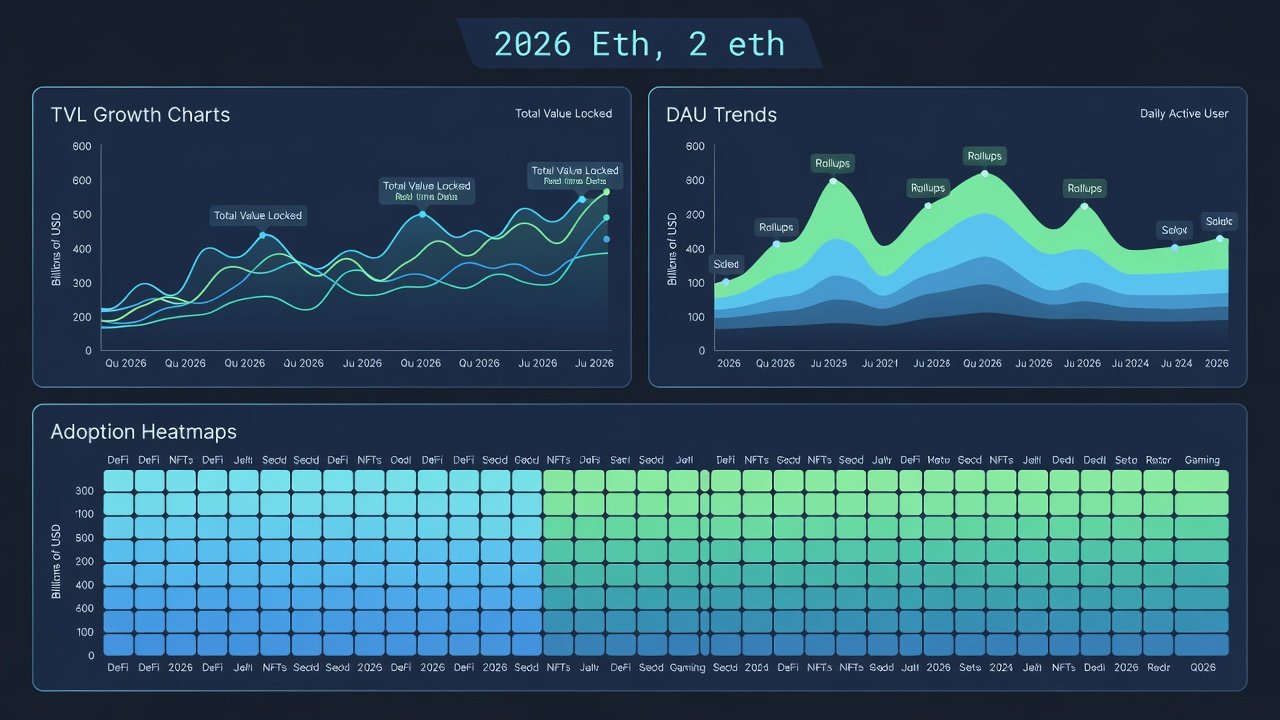
Data visualizations of user growth typically include line charts tracking weekly active addresses and bar graphs comparing marketplace volumes across chains. These visuals often reveal seasonal spikes tied to major art fairs or digital exhibitions. Emerging metrics also track secondary market liquidity and royalty payouts, providing deeper insight into sustainable creator economies rather than one-time hype cycles.
Platform Comparison: Arbitrum Versus Base for NFT Marketplaces
Arbitrum and Base stand out as leading L2 choices for NFT marketplaces in 2026. Arbitrum offers robust tooling for complex smart contracts, appealing to established projects seeking high throughput. Base, with its Coinbase backing, provides seamless fiat on-ramps that simplify entry for new users. Key differences include ecosystem maturity and developer support. Arbitrum excels in DeFi-NFT hybrids, while Base drives mainstream adoption through user-friendly interfaces. Emerging marketplaces on both chains introduce unique features like AI-assisted curation to boost discoverability.
When evaluating platforms, consider factors such as bridge speed, oracle integration for dynamic NFTs, and community governance tools. Arbitrum's Nitro technology enables faster finality for high-frequency trading scenarios, whereas Base prioritizes developer experience with simplified deployment scripts. Many creators run A/B tests by launching limited editions on each chain to measure collector preferences directly.
Real-World Case Studies of Fee Reductions
Fee reductions on L2s have enabled creators to experiment with novel minting models, such as batch mints and subscription-based collections. One notable example involves tokenized art projects that integrated with traditional finance platforms for fractional shares, expanding access beyond crypto-native audiences. Another case study features a generative art collective that reduced mint costs enough to offer weekly drops, resulting in sustained community growth and higher overall engagement rates.
These case studies demonstrate how lower costs translate to higher minting frequency and diversified revenue streams for artists. Retention improves when projects offer ongoing utility, such as exclusive events tied to NFT ownership. A third example from music NFT platforms shows how artists used saved fees to fund physical merchandise redemptions, bridging digital and tangible worlds successfully.
Integration with TradFi for Tokenized Art
Tokenized art on L2 networks bridges the gap between NFTs and traditional finance. Partnerships with established institutions allow for compliant fractional ownership and secondary market liquidity. This integration attracts institutional interest while maintaining the decentralized ethos of Ethereum. Artists benefit from new funding avenues, including tokenized royalties that flow through regulated channels. Ethereum.org provides foundational resources on scaling solutions that support such hybrid models.
Real-world implementations often involve audited smart contracts that interface with traditional banking rails, enabling collectors to purchase shares using familiar payment methods. This reduces barriers for high-value art pieces and creates recurring revenue opportunities through automated royalty distributions across both crypto and fiat systems.
Practical Steps for Artists Launching on L2
Artists can follow these detailed steps to launch successfully on Layer 2:
- Research and select an L2 network based on target audience demographics and technical requirements, reviewing recent user growth reports.
- Set up a compatible wallet and complete the bridging process using official tools to transfer ETH or other assets efficiently.
- Audit or use verified NFT contract templates to avoid common security pitfalls during deployment.
- Choose an emerging marketplace with strong discovery algorithms and built-in marketing support.
- Design retention tactics such as tiered membership benefits, community airdrops, and interactive NFT utilities that encourage repeat engagement.
- Launch a test collection first, gather feedback, then scale to full campaigns while monitoring on-chain analytics.
Common mistakes to avoid include neglecting gas optimization during high-traffic drops and failing to communicate clearly about bridging requirements to collectors. Arbitrum.io offers detailed developer guides for NFT contracts, and similar resources exist for other networks.
Emerging Marketplaces and Retention Strategies
Beyond established platforms, new marketplaces focus on niche genres like generative art and music NFTs. Retention strategies include gamified experiences, cross-chain compatibility, and personalized recommendation engines that keep users returning. Fresh angles emphasize sustainability features, such as carbon-negative minting options, which resonate with environmentally conscious creators and collectors alike.
Successful retention often combines on-chain incentives with off-chain community building, such as Discord events or IRL meetups. Projects that track metrics like repeat purchase rates and social sharing velocity tend to outperform those focused solely on initial sales volume.
Frequently Asked Questions
How do I migrate my NFT collection to an L2?
Use official bridging tools and update metadata on the target chain. Test with a small batch to verify compatibility before moving larger holdings.
What are the main benefits over mainnet Ethereum?
Significantly reduced transaction costs and faster confirmations enable more frequent interactions and experimental features without sacrificing security.
Which L2 is best for beginners?
Base often suits newcomers due to its intuitive integrations, while Arbitrum appeals to those needing advanced functionality and DeFi composability.
Are there risks involved with L2 migrations?
Bridge vulnerabilities and smart contract risks exist, so always use audited tools and start small while monitoring community feedback.
How can I measure success after launching on L2?
Track metrics including trading volume, holder retention rates, and secondary sales activity through platform dashboards and on-chain explorers.
Conclusion
The Ethereum L2 NFT ecosystem in 2026 presents unprecedented opportunities for growth and innovation. By leveraging platform comparisons, real case studies, and targeted strategies, creators can position themselves for sustained success in this evolving landscape. Continued focus on user experience and retention will determine long-term winners. Base.org and related resources offer ongoing updates for participants navigating this dynamic space.
No comments yet. Be the first!