 CryptoChain Blog
Introduction to Ethereum L2 Token Standards in 2026
As Ethereum continues its evolution through layer-2 scaling solutions, token standards are advancing to meet the demands of a maturing ecosystem. In 2026, developers and DeFi teams encounter fresh opportunities with standards that boost interoperability, lower operational costs, and simplify cross-chain interactions. This comprehensive guide explores emerging L2 token standards, centering on ERC-7824, while delivering practical details on bridging mechanics, fee abstraction advantages, gas cost comparisons across leading rollups, and a detailed launch checklist supported by real protocol examples.
The progression of these standards directly tackles persistent challenges in cross-chain asset movement and transaction efficiency. Teams building decentralized applications on Arbitrum, Optimism, Base, and zkSync now leverage features that abstract fees and support regulatory alignment without sacrificing performance. Understanding these updates helps developers identify implementation angles that deliver measurable improvements in user experience and protocol resilience.
Understanding ERC-7824 and Emerging L2 Standards
ERC-7824 represents a significant advancement by incorporating enhanced token metadata structures and permissioned transfer capabilities optimized specifically for layer-2 environments. It extends the foundations of ERC-20 fungible tokens and ERC-721 non-fungible tokens while introducing native compatibility with rollup features such as state compression and conditional execution logic. These additions minimize on-chain storage overhead and facilitate atomic bridging operations that reduce the risk of partial failures during transfers.
Additional 2026 standards include modular extensions for account abstraction at the token level and flexible fee delegation frameworks. Such innovations empower DeFi protocols to embed gas sponsorship mechanisms directly into token contracts, creating smoother onboarding flows. Developers gain the ability to implement subscription models where fees settle periodically rather than per transaction, which proves especially valuable in high-frequency trading or recurring payment scenarios. The standard also supports conditional metadata updates that adapt based on rollup state, offering greater flexibility than previous iterations.
Bridging Mechanics Across L2 Ecosystems
Effective bridging of tokens between Ethereum mainnet and various L2 rollups demands precise coordination between canonical bridges and third-party liquidity solutions. ERC-7824 tokens integrate seamlessly with both optimistic and zero-knowledge rollup bridges by embedding withdrawal proof requirements within the contract itself. This design reduces reliance on external oracles and enhances security through built-in verification steps.
Core bridging mechanics typically encompass several stages. First, canonical bridge deposits lock the original tokens on layer-1 while minting equivalent representations on the target rollup. Second, fast withdrawal pathways utilize liquidity providers to enable near-instant transfers, bypassing standard challenge periods. Third, cross-rollup messaging protocols preserve token provenance and metadata integrity throughout the journey. Developers must thoroughly audit bridge contracts for vulnerabilities such as reentrancy attacks and confirm that ERC-7824 metadata remains synchronized during every transfer event. Practical testing on testnets like Sepolia helps surface edge cases before mainnet deployment.
Fee Abstraction Benefits for Developers
Fee abstraction mechanisms permit protocols to assume gas costs on behalf of end users or redirect payments to alternative tokens. Under ERC-7824, tokens can designate fee payers at the contract level, supporting seamless experiences in complex DeFi applications. This capability eliminates the need for users to maintain native gas token balances, lowering barriers to entry for new participants.
Additional advantages appear in multi-chain deployments where a unified fee abstraction layer handles costs across multiple rollups. Protocols can implement dynamic fee routing that selects the most economical path based on current network conditions. Real-world examples include DeFi platforms that sponsor gas for liquidity provision actions, resulting in higher user retention and increased transaction volume. Teams should evaluate integration complexity against expected savings by running simulations on representative workloads.
Gas Cost Comparisons Across Major Rollups
Gas efficiency demonstrates notable variation between optimistic rollups and zero-knowledge implementations. ERC-7824 deployments frequently achieve reduced calldata consumption relative to legacy ERC-20 transfers, particularly when handling metadata-heavy operations. Optimistic rollups such as Arbitrum and Optimism often deliver lower costs for straightforward transfers, whereas zk-rollups excel in scenarios involving complex conditional logic due to proof compression techniques.
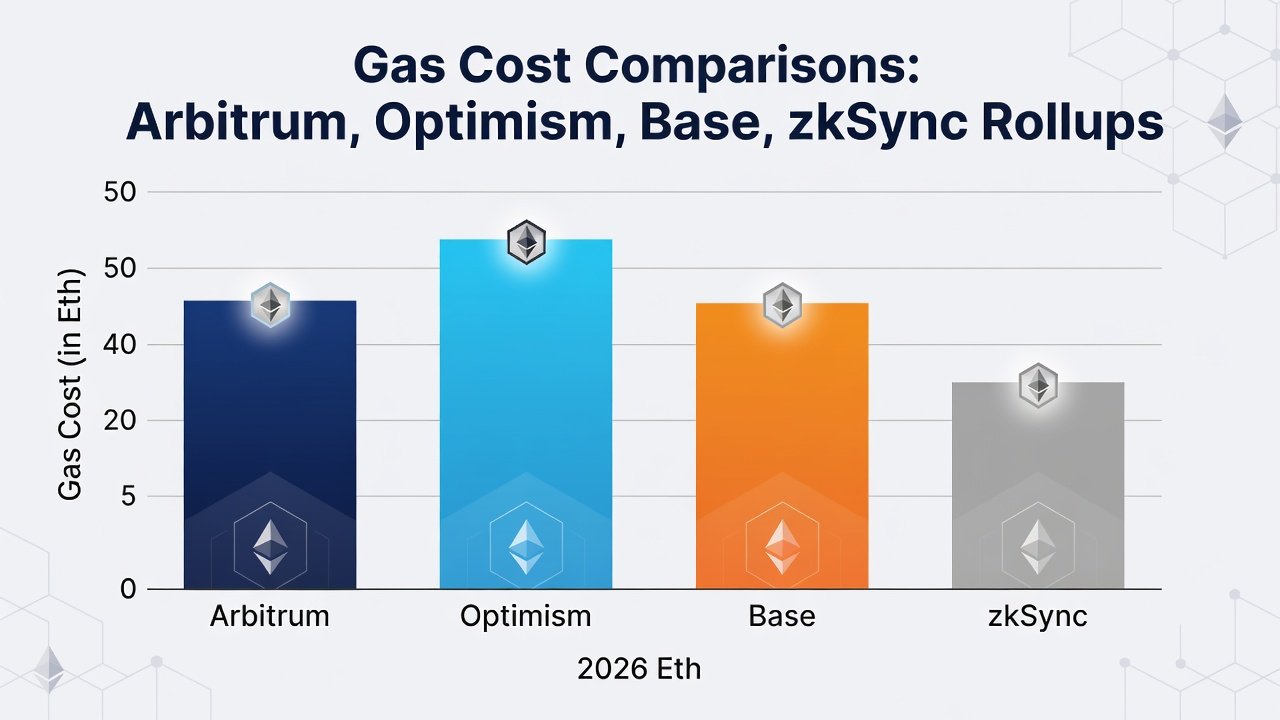
Comparative analysis reveals that teams should benchmark specific use cases using public block explorers and local simulation environments. Factors influencing final costs include calldata size, proof generation overhead, and batching efficiency. For instance, high-throughput applications benefit from zk-rollup architectures when transaction complexity increases, while simpler payment flows remain economical on optimistic platforms. Continuous monitoring after deployment allows teams to adjust strategies as network conditions evolve.
Step-by-Step Launch Checklist
Successful deployment requires methodical preparation. Begin by auditing token contracts against ERC-7824 specifications and applying L2-specific optimizations such as storage packing. Next, evaluate primary rollup candidates according to liquidity depth, bridge reliability, and ecosystem tooling maturity. Implement fee abstraction modules early and validate delegation flows across multiple user scenarios.
Subsequent steps include configuring canonical bridges while verifying metadata consistency, conducting comprehensive gas profiling on each target rollup, and establishing monitoring dashboards for bridge events and fee settlements. Finally, publish detailed documentation that covers interoperability flows, compliance considerations, and troubleshooting guidance. Following this sequence minimizes post-launch issues and accelerates time to production.
Real Protocol Examples
Several live protocols illustrate effective adoption of advanced token standards. Implementations on Optimism power decentralized exchanges that incorporate native fee abstraction, enabling gasless swaps for retail users. Projects deployed on Arbitrum utilize enhanced bridging capabilities to support cross-rollup yield aggregation strategies with minimal latency. Additional examples appear in Base ecosystem applications that leverage ERC-7824 metadata for dynamic compliance tagging during token transfers. These cases demonstrate reduced deployment complexity while preserving the security model expected by institutional participants.
Common Mistakes to Avoid
Many teams encounter avoidable setbacks during implementation. Overlooking metadata synchronization across bridges frequently leads to failed transfers or inconsistent token states. Neglecting thorough gas profiling on secondary rollups can result in unexpectedly high operational expenses. Another frequent error involves insufficient testing of fee delegation under varying network congestion levels, which may break user-facing flows. Developers should also avoid hardcoding bridge addresses without upgrade paths, as protocol changes on L2s can invalidate assumptions made during initial development.
Future Outlook and Interoperability Trends
Looking ahead, ERC-7824 and related standards are expected to integrate more deeply with emerging account abstraction frameworks and cross-chain messaging protocols. Enhanced support for conditional execution will enable sophisticated DeFi primitives such as automated compliance checks and dynamic fee routing. Interoperability between additional rollups will likely improve through standardized messaging layers, reducing fragmentation for multi-chain applications. Staying aligned with developments documented on authoritative resources like ethereum.org and arbitrum.io positions teams to capitalize on these advancements promptly.
FAQ on Compliance and Interoperability
How does ERC-7824 affect regulatory compliance?
The standard incorporates optional compliance flags that off-chain systems can query, facilitating KYC and AML processes while keeping core token functionality unchanged.
Is ERC-7824 interoperable with existing L1 tokens?
Compatibility is achieved through wrapper contracts that preserve backward compatibility and unlock L2-specific capabilities upon bridging.
What rollups currently support ERC-7824?
Leading support exists on Optimism, Arbitrum, and Base, with expanding coverage across additional zero-knowledge rollups expected throughout 2026.
Can fee abstraction introduce new security risks?
Proper implementation requires careful access control on fee payer designations to prevent unauthorized sponsorship; audits focused on delegation logic are recommended.
Conclusion
Ethereum L2 token standards in 2026, led by ERC-7824, equip developers with robust tools for efficient bridging and intelligent fee management. By adhering to structured checklists, examining real deployments, and anticipating common pitfalls, DeFi teams can build resilient solutions that emphasize both user experience and cost control. Regular reference to official Ethereum documentation ensures continued alignment with protocol-level improvements and emerging best practices.
No comments yet. Be the first!