 CryptoChain Blog
Ethereum L2 Trends 2026: Fresh ETH News & Insights
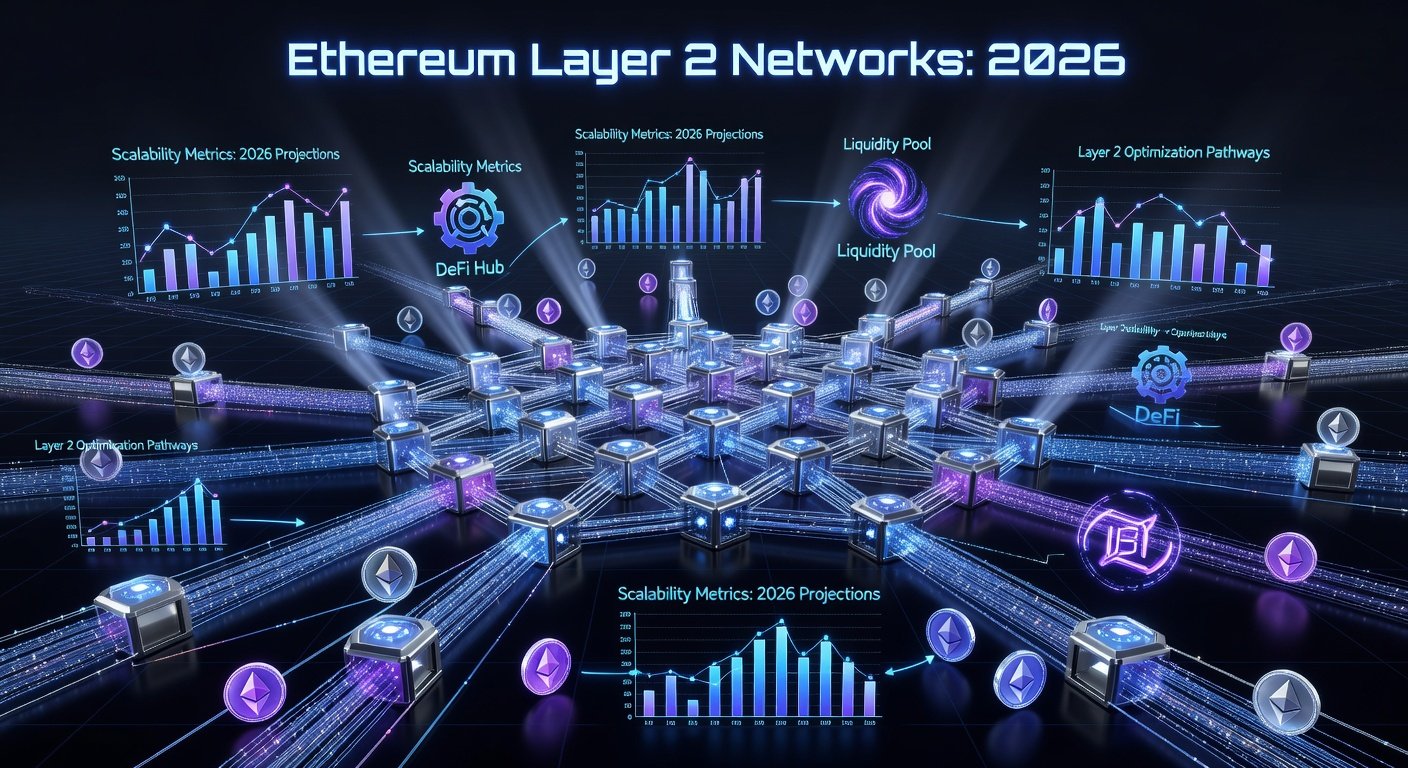
Ethereum remains the foundation for much of the decentralized web, yet its Layer 2 ecosystem is where the most dynamic progress is occurring. In 2026, Layer 2 solutions are evolving rapidly to meet demands for higher throughput, lower costs, and richer functionality. This article explores the latest trends shaping these networks, offering readers detailed insights into scalability innovations, real adoption data, and practical advice for navigating the space.
Understanding Ethereum Layer 2 Scalability
Ethereum's mainnet provides unmatched security through its proof-of-stake consensus, but transaction capacity stays limited. Layer 2 networks solve this by processing activity off the base layer and posting compressed results back to Ethereum. This design preserves decentralization while dramatically increasing speed. Common approaches include optimistic rollups that assume validity until challenged and zero-knowledge rollups that provide cryptographic proof of correctness. Both models continue to mature, with developers focusing on reducing withdrawal times and enhancing data availability options.
Modular blockchain designs are gaining traction, allowing teams to customize execution, settlement, and data availability layers independently. These advancements enable specialized L2s tailored for gaming, payments, or complex DeFi strategies without compromising overall network integrity.
Key Adoption Metrics in 2026
Usage statistics reveal strong momentum across leading L2 platforms. Daily active addresses have climbed steadily as more applications migrate or deploy natively on these networks. Total value locked in DeFi protocols on L2s reflects growing confidence, with liquidity pools supporting sophisticated trading pairs and lending markets. Performance improvements are evident in average transaction finality times dropping to seconds rather than minutes, directly benefiting high-frequency trading and automated strategies.
Developers note that ecosystem growth is supported by improved tooling, including better SDKs and analytics dashboards that help teams monitor on-chain activity in real time.
Emerging Trends Driving Innovation
Zero-knowledge technology is expanding beyond simple transfers into areas like verifiable machine learning and private voting systems. Meanwhile, account abstraction is simplifying user onboarding by removing the need for seed phrases and enabling social recovery options. Cross-L2 communication protocols are also maturing, reducing friction when moving assets between optimistic and zk-based environments.
Another notable trend involves hybrid architectures that combine multiple scaling techniques, allowing projects to optimize for both cost and security depending on the use case.
New Protocol Integrations and Examples
Recent deployments illustrate these trends in action. Several established DeFi platforms have launched on additional L2s to tap into new user segments while maintaining unified liquidity across environments. For instance, perpetual futures exchanges now operate seamlessly on both optimistic and zk-rollups, offering users choice based on fee structures and confirmation speeds. Gaming projects are integrating L2s with custom virtual machines to handle thousands of in-game actions per second without congesting the main Ethereum chain.
These integrations often leverage shared sequencers to coordinate ordering across networks, improving overall composability for developers building complex applications.
Real-World Performance Gains for DeFi Users
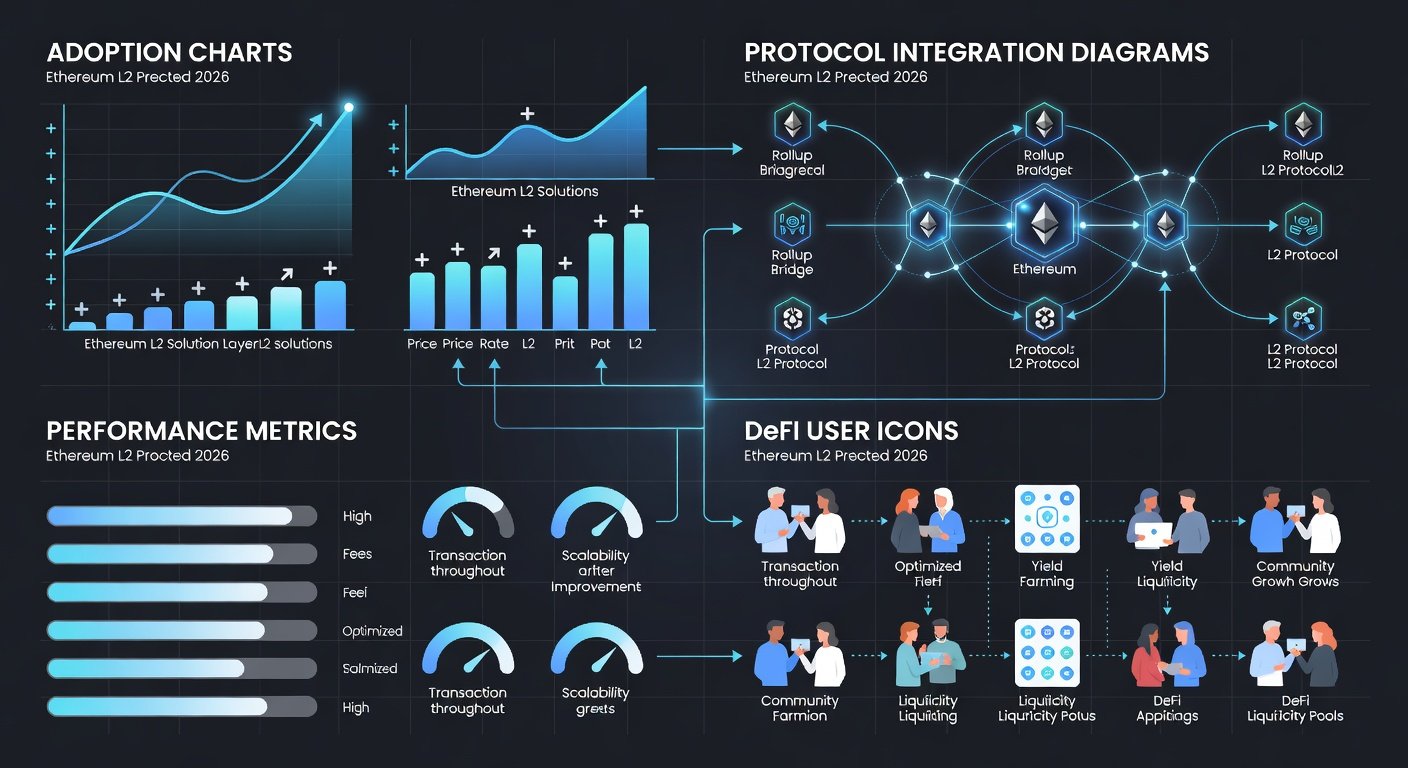
DeFi participants experience tangible benefits from L2 advancements. Swap execution on automated market makers completes in under a second with minimal price impact, even during volatile market periods. Lending protocols benefit from more frequent interest rate updates, allowing users to capture yield opportunities that would be impractical on the base layer. Real examples include liquidity providers earning competitive returns on stablecoin pairs with significantly reduced gas overhead compared to earlier years.
Portfolio management tools built on L2s now support real-time rebalancing across multiple protocols, enhancing capital efficiency for both retail and institutional users.
Step-by-Step Guide to Evaluating New L2 Options
Selecting the right Layer 2 requires careful analysis. Begin by examining the security assumptions, particularly how the network posts data to Ethereum and handles disputes. Next, review independent benchmarks for throughput and cost under various load conditions. Assess the maturity of developer resources, including documentation, testnets, and community support channels. Evaluate interoperability features such as native bridges and messaging protocols that connect to other ecosystems. Finally, study governance mechanisms to understand how upgrades are proposed and executed over time.
Applying these steps helps teams avoid common pitfalls and align technology choices with project goals.
Comparison of L2 Trend Impacts
| Trend | Impact on Scalability | DeFi Benefits | Adoption Driver |
|---|---|---|---|
| ZK-Rollup Expansion | High throughput gains with instant finality | Privacy-enhanced trading and verifiable computations | Lower verification costs and enhanced security |
| Modular Designs | Flexible customization of layers | Seamless cross-protocol composability | Developer efficiency and specialization |
| Account Abstraction | Improved user experience flows | Simplified wallet interactions and recovery | Broader user onboarding and retention |
| Shared Sequencers | Coordinated transaction ordering | Reduced fragmentation across networks | Improved liquidity aggregation |
Risks and Implementation Considerations
Despite the advantages, participants should remain aware of potential risks. Bridge vulnerabilities can expose funds during cross-chain transfers, while sequencer centralization may introduce single points of failure in some designs. Regular monitoring of audit reports and network health metrics is essential before committing substantial capital or development resources.
Mistakes to Avoid When Exploring L2s
- Overlooking differences in withdrawal periods between optimistic and zk-rollups.
- Ignoring liquidity depth when selecting networks for DeFi activities.
- Failing to test smart contracts on the target L2 before mainnet deployment.
- Assuming all L2s offer identical security guarantees without reviewing their specific architectures.
FAQ
What are the main benefits of Ethereum L2s in 2026?
L2s deliver faster confirmations, lower fees, and expanded functionality while relying on Ethereum for settlement and security, enabling more accessible DeFi participation.
How do I choose between different L2 solutions?
Follow the structured evaluation process covering security, performance, tooling, interoperability, and governance to match the network with your specific requirements.
Are there risks with new L2 deployments?
Potential risks include smart contract bugs, bridge exploits, and varying levels of decentralization; thorough due diligence and ongoing monitoring mitigate these concerns.
Can L2s support complex DeFi strategies?
Yes, many L2s now handle advanced use cases like leveraged trading, options, and structured products with performance that rivals centralized platforms.
What role does interoperability play in L2 adoption?
Strong interoperability reduces fragmentation, allowing assets and data to flow freely and creating a more unified ecosystem for users and developers alike.
Conclusion
The Layer 2 landscape in 2026 offers exciting opportunities for scalability and innovation on Ethereum. By understanding trends, studying metrics, and applying systematic evaluation methods, readers can make informed decisions that maximize benefits while managing risks. Continue learning through resources like Ethereum.org and stay updated with analysis from CoinDesk and DefiLlama.
No comments yet. Be the first!