 CryptoChain Blog
Introduction to Ethereum L2 Adoption in 2026
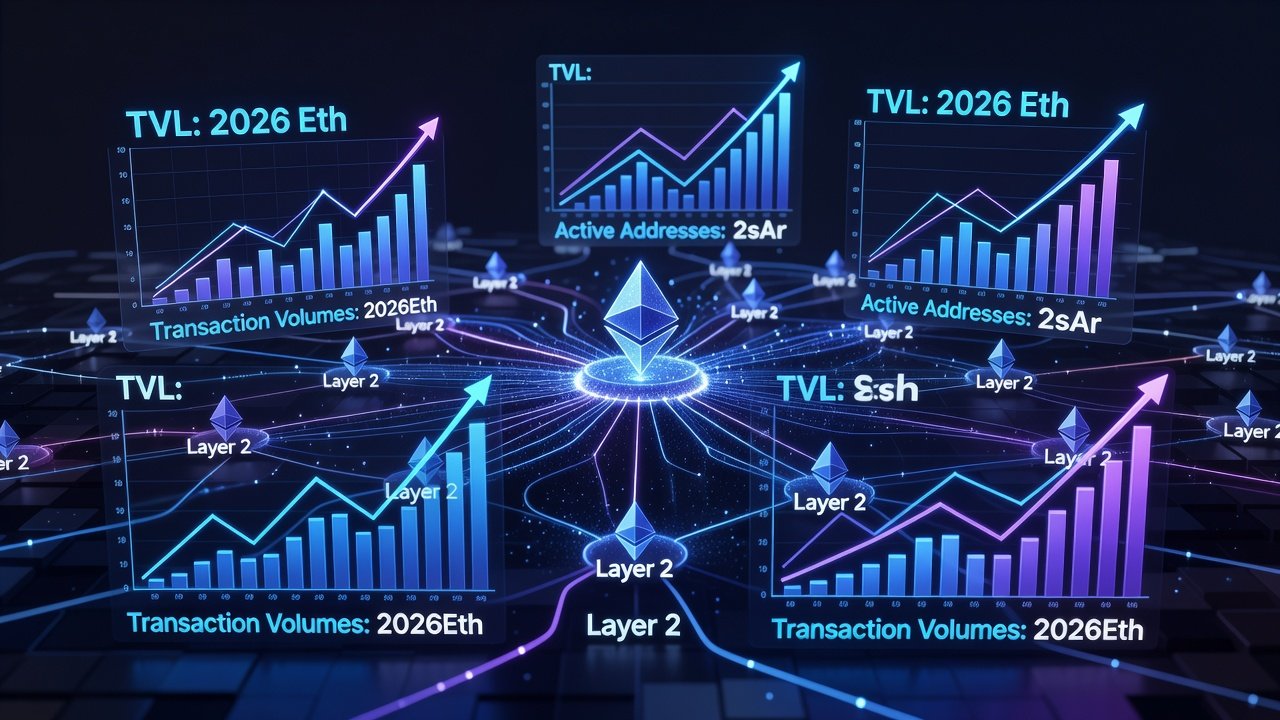
Ethereum Layer 2 solutions continue to reshape blockchain scalability in profound ways, with user adoption surging through improved metrics and growing institutional interest. This comprehensive analysis examines 2026 trends using total value locked (TVL), active addresses, and transaction volumes from major rollups. It highlights how TradFi integrations accelerate growth while providing comparisons across leading L2s and practical guidance for tracking these signals. As Ethereum's base layer matures, Layer 2 networks have become the primary venues for everyday activity, enabling faster and cheaper transactions that attract both retail users and large institutions.
The shift toward L2 dominance reflects broader ecosystem expansion. Developers benefit from reduced congestion on the mainnet, while users enjoy sub-cent fees and near-instant finality. These improvements have translated into measurable adoption gains throughout 2026, supported by infrastructure advancements and strategic partnerships.
Key Metrics Driving L2 User Adoption
Understanding adoption requires focusing on three core indicators that together paint a complete picture of network health. TVL measures capital committed to protocols and serves as a proxy for economic activity and trust in the ecosystem. Active addresses reflect unique user engagement and help distinguish between speculative spikes and sustained participation. Transaction volume indicates overall network activity, revealing how frequently users interact with decentralized applications.
In 2026, these metrics reveal robust expansion across optimistic and zero-knowledge rollups. For instance, optimistic rollups often lead in transaction throughput because of their mature tooling and lower computational overhead during batch processing. Zk-rollups, by contrast, excel in security-focused use cases where cryptographic proofs provide stronger guarantees for institutional participants. Tracking these indicators over time allows investors and developers to identify which networks are genuinely scaling versus those experiencing temporary hype-driven growth.
Comparisons Across Leading Ethereum L2s
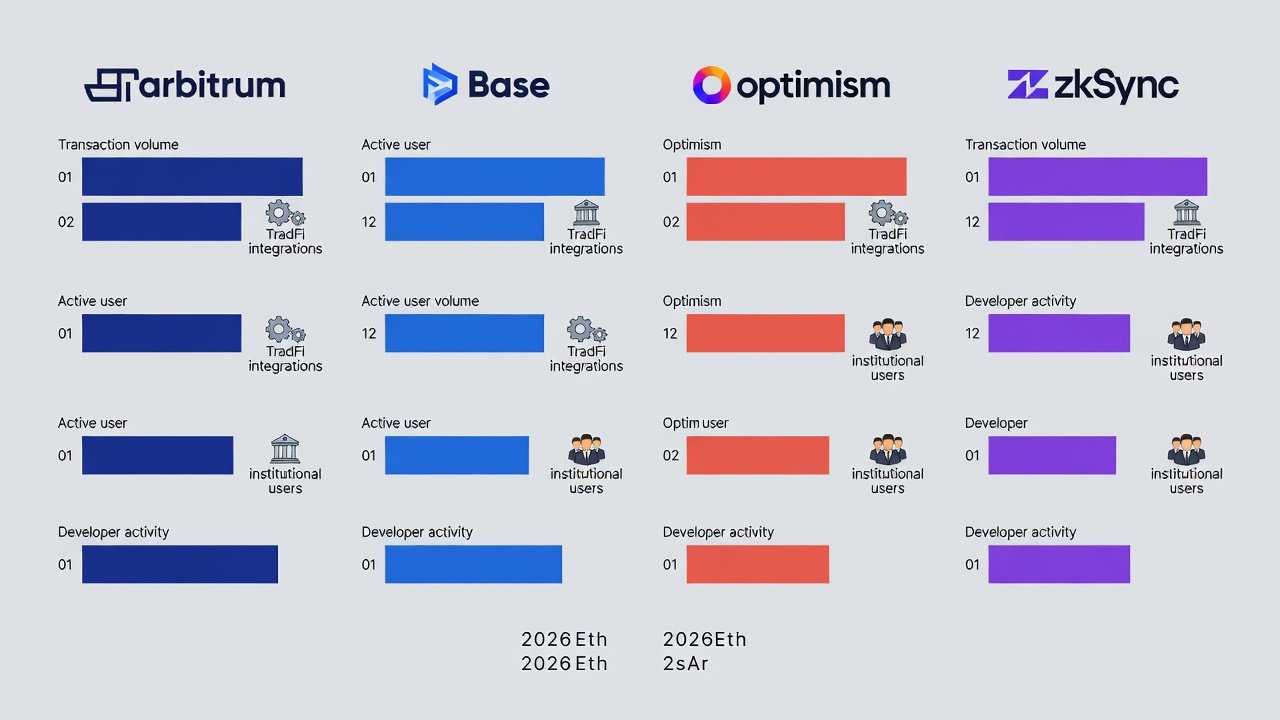
Arbitrum maintains strong TVL dominance due to its mature DeFi ecosystem and extensive list of integrated protocols that support lending, trading, and yield farming. Base benefits from seamless Coinbase integration that simplifies retail onboarding for millions of existing exchange users. Optimism emphasizes governance innovation through its retroactive public goods funding model, which incentivizes long-term ecosystem contributions. ZkSync prioritizes low-cost zk-proofs designed for mass adoption scenarios such as gaming and social applications. Polygon zkEVM offers strong EVM compatibility that eases developer migration from Ethereum mainnet without requiring major code rewrites.
Data from authoritative trackers demonstrates clear differentiation in performance. Optimistic chains consistently handle higher volumes during peak trading periods, whereas zk solutions attract privacy-centric institutions that value verifiable computation. These distinctions matter when evaluating which L2 best suits specific use cases, whether for high-frequency DeFi strategies or enterprise settlement workflows.
TradFi Integrations Fueling Growth
Traditional finance partnerships are proving pivotal in driving sustainable L2 expansion. Banks and asset managers increasingly leverage Layer 2 networks for tokenized assets, real-time settlement, and efficient collateral management. Real-world examples include institutional onboarding via compliant bridges to rollups that support regulatory reporting and KYC integration, enabling seamless fiat-to-crypto flows without compromising scalability or security.
These integrations reduce operational friction for enterprise users, driving measurable increases in active addresses and sustained TVL growth. Infrastructure projects such as shared sequencers and cross-rollup messaging protocols further enhance interoperability, allowing capital to move efficiently between networks while maintaining audit trails that satisfy institutional compliance requirements.
Expert Perspectives on Scalability Impacts
Industry analysts and researchers note that L2 advancements directly address Ethereum's historical bottlenecks around throughput and cost. Scalability gains from rollups now support significantly higher transaction throughput, lowering fees and enabling complex applications such as on-chain order books and real-time gaming. Experts emphasize that 2026 adoption signals point toward mainstream utility beyond pure speculation, with infrastructure improvements unlocking new categories of decentralized services.
One perspective highlights how shared sequencers and decentralized provers enhance cross-L2 interoperability, benefiting both developers seeking to build multi-chain applications and end-users who expect seamless experiences. These technical improvements are expected to compound adoption momentum as more institutions finalize their blockchain strategies.
Real-World Institutional Onboarding Examples
Asset managers have deployed tokenized funds on L2s for efficient trading, custody, and distribution. Payment providers utilize rollups for micro-transactions in supply chain finance, achieving lower costs and faster reconciliation. These cases illustrate practical benefits, including reduced latency compared with mainnet operations and enhanced auditability through immutable on-chain transparency. Developers building enterprise tooling can reference these deployments as templates when designing solutions for regulated environments.
Practical Dashboards and Step-by-Step Metric Tracking Tips
Effective monitoring starts with reliable sources that aggregate on-chain data in standardized formats. Follow these detailed steps to track adoption signals consistently:
- Visit L2Beat for standardized TVL and activity rankings across all major rollups, including breakdowns by category and risk profiles.
- Cross-reference transaction volumes and protocol-level metrics on DefiLlama to compare DeFi performance side-by-side and identify emerging leaders.
- Use Ethereum.org resources for official scaling roadmaps, developer documentation, and educational materials on L2 technology.
- Set up automated alerts for active address spikes and unusual volume changes via on-chain analytics platforms that support customizable dashboards.
- Review monthly ecosystem reports and institutional flow analyses to spot trends in capital allocation and user retention.
- Combine multiple data sources to avoid single-point biases and validate findings across independent trackers before making strategic decisions.
This methodical approach ensures investors and developers remain informed with actionable, up-to-date intelligence that supports better timing and product decisions.
FAQs on Interpreting Adoption Signals
How do TVL changes indicate genuine user growth?
TVL spikes paired with rising active addresses and steady transaction volumes suggest organic adoption rather than temporary liquidity incentives or short-term yield farming campaigns.
What role do transaction volumes play for developers?
High and growing volumes signal real demand for decentralized applications, guiding resource allocation toward high-utility features and helping prioritize network upgrades.
Are TradFi integrations sustainable long-term?
Regulatory clarity combined with ongoing infrastructure maturity supports enduring partnerships, as evidenced by multiple institutional deployments continuing throughout 2026.
How should investors compare L2 metrics across networks?
Focus on consistent trends over time rather than single-day snapshots, and consider both absolute numbers and growth rates while accounting for differences in network design and target user bases.
Conclusion
Ethereum L2 user adoption in 2026 underscores the ecosystem's continued maturation through data-driven insights and strategic TradFi synergies. By diligently tracking key metrics with the right tools and understanding the nuances of each rollup's strengths, stakeholders can navigate opportunities effectively and contribute to the next phase of decentralized expansion. The combination of technical progress and institutional participation positions Layer 2 networks as foundational infrastructure for the broader blockchain economy.
No comments yet. Be the first!