 CryptoChain Blog
Introduction to Ethereum L2 Wallet Security in 2026
As Ethereum Layer 2 solutions continue their rapid adoption, wallet security has become a top priority for users managing ETH and related assets. This guide delivers actionable ETH updates focused on emerging protections in L2 environments, emphasizing practical strategies without revisiting staking or bridging topics. With networks like Arbitrum and Optimism processing millions of transactions daily, the attack surface has expanded dramatically. Users now face sophisticated threats including advanced phishing campaigns, device compromise attempts, and social engineering tactics tailored specifically to L2 interactions.
In 2026, wallet developers have responded with integrated security layers that go beyond traditional password protection. These features combine cryptographic innovations with user-friendly interfaces, making robust defense accessible to both novice and experienced holders. Understanding these tools helps users maintain control over their assets while participating in the growing L2 ecosystem.
Multi-Sig Integrations for Enhanced Control
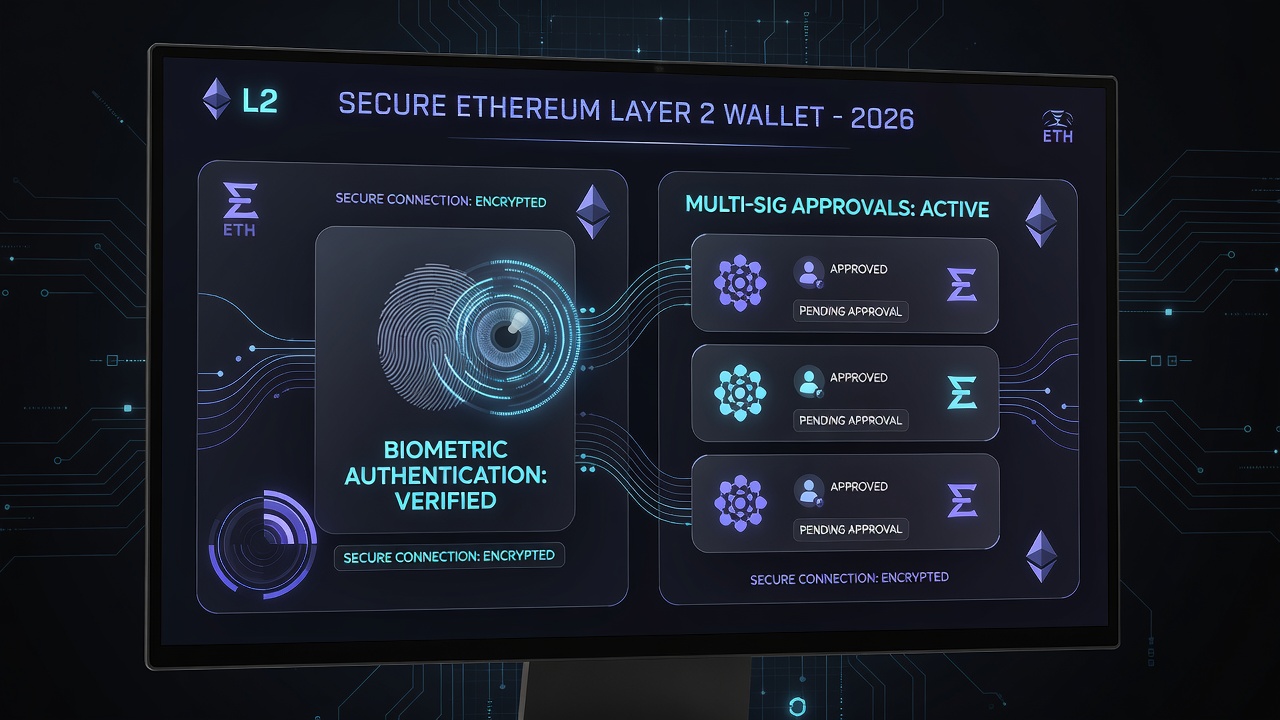
Multi-signature setups require multiple approvals before executing transactions, significantly reducing single-point failures. In 2026, many L2 wallets have streamlined multi-sig integrations, allowing seamless configuration across mobile and desktop interfaces. This approach distributes trust among several keys or devices, making unauthorized access far more difficult even if one element is compromised.
For example, wallets supporting Gnosis Safe protocols enable users to set thresholds like 2-of-3 signers for high-value holdings. Real-world applications include family-shared wallets where each member holds a key, or business accounts requiring executive consensus. Advanced implementations now support dynamic signers that can be added or removed through secure voting mechanisms without disrupting ongoing operations. Users benefit from audit trails that log every approval, providing transparency and accountability.
Practical benefits extend to reducing human error. By requiring secondary confirmation, multi-sig setups catch mistakes such as incorrect recipient addresses before funds move. Integration with hardware modules further strengthens these arrangements, combining software convenience with offline security.
Biometric Authentication Advancements
Biometric features have progressed beyond basic fingerprint scans to include advanced facial recognition and behavioral analytics. These advancements leverage device hardware to create phishing-resistant entry points that adapt to user patterns over time. Modern systems analyze typing rhythms, swipe gestures, and even location history to build unique user profiles.
Wallets incorporating these technologies authenticate users locally, minimizing data exposure. Real-world implementations demonstrate faster login times while maintaining high security standards against unauthorized access attempts. For instance, some platforms now combine facial recognition with liveness detection to prevent spoofing via photos or videos. Behavioral biometrics add another dimension by continuously monitoring session activity and flagging deviations that might indicate a hijacked device.
These methods prove especially valuable on mobile L2 interactions where users frequently approve quick transactions. The combination of multiple biometric factors creates layered defense that remains convenient yet highly resistant to remote attacks.
Phishing-Resistant Transaction Previews
Transaction previews now include detailed simulations that highlight potential risks before confirmation. These tools decode contract interactions and flag anomalies such as unexpected token approvals or address mismatches. In 2026, leading wallets simulate the full outcome of a transaction, showing exact token movements and any associated fees in clear visual formats.
Leading solutions display clear warnings and simulated outcomes, empowering users to review every detail. This feature has proven effective in preventing common exploits by providing transparent, easy-to-understand breakdowns. Examples include highlighting when a contract requests unlimited spending permissions or when an address appears on known threat lists. Users can drill down into raw transaction data for deeper inspection if needed.
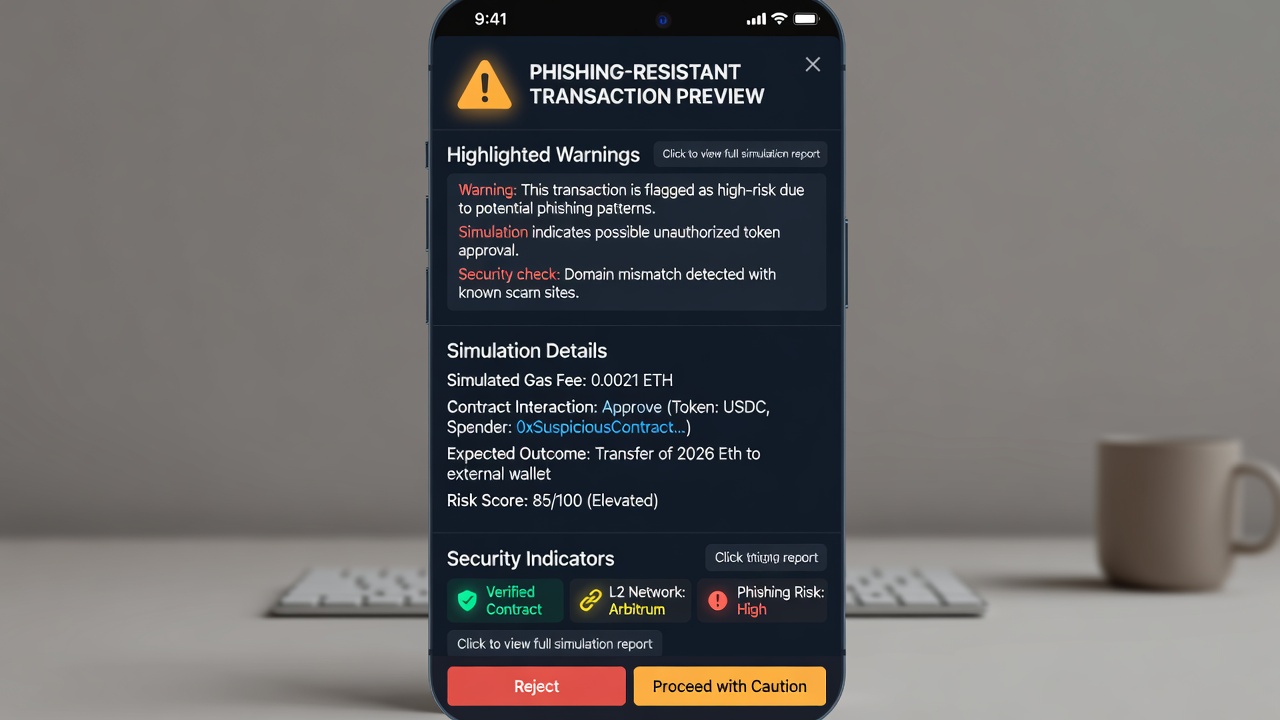
The previews also incorporate educational tooltips that explain technical terms in plain language, helping newer users build better security habits. Integration with community-reported threat databases ensures warnings stay current against emerging scam patterns.
Comparing Top L2 Wallet Options
Several wallets stand out for their security implementations in 2026. Here's a comparison of key features:
- Wallet A: Strong multi-sig support with biometric options and real-time previews, plus seamless hardware wallet pairing for added offline protection.
- Wallet B: Focuses on behavioral biometrics and customizable approval workflows, ideal for power users who need granular control over transaction rules.
- Wallet C: Integrates advanced simulation tools alongside hardware wallet compatibility and community-driven threat intelligence feeds.
Users should evaluate based on their specific needs, such as mobile-first access or enterprise-level controls. Testing in low-stakes environments helps identify the best fit. Additional considerations include update frequency, open-source status, and community support responsiveness.
Step-by-Step Setup Instructions
Setting up enhanced security typically involves these steps. First, enable multi-sig by adding trusted signers through the wallet dashboard and confirming each key via secure channels. Next, activate biometrics in device settings and verify functionality with multiple test authentications. Finally, review transaction preview options and customize alert thresholds for different transaction sizes.
Always back up recovery phrases securely using offline methods and test the full workflow with small amounts before scaling usage. Regular updates ensure access to the latest protections. For multi-sig specifically, document the signer hierarchy and recovery procedures in a secure location separate from the wallet itself.
Addressing Common Vulnerabilities
Beyond core features, users must remain vigilant about device-level risks such as malware and physical theft. Regular security audits of connected applications and avoidance of public Wi-Fi for sensitive approvals help mitigate exposure. Many 2026 wallets now include built-in VPN suggestions and automatic session timeouts to further reduce attack windows.
Another area involves social engineering, where attackers impersonate support staff. Educating yourself on official communication channels prevents falling for these tactics. Wallet providers increasingly offer verified in-app messaging systems that bypass email entirely.
FAQ on Common Vulnerabilities
What are the main L2 wallet risks in 2026?
Primary concerns include social engineering attacks and compromised device access, though new preview tools help counter these effectively.
How do multi-sig setups prevent losses?
By requiring consensus from multiple parties, they eliminate reliance on any single key or device.
Are biometric features reliable across devices?
Modern implementations use secure enclaves for local processing, offering consistent performance on supported hardware.
What should users do after a suspected breach?
Immediately revoke approvals through connected explorers, transfer assets to new multi-sig setups, and contact wallet support via official verified channels.
Conclusion and 2027 Trends
Staying informed about Ethereum L2 wallet developments ensures continued protection as the ecosystem matures. Ethereum Foundation resources provide ongoing official guidance for users. Additional insights can be found through established developer documentation at ethereum.org. Looking ahead to 2027, expect deeper AI-driven anomaly detection and broader hardware integration to further strengthen defenses. By adopting these practices today, holders can navigate future changes with confidence and maintain secure participation in the evolving Layer 2 landscape.

No comments yet. Be the first!