 CryptoChain Blog
Introduction to Ethereum L2 and Web3 Social Platforms
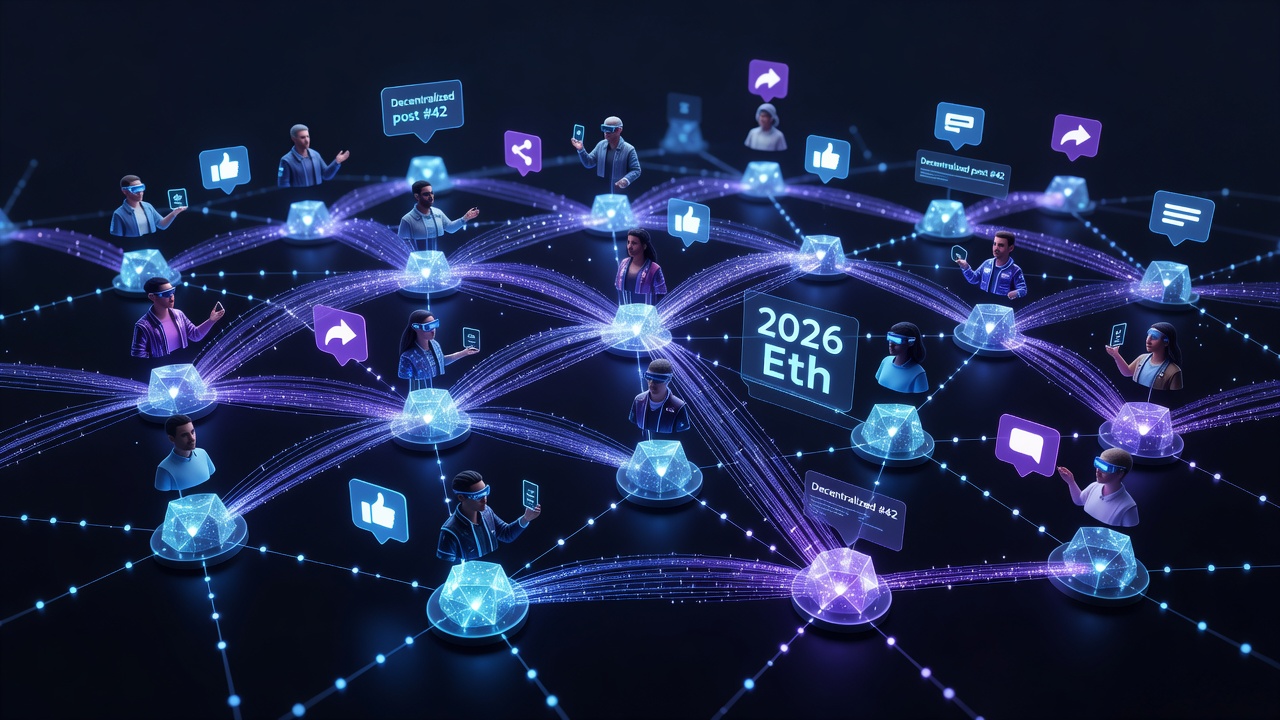
In 2026, Ethereum Layer 2 (L2) solutions are driving the next wave of decentralized social experiences. These scaling technologies address the high costs and limited throughput of the Ethereum mainnet, enabling truly usable SocialFi applications. Users can interact, create content, and monetize without prohibitive fees, opening Web3 social to mainstream adoption. As Ethereum continues its evolution with upgrades focused on scalability, L2 networks have become essential infrastructure for any project aiming to build engaging social features at scale.
Layer 2 networks batch transactions off-chain before settling on Ethereum, inheriting its security while dramatically improving speed and affordability. This makes them ideal for social dApps where frequent interactions like posting, liking, and tipping occur. The result is a vibrant ecosystem where developers can experiment with novel social mechanics that feel responsive and inclusive rather than limited by technical constraints.
Key Benefits of L2 for Social dApps
Low transaction fees remain the standout advantage for social platforms built on L2. Scalability allows thousands of users to engage simultaneously without congestion, supporting real-time feeds and live interactions. Enhanced privacy options through zero-knowledge proofs protect user data while maintaining transparency on-chain. Interoperability across L2s and Ethereum fosters seamless cross-platform experiences, letting users move between different social applications without friction.
These benefits directly support SocialFi models where creators earn tokens or NFTs from their communities in real time. Reduced costs also lower barriers for new users, encouraging broader participation in governance and content creation. Performance improvements mean that features like threaded conversations, media uploads, and on-chain reputation systems operate smoothly, mirroring the responsiveness users expect from traditional social networks but with full self-custody of data and assets.
Real-World SocialFi Project Examples
Several projects demonstrate L2 success in 2026. Farcaster operates primarily on Optimism, offering decentralized social graphs with frames for interactive apps that allow users to embed mini-experiences directly in posts. Lens Protocol has expanded integrations on Base and other Ethereum L2s, powering creator-owned social graphs that give individuals permanent control over their followers and content regardless of the frontend they use.
Friend.tech-style experiments have migrated to Arbitrum and zkSync for cheaper, faster social trading features, enabling tokenized communities where access to exclusive chats or content is managed through smart contracts. Additional examples include decentralized messaging protocols on zkSync that emphasize end-to-end encryption combined with on-chain verification. These examples highlight how L2s enable viral growth that was previously impossible on mainnet, with projects reporting significantly higher daily engagement after migrating from Ethereum layer one.
Comparing Leading L2 Options for Social Features
- Optimism: Strong ecosystem support and low fees make it popular for social protocols like Farcaster. Excellent for optimistic rollup simplicity and rapid iteration on community tools.
- Base: Coinbase-backed, offers robust developer tooling and growing social integrations with fast finality that suits real-time posting and notifications.
- Arbitrum: High throughput and mature ecosystem suit complex social interactions including on-chain gaming elements and reputation systems.
- zkSync: Zero-knowledge technology provides superior privacy for user data in social feeds and messaging, ideal for applications prioritizing anonymity.
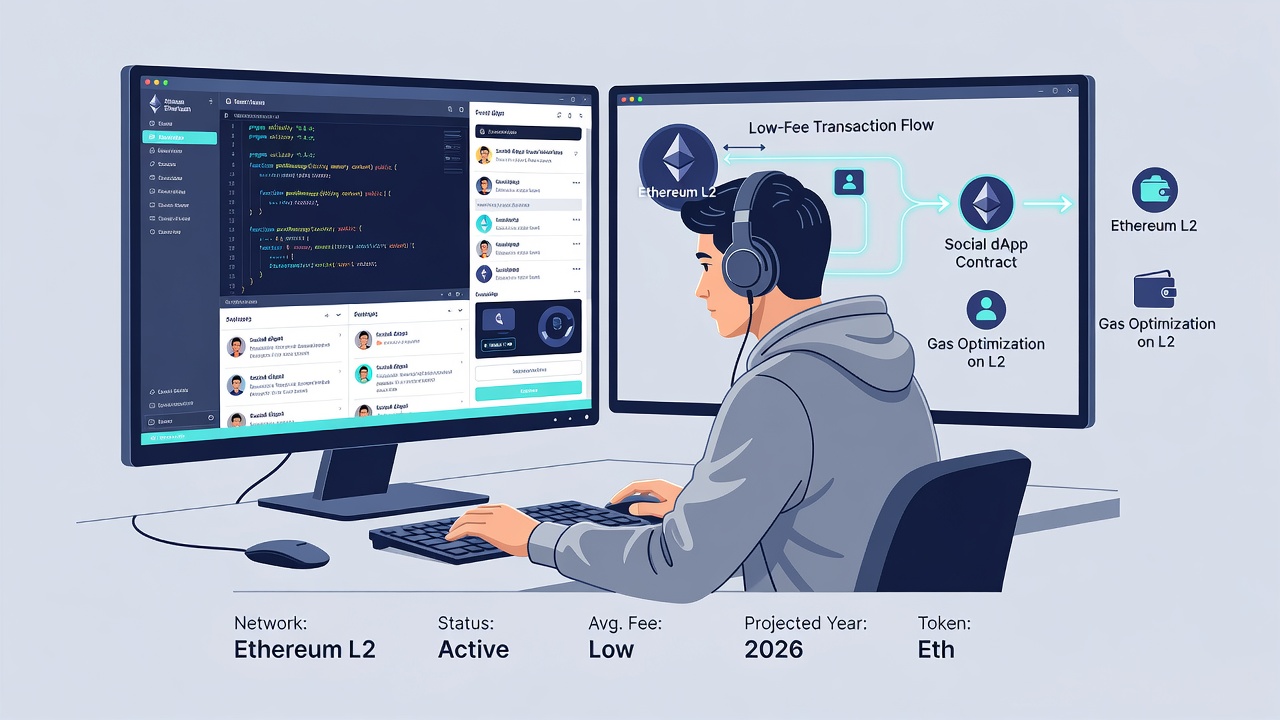
Developers should evaluate based on ecosystem fit, security model, and EVM compatibility. Each L2 presents trade-offs between speed, cost, and privacy guarantees that must align with the specific social features being built.
Step-by-Step Integration Tips for Developers
- Choose an L2 aligned with your target audience and existing tooling by reviewing active projects and community resources.
- Set up a development environment using frameworks like Hardhat or Foundry with L2 RPC endpoints from providers such as Alchemy or Infura.
- Integrate wallet connections via Wagmi or ethers.js configured for the chosen L2 to ensure seamless user onboarding.
- Implement social primitives such as profiles and posts using standards like ERC-721 for NFTs or custom smart contracts optimized for frequent writes.
- Test gas costs and scalability under simulated user loads using tools that mimic peak activity periods.
- Deploy and verify contracts, then bridge assets from Ethereum mainnet while documenting the user experience for asset transfers.
- Monitor post-launch performance with analytics dashboards and iterate based on real usage patterns.
Development Checklist and Performance Metrics
Use this checklist: audit contracts for security, ensure cross-L2 bridging support, implement rate limiting for spam prevention, and add analytics for user engagement. Monitor metrics such as average transaction cost, time-to-finality, and daily active users to gauge success. Additional considerations include tracking retention rates after users complete their first on-chain action and measuring the ratio of social interactions completed without errors.
Challenges and Practical Solutions
While L2 adoption brings clear advantages, challenges remain. Fragmentation across multiple L2 networks can split user bases, requiring projects to implement robust bridging solutions. Developers often address this by building multi-chain support from the start and using shared standards for identity. Another concern involves sequencer centralization risks, mitigated through plans for decentralized sequencers that many L2 teams are actively rolling out in 2026.
Future Trends in Ethereum L2 Social Platforms
Looking ahead, expect greater emphasis on account abstraction to simplify onboarding and AI-assisted moderation tools running on-chain. Privacy-focused features using advanced cryptography will likely become standard, while tighter integration with Ethereum's data availability layers will further reduce costs. These trends point toward a maturing ecosystem where social dApps feel indistinguishable from centralized alternatives yet deliver superior ownership and censorship resistance.
FAQ: Privacy, Monetization, and Common Questions
How do L2s protect user privacy in social apps?
Many leverage zero-knowledge proofs to verify interactions without exposing personal data. Users control visibility through encrypted messaging and selective disclosure options built into the protocol.
What monetization options exist on L2 social platforms?
Creators earn via token rewards, NFT sales, subscription models, and tipping mechanisms settled on-chain with minimal fees, allowing direct value transfer between community members.
Are L2 solutions secure enough for social data?
Yes, they inherit Ethereum's security. Regular audits and decentralized sequencers further strengthen trust while maintaining the integrity of user-generated content and relationships.
How can users get started with L2-based social apps?
Begin by setting up a compatible wallet, bridging a small amount of ETH to the chosen L2, and exploring popular dApps through their official interfaces.
Conclusion
Ethereum L2 solutions are foundational to the 2026 Web3 social landscape. By combining scalability with familiar Ethereum tooling, they unlock practical SocialFi at global scale. Developers and users alike benefit from exploring these networks today. For more on Ethereum scaling, visit ethereum.org and track L2 metrics at l2beat.com. Additional resources are available at optimism.io.

No comments yet. Be the first!