 CryptoChain Blog
Introduction to Personalization in 2026 NFT Marketplaces
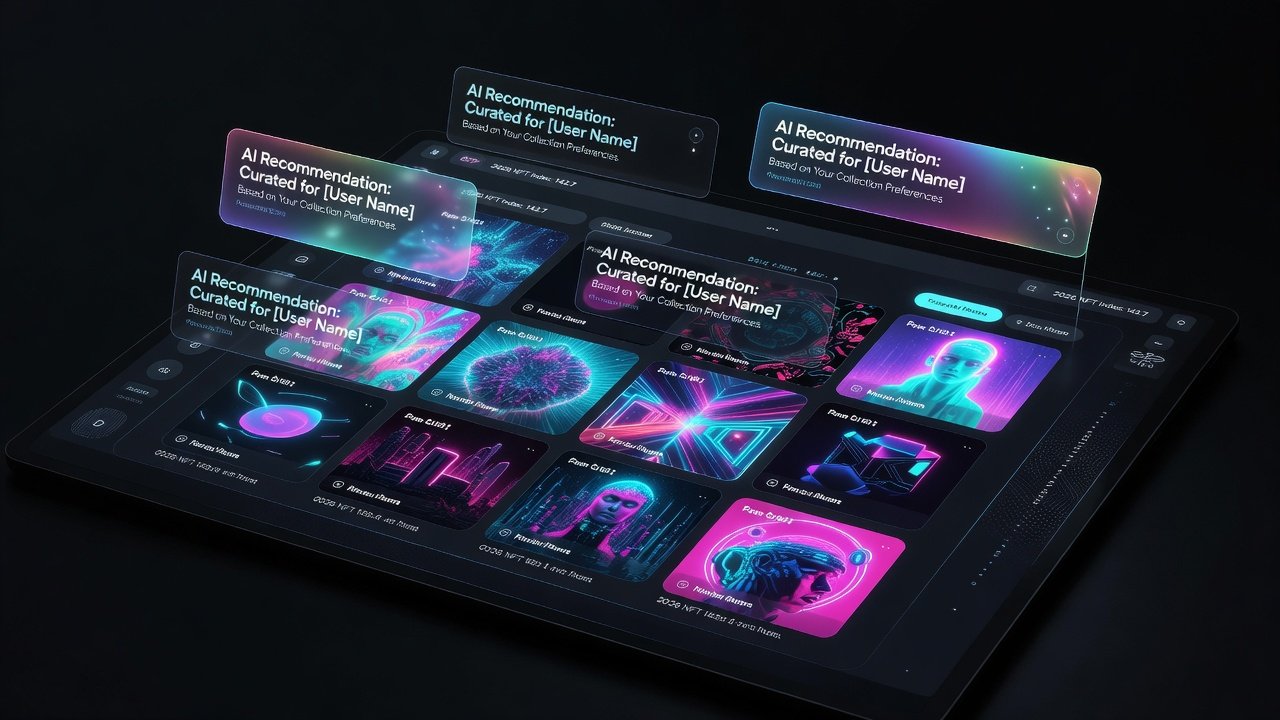
As NFT ecosystems mature in 2026, personalization stands out as the key driver transforming how collectors discover, engage with, and purchase digital assets. Forward-looking users seeking NFT news and updates want strategies that go beyond basic onboarding. AI-driven recommendations and custom user journeys now dominate leading platforms, delivering higher retention and satisfaction. This article examines these advancements in depth, including practical implementation steps, platform comparisons, and real-world applications that help both collectors and creators thrive in a competitive landscape. Personalization leverages vast amounts of on-chain data combined with behavioral signals to create experiences that feel uniquely tailored, reducing noise and highlighting opportunities that align with individual tastes and investment goals.
The Rise of AI-Driven Recommendations
AI algorithms analyze user behavior, past purchases, and on-chain activity to surface relevant NFTs. In 2026, these systems leverage machine learning models trained on vast datasets from blockchain interactions. Collectors benefit from hyper-targeted feeds that reduce discovery friction. For instance, platforms integrate sentiment analysis from social signals to predict emerging trends, allowing users to access opportunities before they peak. These models continuously learn from interactions such as likes, bids, and time spent viewing specific collections, refining suggestions over time. The technology also incorporates external factors like market volatility and trending themes across decentralized communities. This evolution mirrors broader web personalization trends but is uniquely suited to the immutable nature of NFTs, where ownership history provides rich data points that static recommendation engines cannot match. Users who engage consistently with the system often notice a shift from generic listings to highly relevant options within days of activation.
Beyond basic matching, advanced implementations use predictive analytics to forecast which NFTs might appreciate based on similar collector profiles. This proactive approach helps enthusiasts build stronger portfolios without constant manual research. However, users should remain aware of potential biases in training data and periodically review or reset their preference settings to maintain diversity in recommendations.
Dynamic Profile Tools for Collectors
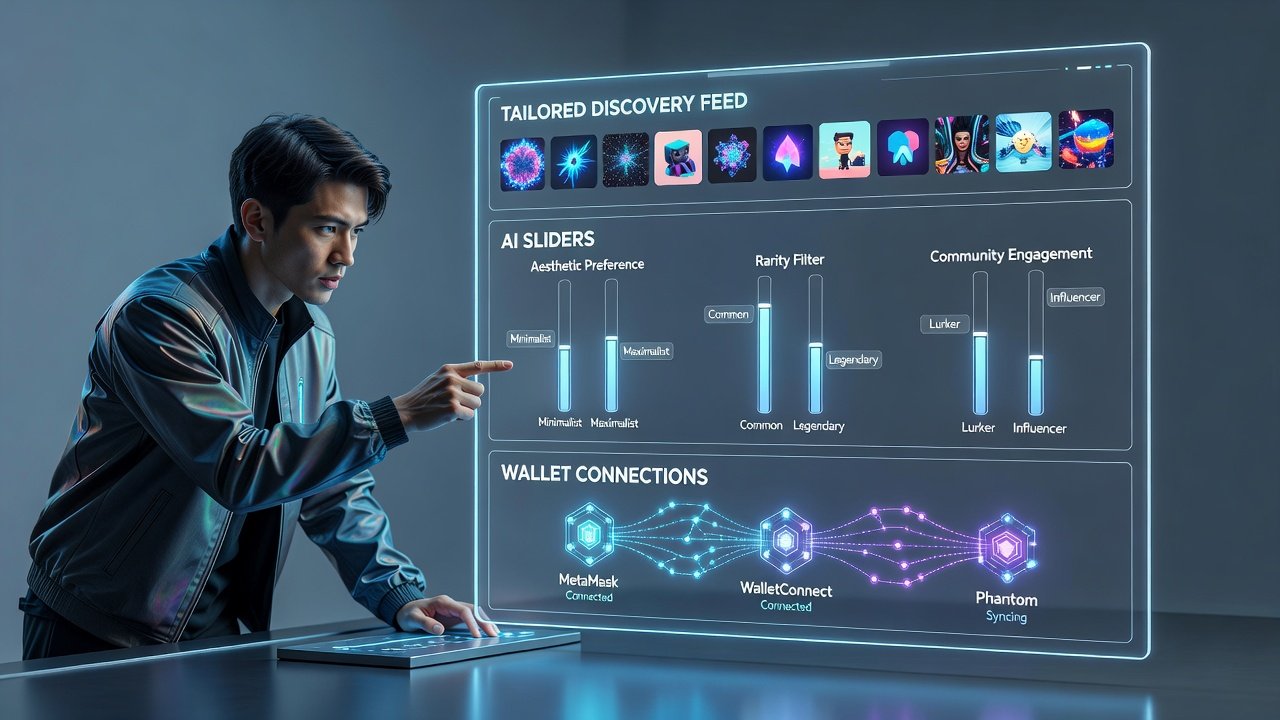
Modern NFT marketplaces offer dynamic profile tools that let users curate their digital identities. These include customizable dashboards displaying preferred collections, interactive galleries, and preference sliders for rarity, price range, or artist style. Users can link multiple wallets and set visibility rules, creating tailored experiences visible only to them or shared communities. The tools often feature drag-and-drop interfaces for organizing collections, real-time analytics on engagement metrics, and integration with social proof elements such as verified badges or community badges earned through participation. By adjusting these elements, collectors can highlight their expertise in specific genres like pixel art or utility-focused tokens, attracting like-minded traders and creators.
Implementation often involves simple toggles in account settings. Enabling these features starts with verifying your wallet and selecting initial interests during onboarding, followed by refining through ongoing interactions. Advanced users can create multiple profile views for different personas, such as one focused on long-term holding and another for active flipping. This flexibility supports varied strategies and enhances overall platform stickiness.
Tailored Discovery Algorithms
Tailored discovery algorithms go further by combining collaborative filtering with content-based analysis. They match collectors with similar profiles while factoring in unique preferences like thematic focus on generative art or utility NFTs. This dual approach minimizes echo chambers and introduces serendipitous finds that still feel relevant. Algorithms process thousands of data points per session, including wallet age, transaction frequency, and even gas fee patterns to infer sophistication levels. As a result, newcomers receive guided explorations while veterans access deep-cut rarities and upcoming drops aligned with their history.
Creators gain from these systems too, as algorithms promote their works to high-intent audiences. Practical steps for users include regularly updating profile tags and engaging with suggested items to train the model effectively. Over several weeks, this iterative feedback loop can dramatically improve the quality of daily homepage feeds and email digests.
Creator Customization Options
Creators access robust customization options in 2026 marketplaces. These range from branded storefronts with embedded AI chat for collector inquiries to personalized minting flows that adapt based on buyer demographics. Tools allow setting dynamic pricing tiers or exclusive drops for segmented audiences. Artists can also embed storytelling elements, such as unlockable content triggered by specific collector behaviors, or run A/B tests on listing presentations to optimize conversion. Many platforms now provide analytics dashboards showing which customizations drive the most engagement, enabling data-informed refinements.
Examples include platforms where artists define custom recommendation rules, boosting visibility among engaged communities. This fosters deeper connections and repeat engagement while allowing creators to experiment with limited editions targeted at superfans.
Real-World Examples from Top Platforms
Leading marketplaces demonstrate varied approaches. OpenSea emphasizes AI-curated homepages with user-controlled filters that adapt based on collection performance. Another major player focuses on community-driven personalization through governance votes on algorithm tweaks, giving token holders direct input. A third integrates cross-chain data for unified recommendations across ecosystems, drawing from multiple blockchains to broaden options without overwhelming users.
Comparison highlights differences: some prioritize speed with lightweight models suitable for mobile users, while others invest in deeper analytics for accuracy at the expense of slightly longer load times. Collectors should evaluate based on their focus—whether broad discovery or niche curation—by testing free trial periods or basic accounts before committing.
Practical Steps to Enable Personalization Features
- Log into your preferred marketplace and navigate to account preferences to review available toggles.
- Connect additional wallets and input initial interest categories, ensuring all linked addresses are verified for accurate data aggregation.
- Activate AI recommendation toggles and review sample outputs, then adjust sliders for rarity, theme, and budget thresholds.
- Engage with 10-20 suggested items weekly to refine algorithms, providing explicit feedback through ratings or saves.
- Monitor analytics dashboards for engagement metrics and adjust settings quarterly to align with evolving collection goals.
- Experiment with community features such as shared lists or collaborative boards to enhance social personalization layers.
These steps help maximize benefits like faster discovery and reduced browsing time while building a more rewarding long-term experience.
Common Mistakes to Avoid
Many users overlook the importance of consistent profile maintenance, leading to stale recommendations. Another frequent error is ignoring privacy settings, which can expose preferences unintentionally. Beginners sometimes enable every feature at once, causing information overload instead of gradual adoption. Testing changes one at a time and reviewing results helps avoid these pitfalls.
Measuring Benefits and Addressing Concerns
Users report improved satisfaction through personalized experiences, with higher conversion rates on tailored suggestions. Privacy remains a top consideration; most platforms use on-device processing or anonymized data to comply with emerging standards. Implementation costs vary by scale but focus on qualitative ROI through sustained engagement rather than upfront fees. Collectors tracking metrics such as time saved and portfolio growth often see compounding advantages over months of use.
Future Outlook
Looking ahead, personalization will likely incorporate more immersive elements like virtual reality previews and predictive minting assistants. Integration with decentralized identity solutions promises even finer control over data sharing. Staying informed through reliable NFT news sources ensures users can adapt quickly as these capabilities expand.
Conclusion
Personalization in 2026 NFT marketplaces represents a pivotal shift toward user-centric design. By leveraging AI and dynamic tools, platforms deliver experiences that resonate deeply with collectors and creators alike. Adopting these features positions participants for greater success in the evolving landscape, turning casual browsing into strategic, enjoyable interactions.
FAQ
How does personalization impact privacy in NFT marketplaces?
Platforms prioritize anonymized data and user controls, allowing opt-outs while maintaining core functionality and compliance with data protection guidelines.
What are the typical implementation costs for creators?
Costs are platform-dependent and often integrated into standard fees, with advanced features available through tiered subscriptions that scale with usage.
What measurable benefits do collectors see?
Benefits include significantly higher engagement rates and faster access to relevant assets, based on platform-reported metrics from early 2026 rollouts.
Can personalization features be disabled if needed?
Yes, most marketplaces provide straightforward toggles to pause or reset AI recommendations and dynamic profiles at any time without affecting basic trading functions.
How do algorithms handle new collectors with limited history?
Systems use onboarding surveys and trending data to bootstrap recommendations, gradually incorporating personal activity as the profile matures.
No comments yet. Be the first!