 CryptoChain Blog
Introduction to NFT Lending in 2026
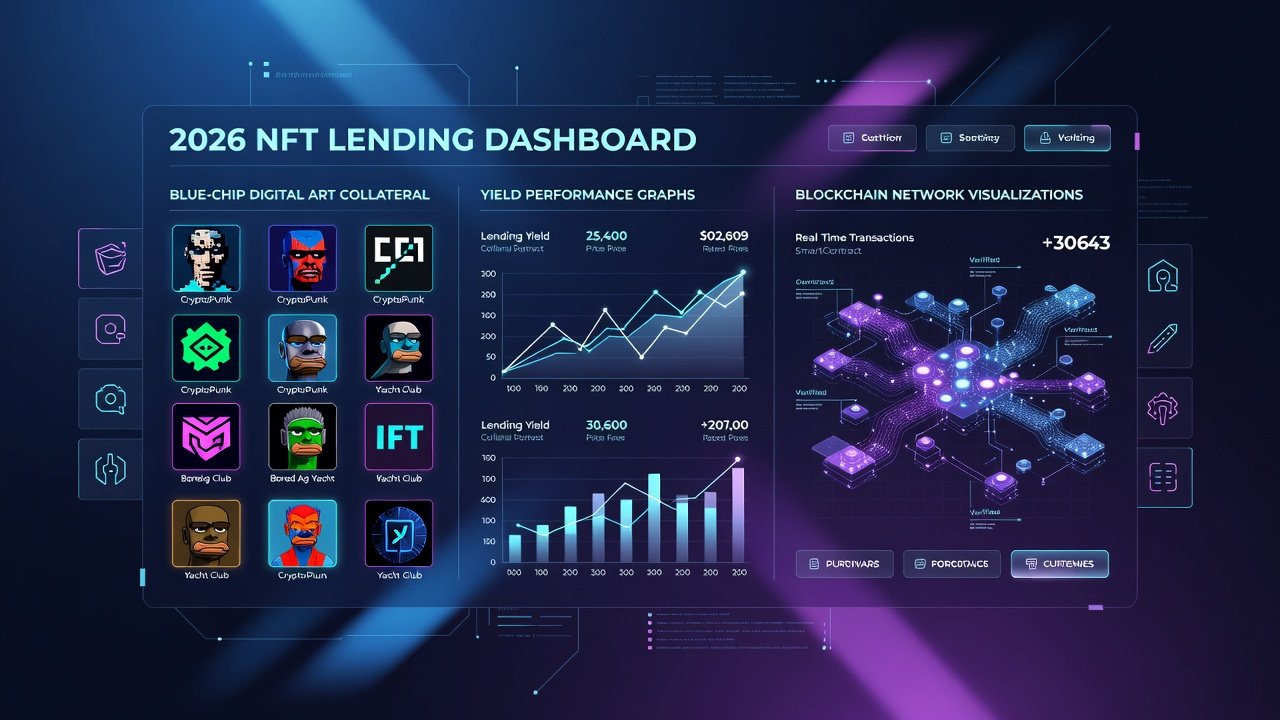
The NFT ecosystem has matured significantly by 2026, with lending platforms emerging as a key way for collectors and traders to unlock liquidity without selling prized digital assets. This article explores the latest trends in NFT lending, focusing on peer-to-peer (P2P) versus protocol-driven models, yield dynamics, comprehensive risk assessments, and practical strategies to optimize returns while managing exposure. As blockchain technology evolves, NFT lending integrates more deeply with major marketplaces, allowing users to leverage blue-chip collections as collateral. Whether you're a seasoned trader or new collector, understanding these platforms is essential for navigating the decentralized finance (DeFi) landscape. Demand for NFT-backed loans has grown steadily, driven by rising floor prices in established collections and increasing institutional interest in digital ownership.
P2P Versus Protocol Models in NFT Lending
NFT lending primarily operates through two distinct frameworks: P2P and protocol-based systems. P2P models connect individual lenders and borrowers directly, often via decentralized marketplaces where terms are negotiated bilaterally. This approach offers flexibility but can suffer from slower matching and higher counterparty risks. Lenders set custom interest rates and durations based on perceived value of specific NFTs, making it ideal for rare or illiquid assets. In contrast, protocol models rely on smart contracts to automate lending pools, interest calculations, and liquidations. These are typically more scalable and provide standardized rates. 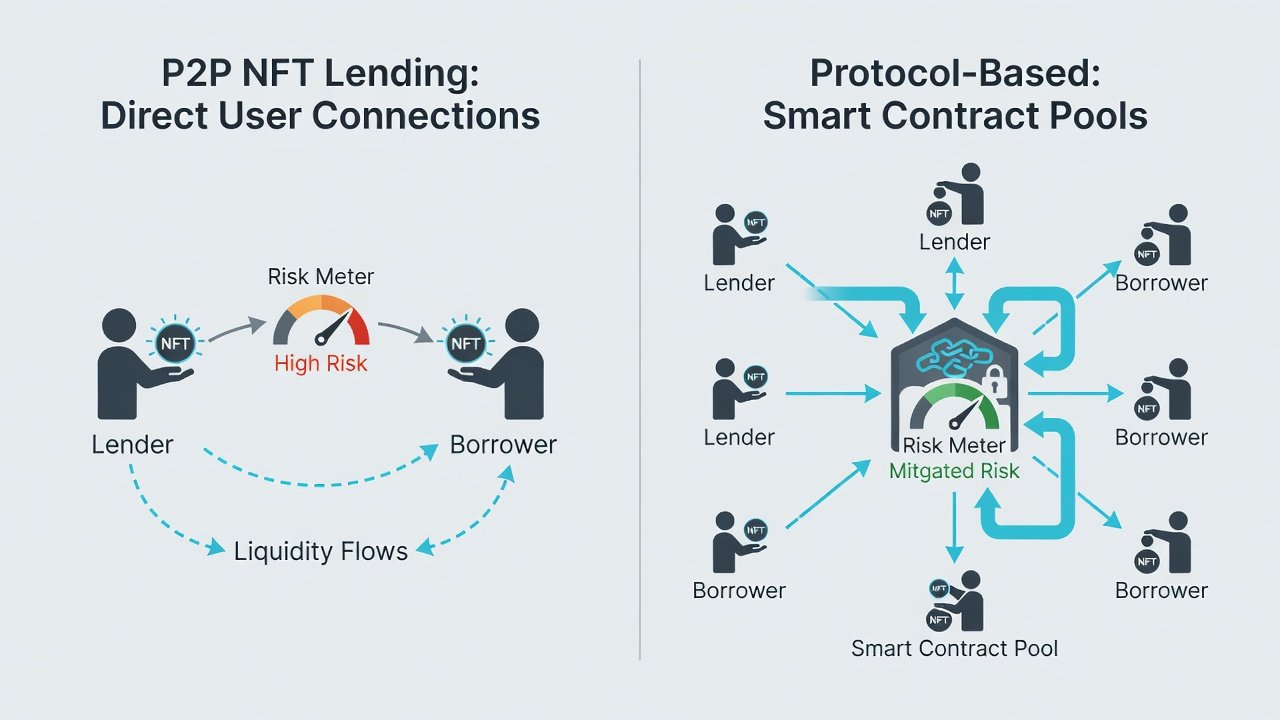
Yield Comparisons Across Major Platforms
Yields in NFT lending vary based on asset demand, platform liquidity, and market conditions. Protocol models frequently deliver more predictable returns through algorithmic rate adjustments, while P2P arrangements can yield higher but variable income for lenders willing to accept bespoke deals. Collectors benefit from borrowing rates that remain competitive, enabling leveraged strategies without permanent asset disposal. Traders often compare effective annual percentages across platforms, factoring in fees and utilization rates. Higher demand for certain NFT collections drives elevated yields, creating opportunities for those who monitor trends closely. For instance, blue-chip projects like CryptoPunks or Bored Ape Yacht Club frequently command premium rates due to their perceived stability and resale value. Lenders should track utilization metrics to identify optimal entry points for supplying capital.
Risk Assessment Frameworks
Evaluating risks is critical before engaging with any NFT lending platform. Key factors include collateral volatility, smart contract vulnerabilities, and liquidity shortfalls. A robust framework involves stress-testing valuations against historical floor price fluctuations and assessing oracle reliability for accurate pricing. Default risks are mitigated through over-collateralization requirements and automated liquidation mechanisms. Users should review platform audits and governance structures to gauge overall resilience. Diversifying across multiple platforms further reduces concentration risks. Additional considerations include regulatory shifts in digital asset jurisdictions and potential oracle manipulation during high-volatility periods. Implementing a personal risk matrix that scores each loan on a scale of low to high exposure helps maintain disciplined decision-making.
Top Platform Examples and Real-World Use Cases
Several established platforms dominate the 2026 NFT lending space. Examples include BendDAO for protocol-driven lending on Ethereum-based assets and NFTfi for P2P negotiations on high-value collections. These services demonstrate how integrations with leading marketplaces enhance discoverability and execution speed. Real use cases show collectors using lending to fund new acquisitions while retaining ownership, and traders employing it for short-term leverage during market upswings. Liquidity mechanics rely on active borrower demand and lender participation to maintain healthy pools. Another notable example is Arcade, which supports multi-chain lending and has expanded to include gaming NFTs. Users report successful strategies where they borrow against one collection to acquire assets from another, creating diversified portfolios without liquidating holdings.
Step-by-Step Onboarding Guides
Getting started with NFT lending requires careful preparation. First, connect a compatible wallet to your chosen platform. Next, deposit approved NFT collections as collateral, ensuring they meet valuation thresholds. For borrowers: Select loan terms, confirm interest rates, and execute the smart contract transaction. Lenders follow a similar flow by supplying liquidity to pools or accepting P2P offers. Always test with small amounts initially and review gas fees on the underlying network. Advanced users may also verify smart contract permissions and enable two-factor authentication where available. Onboarding typically takes under 30 minutes once the wallet is funded, but thorough due diligence on supported collections is recommended beforehand.
Liquidity Mechanics and Default Mitigation Tactics
Liquidity in NFT lending pools fluctuates with market sentiment and collection popularity. Protocols use dynamic interest models to incentivize participation during low-demand periods. Default mitigation includes timely liquidations triggered by price oracles and insurance funds that cover shortfalls in extreme scenarios. Practical tactics involve setting conservative loan-to-value ratios and monitoring positions via platform dashboards. Integrating alerts for rate changes helps users respond proactively to volatility. In practice, successful participants maintain buffers above minimum collateral requirements and rotate assets into higher-demand categories during downturns.
Marketplace Integrations and Tips to Maximize Returns
Seamless integrations with major NFT marketplaces allow direct collateral selection and instant borrowing options. This connectivity streamlines workflows for traders seeking quick liquidity. To maximize returns, focus on high-demand collections, diversify lending positions, and stay informed about protocol upgrades. Minimize exposure by using only funds you can afford to risk and regularly auditing your portfolio for underperforming assets. Additional tips include timing entries around major NFT drops or events, using limit orders for P2P deals, and cross-referencing data from multiple analytics tools. For authoritative guidance on underlying blockchain standards, refer to ethereum.org. Additional DeFi analytics are available at defillama.com and chain.link.
Mistakes to Avoid in NFT Lending
Common pitfalls include over-leveraging without monitoring market swings, ignoring smart contract upgrade risks, and neglecting to diversify across chains. New users often underestimate liquidation thresholds during flash crashes. Always maintain detailed records of loan terms and avoid chasing yields without understanding underlying mechanics.
FAQ: Collateral Valuation and Interest Rate Volatility
- How is collateral valued? Platforms use decentralized oracles and floor price data from marketplaces to determine real-time valuations, with buffers for volatility.
- What causes interest rate swings? Rates adjust algorithmically based on utilization; high borrower demand pushes rates up, while excess supply lowers them.
- Can I refinance loans? Many protocols support refinancing to lock in better terms as rates change.
- Are there insurance options? Some platforms offer optional coverage against smart contract exploits or extreme liquidations.
- What happens if collateral value drops suddenly? Automated liquidations occur, and users may lose assets if they cannot top up collateral in time.
- How do cross-chain platforms affect rates? Multi-chain support can lead to arbitrage opportunities but introduces bridge risks and varying liquidity levels.
Conclusion
NFT lending in 2026 presents compelling opportunities for yield generation and liquidity access, provided users apply rigorous risk management. By understanding model differences, leveraging integrations, and following structured onboarding, collectors and traders can participate confidently. Stay updated on evolving protocols to maintain an edge in this dynamic sector.
No comments yet. Be the first!