 CryptoChain Blog
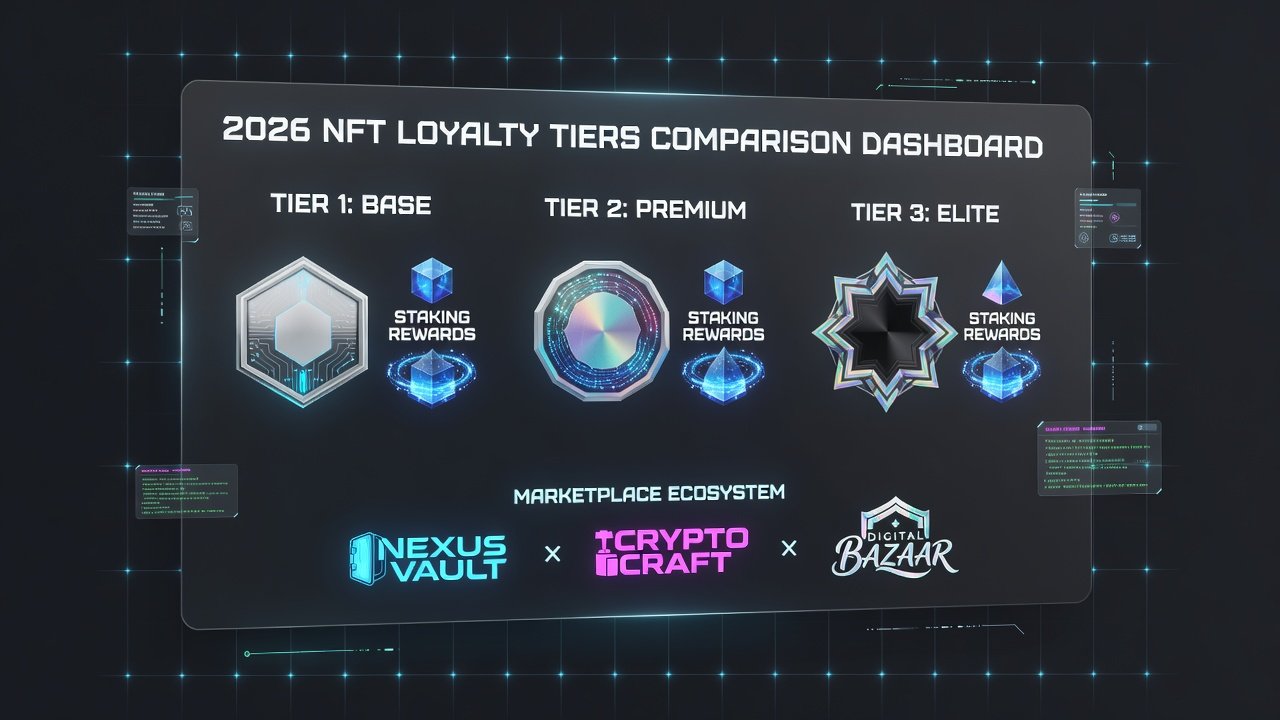
Introduction to 2026 NFT Loyalty Tiers
In the evolving landscape of digital collectibles, loyalty tiers have become central to how collectors engage with major NFT marketplaces. These structured programs reward consistent participation through staking incentives, exclusive drops, and cross-platform perks. Collectors seeking retention-focused growth benefit from understanding head-to-head differences among platforms to optimize their strategies quickly and effectively. As the NFT space matures into 2026, platforms compete aggressively by refining tier benefits that encourage long-term holding and active community involvement rather than one-off transactions.
This comparison examines tier structures from leading 2026 marketplaces, incorporating real user examples, practical onboarding guides, and risk considerations. Whether you are a beginner or experienced collector, these insights help maximize rewards while navigating potential pitfalls. The focus remains on retention strategies that build sustainable portfolios instead of chasing short-term hype cycles.
Head-to-Head Analysis of Major Marketplace Tiers
Leading platforms differentiate themselves through unique tier benefits. One marketplace emphasizes staking for passive rewards, while another prioritizes exclusive access to high-demand drops. Cross-platform perks often include shared utility across ecosystems, such as reduced fees or collaborative events. For example, a collector holding mid-tier status on a staking-focused site might unlock bonus multipliers that also apply when participating in events on a drops-oriented platform.
Real user examples show collectors advancing tiers by combining staking with community participation. For instance, users on staking-heavy platforms report faster progression when holding assets long-term, unlocking higher multipliers on rewards. Another common scenario involves users who spread activity across two platforms to capture overlapping perks like early access to artist collaborations and fee discounts on secondary sales.
Staking Incentives Across Tiers
Staking remains a core mechanism for tier advancement. Lower tiers offer basic yield rates, while premium levels provide boosted returns through additional multipliers. Collectors must evaluate lock-up periods and minimum holdings required for each tier. In practice, a user starting at the entry level might stake a modest collection to reach the next tier within weeks, whereas advancing to elite status often requires sustained activity over several months.
Step-by-step onboarding for staking typically starts with wallet connection, followed by asset selection and confirmation. Always verify smart contract security before committing funds. Users who skip the verification step sometimes encounter unexpected delays or compatibility issues with certain wallet types. Advanced collectors often layer multiple staking positions across compatible assets to compound their progress toward higher tiers.
Exclusive Drops and Cross-Platform Perks
Exclusive drops reward higher tiers with early access to limited collections. Cross-platform perks extend value through integrations that allow rewards earned on one site to apply elsewhere, enhancing overall utility. Collectors who reach premium tiers frequently receive personalized notifications for drops that align with their existing holdings, increasing the likelihood of acquiring complementary pieces.
Practical examples include collectors leveraging perks for collaborative mints, resulting in diversified portfolios without additional capital outlay. One documented case involved a user who used cross-platform credits to participate in a joint event between two marketplaces, securing assets that later appreciated due to the combined visibility.

Step-by-Step Onboarding Guides
Begin by creating verified accounts on target platforms. Connect a secure wallet and complete any KYC requirements. Progress to depositing eligible assets for tier qualification, then monitor dashboards for advancement milestones. Each platform provides guided tutorials; follow them sequentially to avoid common setup errors such as mismatched wallet networks or incomplete profile information.
For users new to multiple platforms, it helps to start with one marketplace and master its tier progression before expanding. This staged approach reduces overwhelm and allows time to understand how staking and drop eligibility interact within a single ecosystem.
Reward Maximization Tactics
- Combine staking with active trading to accelerate tier climbs by earning both yield and activity points simultaneously.
- Participate in community events for bonus points that often push users over tier thresholds faster than staking alone.
- Diversify across platforms to capture overlapping perks such as shared discount codes and joint reward pools.
- Track performance metrics weekly to adjust strategies promptly when new tier benefits are announced.
- Align your collection themes with upcoming drops to increase the relevance of exclusive access rewards.
Mistakes to Avoid When Climbing Tiers
Many collectors rush into premium tiers without assessing long-term holding requirements, leading to liquidity issues during market downturns. Another frequent error is ignoring platform-specific rules around asset eligibility, which can disqualify staked items from counting toward progression. Beginners sometimes overlook the tax implications of frequent reward claims, complicating record-keeping later.
To prevent these issues, review the full terms of each tier before committing assets. Test small positions first and maintain clear documentation of all transactions and tier milestones achieved.
Risk Considerations for Each Tier Level
Lower tiers carry minimal commitment but limited upside, making them suitable for cautious newcomers. Mid-tiers introduce moderate risks such as temporary asset locks that reduce flexibility during volatile periods. Premium tiers demand significant holdings, exposing users to market volatility and platform-specific policy changes that could alter reward structures unexpectedly.
Mitigation strategies include setting personal caps on staked amounts, diversifying across at least two marketplaces, and staying updated on official announcements through verified channels. Risk-aware collectors also maintain a separate emergency fund outside of staked positions.
Practical Checklists for Collectors
- Review current tier requirements on each marketplace and note any upcoming changes.
- Calculate potential rewards based on your holding size and expected activity level.
- Test small stakes before full commitment to understand platform mechanics.
- Document all transactions for tax and performance tracking purposes.
- Reassess strategy monthly as platforms update programs and introduce new perks.
- Verify wallet compatibility and enable two-factor authentication on all accounts.
- Monitor community forums for user-reported issues with specific tiers or features.
FAQs
How do I choose the best tier strategy?
Evaluate your collection size, time commitment, and preferred reward types against platform comparisons to find the best fit.
What risks should beginners watch for?
Focus on platform reputation, smart contract audits, and gradual entry to minimize exposure while learning the system.
Can cross-platform perks stack effectively?
Yes, when programs align, but verify compatibility to avoid conflicts or duplicate reward claims.
How long does it typically take to reach mid-tier status?
Most active collectors reach mid-tier within four to eight weeks when combining staking and community participation consistently.
Are there penalties for downgrading tiers?
Some platforms impose temporary restrictions on rewards after downgrades, so monitor your activity to maintain status.
Conclusion
By analyzing 2026 NFT loyalty tiers in detail, collectors can build retention-focused strategies that deliver faster rewards. Apply the guides, tactics, and checklists outlined to select and optimize your approach confidently. Stay informed on platform updates to maintain an edge in this dynamic space. For foundational blockchain knowledge, explore Ethereum resources and review Investopedia guides on digital assets.
No comments yet. Be the first!