 CryptoChain Blog
Introduction to 2026 NFT Loyalty Programs
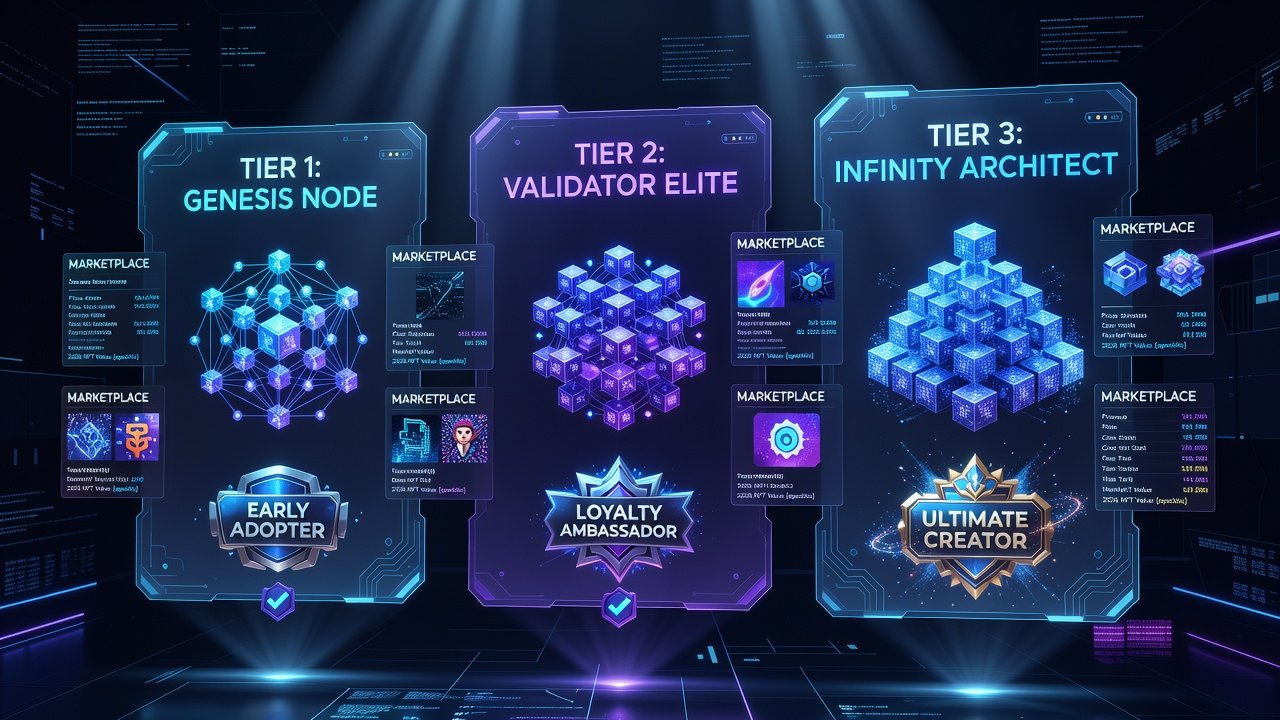
NFT loyalty programs have become a cornerstone of the digital collectibles space in 2026, offering structured incentives that reward active participation on major marketplaces. These systems use tiered structures to deliver benefits such as reduced trading fees, priority access to new drops, and enhanced staking multipliers. Users searching for nft marketplace rewards and nft updates often seek detailed comparisons that go beyond surface-level overviews, including practical methods to advance through tiers and real retention data.
By examining platforms like OpenSea and Blur alongside emerging options, collectors can optimize their strategies for long-term engagement. This comprehensive resource covers tier mechanics, actionable climbing guides, case studies, ROI evaluation techniques, and cross-platform approaches to help users maximize value from these evolving programs.
The Evolution of NFT Loyalty Programs Amid 2026 Updates
Recent nft updates have shifted focus from simple point accumulation to sophisticated reward ecosystems that integrate staking, volume tracking, and community challenges. Marketplaces now emphasize retention through exclusive perks that evolve with user behavior. For instance, loyalty tiers often reset or progress based on quarterly activity windows, encouraging sustained involvement rather than one-off trades. This evolution reflects broader industry trends where platforms compete by refining how rewards align with collector goals, such as securing rare assets or building diversified portfolios.
Understanding these changes helps users anticipate future nft marketplace rewards adjustments and adapt their participation accordingly.
Comparing Top Platforms: Tiered Rewards and Staking Multipliers
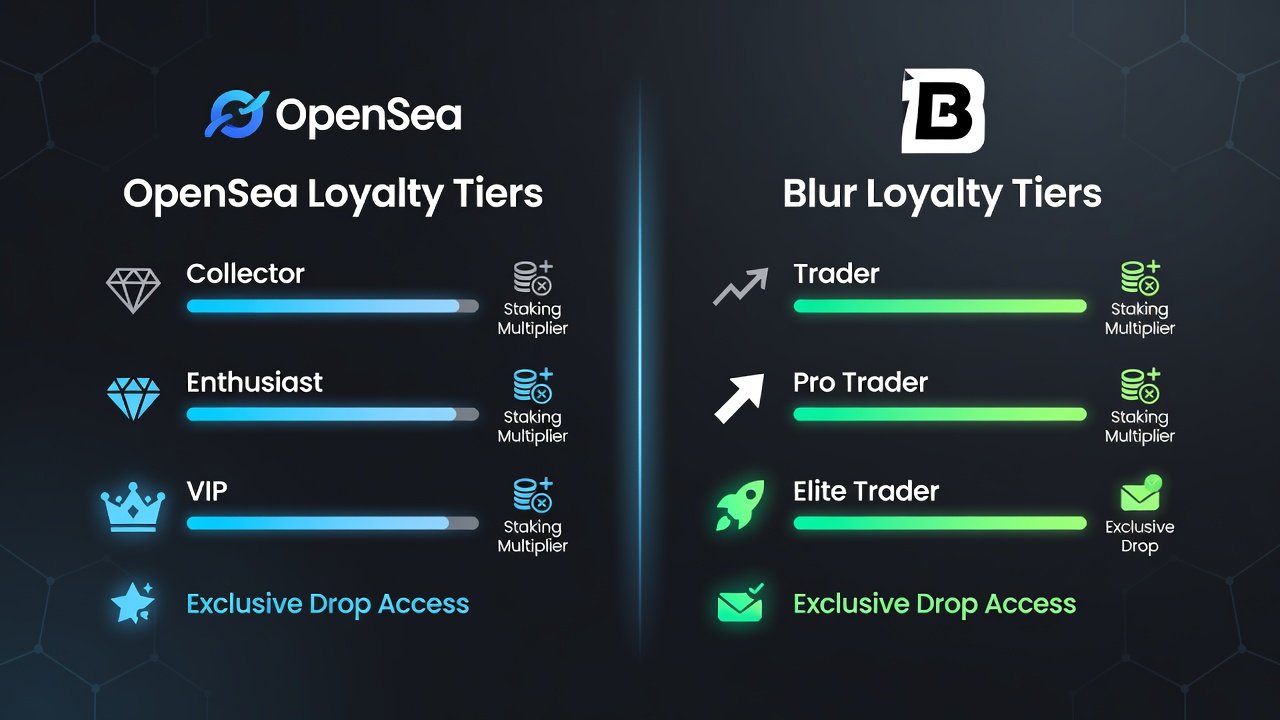
OpenSea maintains a tiered system with levels including Bronze, Silver, Gold, and Platinum, determined primarily by cumulative trading volume and NFT holding duration. Higher tiers provide benefits like boosted listing visibility and early access to curated collections. Blur, in contrast, prioritizes professional traders through staking multipliers that scale from 1.5x to 3x based on locked assets and trade frequency, unlocking private sales and dynamic fee reductions.
Additional platforms such as Magic Eden and Rarible incorporate community voting for drop eligibility and hybrid reward models. When evaluating these options, consider factors like supported blockchains, fee structures, and the frequency of exclusive events. A side-by-side analysis reveals that OpenSea suits casual collectors while Blur appeals to high-volume participants seeking accelerated point growth through staking.
Step-by-Step Guide to Climbing Tiers on OpenSea
Advancing through OpenSea tiers requires consistent activity and attention to verification requirements. Begin by connecting a verified wallet and completing any identity checks to unlock full tracking features. Next, initiate a series of smaller trades across diverse collections to establish a volume baseline without overextending capital. Hold selected NFTs for minimum periods, typically 30 days or more, to accumulate holding credits that contribute to tier progression.
Participate actively in platform-hosted events and featured drops to earn bonus points. Monitor your dashboard metrics on a weekly basis, adjusting strategies as volume thresholds approach. Reaching Silver often involves hitting a defined cumulative trade total, while Gold and Platinum demand extended consistency and higher engagement levels. Users who follow this methodical approach frequently report smoother advancement and better access to premium rewards.
Step-by-Step Guide to Climbing Tiers on Blur
Blur's system rewards staking and trading intensity. Start by linking your wallet and activating available staking options for supported tokens. Focus trading efforts during peak marketplace events to maximize point accrual from volume. Apply staking multipliers strategically by locking assets for longer durations, which can significantly boost overall rewards.
Join community challenges and referral programs for supplemental points. Review analytics tools regularly to identify underperforming areas and reallocate activity. Many traders reach advanced tiers within months by combining consistent volume with optimized staking, gaining access to exclusive opportunities that casual users miss.
Real-World Case Studies Demonstrating Retention Improvements
One dedicated OpenSea user progressed from Bronze to Gold over four months through targeted trading and holding practices. This shift resulted in repeated access to limited-edition drops, leading to a noticeable increase in portfolio activity and repeat engagement over the following year. On Blur, a professional trader utilized staking multipliers to maintain steady participation, with platform data indicating prolonged account activity even during market fluctuations.
These examples illustrate how structured loyalty incentives translate into measurable retention gains when users align their habits with tier requirements.
Calculating ROI from Loyalty Points and Rewards
Determining the return on investment from loyalty participation involves tracking points earned against tangible benefits like fee savings and exclusive access value. Break the process into steps: log all trading activity and points gained over a set period, estimate the monetary equivalent of perks such as discounted transactions or priority drops, and subtract any associated holding or opportunity costs. Advanced users often create spreadsheets to model scenarios, factoring in variables like market conditions and redemption frequency.
This quantitative approach reveals whether tier climbing justifies the effort for individual strategies, helping avoid overcommitment in volatile environments.
Cross-Platform Perk Stacking and Advanced Strategies
Experienced collectors frequently combine activities across multiple platforms to compound benefits. For example, building volume on OpenSea while staking on Blur can unlock dual rewards during aligned promotional periods. Transfer assets selectively between ecosystems when events coincide, ensuring compliance with each platform's rules to prevent penalties. Timing is critical—monitor official calendars for synchronized opportunities that allow stacking without violating terms of service.
Additional tactics include diversifying across three or more marketplaces and using analytics tools to identify overlapping reward windows.
Common Mistakes to Avoid in NFT Loyalty Programs
- Overlooking minimum holding periods, which can delay or invalidate tier progress and reduce overall rewards.
- Concentrating trades in low-liquidity assets, leading to inefficient point accumulation and higher risk exposure.
- Ignoring redemption expiration dates, resulting in forfeited benefits that could have enhanced portfolio value.
- Linking multiple wallets without proper security protocols, increasing vulnerability to unauthorized access during cross-platform activity.
- Failing to review updated terms after nft updates, potentially missing changes to multiplier rates or eligibility criteria.
FAQ on Eligibility, Redemption, and Program Mechanics
What determines eligibility for tier upgrades across platforms?
Eligibility generally hinges on verified trading volume, staking commitments, account status, and participation in platform-specific events. Each marketplace publishes its exact criteria in help documentation.
How long do reward redemptions typically take?
Most standard redemptions process within 24 to 72 hours once criteria are met, although exclusive drops follow predetermined schedules that may extend beyond this window.
Can loyalty perks or points be transferred to another account?
Benefits remain permanently linked to the original verified wallet and cannot be moved or sold to other users.
What risks exist when attempting cross-platform perk stacking?
Potential issues include violations of terms that lead to point deductions or account restrictions. Always consult each platform's guidelines before coordinating activities.
Do recent nft updates affect existing tier standings?
Updates may introduce new multipliers or reset certain progress metrics, so reviewing announcements promptly helps maintain optimal positioning.
No comments yet. Be the first!