 CryptoChain Blog
Introduction to NFT Lending in 2026
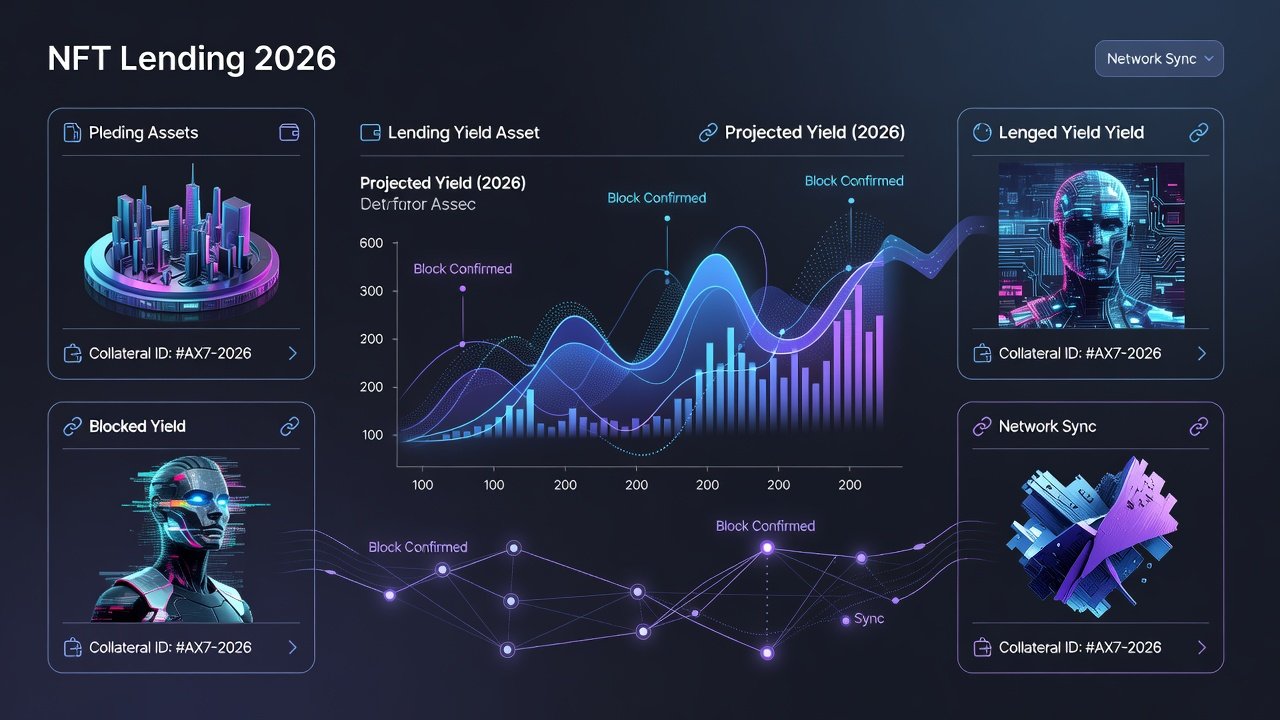
NFT lending has evolved into a core yield-generating activity within the digital asset space. In 2026, users can leverage non-fungible tokens as collateral to borrow funds or lend assets directly for interest income. This approach allows holders to retain ownership while unlocking liquidity, creating opportunities beyond simple holding or flipping. The ecosystem now supports sophisticated strategies that blend traditional finance principles with blockchain transparency, enabling both retail participants and larger holders to optimize returns.
The market features mature platforms supporting peer-to-peer agreements and automated protocol-driven models. Beginners benefit from clear entry points while advanced users apply hedging and portfolio balancing to manage exposure. As adoption grows, understanding these mechanics becomes essential for anyone seeking sustainable income from digital collectibles.
P2P Versus Protocol Lending Models
Peer-to-peer lending connects borrowers and lenders directly through marketplaces where terms are negotiated individually. This model offers flexibility in interest rates and loan durations but requires active management and carries counterparty risk. Lenders must evaluate borrower profiles and set custom conditions, which can lead to higher potential returns when successful.
Protocol-based lending uses smart contracts to automate matching, liquidation, and repayment. Liquidity pools provide instant access, and algorithms handle collateral ratios dynamically. Protocols generally reduce negotiation time and improve transparency through on-chain data. Many users combine both approaches, starting with protocols for simplicity and moving select high-value assets to P2P for customized yields.
Key differences emerge in liquidity speed and customization. P2P often suits unique or illiquid NFTs, while protocols excel with standardized blue-chip assets. Understanding these distinctions helps users select the right model for their goals.
Real Yield Examples from Major Platforms
Platform data from late 2026 shows consistent returns when assets are chosen carefully. Blue-chip collections such as established digital art and gaming items often attract lower-risk borrowers willing to pay steady rates. Yields vary by asset liquidity and market sentiment, with protocols typically publishing transparent APY dashboards updated in real time.
Examples include lending rare virtual land parcels through automated pools or offering P2P loans against popular profile-picture collections. Success depends on monitoring utilization rates and adjusting terms as demand shifts. A lender focusing on high-demand gaming NFTs might structure shorter-duration loans to capitalize on frequent borrower turnover, while art-focused portfolios benefit from longer terms with established collectors.
Cross-referencing activity on platforms like OpenSea helps identify trending collections likely to generate reliable borrower interest.
Risk Assessment Framework
Effective risk management begins with evaluating collateral volatility, borrower credit history where available, and platform smart-contract audits. Key metrics include loan-to-value ratios, liquidation thresholds, and historical default rates. Users should also consider broader market conditions that influence NFT valuations across different categories.
- Assess asset floor prices and trading volume over the prior 30 days to gauge liquidity.
- Review protocol insurance funds or backstops that protect against extreme events.
- Track oracle reliability for accurate pricing feeds and potential manipulation risks.
- Factor in regulatory changes affecting NFT marketplaces and lending activities.
- Evaluate smart contract upgradeability and past security incidents on each platform.
Users who diversify across multiple platforms and asset classes reduce single-point failures. Creating a personal risk scorecard with weighted factors for volatility, platform reputation, and loan duration helps prioritize safer opportunities.
Onboarding Steps for Beginners
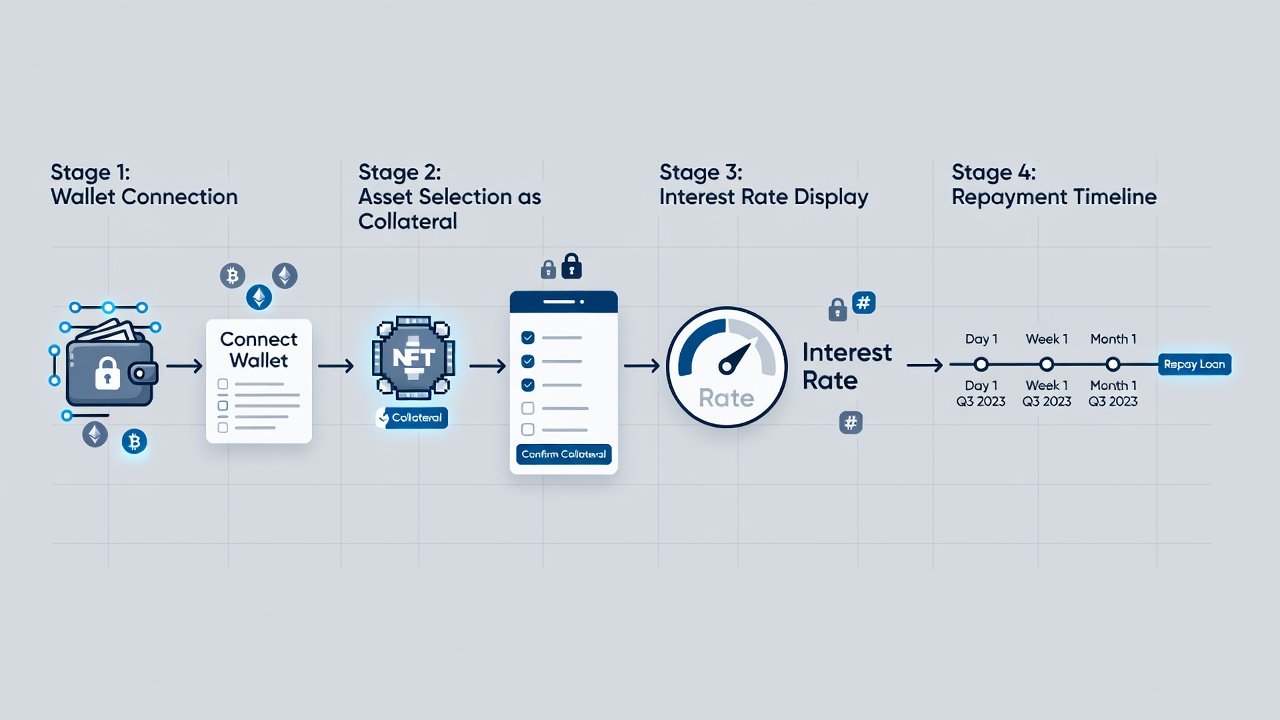
New participants should follow a structured path to minimize errors and build confidence gradually.
- Set up a secure non-custodial wallet and enable two-factor authentication along with hardware wallet integration for larger holdings.
- Acquire a small test NFT from a liquid collection to practice transactions without significant capital at risk.
- Connect the wallet to a reputable platform and review all smart-contract permissions, revoking unnecessary approvals immediately.
- Start with protocol lending using conservative collateral ratios before exploring P2P negotiations that require more oversight.
- Monitor the first few loans closely, document performance metrics, and adjust strategies based on real outcomes.
- Join community forums and review educational materials from sources like Ethereum.org to deepen understanding of underlying mechanics.
Patience during onboarding prevents costly mistakes that often occur when rushing into complex positions.
Portfolio Management Tips
Successful lenders treat NFT portfolios like diversified investment vehicles. Allocate across different categories such as art, collectibles, and utility tokens to balance risk and reward. Rebalance quarterly based on floor price trends and utilization data. Maintain cash reserves in stablecoins for margin calls or new opportunities that arise suddenly.
Regularly review platform-specific incentives like token rewards that can boost net yields without additional risk. For example, spreading exposure across five to seven distinct collections prevents over-reliance on any single asset class. Tracking correlation between your NFTs and broader market movements allows timely adjustments before downturns impact returns.
Platform Comparisons
Leading platforms differ in supported collections, fee structures, and liquidation speed. Some prioritize ease of use for retail users while others cater to institutional lenders with advanced analytics. Compare maximum loan durations, supported chains, and historical uptime before committing larger positions.
Cross-platform strategies allow users to move assets quickly when better rates appear elsewhere. Consider factors like user interface quality, customer support responsiveness, and integration with popular wallets when choosing primary venues. Data aggregators such as DefiLlama provide useful overviews for comparing activity levels across protocols.
Hedging Techniques
Volatility can be managed through several practical methods. Pair NFT loans with short positions in correlated tokens or use options where available. Some protocols offer built-in insurance products that protect against sudden price drops. Diversifying loan maturities prevents concentration risk during market swings.
Advanced users monitor on-chain metrics and set automated alerts for liquidation thresholds. Another effective approach involves maintaining a mix of short-term and long-term loans so that capital returns at staggered intervals, providing flexibility to redeploy into favorable conditions. Combining these techniques creates a more resilient lending operation.
Advanced Yield Optimization Strategies
Beyond basic lending, users can layer additional tactics for improved results. Rotating assets between protocols based on weekly utilization reports maximizes returns. Participating in governance votes on lending platforms can unlock bonus incentives. Some experienced lenders also explore fractional ownership models to increase liquidity of high-value NFTs before lending portions individually.
These strategies require ongoing attention but often deliver superior compounded growth when executed consistently.
Tax and Compliance Considerations
Interest income from NFT lending is generally subject to local tax rules. Maintaining detailed records of every transaction, including loan origination dates and repayment amounts, simplifies reporting. Users should also track any platform fees or gas costs that may qualify as deductions. Staying informed about evolving regulations helps avoid unexpected compliance issues.
FAQ: Common Pitfalls and How to Avoid Them
What happens if collateral value drops sharply?
Most protocols trigger automatic liquidation. Users should maintain buffer ratios well above minimum requirements and monitor prices daily through reliable data sources.
Are yields guaranteed?
No. Returns depend on borrower demand and asset performance. Treat expected yields as targets rather than certainties and always plan for variability.
How do taxes apply to NFT lending income?
Interest earned is typically treated as ordinary income in most jurisdictions. Consult local regulations and keep detailed transaction records for accurate filing.
Can I lend the same NFT on multiple platforms simultaneously?
Generally no, due to ownership transfer during loans. Check each platform’s terms before attempting multi-platform strategies to avoid conflicts.
What role does insurance play in protecting lenders?
Some protocols maintain insurance funds or partner with coverage providers. Review coverage limits and claim processes before relying on these protections.
How important is wallet security during lending?
Extremely important. Use hardware wallets for significant positions and never share private keys or approve suspicious contracts.
Conclusion
NFT lending in 2026 rewards disciplined participants who combine thorough research, conservative risk settings, and ongoing portfolio oversight. By understanding model differences, following clear onboarding steps, and applying hedging where appropriate, users can generate sustainable yields while protecting principal. Resources from organizations like Web3 Foundation offer additional guidance for those seeking deeper technical knowledge. Start small, track results, and scale proven tactics for long-term success in this dynamic space.

No comments yet. Be the first!