 CryptoChain Blog
2026 NFT Subscription Tiers: Perks Comparison Guide
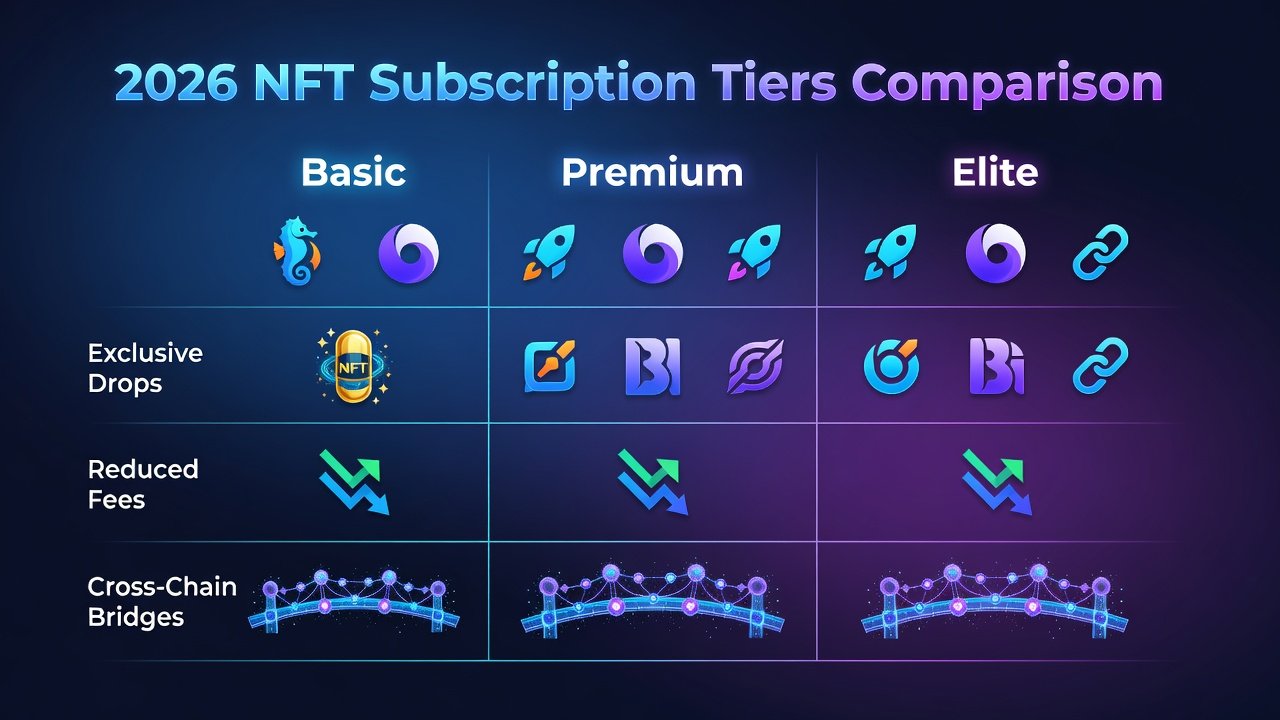
The NFT ecosystem in 2026 continues to mature rapidly, with subscription-based models emerging as a key differentiator for marketplaces seeking to retain users amid fluctuating market conditions. These tiers provide structured access to premium features that can significantly enhance a collector's or trader's experience. Platforms such as OpenSea, Blur, and various emerging competitors have refined their offerings to include elements like priority access to curated drops, meaningful reductions in transaction costs, and seamless interoperability across multiple blockchain networks. Understanding these tiers is crucial for anyone looking to optimize their participation in the space, whether they are building a personal collection or pursuing active trading strategies.
Understanding NFT Subscription Tiers in 2026
Subscription models have evolved beyond simple fee discounts to encompass holistic ecosystems that reward engagement and loyalty. In practice, a subscription often functions as an investment in efficiency and opportunity. For example, users gain advantages in discovering limited-edition releases before the general public, which can lead to better acquisition prices or higher resale potential. Cross-chain capabilities allow assets to move fluidly between networks like Ethereum, Polygon, and newer Layer-2 solutions, reducing friction that previously hindered multi-platform strategies. Additionally, many tiers incorporate staking mechanisms where subscription status unlocks multipliers on rewards earned from holding or participating in platform-specific pools.
Collectors must evaluate these features not in isolation but as part of a broader portfolio approach. A tier that excels in fee savings may appeal to high-volume traders, whereas one emphasizing exclusive drops suits long-term holders seeking unique items. The dynamic nature of the market means that benefits can fluctuate, making it essential to review platform updates regularly.
Leading Platforms and Their Tier Structures
OpenSea continues to lead with a focus on accessibility and community features, offering multiple subscription levels tailored to different user profiles. Blur positions itself as a trader-centric platform, prioritizing speed and liquidity tools that integrate directly with its order book systems. Emerging platforms, often built on specialized chains or with unique governance models, provide alternatives that cater to niche interests such as generative art or real-world asset tokenization. Each structure balances core utilities differently, requiring careful analysis of how perks align with individual goals.
Key Perks Across Platforms
- Exclusive drops and early mint access that provide first-mover advantages in competitive releases
- Fee reductions applied to both buying and selling activities across primary and secondary markets
- Cross-chain access enabling transfers and trades without excessive bridging costs or delays
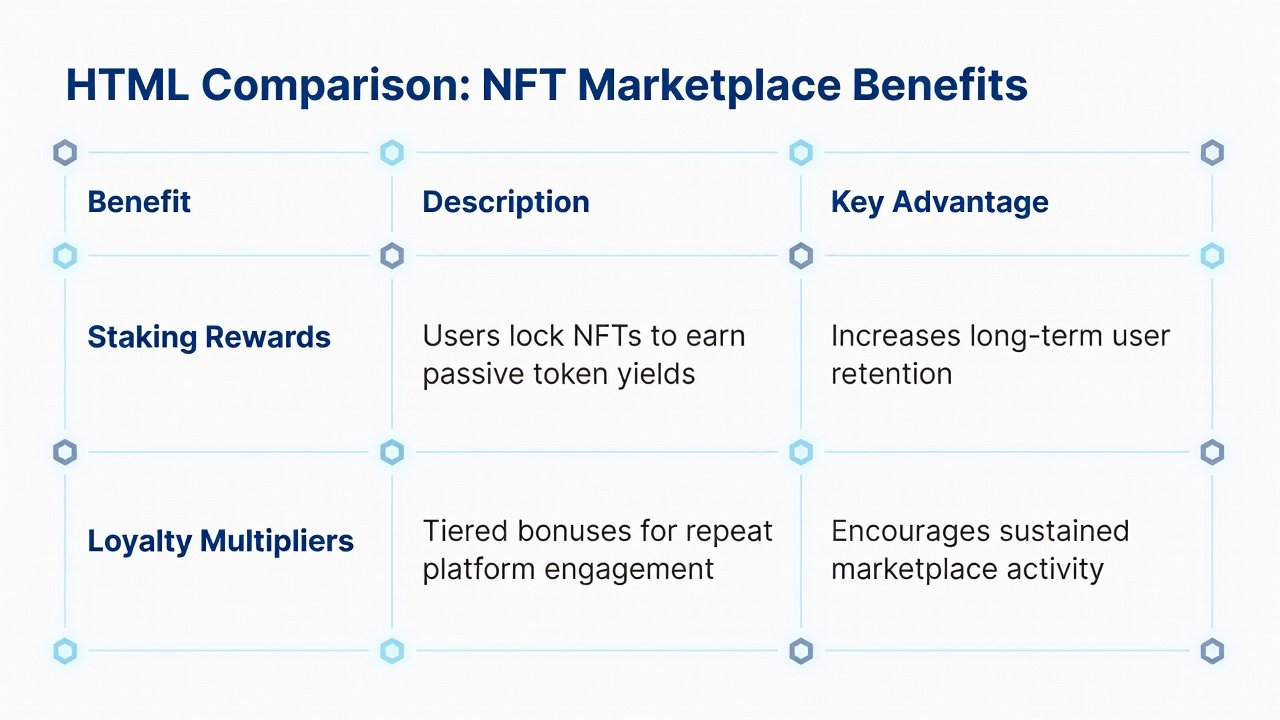
- Staking rewards distributed periodically based on tier level and activity metrics
- Loyalty multipliers that scale earnings from rewards pools or referral programs over sustained periods
These elements combine to create compounding value. For instance, OpenSea integrates loyalty programs that reward consistent activity, while Blur focuses on high-volume trading efficiencies. Emerging options frequently highlight community-voted drops that foster deeper engagement.
Comparing Benefits with Practical Tables
| Platform | Subscription Focus | Fee Reductions | Exclusive Drops | Cross-Chain Access | Staking & Loyalty |
|---|---|---|---|---|---|
| OpenSea | Collector growth and discovery | Moderate savings on trades | High priority on featured collections | Multiple networks supported | Rewards multipliers for holders |
| Blur | Trader efficiency and liquidity | Significant cuts for volume users | Selective access to pro drops | Limited but fast options | Volume-based boosts available |
| Emerging Platforms | Niche utilities and governance | Variable depending on chain | Community-driven selections | Broad support emphasized | Custom multiplier structures |
Evaluating ROI Through Staking Rewards and Loyalty Multipliers
Return on investment calculations for subscriptions center on the interplay between upfront commitments and ongoing returns from staking and loyalty features. Real platform examples illustrate this dynamic clearly. On OpenSea, loyalty multipliers increase reward rates proportionally to a user's tenure and engagement level, allowing collectors to offset subscription costs through accumulated yields from supported pools. Blur provides examples where traders recover value through accelerated staking tied directly to trade volume, with multipliers that grow as activity thresholds are met. Emerging platforms often introduce hybrid models combining governance tokens with staking, where multipliers reward both holding periods and participation in platform votes.
To assess ROI effectively, users should monitor key performance indicators such as average reward distribution frequency, multiplier tiers, and historical performance during market upswings and downturns. A practical approach involves simulating scenarios based on personal trading patterns before upgrading tiers. This method reveals whether the enhanced access to drops or cross-chain tools justifies the recurring expense in volatile conditions.
Step-by-Step Selection Criteria
- Define your primary goals by categorizing activities into trading frequency, collection building, or experimental exploration of new projects and chains.
- Map required cross-chain functionalities against each platform's supported networks and bridging tools to ensure compatibility with existing holdings.
- Estimate potential savings from fee reductions by reviewing past transaction data and projecting future volume levels.
- Examine historical data on exclusive drop success rates, including average sell-out times and secondary market performance for tier members.
- Analyze staking reward structures by comparing base rates, multiplier schedules, and any lock-up requirements that could affect liquidity.
- Factor in platform stability, including user base size, security track record, and responsiveness to community feedback on tier updates.
Onboarding Flows for New Subscribers
The onboarding process typically begins with a secure wallet connection, followed by a clear presentation of available tiers and their benefits. On OpenSea, the flow includes interactive previews of loyalty features and sample drop calendars to set expectations. Blur streamlines verification for traders by emphasizing quick integration with existing order books and liquidity tools. Emerging platforms may incorporate additional educational modules or community onboarding calls to highlight unique governance aspects. After selection, payment confirmation occurs via supported cryptocurrencies, with immediate activation of perks such as priority notifications for upcoming releases.
Risk Considerations for Different User Segments
Beginners often encounter the risk of selecting overly advanced tiers without matching activity levels, leading to underutilized benefits during market lulls. Intermediate collectors should remain vigilant about dependency on single-platform ecosystems, as sudden policy changes can impact loyalty multipliers unexpectedly. Advanced traders face considerations around capital allocation, where locked staking positions might limit flexibility in fast-moving markets. Across all segments, regulatory shifts in various jurisdictions represent an overarching factor that could influence cross-chain access and reward distributions.
Mistakes to Avoid When Choosing Tiers
Common pitfalls include ignoring the fine print on reward eligibility, which sometimes requires minimum holding periods or specific activity thresholds. Another frequent error is overlooking platform-specific token volatility that directly affects staking yields. Users should also avoid committing to long-term subscriptions without testing features through trial periods or lower tiers when offered. Finally, neglecting to diversify across multiple platforms can concentrate risk unnecessarily in a single ecosystem.
Frequently Asked Questions
How do I cancel an NFT subscription tier?
Cancellation processes vary by platform but generally involve navigating to account settings, selecting the active tier, and confirming the request. Most allow immediate effect at the end of the current billing cycle, with continued access until expiration. Review terms to understand any prorated adjustments or data retention policies.
Can I maximize perks during volatile markets?
Yes, by focusing on loyalty multipliers and staking during stable periods, then leveraging exclusive drops when sentiment improves. Diversifying across chains helps mitigate single-network volatility impacts on rewards.
Are there differences in retention outcomes between platforms?
Retention tends to be higher on platforms with strong community elements and consistent drop quality, as users perceive ongoing value beyond basic fee savings. Tracking personal engagement metrics provides the best indicator of long-term suitability.
Conclusion
Selecting an appropriate 2026 NFT subscription tier involves weighing immediate advantages like fee reductions and drop access against sustained benefits from staking rewards and loyalty multipliers. Through structured evaluation using the outlined criteria, examples from leading platforms, and awareness of potential risks, collectors can make informed decisions that enhance their overall strategy while adapting to market changes.

No comments yet. Be the first!