 CryptoChain Blog
Introduction to NFT Loyalty Programs in 2026
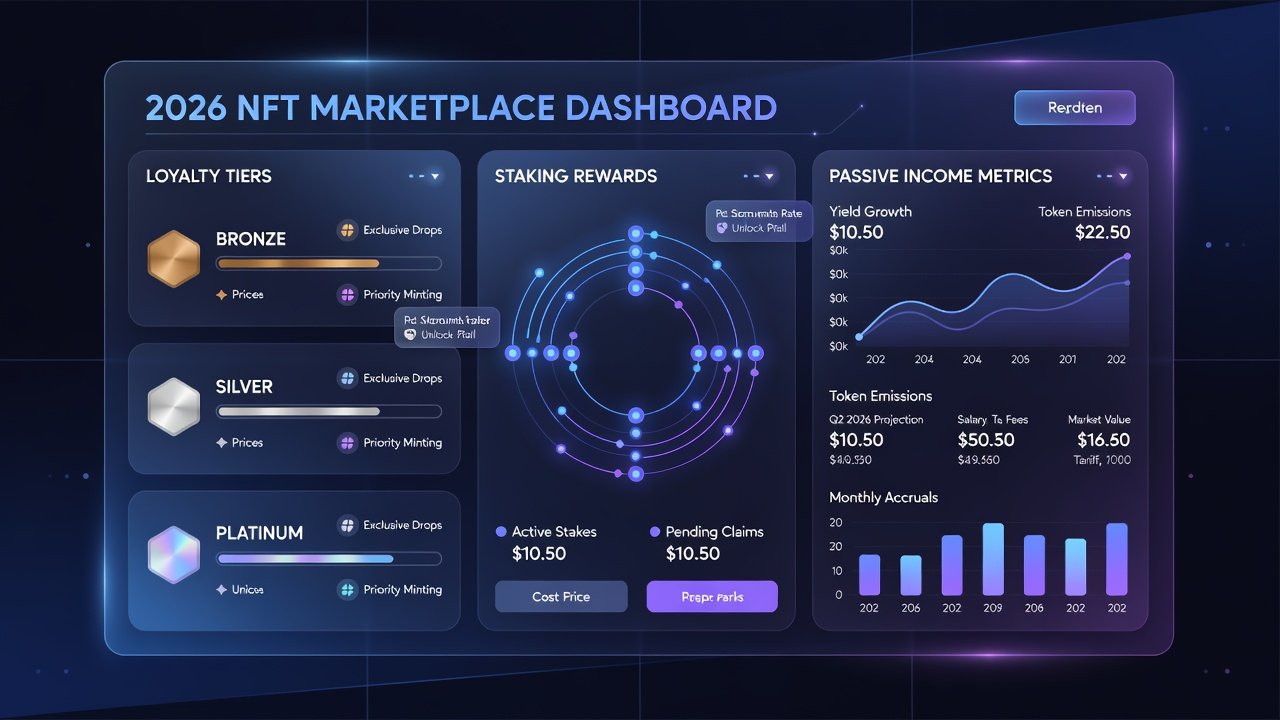
NFT marketplaces have evolved significantly by 2026, shifting from one-time trades to sustained engagement through loyalty programs. These systems reward collectors with staking incentives, tiered benefits, and cross-platform perks, turning holding into a source of recurring value. Intermediate collectors now seek ways to maximize passive rewards while navigating DeFi integrations and market volatility. The shift mirrors successful subscription models in other industries where consistent participation drives long-term retention and incremental gains.
This comprehensive guide examines leading platforms like OpenSea and Blur, providing real-world examples, detailed setup steps, risk management strategies, and tactics drawn from proven loyalty formats. Collectors will find actionable insights to build sustainable reward streams without constant market monitoring.
How NFT Loyalty Programs Deliver Passive Rewards
Loyalty programs on NFT marketplaces typically combine staking mechanisms with point systems. Users lock NFTs or tokens to earn yields, often boosted by holding periods or volume milestones. Tiered structures unlock higher reward rates, exclusive drops, and reduced fees as collectors progress through levels based on cumulative activity. Cross-platform perks allow points earned on one site to influence benefits elsewhere, fostering ecosystem-wide retention. Retention rates have improved notably where programs emphasize consistent, low-effort participation over aggressive trading. For instance, programs that reward steady holding rather than frequent flips tend to see higher user loyalty because they reduce the pressure of timing the market perfectly.
Additional mechanics include bonus multipliers for early adopters of new collections and seasonal challenges that grant extra points. These elements create a layered reward environment where passive accumulation becomes feasible alongside active trading.
Comparing Top Platforms: OpenSea vs Blur
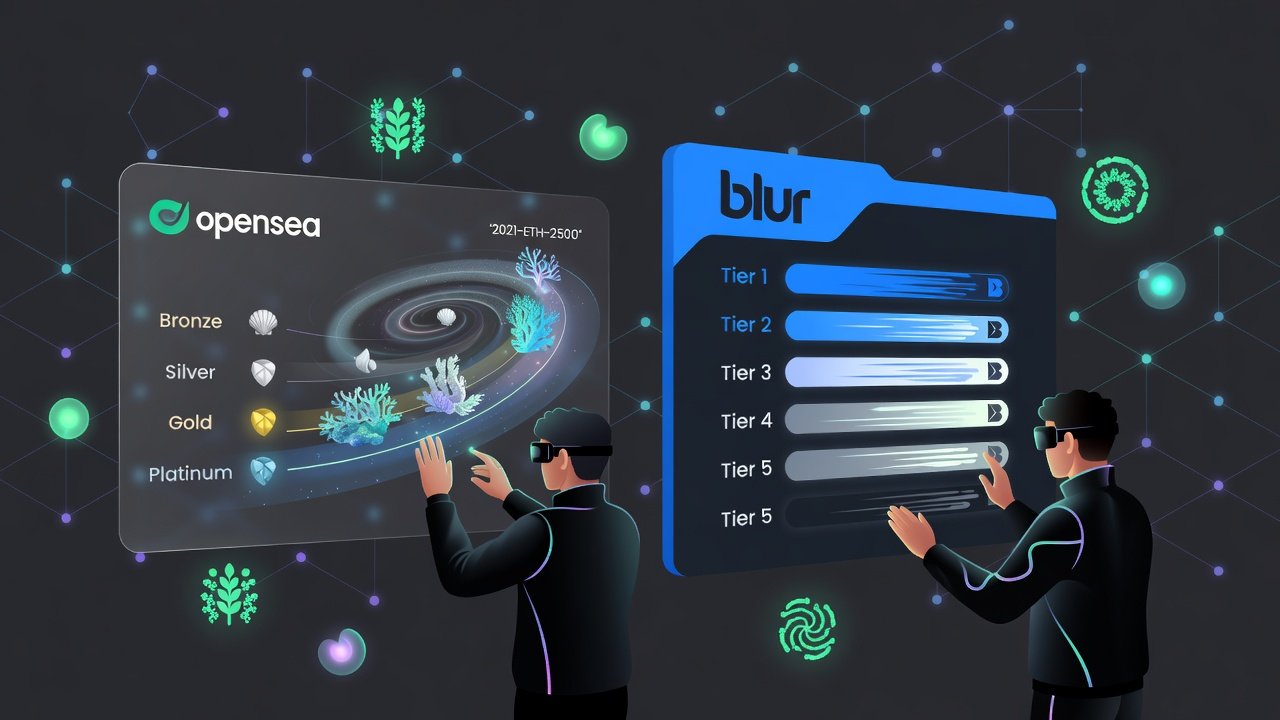
OpenSea offers a mature loyalty framework with staking pools tied to its native token ecosystem. Collectors earn points through consistent listings and holds, progressing through tiers that provide fee discounts and early access to collections. Real examples show long-term holders accumulating steady points that translate into priority access during high-demand drops, improving overall portfolio performance without daily intervention.
Blur focuses on high-volume traders with aggressive reward multipliers for liquidity provision. Its program emphasizes speed and DeFi-style yields, attracting users who integrate NFT positions with broader yield farming strategies. Users who provide liquidity on Blur often see accelerated tier advancement when combined with marketplace volume, though this requires more active oversight than OpenSea's holder-focused approach.
Both platforms demonstrate strong user retention through transparent point tracking and regular reward distributions, though OpenSea appeals more to long-term holders while Blur suits active participants. Comparing the two reveals that OpenSea prioritizes stability and accessibility, whereas Blur rewards velocity and integration with external protocols.
Step-by-Step Setup Guide for Earning Rewards
- Connect a compatible wallet such as MetaMask to the chosen marketplace and verify network compatibility to avoid transaction failures.
- Navigate to the loyalty or rewards dashboard, review eligibility criteria for your NFT holdings, and select assets suitable for staking.
- Stake eligible NFTs or tokens by confirming the transaction and setting any preferred lock periods to optimize point accrual rates.
- Monitor tier progression by tracking volume and holding duration metrics through the platform's analytics tools, adjusting holdings as needed.
- Enable cross-platform linking if available to compound perks across ecosystems and maximize cumulative benefits.
- Regularly claim rewards and reinvest into DeFi protocols for amplified yields, while documenting performance for future strategy refinement.
Following these steps ensures collectors activate passive streams without constant oversight. Each step includes checkpoints to minimize errors and maximize early progress toward higher tiers.
Integrating NFT Rewards with DeFi Yields
Many 2026 programs allow seamless bridging to DeFi platforms. Staked NFTs can serve as collateral for loans or liquidity pools, generating additional returns on top of base loyalty points. This hybrid approach maximizes capital efficiency while maintaining marketplace engagement. Collectors can explore yield farming opportunities that accept NFT positions as collateral, layering returns from both loyalty points and DeFi interest.
Practical examples include using OpenSea-staked assets in established lending protocols to borrow stablecoins while retaining NFT ownership. Always verify smart contract audits before bridging assets. Ethereum.org provides foundational resources on secure DeFi interactions that complement NFT strategies. Integration requires careful gas fee management and timing to ensure net positive returns.
Risk Considerations and Mitigation Tactics
While rewarding, these programs carry risks including smart contract vulnerabilities, NFT value depreciation, and opportunity costs from locked assets. Market downturns can erode principal even as points accumulate. Additional risks involve platform-specific rule changes that may alter reward calculations mid-program and liquidity issues when attempting to unstake during volatile periods.
Mitigate by diversifying across multiple marketplaces, setting clear exit thresholds based on portfolio goals, and using only assets you are comfortable holding long-term. Scenario planning helps: if an NFT collection loses relevance, having diversified holdings prevents total loss of rewards momentum. Avoid over-leveraging in DeFi integrations without understanding liquidation mechanics and maintain separate wallets for different risk levels.
Common Mistakes to Avoid in NFT Loyalty Programs
- Overcommitting to a single platform without testing cross-platform compatibility first, which limits overall point potential.
- Ignoring holding duration requirements and unstaking prematurely, resulting in forfeited bonuses and tier resets.
- Failing to track gas fees during frequent claims or bridges, which can erode small reward margins over time.
- Neglecting to review updated program terms after platform upgrades, missing new multipliers or eligibility changes.
Avoiding these pitfalls ensures more consistent passive income and higher long-term retention across loyalty ecosystems.
Practical Tactics to Maximize Points and Retention
- Focus on high-demand collections that align with tier multipliers and seasonal challenges for compounded growth.
- Combine marketplace staking with external DeFi farms for layered yields while monitoring overall risk exposure.
- Participate in community events that grant bonus points and foster network effects for better drop access.
- Track performance weekly using built-in dashboards to adjust strategies promptly and capitalize on emerging opportunities.
- Reinvest claimed rewards strategically into under-the-radar collections that may gain traction in future loyalty cycles.
These tactics mirror successful loyalty formats from other industries, boosting both earnings and platform stickiness for intermediate collectors.
FAQ: Maximizing NFT Loyalty Points
How do I qualify for higher tiers quickly?
Consistent trading volume combined with long-term holds accelerates progression. Review each platform's exact criteria in their dashboard and prioritize collections with built-in multipliers.
Can rewards be transferred between platforms?
Some cross-platform partnerships enable partial point portability, but always confirm current integrations directly on the sites before assuming compatibility.
What happens if I unstake early?
Early unstaking typically forfeits accrued bonuses and may reset tier status, so plan holding periods carefully around your overall investment timeline.
Are there tax implications for earned rewards?
Rewards are generally considered taxable events in many jurisdictions when claimed or converted. Consult local regulations and keep detailed records of all transactions.
How often are rewards distributed?
Distribution schedules vary by platform but often occur weekly or monthly. Check the specific program's terms for exact timing and claim processes.
Conclusion
NFT loyalty programs in 2026 transform passive holding into meaningful returns when approached strategically. By comparing platforms thoroughly, following detailed setup guides, integrating with DeFi thoughtfully, and managing risks proactively, collectors can build sustainable reward streams that enhance overall portfolio performance. The key lies in consistent application of practical tactics and ongoing education about evolving marketplace features.
No comments yet. Be the first!