 CryptoChain Blog
Introduction to NFT Lending in 2026
NFT lending has matured into a core DeFi primitive by 2026, allowing collectors to unlock liquidity without selling prized assets. This shift enables traders to maintain ownership while accessing capital for new opportunities or diversification. Building on recent trends, this analysis examines real platform successes across Blur and OpenSea to deliver practical insights. Readers will learn how to replicate results through data-driven approaches tailored to current market conditions.
2026 NFT Lending Market Trends
The NFT lending sector has evolved rapidly with increased institutional interest and improved smart contract security. Platforms now support a wider range of collections beyond blue chips, incorporating real-time oracle feeds for accurate valuations. Traders benefit from higher liquidity pools that reduce wait times for loan matching. Focus remains on sustainable yields rather than speculative spikes, helping portfolios weather volatility in the broader crypto space.
P2P vs Protocol Lending Models
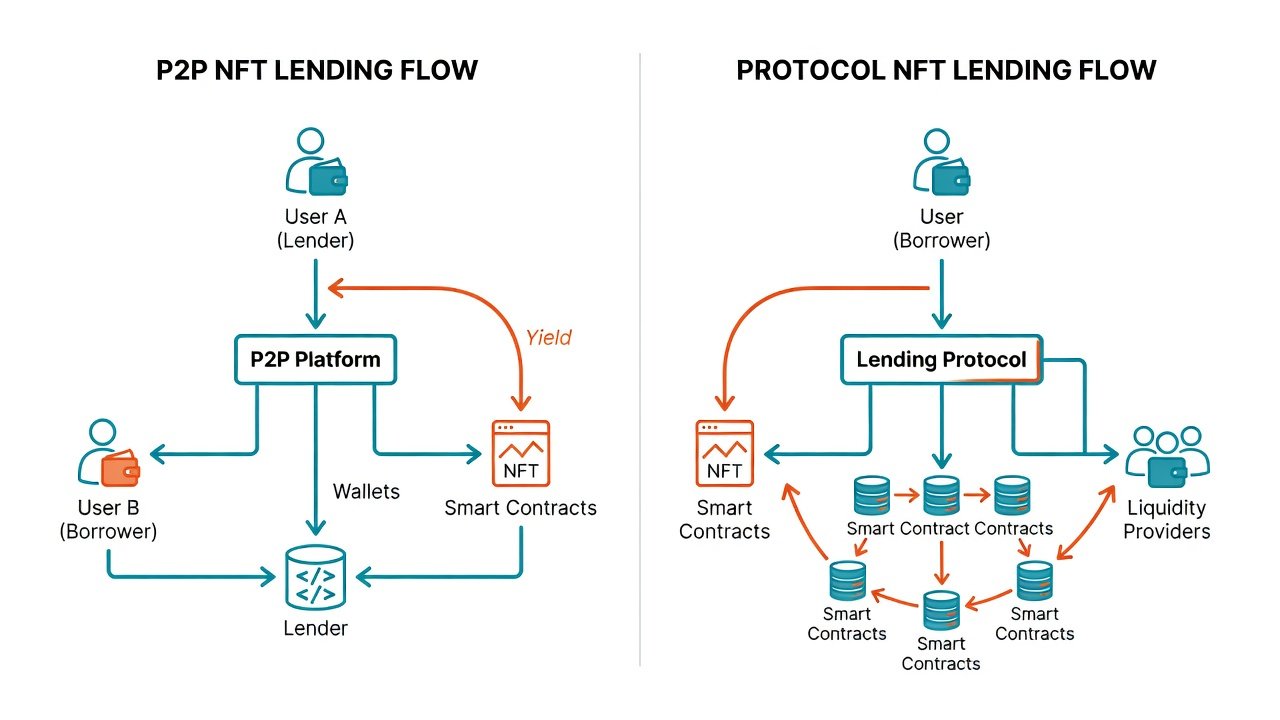
Peer-to-peer models connect borrowers directly with lenders through order books, offering flexible terms but requiring active management. Protocol-driven approaches use smart contracts for automated matching and liquidation, delivering more predictable yields. In 2026, hybrid platforms blend both for optimized results. P2P often suits experienced users seeking customized interest rates, while protocols appeal to those prioritizing speed and reduced counterparty risk. Understanding these differences helps traders select the right model for their risk tolerance and time commitment.
Blur Marketplace Success Analysis
Blur has captured significant market share through its focus on professional traders. Case studies show users leveraging its lending pools for rapid liquidity access while maintaining NFT exposure. One trader successfully used Blur to borrow against a popular collection during a market dip, then deployed funds into emerging projects that later appreciated. Another example involved rolling over short-term loans multiple times to capture compounding opportunities across seasonal collection launches. Traders replicate wins by monitoring floor price movements and timing loans around collection hype cycles.
Visit Blur to explore current lending interfaces.
OpenSea Lending Wins and Comparisons
OpenSea’s integration of lending features emphasizes user-friendly onboarding. Success stories highlight collectors using protocol models to generate consistent returns on blue-chip NFTs. One case involved a portfolio manager who diversified loans across multiple collections on OpenSea, reducing concentration risk while earning steady yields. Compared to Blur, OpenSea often provides stronger discovery tools but may involve different fee structures. Both platforms demonstrate strong user retention through transparent liquidation processes and educational resources.
Explore OpenSea for detailed marketplace tools.
Detailed Platform Comparisons
When comparing Blur and OpenSea, key factors include liquidity depth, supported collections, and user interface. Blur excels in high-volume trading environments with faster execution, while OpenSea offers broader accessibility for newcomers. Revenue potential depends on individual strategy rather than platform alone. Users often split activity between both to maximize opportunities. Additional considerations involve integration with external wallets and analytics dashboards for performance tracking.
Yield Examples and Revenue Calculations
Yield generation varies by model and asset volatility. Traders calculate potential returns by factoring in loan duration, interest rates, and collateral ratios. Focus on diversified portfolios across multiple collections to smooth returns in fluctuating conditions. Practical examples include using lending proceeds to acquire fractional ownership in high-demand items or participating in community governance that boosts long-term value. Consistent monitoring of on-chain metrics allows for timely adjustments that protect and grow overall portfolio performance.
Risk Mitigation Tactics
Effective strategies include setting conservative loan-to-value ratios, using over-collateralization, and implementing automated alerts for price drops. Diversification across P2P and protocol options reduces single-point failures. Always monitor oracle reliability for accurate valuations. Additional tactics involve stress-testing portfolios against historical downturns and maintaining emergency liquidity reserves outside lending positions. Traders who document each loan decision build valuable personal datasets for refining future approaches.
Onboarding Steps for Traders
- Connect a compatible wallet to the chosen platform and verify network settings for optimal gas efficiency.
- Deposit NFTs as collateral and review available loan offers from multiple lenders or pools.
- Evaluate terms including duration, interest, and liquidation thresholds before executing the agreement.
- Monitor positions daily using platform dashboards and external price trackers.
- Repay or roll over loans strategically based on market signals and personal cash flow needs.
- Track performance metrics over several cycles to refine future strategies and identify patterns.
Practical Strategies for Portfolio Growth
Start with established collections to minimize risk while learning platform mechanics. Reinvest yields into additional assets or lending positions to accelerate compounding. Combine lending with staking where available for layered returns. Review on-chain data regularly to identify emerging opportunities before broader adoption. Successful traders maintain detailed records of every transaction and adjust allocations quarterly based on performance reviews.
Common Mistakes to Avoid
- Over-leveraging without adequate buffers against sudden price swings.
- Ignoring platform-specific rules around grace periods and liquidation fees.
- Failing to diversify across multiple collections or lending models.
- Neglecting to update wallet security practices as threats evolve.
FAQs on Liquidation Scenarios
What triggers liquidation? Price drops below the agreed threshold activate automated sales to protect lenders.
How can borrowers avoid liquidation? Maintain healthy collateral buffers and respond quickly to market shifts with partial repayments if needed.
Are there grace periods? Most protocols allow brief windows for repayment before full liquidation proceeds.
What happens after liquidation? Remaining collateral may be returned minus fees, or the position closes entirely depending on the platform.
Can lenders also face risks? Yes, illiquid markets can delay repayment even after collateral seizure, requiring careful selection of borrowers.
Conclusion
By studying 2026 successes on Blur and OpenSea, traders can apply proven tactics to grow portfolios while managing downside. Focus on education, diversification, and disciplined execution for sustainable results in NFT lending. Continuous learning and adaptation remain essential as the ecosystem develops further.
No comments yet. Be the first!