 CryptoChain Blog
Introduction to 2026 NFT Loyalty Programs
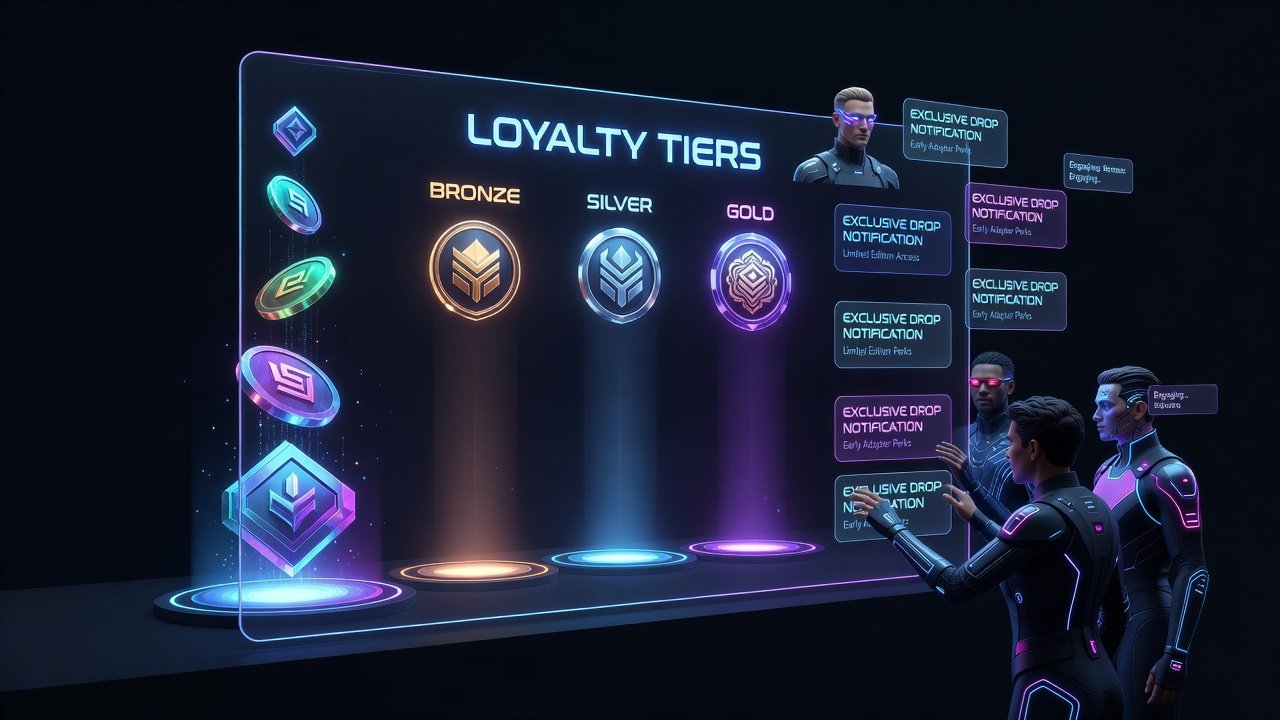
As the NFT ecosystem matures into 2026, marketplaces are shifting focus from acquisition to retention through sophisticated loyalty programs. These initiatives combine tiered staking rewards, exclusive drops, and cross-platform perks to keep users engaged long after their first purchase. This article examines advanced tactics that successful platforms use to build lasting communities, drawing on data from winning retention models to deliver concrete, actionable advice that keeps readers engaged beyond the intro. Loyalty programs now represent a core competitive advantage, helping platforms reduce churn while increasing lifetime value for both collectors and traders.
Core Components of Modern NFT Loyalty Systems
Tiered staking rewards form the backbone of retention. Users lock NFTs or tokens to unlock escalating benefits such as boosted point multipliers and priority access. Exclusive drops provide early or discounted access to high-demand collections, while cross-platform perks allow seamless benefits across multiple marketplaces and partner ecosystems. In practice, these components work together: staking builds points over time, points unlock drops, and cross-platform integrations extend value beyond a single site. Platforms have refined these mechanics based on user behavior data, creating systems that reward consistent participation rather than one-off transactions.
OpenSea vs Blur: Platform Comparison
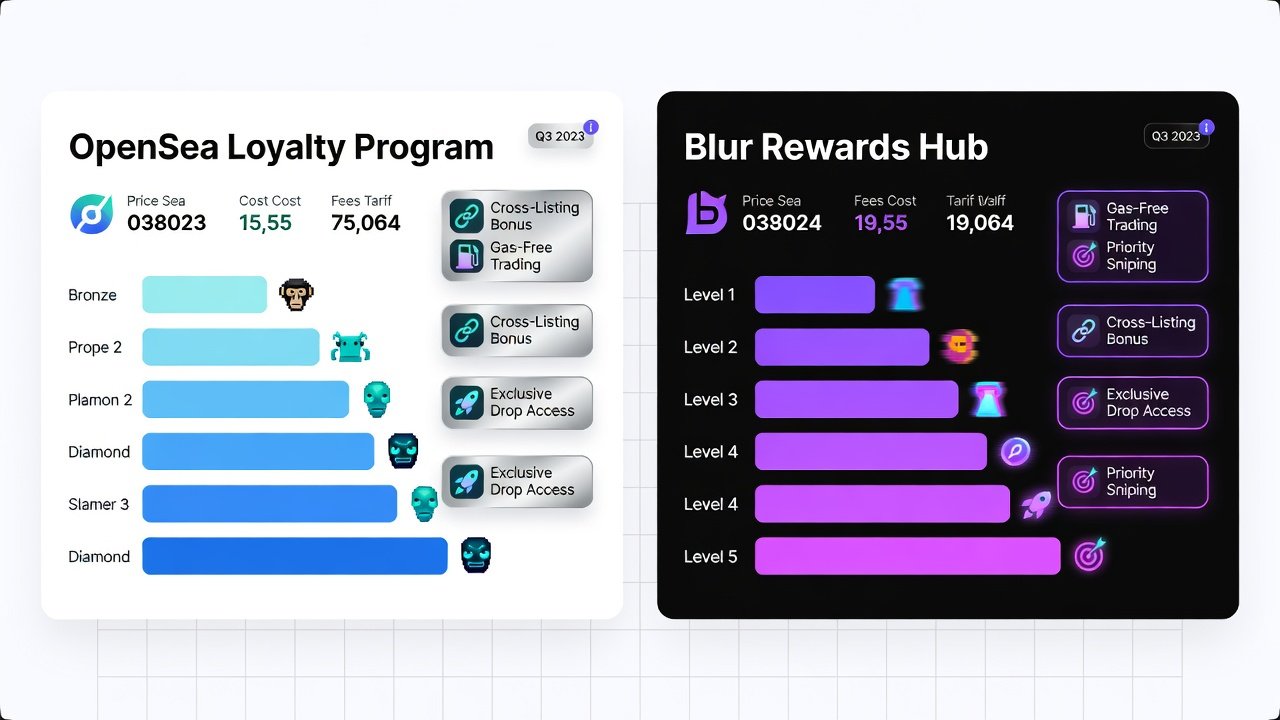
OpenSea continues to lead with broad user bases and integrated loyalty features, while Blur emphasizes trader-centric mechanics with aggressive reward structures. Key differences include OpenSea's emphasis on collector tools versus Blur's focus on high-volume trading incentives. Both platforms now incorporate staking tiers that reward consistent activity. OpenSea offers more educational resources for new users and integrates with a wider range of collections, making it ideal for long-term holding strategies. Blur, by contrast, accelerates reward cycles for frequent traders through volume-based bonuses and faster point accrual. Shared trends include growing cross-platform integrations that let users carry benefits between ecosystems. When choosing between them, consider your primary activity: collectors benefit from OpenSea's curated experiences, while traders may prefer Blur's speed and liquidity focus.
- OpenSea: Broader audience with collector-focused perks and robust analytics dashboards
- Blur: Trader-oriented with faster reward cycles and emphasis on real-time bidding tools
- Shared trend: Cross-platform integrations gaining traction across both services
- Retention edge: OpenSea excels at community events while Blur drives repeat trades through incentives
Step-by-Step Guide to Setting Up Loyalty Participation
1. Connect your wallet to the chosen marketplace using a secure provider such as MetaMask or WalletConnect.
2. Navigate to the loyalty dashboard and review available staking tiers, paying attention to minimum lock-up periods and reward multipliers.
3. Deposit eligible NFTs or tokens to begin earning points; ensure assets meet platform-specific criteria to avoid disqualification.
4. Monitor progress through the platform's analytics panel, which typically displays point balances, tier status, and upcoming drop eligibility.
5. Redeem accumulated points for drops or perks at scheduled intervals, always verifying gas fees and transaction details before confirming.
6. Engage with additional platform features such as community voting or referral programs to accelerate point growth and unlock hidden bonuses.
Revenue Impact Examples from Recent Campaigns
Platforms implementing these models have reported sustained increases in monthly active users and secondary sales volume. Data from winning retention strategies shows that tiered systems can drive repeat engagement rates significantly higher than flat reward models. For instance, campaigns that layered exclusive drops on top of staking tiers have produced measurable lifts in user retention over multiple quarters. These outcomes stem from aligning rewards with user motivations, whether that means long-term holding for collectors or rapid turnover for traders. Marketers can replicate success by testing small-scale campaigns before full rollout, using on-chain analytics to track which perks generate the strongest repeat behavior.
Audience Targeting: Collectors Versus Traders
Collectors respond best to long-term staking benefits and exclusive access to curated drops. Traders prefer rapid point accumulation tied to transaction volume and liquidity incentives. Effective programs segment messaging and rewards accordingly to maximize retention across both groups. For collectors, highlight storytelling around rare items and community governance rights. For traders, emphasize speed, low-friction redemption, and volume multipliers. Hybrid users who exhibit both behaviors benefit from flexible programs that allow switching between modes without penalty. Audience research through surveys and on-chain pattern analysis helps refine these segments over time.
Practical Steps for Implementation Success
Start by auditing your current wallet activity to identify which assets qualify for staking. Next, set calendar reminders for drop windows and point expiration dates to avoid missing opportunities. Test small stakes first to understand platform rules before committing larger holdings. Collaborate with other users in community forums to share tactics that have worked across different loyalty tiers. Finally, track personal metrics such as points per week and redemption frequency to optimize your approach continuously.
Common Mistakes to Avoid
Many participants fail by ignoring tier requirements or unstaking too early, resulting in lost rewards. Another frequent error involves spreading activity across too many platforms without focusing on one primary loyalty system, diluting point accumulation. Overlooking cross-platform perks can also mean missing bonus opportunities that compound value. Always read the fine print on lock-up periods and eligibility rules to prevent surprises.
Measuring Retention Success
Key metrics include repeat transaction rates, average holding duration, and points redemption frequency. Platforms that publish transparent dashboards allow users to benchmark their own performance. Successful retention correlates strongly with consistent staking and active participation in drops. Review these indicators monthly and adjust strategies based on what drives the highest engagement for your profile type.
FAQ: Maximizing Loyalty Points
How do I qualify for the highest staking tier?
Hold a minimum threshold of staked assets and maintain consistent platform activity over a defined period, typically verified through on-chain snapshots.
Can points be transferred between accounts?
Most platforms prohibit transfers to prevent abuse and encourage genuine participation, though some allow limited gifting within verified groups.
What happens if I unstake early?
Early unstaking typically results in partial or full forfeiture of accumulated rewards depending on the tier rules and time elapsed.
Are cross-platform perks automatic?
They usually require explicit opt-in or connection of multiple wallets to activate shared benefits across partner marketplaces.
How often are new drops announced?
Announcements vary but generally follow monthly or quarterly schedules aligned with major collection launches and platform events.
Conclusion
NFT loyalty programs in 2026 represent a critical evolution in marketplace strategy. By combining tiered staking, targeted drops, and cross-platform value, platforms can achieve meaningful retention while delivering tangible benefits to both collectors and traders. Implementing these tactics with clear segmentation leads to stronger communities and improved long-term metrics. For further reading, explore OpenSea and Blur directly, along with foundational resources at Ethereum.org.

No comments yet. Be the first!