 CryptoChain Blog

Introduction to NFT Subscriptions in 2026
NFT subscriptions have evolved into a core revenue driver for marketplaces by 2026, blending recurring payments with exclusive access and incentives. Advanced users now leverage these models to build sustainable engagement rather than relying on one-off mints. This analysis draws on leading platforms to examine recurring revenue mechanics, exclusive drops, cross-platform access, staking incentives, and tiered rewards that drive measurable retention. The shift toward subscriptions reflects broader Web3 trends where predictable revenue streams help platforms weather market volatility while offering collectors curated experiences that foster long-term loyalty.
Platforms integrate subscriptions directly with marketplaces like OpenSea and Blur, allowing seamless on-chain management. Users benefit from data-backed strategies that boost collector loyalty while helping creators maintain consistent income streams. By examining real platform examples, this guide provides actionable insights for optimizing subscriptions without generic advice.
Case Study: OpenSea’s Subscription Evolution
OpenSea introduced tiered subscriptions emphasizing recurring revenue through monthly access to premium drops and analytics tools. Their model ties subscriptions to staking incentives, where users lock tokens for enhanced rewards. Retention metrics show improved repeat engagement when exclusive drops align with user collection themes. For instance, subscribers in the mid-tier receive priority notifications for artist collaborations, leading to higher participation rates in secondary market trading.
Cross-platform access allows subscribers to bridge assets across Ethereum and Solana ecosystems without additional fees in many cases. This integration reduces friction and encourages deeper platform commitment. OpenSea’s approach demonstrates how combining staking with subscription benefits can create a flywheel effect: users stake to unlock better rewards, which in turn increases their activity and retention. Detailed user data from 2026 indicates that those engaging with staking features renew at significantly higher rates than non-stakers.
Case Study: Blur’s Staking-Driven Retention
Blur focuses on high-volume traders with subscription tiers that include staking rewards and priority bidding tools. Their structure rewards long-term holders through escalating benefits, such as reduced marketplace fees and early access to curated collections. Real examples demonstrate that users who stake within the subscription ecosystem exhibit higher lifetime value and lower churn rates. Traders report that the combination of fee discounts and exclusive bidding opportunities creates a compelling reason to maintain active subscriptions over multiple renewal cycles.
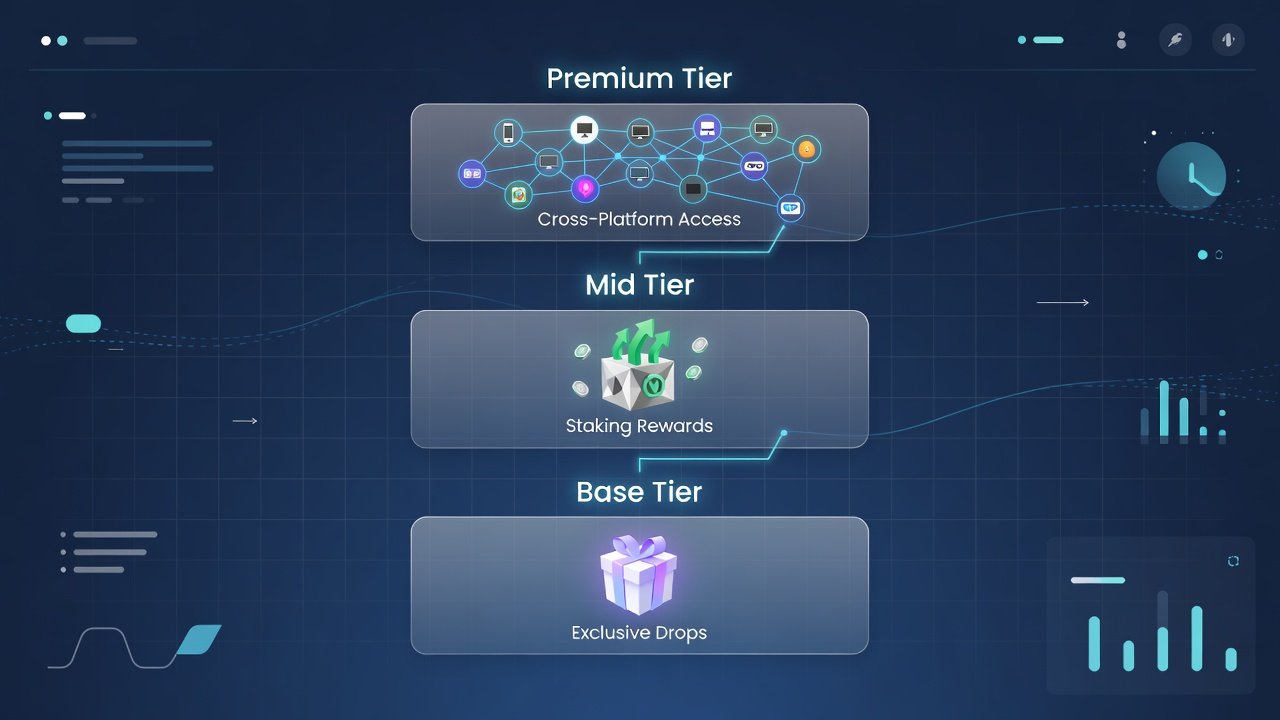
Tiered rewards escalate from basic access at entry levels to advanced analytics and custom drop notifications at premium tiers, creating clear upgrade paths that support retention goals. Blur’s emphasis on trader-centric features makes it particularly effective for users focused on volume rather than pure collecting, highlighting the importance of matching subscription models to specific user behaviors.
Case Study: Magic Eden’s Cross-Chain Retention Strategy
Magic Eden has implemented subscriptions that emphasize cross-chain compatibility, particularly between Solana and Ethereum. Subscribers gain access to unified dashboards that track holdings across chains, along with staking pools that distribute rewards based on subscription duration. This model has proven effective in retaining users who operate in multi-chain environments, as the convenience of centralized management reduces the temptation to switch platforms. Examples from active communities show that exclusive Solana-based drops tied to subscriptions drive consistent engagement from collectors who previously fragmented their activity.
By integrating staking incentives with cross-platform access, Magic Eden illustrates how platforms can address the fragmentation common in NFT ecosystems. Retention improves when users perceive tangible time savings and reward multipliers from staying subscribed.
Recurring Revenue Mechanics and Exclusive Drops
Recurring revenue in 2026 NFT subscriptions typically operates via automated wallet deductions or smart contract renewals. Exclusive drops function as gated events available only to active subscribers, often featuring artist collaborations or limited editions. These mechanics create predictable income for platforms while delivering scarcity value to users. Cross-platform access expands utility by allowing subscribers to port benefits across partnered marketplaces, fostering ecosystem-wide participation.
Successful implementations often include automated renewal reminders and flexible pause options to minimize involuntary churn. Platforms that tie drops to user preferences through on-chain analytics see stronger retention, as collectors feel the subscription delivers personalized value rather than generic offerings.
Step-by-Step Guide to Selecting an NFT Subscription
- Assess your collection focus and target marketplaces to match subscription features with needs, considering whether your activity centers on trading volume, long-term holding, or creator support.
- Compare staking incentives across platforms, evaluating lock-up periods, reward distribution frequency, and any penalties for early unstaking to ensure alignment with your risk tolerance.
- Review tiered rewards structures for alignment with your engagement level and budget, paying close attention to how benefits scale with each upgrade.
- Test cross-platform access compatibility with your preferred wallets and chains through trial periods or demo accounts where available.
- Monitor retention metrics shared in platform reports or community dashboards to validate long-term value before committing to annual plans.
- Evaluate integration ease by checking API documentation and community feedback on transaction speed and support responsiveness.
Optimizing Subscriptions for Maximum Retention
Optimization begins with aligning subscription tiers to personal activity patterns. Collectors should activate staking incentives early to compound rewards and monitor performance through on-chain dashboards. Creators benefit from promoting subscriber-only drops to build dedicated communities that provide recurring support. Regular evaluation of usage data helps adjust tiers before renewal periods, preventing overpayment for underused features. Practical examples include setting calendar reminders for quarterly reviews and participating in platform feedback channels to influence future drop themes.
Pricing Tier Comparisons and Benefits
Tiers generally range from basic monthly access focused on drops to premium annual plans that bundle staking boosts and analytics. Benefits scale accordingly, with higher tiers offering priority support and enhanced cross-platform privileges. Users should weigh these against their transaction volume for optimal returns. Basic tiers often suffice for casual collectors, while advanced tiers deliver compounding advantages for active traders through combined staking and access features.
Integration with Marketplaces and Risk Factors
Seamless marketplace integration relies on API connections and wallet permissions. Risks include smart contract vulnerabilities, market volatility affecting staking rewards, and subscription fatigue from overlapping services. Mitigation involves starting with shorter commitment periods and diversifying across two platforms maximum. Additional considerations include monitoring gas fees during renewal periods and maintaining separate wallets for subscription-related activities to isolate potential issues.
Retention Metrics and Real-World Examples
Platforms tracking retention often report metrics such as monthly active subscriber rates and average session duration. In one documented case, a staking-integrated tier achieved over 40 percent higher renewal rates compared to non-staking options. Collectors who combined subscriptions with regular participation in exclusive drops demonstrated sustained engagement across multiple quarters. These examples underscore the value of data-driven adjustments rather than static subscription choices.
FAQs on Maximizing Value
How do staking incentives improve retention?
Staking locks capital in exchange for escalating rewards, encouraging users to remain active subscribers over time and reducing the likelihood of switching platforms.
What are common mistakes when choosing tiers?
Overcommitting to premium tiers without matching activity levels leads to underutilization and early cancellation; always start with entry-level options to test fit.
Can creators use subscriptions effectively?
Yes, by offering subscriber-exclusive content and drops that foster recurring community support and predictable revenue independent of secondary market fluctuations.
How does cross-platform access affect overall strategy?
It enables diversified holdings while centralizing benefits, allowing users to optimize across ecosystems without managing multiple separate subscriptions.
Conclusion
2026 NFT subscription models reward strategic selection and active optimization. By studying platform case studies and applying tiered rewards thoughtfully, both collectors and creators achieve stronger retention and engagement outcomes. Focus on data-driven adjustments to sustain value in this maturing ecosystem. Continued evolution in staking and access features promises further opportunities for those who adapt proactively.
For further reading on blockchain standards, visit Ethereum.org, OpenSea, and Solana.com.

No comments yet. Be the first!