 CryptoChain Blog
Introduction to NFT Marketplace Loyalty Programs in 2026
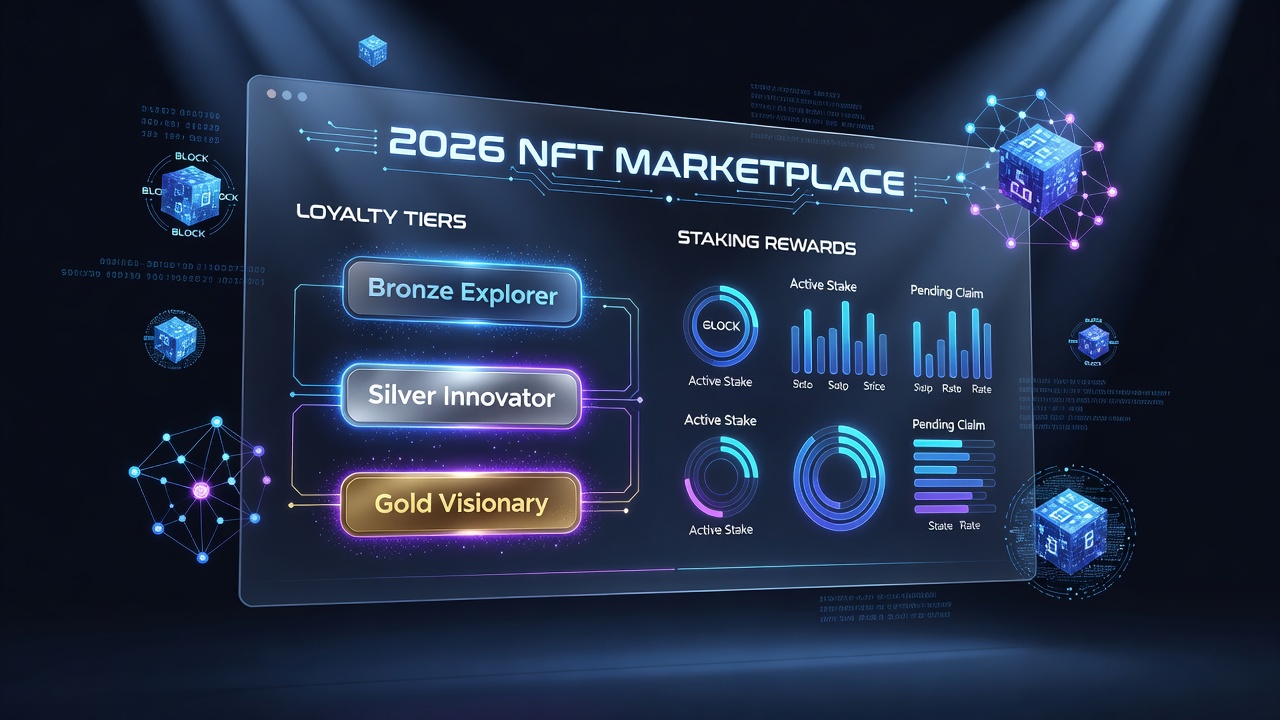
As the NFT ecosystem matures in 2026, loyalty programs have become essential tools for marketplaces seeking to retain users and build lasting communities. These programs go beyond simple discounts, offering structured incentives that reward consistent participation and encourage deeper engagement with digital assets. Users searching for ways to maximize long-term value through NFT updates and marketplace features will find that well-designed loyalty systems can significantly enhance engagement while providing tangible rewards that compound over time.
Marketplaces now integrate loyalty mechanics directly into their platforms, drawing inspiration from traditional retail but tailored to blockchain realities like token ownership and decentralized governance. This shift addresses user intent around sustainable NFT strategies rather than one-off flips, helping collectors build portfolios that appreciate through active participation. In 2026, successful loyalty programs blend on-chain transparency with user-friendly interfaces, creating ecosystems where holding and interacting with NFTs yields ongoing benefits instead of fleeting gains.
The evolution reflects broader Web3 trends where retention hinges on aligning platform growth with individual user success. By examining emerging models, collectors can identify opportunities that fit their goals, whether focused on art, gaming, or utility-driven collections.
Core Reward Structures: Staking Incentives and Tiered Benefits
Staking incentives form the backbone of many 2026 loyalty programs. Users lock NFTs or platform tokens into smart contracts to earn additional rewards, such as exclusive drops or boosted yields. This mechanism encourages holding periods that align with long-term value creation by reducing impulsive selling and promoting strategic portfolio management.
Tiered benefits create progression paths where higher activity levels unlock premium perks. Entry-level users might receive basic fee reductions, while top tiers access priority mints, custom avatars, or governance voting rights. These structures promote retention by gamifying participation and making every interaction count toward meaningful upgrades.
- Staking periods typically range from 30 to 180 days with escalating multipliers that reward longer commitments.
- Tier thresholds often based on trading volume, holding duration, and community contributions such as content creation or referrals.
- Redemption options include marketplace credits, physical merchandise, or metaverse access passes that enhance real-world and virtual utility.
- Dynamic adjustments allow programs to respond to market conditions while maintaining fairness through transparent algorithms.
Practical examples show how these structures work across collections. Leading platforms have reported increased user retention rates through combined staking and tier models that adapt to user feedback and on-chain data.
Comparing Leading NFT Marketplaces and Their Loyalty Features
Several major platforms stand out in 2026 for innovative loyalty implementations. Comparisons reveal differences in reward flexibility and integration depth that help users choose the best fit.
One prominent marketplace emphasizes seamless staking with cross-collection compatibility, allowing users to stake diverse NFTs for unified rewards across ecosystems. Another focuses on tiered systems tied to on-chain activity metrics, providing transparent dashboards for tracking progress and forecasting potential earnings. A third integrates loyalty with social features, rewarding community moderation and event participation to foster stronger networks.
When evaluating options, consider factors like reward velocity, ease of redemption, and alignment with your NFT portfolio. Ethereum.org provides foundational resources on smart contract standards that power these loyalty mechanisms across platforms. Opensea.io offers insights into evolving marketplace tools that support such programs.
Step-by-Step Guide to Participating in Loyalty Programs
Getting started requires a systematic approach that minimizes errors and maximizes returns. Follow these steps to join and optimize rewards effectively:
- Connect a compatible wallet to your chosen marketplace and verify ownership of eligible NFTs by reviewing collection compatibility lists provided in the platform documentation.
- Navigate to the loyalty dashboard to review available programs and calculate potential earnings based on current holdings, using built-in simulators where available.
- Stake assets or complete tier requirements, monitoring progress through on-chain analytics tools that update in real time to reflect any changes.
- Engage regularly by trading, creating content, or participating in community events to climb tiers while documenting activities for personal records.
- Redeem accumulated points strategically during high-value drop periods for maximum impact, always checking expiration policies beforehand.
This process helps users avoid common pitfalls like premature unstaking that forfeits accrued benefits and ensures consistent progress toward higher reward tiers.
Integrating Loyalty Programs with NFT Updates and Marketplace Features
Modern loyalty programs in 2026 often tie directly into platform updates, such as new royalty structures or enhanced metadata standards. By staying current with these changes, users can position their holdings for additional bonuses during rollout periods. For example, marketplaces may offer bonus points for NFTs that adopt updated standards, encouraging proactive upgrades that improve discoverability and value.
This integration supports the search intent of maximizing long-term value through NFT updates, turning routine maintenance into rewarded actions. Collectors who monitor feature announcements gain an edge by aligning their strategies with upcoming incentives.
Real-World Examples and Success Metrics from Top Platforms
Real implementations demonstrate measurable outcomes across diverse user bases. For instance, platforms incorporating hybrid staking have seen average holding times increase by notable margins as participants optimize for compounded rewards. Success metrics often include user retention rates above industry averages and higher lifetime value per participant through sustained activity.
One case involved a tiered system that boosted monthly active users through targeted reward campaigns focused on emerging collections. Another example highlighted how integrating loyalty with governance tokens led to stronger community decision-making and sustained engagement over multiple quarters.
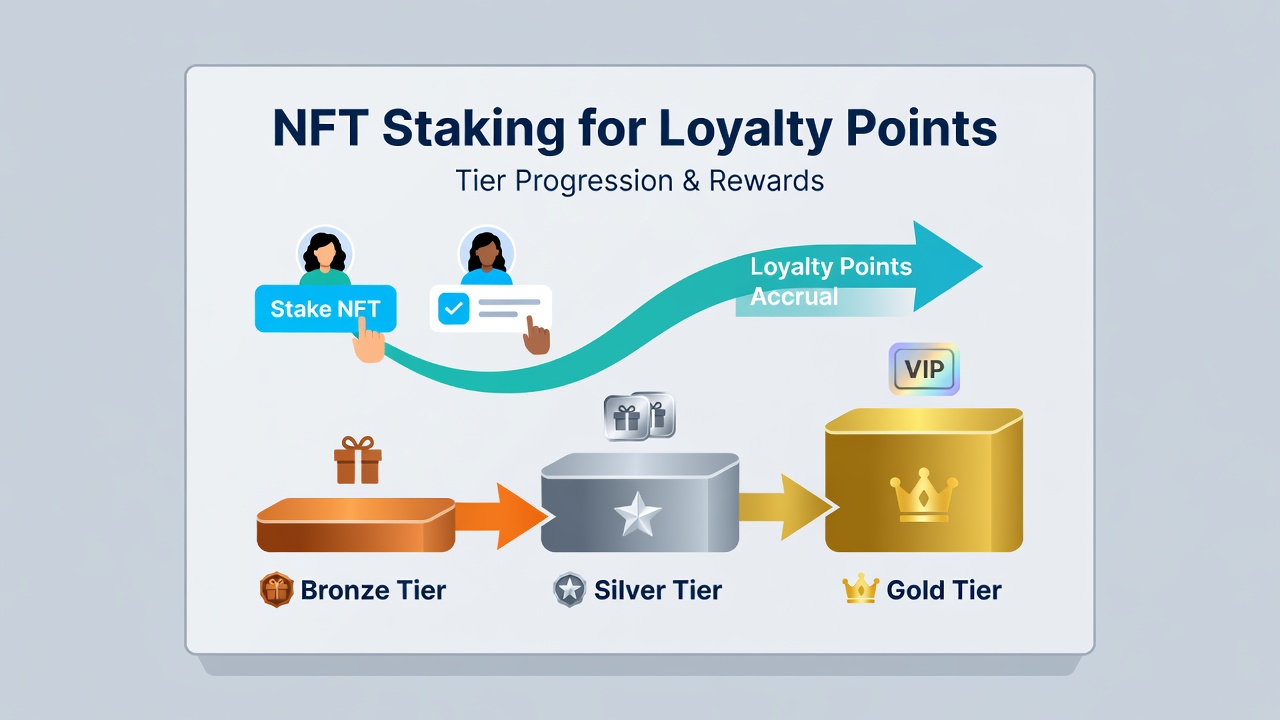
These examples underscore the importance of aligning program design with user behaviors observed in 2026 NFT markets, providing templates that new entrants can adapt.
Common Mistakes to Avoid and Optimization Tips
Users frequently overlook the tax implications of reward redemptions or fail to diversify across multiple programs for balanced risk. To optimize, track all activities in a dedicated portfolio tool and set calendar reminders for staking expirations to avoid missed opportunities.
Additional tips include reviewing terms after each marketplace update, testing small stakes before committing larger amounts, and leveraging community forums for shared strategies. Another common error is ignoring cross-platform compatibility, which can limit reward potential when collections migrate or expand.
FAQ: Earning and Redeeming NFT Loyalty Rewards
How do I qualify for staking incentives?
Eligibility usually requires holding platform-approved NFTs and committing them for a minimum period via the marketplace interface, with verification handled automatically through smart contracts.
What are typical redemption options?
Options range from fee waivers and exclusive NFTs to real-world experiences, varying by platform tier and accumulated points with clear conversion rates listed in user dashboards.
Can rewards be transferred between users?
Most programs tie rewards to individual accounts, though some allow limited gifting of earned tokens under specific conditions outlined in the terms of service.
How often do programs update their structures?
Updates occur quarterly in response to market conditions and user feedback, so regular dashboard checks are recommended to stay ahead of changes.
Are there risks involved in staking for loyalty rewards?
Yes, smart contract vulnerabilities and market volatility represent key risks, mitigated by choosing audited platforms and starting with smaller positions.
Can I participate in multiple loyalty programs simultaneously?
Many users do so successfully by allocating assets strategically across platforms, though overlapping requirements may demand careful time management.
Conclusion
2026 NFT marketplace loyalty programs represent a sophisticated evolution in user retention. By understanding staking, tiers, and participation strategies, collectors can unlock sustained value while adapting to new features. Explore platforms thoughtfully and stay informed via resources like Web3.foundation to capitalize on emerging opportunities and build resilient NFT portfolios.
No comments yet. Be the first!