 CryptoChain Blog
NFT Rental Marketplaces: 2026 Growth Strategies
The NFT rental marketplace sector continues to mature in 2026, providing creators, collectors, and investors with innovative monetization opportunities that extend well beyond traditional trading. By allowing temporary lending of digital assets, these platforms unlock recurring revenue while granting renters access to high-value NFTs for gaming, virtual events, or metaverse experiences without requiring outright ownership.
Understanding Rental Protocol Mechanics
Rental protocols serve as the foundational infrastructure for NFT marketplaces by managing asset escrow, time-based access controls, and seamless return mechanisms. These systems typically operate through on-chain smart contracts that lock the NFT in a secure vault during the rental period, ensuring the original owner retains ultimate control. Common mechanics include collateral deposits from renters to deter misuse, automated expiration timers measured in blockchain blocks or timestamps, and usage restrictions that limit actions such as permanent transfers or modifications.
In practice, protocols differentiate between fixed-term rentals, where the duration is predetermined, and usage-based models that charge per hour or per in-game session. Liquidity is enhanced because owners can earn yields on idle assets, while renters benefit from short-term utility without capital commitment. Advanced protocols also incorporate oracle integrations to verify real-world usage metrics, adding transparency to the rental lifecycle.
Smart Contract Templates for Lending
Building reliable rental contracts starts with proven templates available through major blockchain resources such as Ethereum. These templates commonly feature modular functions for fee calculation, temporary ownership delegation via ERC-721 approvals, and event logging for every rental transaction. Developers often extend them with custom logic for revenue splits, where a portion of earnings flows automatically to the owner upon rental conclusion.
A typical implementation might define parameters like maximum rental duration, acceptable collateral ratios, and revocation conditions if the renter violates terms. Open-source libraries provide starting points that support multi-chain deployment, allowing the same contract logic to function across Ethereum, Polygon, and emerging Layer-2 networks. Testing on testnets before mainnet deployment remains essential to avoid costly errors.
Risk Mitigation for Owners and Renters
Both parties encounter distinct risks that require proactive safeguards. Owners must guard against asset damage, unauthorized usage, or failure to return the NFT, while renters need protection from sudden fee changes or platform insolvency. Effective mitigation strategies include mandatory over-collateralization, where renters lock value exceeding the NFT's market price, and third-party insurance protocols that cover potential losses.
Reputation scoring systems built into leading marketplaces help identify repeat offenders, and multi-signature wallet requirements add an extra layer of security for high-value rentals. Regular audits by independent firms further reduce smart-contract vulnerabilities. Practical examples show that combining on-chain enforcement with off-chain legal agreements provides the strongest protection in cross-jurisdictional scenarios.
Revenue Models Including Revenue-Sharing
Modern NFT rental platforms support diverse monetization approaches. Flat-fee models offer simplicity with upfront payments, whereas percentage-based revenue sharing lets owners participate in any profits generated during the rental window, such as tournament winnings or virtual land yields. Subscription tiers provide another option, granting renters ongoing access for recurring monthly fees.
Hybrid structures that blend base rentals with performance bonuses have gained popularity because they align incentives between owners and users. These models encourage longer-term partnerships and higher utilization rates across the ecosystem.
Integration with Gaming and Metaverse Platforms
Successful integration requires compatibility layers that allow rented NFTs to function seamlessly inside games and virtual worlds. Standards for asset portability, such as those promoted by major developer communities, enable items to retain attributes like rarity or special abilities when transferred between environments. Developers often use bridge protocols to connect rental contracts directly to game servers, ensuring real-time synchronization of ownership status.
Cross-platform compatibility is a defining 2026 trend, reducing fragmentation and letting users move assets between competing metaverses without friction. This interoperability expands the addressable market for both renters and owners.
Step-by-Step Setup Examples
Setting up an NFT rental listing involves several straightforward yet critical steps:
- Connect a non-custodial wallet supporting the target blockchain to the chosen marketplace interface.
- Verify asset eligibility by confirming the NFT meets platform criteria such as collection allowlisting and metadata completeness.
- Configure rental parameters including duration windows, collateral requirements, and fee structures using the platform's dashboard.
- Approve the smart contract template through a single transaction, granting temporary delegation rights.
- Monitor active rentals via real-time dashboards that display earnings, renter activity, and upcoming expiration alerts.
- Handle returns automatically or manually if edge cases arise, then withdraw accumulated revenue.
These steps can be further streamlined using no-code tools or automated bots for users managing large portfolios.
Comparisons of Leading Rental Platforms
Marketplaces vary significantly in supported blockchains, fee transparency, and specialized features. Some prioritize gaming ecosystems with deep integrations, while others focus on broad asset classes and robust security tooling. Factors such as user interface clarity, liquidity depth, and developer documentation quality should guide platform selection. Users benefit from comparing audit histories and community governance models before committing assets.
Forward-Looking 2026 Trends
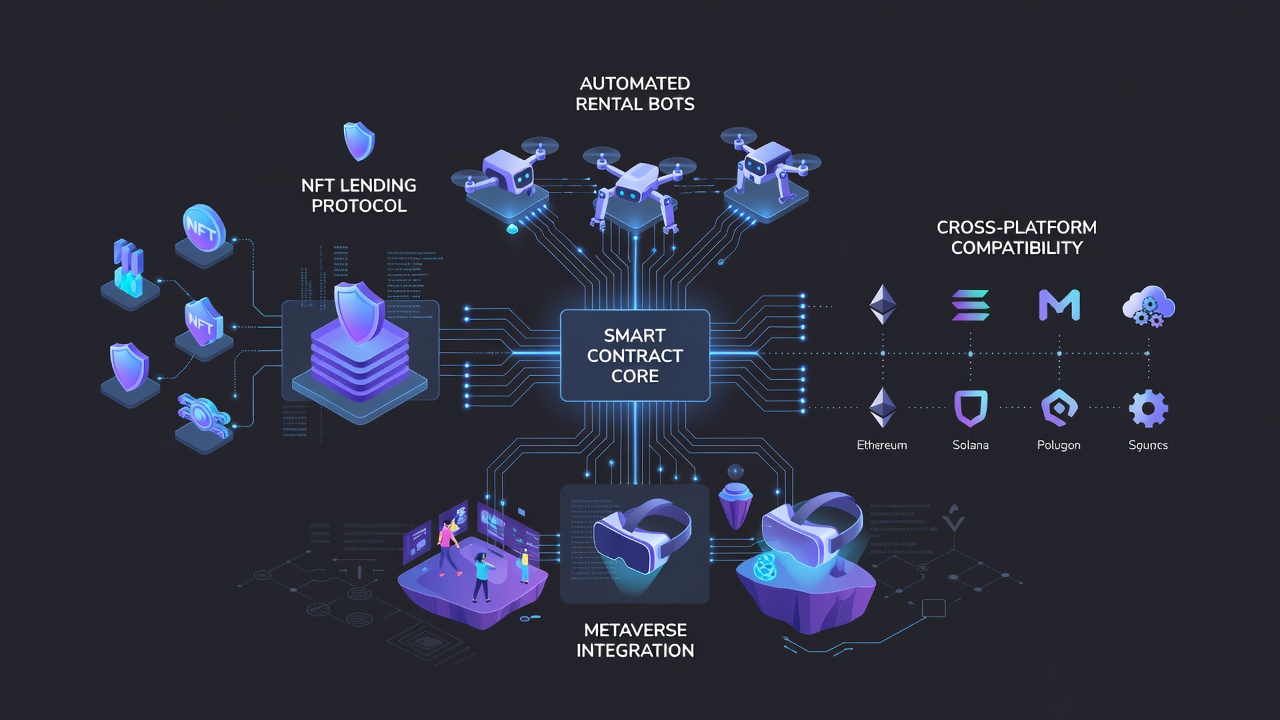
Automated rental bots powered by machine learning are transforming the space by dynamically adjusting prices based on demand signals and historical data. These agents can list, negotiate, and manage multiple rentals simultaneously, freeing owners from manual oversight. Cross-platform compatibility continues advancing through standardized APIs and improved bridging technology, fostering a more unified digital economy.
Regulatory clarity around digital asset lending is also emerging, potentially unlocking institutional participation and larger-scale adoption.
Common Mistakes to Avoid
- Skipping contract audits before deployment, which can expose assets to exploits.
- Underestimating collateral requirements, leading to higher default rates.
- Ignoring platform-specific usage restrictions that limit NFT functionality during rentals.
- Failing to diversify across multiple marketplaces, increasing single-point-of-failure risk.
FAQ
How secure are NFT rentals in practice?
Security hinges on audited contracts, reputable platforms, and user diligence. Always review third-party security reports and start with smaller test rentals before scaling exposure.
What liquidity concerns should investors consider?
Rental markets improve liquidity by creating ongoing yield opportunities, yet demand can fluctuate with gaming seasons or broader market sentiment. Diversification across asset types helps manage this variability.
Can automated bots fully replace manual management?
Bots handle routine tasks efficiently but still require periodic oversight for edge cases such as network congestion or unexpected contract upgrades.
How do revenue-sharing agreements get enforced?
Smart contracts automatically distribute shares according to predefined splits, with on-chain records providing verifiable proof of all transactions.
By mastering these strategies, creators and investors can position themselves advantageously within the expanding NFT rental economy throughout 2026 and beyond.
No comments yet. Be the first!