 CryptoChain Blog
Introduction to NFT Marketplace Onboarding in 2026
The NFT ecosystem continues to evolve rapidly, offering new opportunities for creators and collectors alike. This guide provides a detailed, beginner-friendly walkthrough for safely entering leading NFT marketplaces in 2026. Whether you are purchasing your first digital collectible or exploring cross-chain assets, following structured steps helps minimize risks and build confidence in the process. Many newcomers feel overwhelmed by the variety of platforms, technical requirements, and security considerations, yet a methodical approach turns these challenges into manageable tasks. By focusing on wallet preparation, identity verification, practical purchasing steps, and ongoing awareness of market signals, users can participate meaningfully without unnecessary exposure to pitfalls.
Key focus areas include preparing secure wallets, completing identity verification, making initial purchases, comparing platform costs qualitatively, spotting scams, and using news alerts for optimal timing. Real-world examples draw from established platforms to illustrate each phase, ensuring the advice remains actionable rather than theoretical. Readers will also find expanded coverage of security layers, cross-chain movement of assets, and decision frameworks that support long-term engagement in the evolving NFT landscape.
Preparing Your Digital Wallet
Before engaging with any marketplace, a reliable crypto wallet is essential. Popular choices include non-custodial options that give users full control over private keys. Begin by researching wallets compatible with your preferred blockchain networks, such as Ethereum-based solutions or multi-chain alternatives that support Solana, Polygon, and Base. Download the official application directly from the provider to avoid counterfeit versions distributed through unofficial channels.
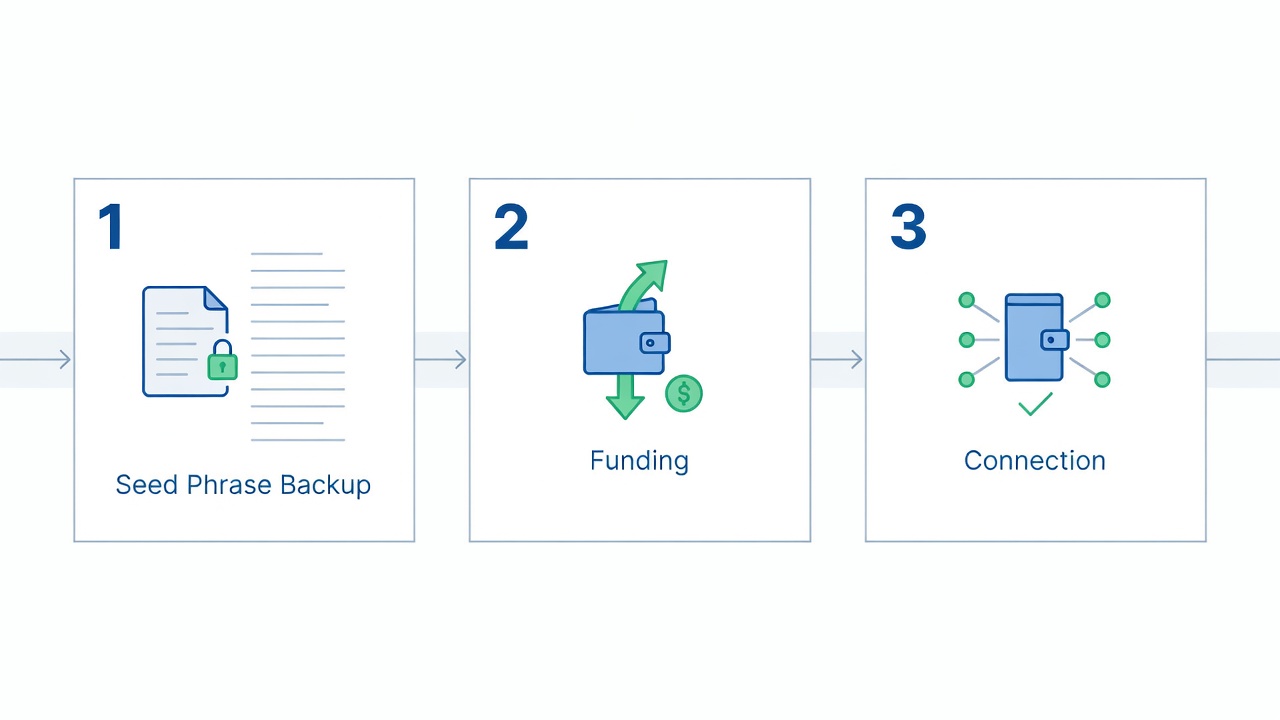
- Install the wallet software and follow the guided setup to generate a new account.
- Write down the recovery seed phrase on durable paper stored in a secure, offline location; never store it digitally or share it with anyone.
- Fund the wallet by transferring cryptocurrency from an exchange or another personal wallet, choosing networks that align with your target marketplace to reduce unnecessary bridging fees.
- Verify the wallet address by sending a small test transaction to yourself before proceeding to larger amounts.
- Connect the wallet to the marketplace by selecting the connect option and approving the prompt within the wallet interface.
Examples include widely adopted wallets like MetaMask for Ethereum users and Phantom for Solana enthusiasts. Always double-check URLs to avoid phishing sites mimicking legitimate platforms, and consider enabling additional security features such as transaction simulation previews where available.
Navigating KYC and Verification Processes
Many leading marketplaces now integrate Know Your Customer (KYC) requirements to comply with evolving regulations. This typically involves uploading government-issued identification and completing a short verification questionnaire. Platforms may partner with third-party services for quick processing, often completing within minutes to hours. The process adds an extra layer of protection against fraudulent activity while unlocking higher purchase limits and priority access to premium drops. Users in certain regions may encounter additional documentation requests depending on local compliance rules, so preparing clear scans of passports or driver’s licenses in advance streamlines the experience.
Examples include major sites that streamline onboarding while maintaining security standards. Completing KYC early unlocks higher transaction limits and access to exclusive drops that remain unavailable to unverified accounts.
Selecting and Entering a Marketplace
Research platforms based on supported chains, user base, and asset variety. OpenSea remains a prominent choice for broad selection, while others focus on specific ecosystems such as art-focused or gaming-oriented collections. Compare interfaces for ease of use, search functionality, and community tools. Once a platform is chosen, create an account if required, connect your wallet, and explore the discovery sections to familiarize yourself with trending collections and verified creators. Pay attention to platform policies regarding royalties, dispute resolution, and asset custody to ensure alignment with your personal goals.
Consider chain compatibility for lower costs and faster confirmations during peak periods. Testing the interface with a free or low-value item helps identify any unexpected friction before committing meaningful funds.
Making Your First Purchase: Numbered Steps
Follow these clear steps for a smooth acquisition:
- Search for desired NFTs using filters for price range, rarity traits, and creator verification status to narrow results efficiently.
- Review listing details, including royalty percentages paid to original creators, full ownership provenance, and any associated utility such as event access or future airdrops.
- Confirm the buy or bid amount after reviewing total costs including any platform service charges, then approve the transaction directly in your wallet.
- Monitor the blockchain confirmation through the marketplace dashboard or a block explorer, ensuring the asset appears in your connected wallet once the transfer completes.
- Double-check metadata and visual files post-purchase to confirm authenticity before considering secondary market resale.
Start with smaller value items to familiarize yourself with the flow and build comfort with the approval process. Document each transaction in a personal spreadsheet for future reference and tax purposes.
Understanding Fees and Cost Considerations
Marketplaces apply platform fees alongside potential gas or network costs. These vary by chain and activity level, with some platforms offering fee tiers for frequent users. Compare options qualitatively by reviewing current terms on each site rather than chasing the absolute lowest rate, as security and liquidity often matter more for long-term engagement. Factors such as network congestion, token standards used, and promotional periods influence the final expense, so reviewing recent user reports and platform transparency dashboards provides useful context without relying on outdated snapshots.
Avoiding Common Scams
Scams remain prevalent in the space. Watch for fake websites, unsolicited DMs promising free NFTs, and rug-pull projects without transparent teams. Verify contract addresses through official channels and enable two-factor authentication wherever available. Never share seed phrases or approve suspicious transactions that request unlimited token approvals. Additional red flags include pressure to act quickly, promises of guaranteed returns, and links sent through unofficial social channels. Cross-reference project announcements on verified social accounts and community forums to validate legitimacy before interacting.
Leveraging NFT News Alerts for Better Timing
Staying informed helps identify promising releases. Set up alerts from trusted sources covering marketplace updates, new collections, and regulatory shifts. This proactive approach supports strategic entry without FOMO-driven decisions. Many users combine multiple alert services with on-chain analytics dashboards to spot volume spikes or unusual activity that may precede broader interest in a particular collection.
Quick Onboarding Checklist
- Secure wallet created and backed up with offline seed phrase storage
- KYC documentation prepared and verification completed across chosen platforms
- Small test transaction executed successfully on the target network
- Scam awareness resources reviewed and bookmarking of official support channels completed
- News alert subscriptions active with customized keywords for preferred collections
- Basic understanding of royalty structures and provenance tracking established
- Cross-chain bridge research initiated for future asset movement needs
Security Best Practices for Sustained Participation
Beyond initial setup, ongoing vigilance protects your growing collection. Regularly audit connected applications through wallet permission managers and revoke access for any dApps no longer in use. Consider hardware wallet integration for higher-value holdings once comfortable with basic transactions. Educate yourself on phishing techniques specific to NFT communities, such as fake customer support accounts on social platforms. Maintaining separate wallets for high-value storage versus daily trading further reduces risk exposure.
Cross-Chain Transfers in Detail
Moving assets between blockchains requires bridges with audited smart contracts. Begin by confirming the bridge supports both source and destination networks, then initiate a test transfer of minimal value. Monitor transaction status using explorers on both chains and allow sufficient time for finality. Resources such as official documentation from Ethereum.org outline fundamental bridging concepts and best practices that apply across multiple networks. Always retain transaction hashes for troubleshooting if delays occur.
Frequently Asked Questions
How do I secure my NFTs after purchase?
Transfer assets to a hardware wallet for offline storage when holding high-value items. Regularly review connected dApps and revoke unnecessary permissions through your wallet interface. Enable all available account protection features and maintain updated software versions across devices.
What about cross-chain transfers?
Use established bridges with audited contracts. Always start with tiny test amounts and confirm current supported routes on Ethereum.org documentation. Understand that each bridge carries its own smart contract risks, so research recent audits and user feedback before committing larger quantities.
Is KYC mandatory everywhere?
Requirements differ by jurisdiction and platform. Some marketplaces offer limited functionality without verification, while others require it for all users. Review each platform’s policy page before committing time to the verification workflow.
How can I stay updated on 2026 changes?
Follow official platform blogs and subscribe to curated NFT newsletters for timely announcements on new features and policy updates. Combine these sources with on-chain data tools to anticipate shifts in trading volume or collection popularity.
What should I know about royalty structures?
Royalties compensate original creators on secondary sales. Review the percentage listed in each collection’s smart contract details before buying, and note that some platforms allow creators to adjust rates over time.
Conclusion
With careful preparation and attention to security practices, onboarding to NFT marketplaces in 2026 becomes an accessible and rewarding experience. Apply the steps outlined here to navigate confidently while minimizing exposure to common pitfalls. Continued learning and measured participation will support sustained success within the dynamic NFT ecosystem.
No comments yet. Be the first!