 CryptoChain Blog
Introduction to 2026 NFT Token Standards
The NFT landscape in 2026 continues to evolve rapidly, driven by advancements in token standards that enhance functionality, interoperability, and user experience. Collectors and creators searching for the latest nft news and nft updates will find that standards like ERC-6551 are fundamentally changing how NFTs interact with blockchain accounts and applications. This guide examines these developments in depth, focusing on their impact on leading marketplaces and providing actionable insights for adoption. As the ecosystem matures, these standards address core limitations in ownership models, enabling NFTs to become more than static digital assets.
Marketplaces are responding by integrating next-generation protocols that support richer interactions. For instance, creators can now embed programmable logic directly into tokens, opening doors to automated behaviors previously requiring complex external systems. Collectors benefit from enhanced security and reduced friction in transfers. This evolution aligns with broader Web3 trends where assets gain autonomy and composability across decentralized applications.
ERC-6551: Account-Bound Tokens Revolutionizing Ownership
ERC-6551 introduces account-bound tokens that allow NFTs to own other assets and interact autonomously on-chain. This standard transforms static NFTs into smart accounts capable of holding tokens, executing transactions, and managing permissions without external wallets. In 2026, marketplaces such as those built on Ethereum are integrating ERC-6551 to enable features like automated royalty distribution and programmable collectibles. The standard builds on the concept of token-bound accounts, where each NFT receives its own unique Ethereum address, allowing it to act independently while remaining tethered to the original token.
Key benefits include improved composability, where an NFT can function as its own wallet. For example, a game character NFT could own in-game items directly, simplifying transfers and reducing reliance on centralized custodians. Developers appreciate the standard's flexibility in permission systems, which can grant temporary access to specific functions without full ownership transfer. Real-world applications are emerging in digital art platforms where pieces evolve based on collector interactions, all managed through the token's embedded account capabilities.
Technical implementation involves deploying a registry contract that maps NFTs to their bound accounts. This setup ensures backward compatibility while unlocking forward-looking features. Collectors exploring nft updates should note that ERC-6551 reduces intermediary risks by keeping all operations on-chain and verifiable.
Dynamic NFTs: Bringing Real-Time Adaptability
Dynamic NFTs update their metadata or visuals based on external data or on-chain events. This evolution supports use cases in gaming, real estate, and loyalty programs where traits evolve over time. Platforms are leveraging oracles to feed real-world information into these NFTs, creating immersive experiences that static tokens cannot match. For instance, an NFT representing a virtual property might change its appearance based on simulated market conditions or user milestones tracked on the blockchain.
Developers implement dynamic behavior through updatable token URIs or smart contract logic that responds to triggers like market prices or user achievements. In practice, this means an NFT can shift rarity levels or unlock new attributes after certain conditions are met, such as community voting events or time-based milestones. The approach enhances engagement by making collections feel alive and responsive rather than fixed at minting.
Challenges include ensuring reliable data feeds and preventing manipulation, which requires robust oracle integrations. Marketplaces adopting these features often provide built-in tools for creators to define update rules without deep coding knowledge, lowering barriers for widespread use.
Multi-Token Extensions and Their Marketplace Applications
Extensions to standards like ERC-1155 enable efficient handling of multiple token types within a single contract. In 2026, this supports hybrid collections combining fungible and non-fungible elements, ideal for trading cards or membership passes. Marketplaces benefit from reduced contract deployment costs and streamlined batch operations. Creators can issue both unique items and interchangeable tokens under one deployment, simplifying logistics for drops that include both exclusive art and utility tokens.
Real-world examples include integrations on platforms that allow creators to mint mixed-asset drops, enhancing liquidity and collector engagement. Batch transfers become more economical, as multiple assets move in one transaction rather than requiring separate calls. This efficiency is particularly valuable during high-volume sales events where gas spikes are common.
Compatibility Challenges Across Ecosystems
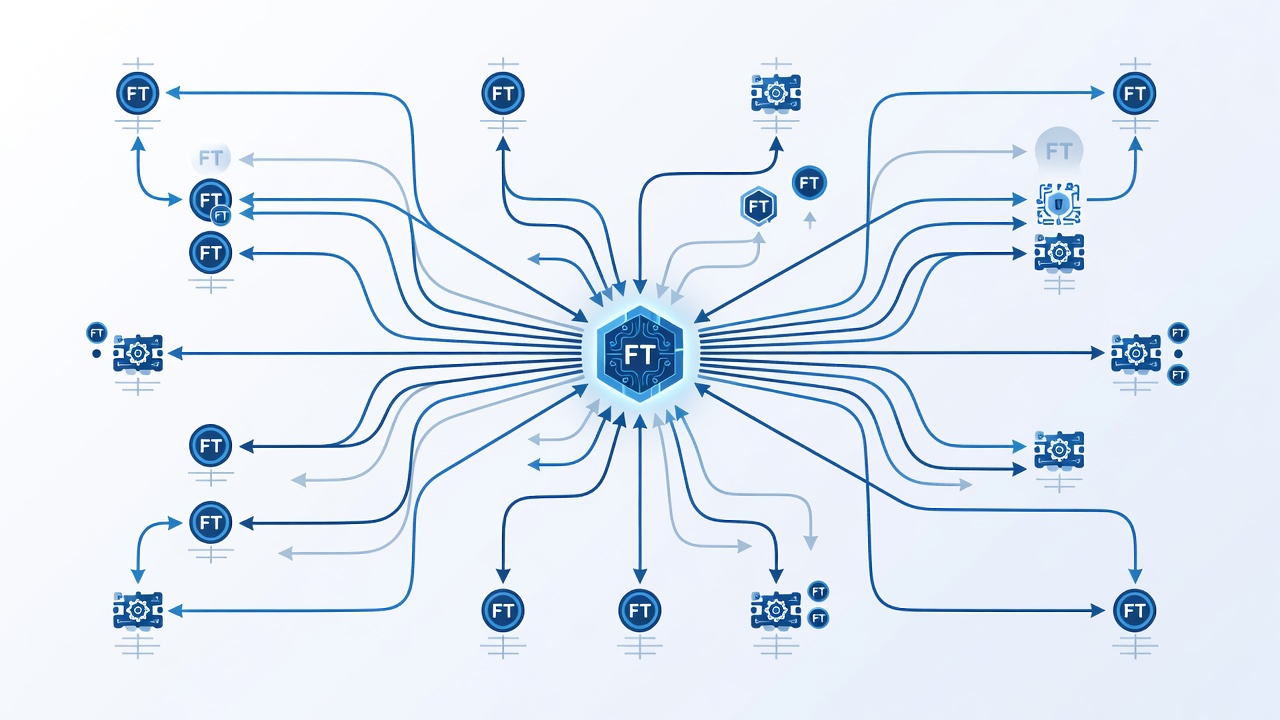
Adopting new standards presents hurdles, particularly around backward compatibility with legacy contracts. Developers must audit existing collections for support of ERC-6551 interfaces and consider proxy patterns for upgrades. Cross-chain compatibility remains a focus, with bridges evolving to handle account-bound tokens securely. Legacy ERC-721 tokens often require wrapper contracts to gain new capabilities, adding layers of complexity that teams must navigate carefully.
Testing across different networks reveals inconsistencies in how standards are interpreted by various wallets and marketplaces. Teams are advised to prioritize audited libraries and participate in community forums to stay ahead of emerging issues. These challenges underscore the need for phased rollouts rather than abrupt migrations.
Gas Optimization Benefits and Real Examples
New standards incorporate gas-efficient designs, such as optimized calldata and reduced storage operations. Collectors notice lower transaction fees during minting and trading on congested networks. Comparisons show ERC-6551 implementations can cut costs by streamlining ownership transfers compared to traditional ERC-721 setups. In layered environments, these savings compound when users interact with multiple tokens simultaneously.
Practical examples from 2026 deployments demonstrate reduced calldata sizes leading to faster confirmations. Creators integrating these optimizations report smoother user experiences, especially during peak marketplace activity. Monitoring tools help quantify savings by comparing pre- and post-upgrade transaction metrics.
Integration Steps for Creators and Developers
Follow these practical steps to adopt evolving standards:
- Audit current contracts for upgradeability using established security frameworks.
- Implement ERC-6551 interfaces using audited libraries from trusted repositories.
- Test dynamic metadata updates on testnets to validate oracle connections.
- Deploy multi-token extensions with gas profiling tools to identify bottlenecks.
- Update marketplace listings to highlight new capabilities for better discoverability.
- Engage with community governance proposals to influence standard refinements.
- Document all changes for collectors to maintain transparency and trust.
Platform Comparisons: Leading Marketplaces in 2026
Leading platforms differ in their support levels. Ethereum-based venues lead in ERC-6551 adoption, while layer-2 solutions emphasize dynamic NFT tooling. Collectors should evaluate fees, liquidity, and standard compatibility before committing assets. Some venues offer native tooling for multi-token drops, whereas others rely on third-party plugins that may introduce additional risks.
Cross-platform analysis reveals varying degrees of support for dynamic updates, with top sites prioritizing user education through detailed guides. This differentiation helps creators choose environments aligned with their project goals.
Practical Checklist for Adopting New Standards
- Research current EIP proposals on official Ethereum resources.
- Consult developer documentation for implementation patterns and best practices.
- Simulate integrations in sandbox environments before mainnet deployment.
- Monitor community feedback on compatibility issues through dedicated channels.
- Plan phased rollouts to minimize disruption for existing holders.
- Verify oracle reliability for any dynamic features included in the collection.
- Prepare educational materials explaining benefits to your audience.
Conclusion
Token standards evolution in 2026 empowers more sophisticated NFT experiences. By embracing ERC-6551, dynamic features, and multi-token extensions, participants can build resilient collections and marketplaces that stand the test of time.
Frequently Asked Questions
How do new standards affect existing NFT collections?
Most collections remain functional, but upgrades may be needed for full compatibility with account-bound features. Gradual migration paths help preserve value while unlocking new utilities.
Are dynamic NFTs more expensive to maintain?
Gas optimizations in newer standards often offset any additional costs associated with updates, making them accessible for most projects.
What should collectors do to future-proof their holdings?
Stay informed via Ethereum.org and review marketplace announcements for supported standards. Regular portfolio reviews ensure alignment with emerging protocols.
Can multi-token standards improve trading efficiency?
Yes, they reduce the number of contracts required, leading to faster and cheaper batch transactions across supported platforms.
Where can developers find official guidance on these EIPs?
Official resources at EIPs.ethereum.org provide the latest proposals and discussions for standards like ERC-6551.
No comments yet. Be the first!