 CryptoChain Blog

Introduction to DAO Governance in NFT Marketplaces
As the NFT ecosystem matures into 2026, decentralized autonomous organizations (DAOs) are transforming how marketplaces operate. These community-driven structures replace traditional centralized control with transparent, on-chain decision-making. Readers seeking the latest nft news and updates will find that DAO models enhance participation beyond simple trading by allowing token holders to influence everything from platform fees to content moderation policies. This evolution stems from broader Web3 trends where users demand ownership and accountability from the platforms they frequent. Early NFT marketplaces operated under centralized teams that made unilateral decisions, often leading to complaints about high fees and opaque curation. Today, DAOs address these pain points through smart contracts that encode governance rules, ensuring proposals are executed automatically once approved. The result is a more resilient ecosystem where community input drives innovation and sustainability. In this article, we dive deep into the mechanisms, real-world applications, and practical considerations for engaging with DAO-governed NFT marketplaces in 2026.
Proposal Voting Systems Explained
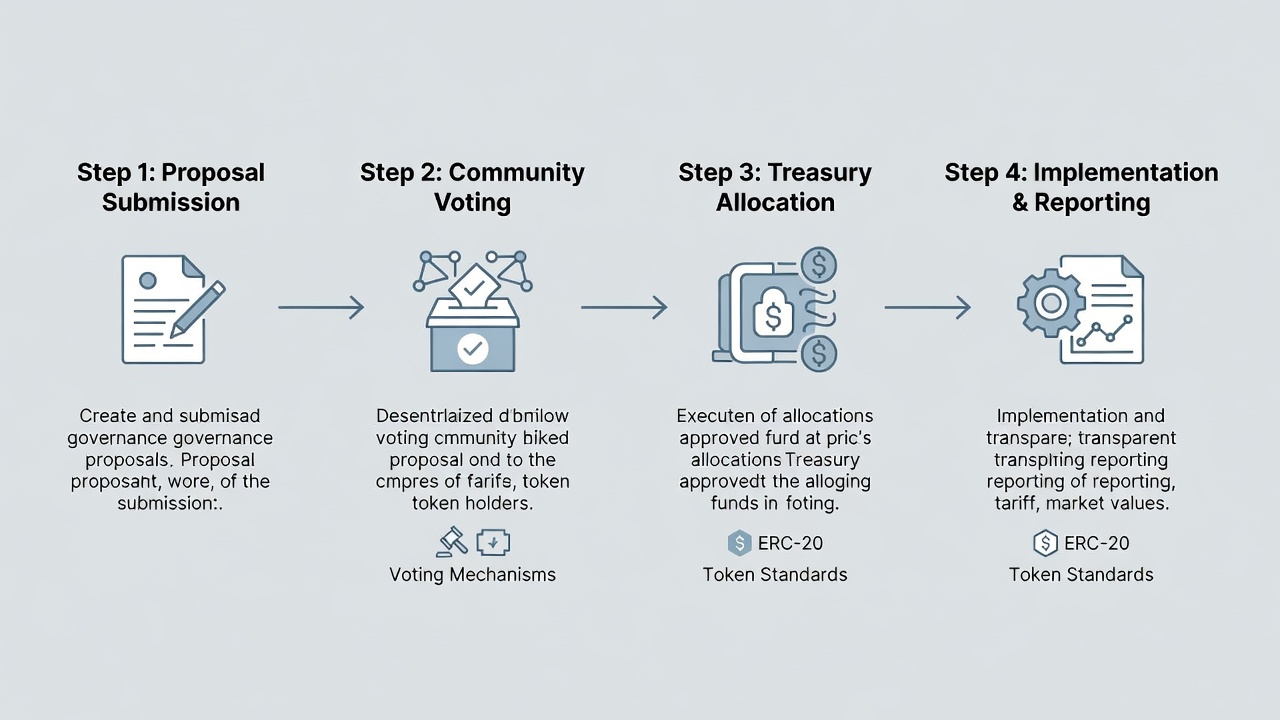
Modern NFT DAOs rely on sophisticated voting mechanisms designed to balance efficiency with fairness. Quadratic voting and conviction voting have gained popularity because they mitigate the influence of large token holders, often called whales, who might otherwise dominate outcomes. Under quadratic voting, the cost of additional votes increases exponentially, encouraging broader participation. Conviction voting allows users to lock tokens behind a proposal over time, with support accumulating gradually rather than through a single snapshot. These systems integrate with token standards such as ERC-721 for unique assets and ERC-1155 for multi-token scenarios, enabling seamless on-chain execution. Gas-efficient solutions like Snapshot voting let members signal preferences off-chain before finalizing critical changes on the blockchain. Developers frequently consult resources from Ethereum to ensure compatibility and security. Common proposal types include adjusting marketplace royalties, adding new supported blockchains, or allocating treasury funds for marketing campaigns. Without robust voting design, DAOs risk low engagement or capture by concentrated interests.
Treasury Management Best Practices
DAO treasuries in NFT marketplaces accumulate substantial value from trading fees, token sales, and secondary royalties. Effective management requires multi-signature wallets, diversified portfolios across stablecoins and blue-chip NFTs, and regular community-approved investment strategies. Transparent dashboards powered by on-chain analytics provide real-time visibility into inflows, outflows, and performance metrics. Leading DAOs employ tools for automated reporting and proposal templates that standardize requests for funding. This approach fosters trust among participants who can audit every transaction. However, challenges such as market volatility and potential smart contract vulnerabilities demand ongoing vigilance and insurance protocols. Community education programs often accompany treasury oversight to help members understand risk-adjusted returns. When implemented well, treasury management turns passive holders into active stakeholders who benefit from collective financial growth.
Integration with Token Standards
Seamless DAO operations depend heavily on evolving token standards that support governance features. ERC-721 remains the backbone for unique NFTs, while extensions enable dynamic royalties and metadata updates controlled through votes. Newer standards incorporate soulbound tokens for reputation tracking within governance systems. Builders reference comprehensive guides on Ethereum to implement these features securely. Integration also extends to layer-2 solutions that reduce transaction costs, making frequent voting accessible to smaller holders. Without proper standard alignment, DAOs face fragmentation across incompatible marketplaces and reduced interoperability.
Real-World Examples from Leading Platforms
Platforms such as SuperRare have transitioned significant curation decisions to DAO votes, allowing token holders to greenlight new artist drops and feature placements. Foundation DAO focuses on community grants for emerging creators, with proposals detailing budget allocations and success metrics. Nouns DAO exemplifies creative governance by funding NFT art projects and even physical merchandise through collective decision-making. Additional examples include Zora, which uses DAO mechanisms to experiment with on-chain minting standards, and LooksRare, where governance tokens direct fee distribution and partnership strategies. These cases demonstrate how DAOs scale from simple voting to complex ecosystem building. Participants in these communities often report higher retention because they feel genuine ownership over platform direction. Comparing outcomes across platforms reveals that well-structured voting quorums and delegation options correlate with higher proposal success rates and sustained engagement.
Centralized vs Decentralized Approaches Compared
Centralized marketplaces excel at rapid iteration and user-friendly interfaces but suffer from single points of failure and limited transparency. Decentralized DAO models distribute power, reduce censorship risks, and align incentives through token ownership. Hybrid structures attempt to combine both by retaining core teams for execution while routing major policy decisions through governance. Key trade-offs appear in speed versus inclusivity: centralized systems can launch features in weeks, whereas DAO proposals may require weeks of discussion and voting periods. Security considerations also differ, with DAOs leveraging audited smart contracts yet remaining exposed to voter manipulation or low turnout. Market data from 2026 shows hybrid models gaining traction as they mitigate the extremes of either approach.
- Centralized: Faster decisions, higher operational costs, potential for biased curation.
- Decentralized: Enhanced transparency, community ownership, slower consensus processes.
- Hybrid: Balanced execution with governance oversight, moderate complexity in implementation.
Step-by-Step Guide to Participation
Engaging with a DAO-governed NFT marketplace begins with acquiring the native governance token through reputable exchanges or liquidity pools. Next, connect a compatible wallet such as MetaMask to the official DAO dashboard. Review active proposals carefully, considering their long-term impact on fees and features. Cast votes during open periods, optionally delegating to trusted community members for efficiency. Submitting a new proposal typically requires a minimum token threshold and a clear description with supporting data. Finally, monitor treasury reports and participate in forums to stay informed. Common pitfalls include overlooking proposal details or failing to maintain sufficient token balances for voting power. Consistent involvement often yields both financial upside and influence within the ecosystem.
Benefits and Risks of DAO Governance
Primary benefits encompass greater transparency through immutable records, aligned incentives via token economics, and resilience against centralized failures. Participants enjoy direct input on marketplace evolution, fostering innovation tailored to user needs. Risks include voter apathy that can stall progress, potential for governance attacks by coordinated groups, and complexity that discourages casual users. Mitigation strategies involve gamified interfaces, reward mechanisms for active voters, and educational resources. Understanding these dynamics helps individuals weigh participation against personal goals and risk tolerance.
Emerging Trends and Mistakes to Avoid in 2026
Trends point toward AI-assisted proposal summarization and cross-DAO collaborations that pool resources for shared infrastructure. Multi-chain governance is also rising to accommodate diverse NFT standards. Common mistakes include ignoring delegation options, underestimating treasury volatility, and submitting vague proposals that fail to gain traction. Newcomers should start by observing several voting cycles before committing significant tokens.
Conclusion
DAO governance continues reshaping NFT marketplaces in 2026 by promoting inclusive, transparent operations. Armed with knowledge of voting systems, treasury practices, and participation methods, users can contribute meaningfully while navigating associated risks. The future favors communities that balance innovation with thoughtful execution.
FAQ
How do I implement DAO governance on an existing NFT platform?
Begin by deploying audited governance contracts, distributing tokens fairly to early contributors, and establishing clear proposal templates before transitioning control incrementally to the community.
What is the typical ROI for DAO participants?
Returns depend on token performance, successful proposals that drive platform growth, and qualitative benefits such as network influence, with no universal figure guaranteed across all DAOs.
Which token standards work best for DAO-integrated NFTs?
ERC-721 and ERC-1155 remain dominant, with emerging extensions supporting governance-native features like on-chain royalties and dynamic metadata.
How can DAOs combat voter apathy effectively?
Successful approaches include delegation systems, incentive rewards for participation, and simplified mobile interfaces that lower barriers to casting votes.

No comments yet. Be the first!