 CryptoChain Blog
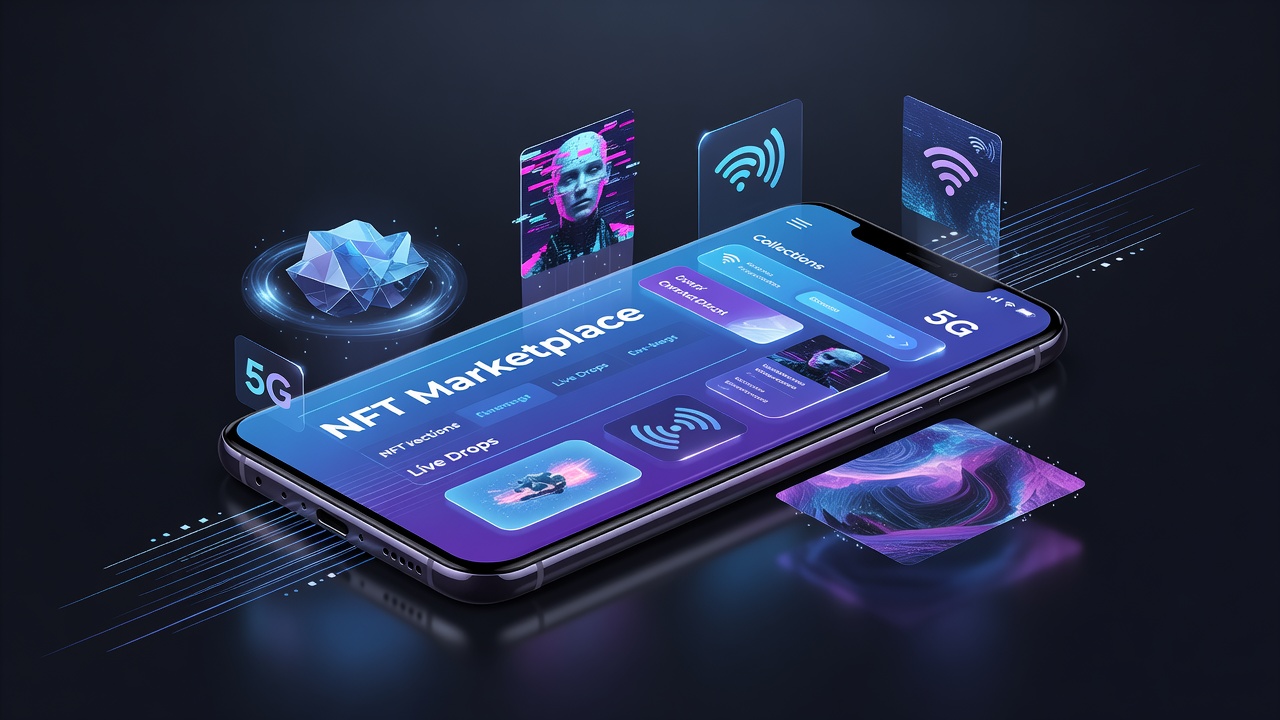
As NFT trading continues to evolve in 2026, 5G technology stands out as a transformative force reshaping how collectors and traders interact with digital assets. This comprehensive guide delves into the ways next-generation wireless networks enhance marketplace efficiency, slash transaction times, and broaden mobile accessibility. Whether you are a seasoned NFT investor or a newcomer exploring the space, understanding these developments is essential for staying competitive in a rapidly digitizing economy.
Understanding 5G's Technical Advantages for NFTs
5G networks provide ultra-low latency, massive device connectivity, and significantly higher bandwidth than their predecessors. These capabilities allow NFT platforms to deliver high-resolution artwork previews, complex 3D models, and interactive metadata without buffering or delays. In practice, this means users can browse entire collections on their phones while commuting, with assets loading almost instantaneously. The technology supports edge computing integration, where data processing happens closer to the user, further accelerating interactions on decentralized marketplaces.
Real-Time Bidding and Reduced Latency Benefits
One of the most exciting applications is live auction functionality. With 5G, bid submissions occur with minimal delay, creating a fairer environment where participants from different locations experience near-simultaneous updates. This reduces the frustration of missed opportunities due to network lag. Real-time asset verification also becomes feasible, as smart contracts can confirm ownership transfers while the auction is still active.
4G vs 5G Performance Metrics Comparison
- 4G average latency ranges from 30 to 50 milliseconds, often causing visible pauses when loading detailed NFT visuals or confirming bids.
- 5G average latency drops below 10 milliseconds, enabling fluid, console-like responsiveness even during high-traffic events.
- Peak download speeds on 5G can reach multiple gigabits per second, making it practical to stream video previews or download large asset bundles on the go.
- Connection density improves dramatically, allowing thousands of simultaneous users on a single cell tower without performance degradation.
These measurable improvements explain why mobile NFT volume has grown substantially among users with 5G access.
Infrastructure Requirements for Optimal Performance
To fully benefit from these advances, traders require 5G-compatible handsets and reliable coverage from carriers deploying either millimeter-wave or sub-6 GHz spectrum. On the platform side, marketplaces must upgrade their content delivery networks and API endpoints to handle the increased throughput. Integration with 5G standalone cores further enhances security and slicing capabilities, allowing dedicated virtual networks for high-priority NFT transactions.
Practical Examples from Leading NFT Marketplaces
Major platforms have already begun rolling out 5G-optimized features. OpenSea introduced enhanced mobile bidding interfaces that preload asset data during live drops, while Blur has tested low-latency order books that sync across devices in real time. 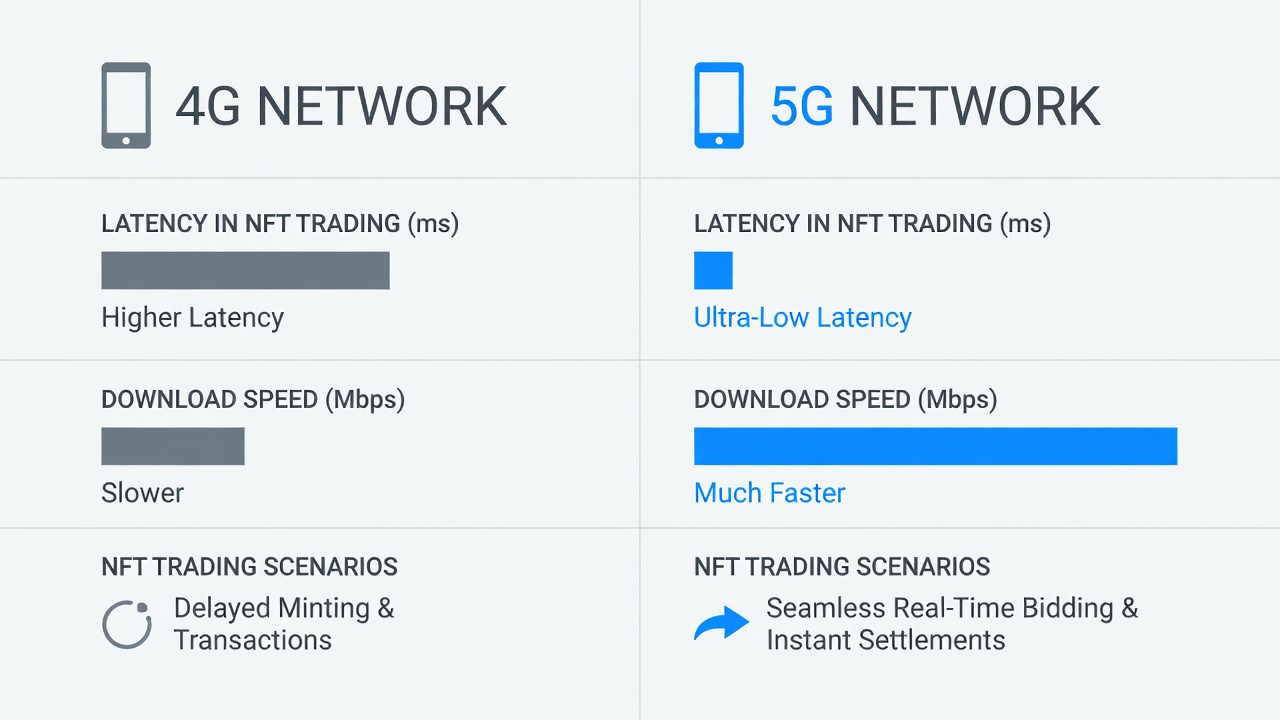
Adoption Barriers in Emerging Regions
Despite global momentum, several obstacles remain. In parts of Africa and Southeast Asia, sparse 5G tower deployment limits coverage to urban centers only. Device affordability continues to pose challenges, as flagship 5G smartphones remain out of reach for many potential collectors. Regulatory hurdles around spectrum licensing also slow rollout timelines. However, pilot programs by international bodies are helping bridge these gaps through public-private partnerships.
Steps to Optimize Your NFT Trading Setup
- Confirm 5G coverage in your area using official carrier maps or third-party tools before relying on the network for important trades.
- Ensure your smartphone runs the latest firmware, as manufacturers frequently release patches that improve 5G modem efficiency.
- Configure network settings to prioritize 5G connections and disable automatic fallback to 4G when signal strength is marginal.
- Install lightweight VPN clients tuned for low latency to maintain performance when accessing international marketplaces.
- Monitor data usage closely, since faster speeds can lead to higher consumption when viewing media-rich NFT galleries.
- Test connection quality with speed-test applications before participating in time-sensitive auctions to avoid unexpected slowdowns.
- Keep multiple browser tabs or apps ready with cached marketplace interfaces for seamless switching between platforms.
FAQ: Common Connectivity Concerns
Does 5G work everywhere for NFT trading?
Coverage maps vary significantly by country and carrier. Resources from organizations such as GSMA provide updated global deployment data that traders can consult.
Will 5G reduce gas fees?
Transaction fees on blockchains like Ethereum depend on network congestion rather than wireless connectivity. However, faster connections shorten the time between placing an order and receiving confirmation.
Are there security risks with 5G on NFT apps?
5G incorporates stronger encryption standards, yet users should still enable two-factor authentication and download apps only from official stores. Additional guidance appears on sites like ITU.
How does 5G compare to Wi-Fi for marketplace access?
While Wi-Fi often delivers higher bandwidth indoors, 5G excels in mobility and consistency when traveling, making it preferable for traders who monitor markets throughout the day.
What future improvements can traders expect?
Standards bodies including 3GPP continue refining 5G-Advanced specifications that promise even lower latency and better support for massive IoT devices connected to NFT ecosystems.
Future Outlook and Strategic Recommendations
Looking ahead, the convergence of 5G with edge AI could enable predictive bidding tools that analyze market trends on-device. Collectors in regions with mature 5G infrastructure will likely see the earliest benefits, while global expansion depends on continued investment in spectrum and backhaul infrastructure. Traders are advised to monitor carrier announcements and test new features during off-peak hours to identify optimal setups for their trading style.
Conclusion
5G technology is fundamentally redefining NFT marketplace dynamics in 2026 by delivering unmatched speed and accessibility. By understanding infrastructure needs, optimizing device settings, and staying informed about regional developments, tech-savvy users can position themselves for success in this evolving landscape.
No comments yet. Be the first!