 CryptoChain Blog
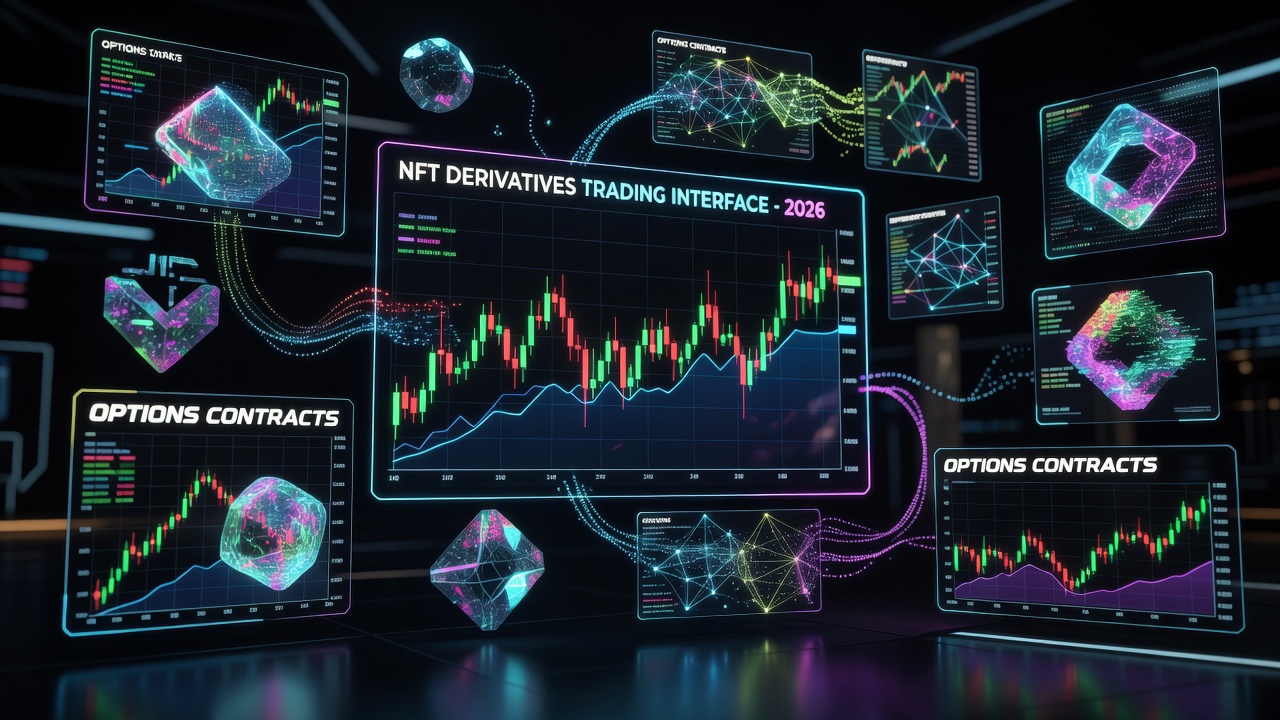
Introduction to NFT Derivatives in 2026
The NFT market has evolved significantly by 2026, moving beyond simple minting and buying to include sophisticated financial instruments. NFT derivatives trading allows advanced users to hedge risks and speculate on asset values without owning the underlying tokens directly. This article provides in-depth coverage of how these tools work, practical strategies, and ways to navigate volatility effectively. As blockchain technology matures, derivatives have become essential for professional traders seeking leverage, protection, and new yield opportunities in an otherwise illiquid asset class.
Derivatives in the NFT space build on concepts from traditional markets but adapt to the unique characteristics of digital collectibles and blockchain assets. Traders now use these products to manage exposure in a market known for rapid price swings driven by community sentiment, celebrity endorsements, and macroeconomic factors. Understanding these instruments requires familiarity with smart contract mechanics, oracle pricing, and on-chain settlement processes that differ markedly from centralized exchanges.
How NFT Derivatives Function
NFT derivatives primarily take the form of options and futures contracts tied to specific NFTs or collections. An options contract gives the buyer the right, but not the obligation, to buy or sell an NFT at a predetermined price before expiration. Futures allow parties to agree on a future transaction price today, with daily mark-to-market settlements. These instruments settle either physically (delivering the NFT) or in cash based on oracle-determined valuations. Smart contracts on platforms like Ethereum handle execution automatically, reducing counterparty risk compared to over-the-counter deals.
Key mechanics include strike prices, expiration dates, premiums paid for options, and implied volatility calculations derived from on-chain data and trading volume. Advanced variants include perpetual futures that never expire, funded through periodic payments between long and short positions. Traders must also account for delta, gamma, theta, and vega exposures similar to traditional options Greeks, though NFT-specific liquidity constraints can distort these sensitivities. Liquidity pools often provide the counterparty for these trades, with automated market makers adjusting prices dynamically based on demand.
Risk Assessment Methods
Effective risk assessment starts with understanding liquidity and oracle reliability. Traders evaluate historical price data from multiple marketplaces and assess smart contract audit status before engaging. Quantitative approaches involve calculating value-at-risk using Monte Carlo simulations tailored to NFT price distributions, which often exhibit fat tails and sudden jumps.
- Calculate position sizing based on portfolio volatility tolerance and correlation analysis across collections.
- Use scenario analysis to model black swan events common in NFT markets, such as sudden platform shutdowns or regulatory announcements.
- Monitor funding rates in perpetual futures to avoid unexpected costs during prolonged holding periods.
- Implement stop-loss orders and diversification across uncorrelated collections to reduce concentration risk.
- Track on-chain metrics like wallet concentration and trading velocity to anticipate manipulation attempts.
Advanced users combine on-chain analytics with off-chain sentiment tracking from social platforms to refine their models. Regular stress testing of positions against historical drawdowns helps maintain discipline during euphoric or panic-driven periods.
Comparisons to Traditional Finance Products
NFT derivatives share core similarities with equity options and commodity futures but differ in settlement speed and custody requirements. Traditional products often involve centralized clearinghouses, while NFT versions rely on decentralized protocols that execute in minutes rather than days. Volatility tends to be higher in NFTs due to thinner order books and lower institutional participation. Regulatory oversight remains lighter than in established markets, creating both opportunity and uncertainty. For deeper context on derivatives frameworks, refer to Investopedia and Ethereum Foundation resources. Custody risks are mitigated by non-custodial wallets, yet smart contract vulnerabilities introduce new attack vectors absent from regulated brokerages.
Step-by-Step Trade Execution Examples
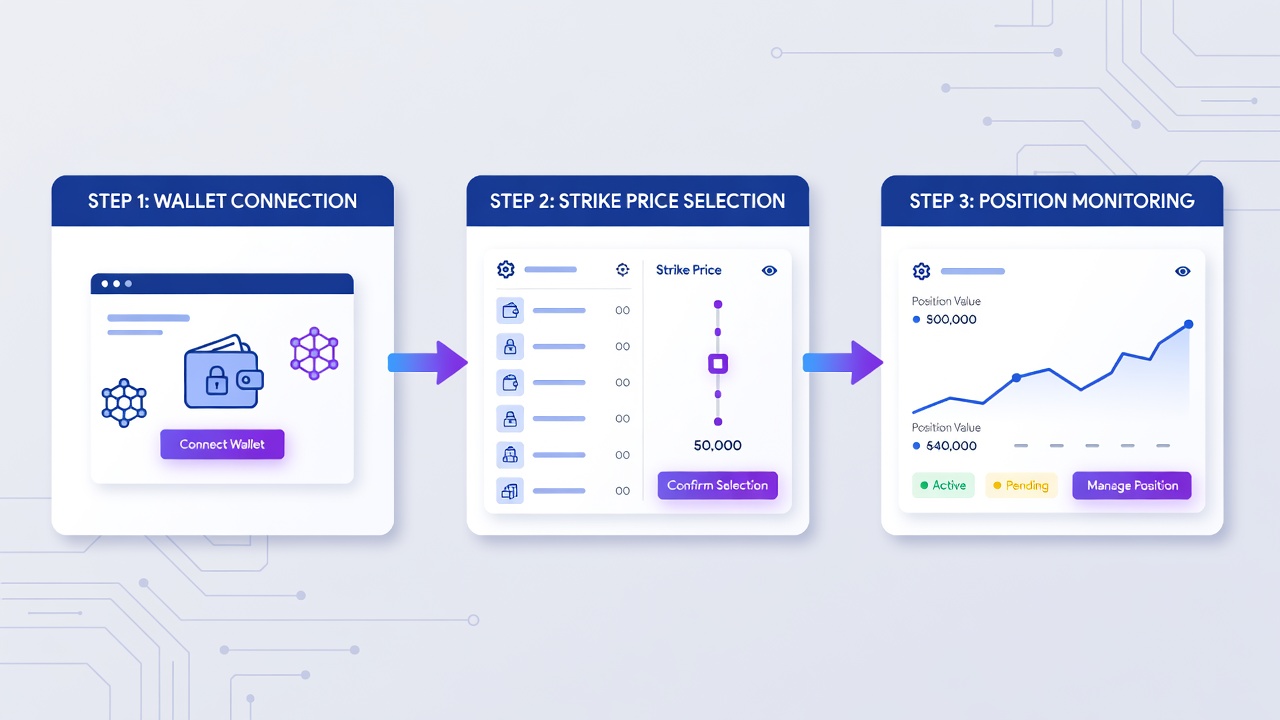
Consider executing an options trade on a leading NFT marketplace supporting derivatives. First, connect a compatible wallet and deposit collateral in the base token. Next, select the collection and choose call or put options with desired strike and expiry. Review the premium quote, confirm implied volatility, then submit the transaction. Monitor the position via dashboard alerts and close early if market conditions shift.
Another example involves hedging a long NFT position by purchasing put options to protect against downside moves during major market events. A third scenario demonstrates rolling positions: closing an expiring call and opening a longer-dated one to maintain directional exposure while managing theta decay. Real-world platforms demonstrate these flows with built-in risk calculators that display maximum loss and probability of profit before confirmation.
Real-World Case Studies
In early 2026, traders used NFT options on blue-chip collections to hedge during a sudden market correction triggered by macroeconomic news. One case involved a collector who bought protective puts, limiting losses to a manageable level while the underlying floor price dropped sharply. Another trader profited from call options on emerging collections that experienced rapid adoption, turning small premiums into substantial gains through timely volatility spikes.
A third case study highlights a market maker who provided liquidity to options pools on multiple platforms, earning consistent premiums while dynamically delta-hedging exposure. These examples illustrate the importance of timing, platform selection, and continuous position monitoring in volatile conditions.
Common Pitfalls and How to Avoid Them
Many traders underestimate liquidation risks when using leverage in perpetual contracts. To avoid this, always maintain excess collateral and set conservative leverage ratios. Another frequent mistake is ignoring oracle manipulation risks; mitigate by using multi-source oracles and avoiding illiquid collections. Over-concentration in single collections can lead to amplified losses during sector-specific downturns, so spreading exposure across genres and chains is advisable.
Future Outlook for NFT Derivatives
As infrastructure improves with layer-2 scaling and better cross-chain interoperability, NFT derivatives are expected to attract more institutional capital. Regulatory clarity in major jurisdictions could further legitimize the space, leading to standardized products and improved custody solutions. Traders who stay informed about protocol upgrades and new marketplaces will be best positioned to capitalize on emerging opportunities.
Addressing Volatility Concerns and Platform Selection: FAQ
How volatile are NFT derivatives compared to spot NFTs?
Derivatives amplify both gains and losses due to leverage. Proper risk management through position sizing is essential to avoid liquidation during extreme moves.
Which platforms are best for NFT derivatives trading?
Look for protocols with strong liquidity, audited contracts, and transparent oracle feeds. Evaluate fees, supported collections, and user interface before committing capital.
Can beginners safely use these strategies?
These tools suit advanced traders. Start with paper trading or small positions after studying documentation and market behavior.
What role do oracles play in settlement?
Oracles provide external price feeds that determine cash settlement values. Choosing platforms with robust, decentralized oracles reduces manipulation risk.
How should traders handle expiration and rollover?
Plan ahead by monitoring time decay and rolling positions before expiry to maintain desired exposure without gaps.
Conclusion
NFT derivatives trading in 2026 offers powerful tools for hedging and speculation when used with discipline. By mastering mechanics, risks, and execution, traders can maximize opportunities while protecting against downsides. Continuous education and cautious capital allocation remain key to long-term success in this evolving space.

No comments yet. Be the first!