 CryptoChain Blog
Introduction to Liquidity Pools in the 2026 NFT Landscape
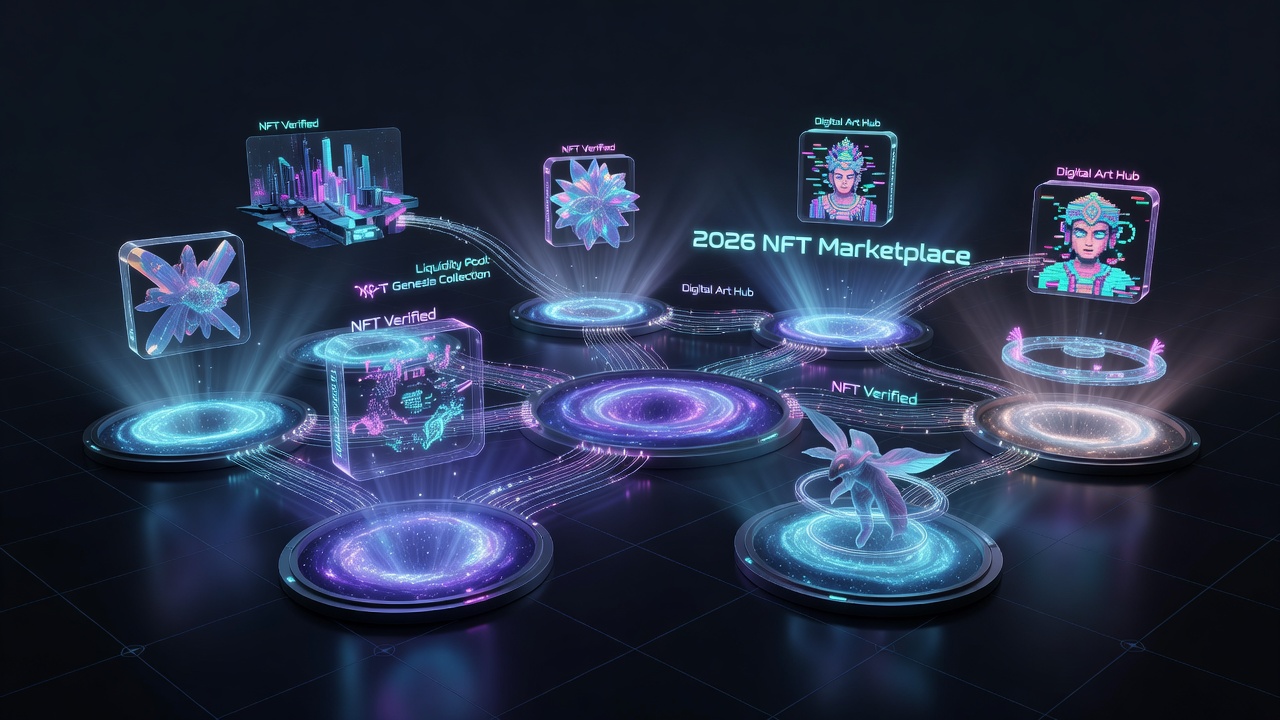
The NFT ecosystem continues to evolve rapidly, and 2026 marks a pivotal year where liquidity pools are fundamentally changing how traders and collectors interact with NFT marketplaces. These decentralized mechanisms allow users to pool assets, enabling seamless trading without traditional order books. This shift addresses long-standing issues like low liquidity and high slippage that plagued early NFT platforms. Liquidity pools bring automated market maker technology into the NFT space, creating continuous markets where assets can be bought or sold at any time.
By integrating automated market maker (AMM) principles with NFT standards, liquidity pools provide constant buying and selling opportunities. Traders benefit from instant execution, while liquidity providers earn fees from trades. As NFT updates roll out across major blockchains, understanding these pools becomes essential for anyone seeking practical investment strategies. This article explores the mechanics, platform integrations, comparisons, step-by-step processes, risk techniques, and real examples to help users navigate this evolving space effectively.
Mechanics of Liquidity Provision for NFTs
Liquidity pools function by locking pairs of assets—typically an NFT and a fungible token like ETH—into smart contracts. When a user deposits both sides of the pair, they receive LP tokens representing their share. Trades occur against the pool, with prices determined by algorithms that balance supply and demand dynamically. In advanced 2026 implementations, pools support fractional NFTs, allowing partial ownership stakes to be traded fluidly within the pool structure.
Providers must monitor pool ratios to manage impermanent loss, where the value of deposited assets diverges from holding them outright. Additional mechanics include concentrated liquidity ranges that let providers focus capital on specific price bands for higher efficiency. These features make pools more capital-efficient than traditional listings, but they require ongoing attention to ratio changes and market sentiment shifts.
Advanced Pool Dynamics in 2026
Modern pools incorporate bonding curves tailored to NFT rarity tiers, adjusting prices automatically based on sales velocity. This creates opportunities for arbitrage between pools on different chains, enhancing overall market connectivity.
Comparing Top Liquidity Protocols in 2026
Several protocols stand out for NFT liquidity. Uniswap's NFT integration offers deep pools on Ethereum, while Sudoswap focuses exclusively on NFT-to-ETH swaps with customizable curves. Blur has enhanced its marketplace with pool-based lending features, and emerging Layer-2 solutions provide lower fees for high-volume trading. Each option differs in user experience, supported standards, and fee distribution models.
- Uniswap V4: Supports concentrated liquidity for NFTs, ideal for blue-chip collections with high trading frequency and strong community governance.
- Sudoswap: Permissionless pools with bonding curves suited for rare assets, offering flexible curve parameters that adapt to collection-specific demand patterns.
- Blur Pools: Combines liquidity with advanced order types for professional traders, including integrated analytics dashboards for real-time performance tracking.
- Additional Protocols: Emerging options on Layer-2 networks emphasize gas optimization and cross-chain bridging for broader accessibility.
Evaluate protocols based on your target NFT categories, preferred blockchain, and risk tolerance before committing assets.
Step-by-Step Guide to Providing Liquidity
Follow these practical steps to start providing liquidity on a major NFT marketplace:
- Connect a compatible wallet to the platform and ensure you hold both NFTs and the paired token in sufficient quantities for the desired pool ratio.
- Select a pool or create a new one by choosing the NFT collection, setting the pricing curve parameters, and reviewing projected fee yields based on historical volume data.
- Approve the smart contract interactions through your wallet and deposit assets in the required ratio, confirming all transaction details before finalizing.
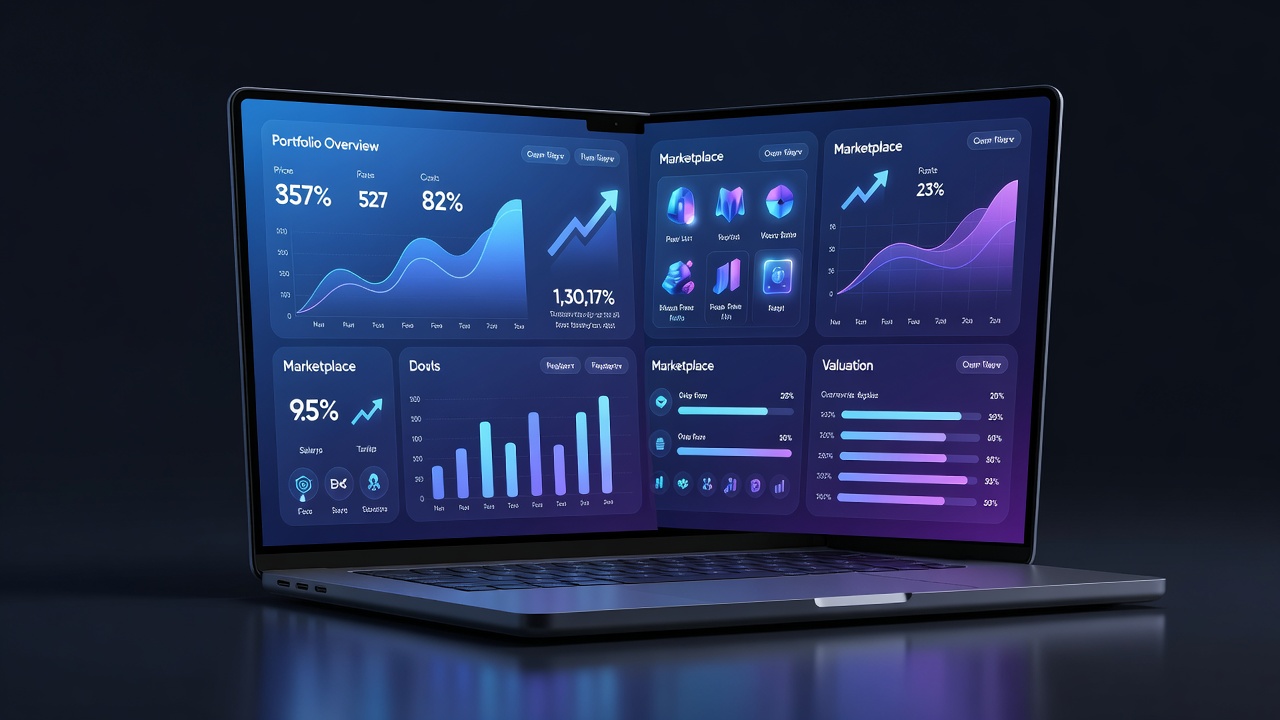
- Monitor performance via dashboard analytics, tracking metrics such as impermanent loss percentage, accumulated fees, and pool utilization rates over time.
- Withdraw or compound earnings by claiming accumulated trading fees, rebalancing positions, or migrating to higher-yield pools as market conditions evolve.
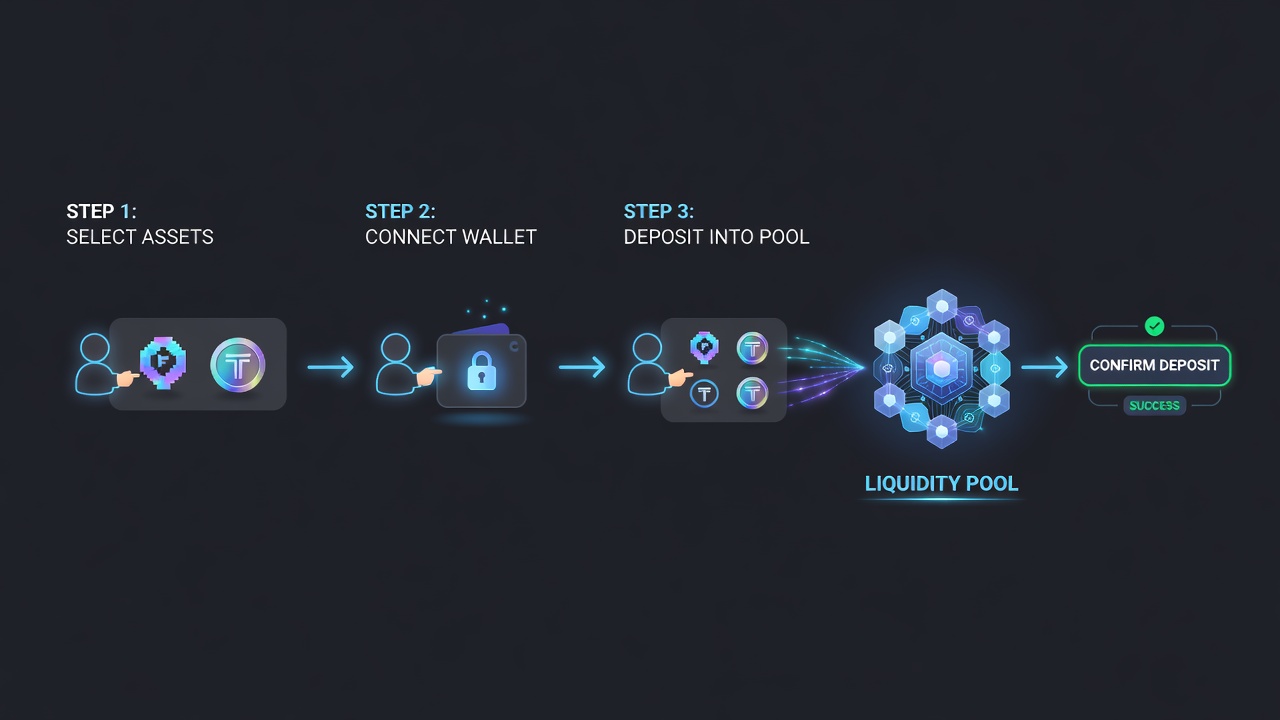
Always start with small test deposits to familiarize yourself with the interface before scaling up. Consider using testnet environments where available to simulate real transactions without financial exposure.
Integration with Major NFT Marketplaces and Platforms
Leading marketplaces have integrated liquidity pools directly into their interfaces, allowing seamless transitions between buying, selling, and providing liquidity. For example, platforms built on Ethereum enable one-click pool creation tied to existing collections. Cross-platform bridges facilitate moving liquidity between chains, expanding reach for providers seeking diversified exposure.
Integration also includes API access for automated strategies, letting advanced users script rebalancing based on predefined triggers. These connections reduce friction and encourage broader participation from both retail collectors and institutional players.
Risk Management and Avoiding Common Pitfalls
Impermanent loss remains a key challenge, especially with volatile NFTs. Mitigate it by choosing stable collections with predictable demand and using hedging strategies such as options on correlated assets. Smart contract risks can be reduced by sticking to audited protocols and enabling two-factor security on wallets. Additional considerations include oracle dependency for price feeds and potential regulatory changes affecting DeFi activities.
Common mistakes include over-concentrating in illiquid pools or ignoring gas fee fluctuations during high network activity. Diversify across multiple pools and review on-chain data regularly to stay ahead of market shifts. Maintain detailed records of all deposits and withdrawals for tax reporting purposes.
Real-World Examples from Leading Marketplaces
Leading platforms like those built on Ethereum have seen liquidity pools drive record trading volumes in 2026. Fractional NFT pools on established collections allow everyday collectors to gain exposure without full ownership costs. Case studies from DeFi-native marketplaces demonstrate how providers achieved consistent fee income while maintaining portfolio balance through disciplined rebalancing.
Another example involves a popular digital art collection where liquidity providers using concentrated ranges captured higher yields during peak sales periods by focusing capital near current floor prices. These cases highlight the importance of timing and pool selection for optimal results.
FAQs on NFT Liquidity Pools
How do liquidity pools differ from traditional NFT listings? They eliminate the need for matching buyers and sellers, providing continuous availability through algorithmic pricing.
What is impermanent loss and how can I minimize it? It occurs when asset prices move apart; minimize by selecting correlated pairs, setting narrow price ranges, and rebalancing frequently.
Are there tax implications for providing liquidity? Yes, fees earned and asset swaps may trigger taxable events—consult local regulations and maintain accurate transaction logs.
Which protocols are best for beginners? Start with established platforms offering guided interfaces and educational resources before exploring advanced features.
How does cross-chain liquidity affect returns? It can increase opportunities but introduces bridge fees and additional smart contract risks that must be weighed carefully.
Conclusion and Tips for Maximizing Returns
Liquidity pools represent a major advancement in 2026 NFT updates, offering traders and collectors efficient ways to engage with marketplaces. By mastering mechanics, selecting strong protocols, and applying disciplined risk management, participants can enhance returns while navigating volatility. Stay informed through ongoing NFT updates and experiment responsibly to build sustainable strategies that align with personal investment goals.
No comments yet. Be the first!