 CryptoChain Blog
Introduction to NFT Auctions in 2026
The NFT landscape continues to evolve rapidly, with leading marketplaces introducing new features that reward strategic auction participation. Whether you are a first-time creator or an experienced collector, understanding auction mechanics is essential for maximizing returns and minimizing risks in the current nft marketplace environment. This beginner-friendly guide delivers actionable nft news and nft updates focused on practical tactics that work in 2026. We cover timing decisions, reserve price strategies, format comparisons, real platform examples, buyer and seller perspectives, and detailed step-by-step processes to help new users build confidence quickly and achieve better results.
By the end of this article you will have a clear framework for deciding when to launch auctions, how to protect your minimum value, and how to use platform tools effectively across multiple sites. The strategies draw from observed patterns on major platforms and are designed to be applied immediately.
Why Auction Tactics Matter for NFTs
Auctions remain the dominant sales format across major platforms because they create competitive bidding that often drives prices higher than fixed listings. Success depends on aligning your approach with platform algorithms, collector behavior, and market cycles rather than relying on luck. In 2026, algorithms favor listings that generate early engagement, so even small tactical choices can compound into significantly better visibility and final sale prices. Sellers who ignore timing or reserve settings frequently see lower participation, while those who optimize see consistent results across collections of varying sizes.
Timing Auctions for Maximum Visibility and Bids
Choosing the right start and end times significantly impacts results. Most successful sellers launch auctions mid-week when global engagement peaks, avoiding weekends when attention fragments across personal activities. Ending auctions during evening hours in major time zones (UTC-5 and UTC+1) captures the largest bidder pools because collectors in North America and Europe are most active after work hours. Seasonal factors also play a role. Major nft updates often coincide with new platform features or broader crypto events, creating temporary spikes in activity. Monitoring these patterns allows sellers to schedule auctions during high-traffic windows for better discovery. For example, aligning a drop with an Ethereum network upgrade or a popular collection anniversary can increase initial views by drawing in existing community members who are already monitoring news feeds.
Additional considerations include avoiding major holidays and overlapping with large-scale events like major sports finals or global conferences that pull attention away from digital assets. Testing different windows on smaller items helps refine personal timing rules before applying them to high-value pieces.
Setting Smart Reserve Prices
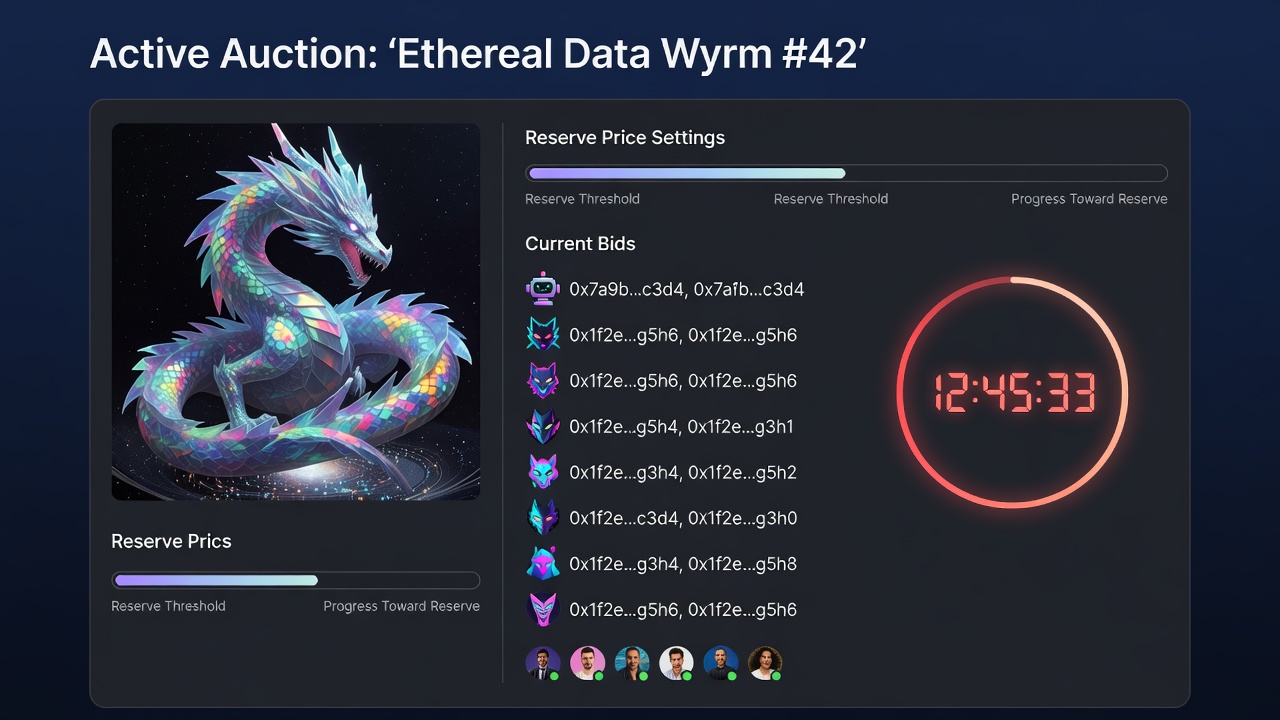
A reserve price protects sellers from underselling while still encouraging participation. The key is balance: set it too high and bidders disengage; set it too low and you risk leaving value on the table. Many experienced creators begin with a reserve slightly below recent comparable sales and adjust based on early bidding momentum. Platforms provide analytics tools that show historical data for similar nfts, helping refine this decision. Always review these insights before finalizing your reserve to align with current demand signals. In practice, creators often run a private test auction or review past sales data on the same collection to determine a realistic floor. This data-driven approach reduces the chance of zero bids while still allowing the market to push the final price upward through open competition.
Comparing Auction Formats on Leading Marketplaces
English auctions (ascending bids) remain the most common and intuitive for beginners. Dutch auctions (descending prices) suit time-sensitive drops where quick sales matter more than maximizing every dollar. Sealed-bid formats appear on select platforms for high-value or exclusive collections. Each format carries distinct advantages and trade-offs. English auctions excel at building excitement and organic price discovery as bidders react to each other in real time. Dutch auctions create urgency and work well for limited-edition releases needing fast clearance. Sealed-bid options provide privacy when creators want to control information flow or when selling to a curated group.
- English: Best for building excitement and organic price discovery; ideal for established collections with loyal followers
- Dutch: Ideal for limited-edition releases needing fast clearance; reduces holding time but may cap upside
- Sealed-bid: Useful when privacy or controlled bidding is preferred; common on premium or invite-only platforms
Review each marketplace's documentation to understand default formats and any customization options available to sellers. Many platforms now allow hybrid approaches or post-launch adjustments in limited cases.
Leveraging Platform Tools and Features
Top nft marketplace sites now offer built-in scheduling, promotional boosts, and bidder notifications. Using these tools extends reach without extra cost. For example, setting up automated alerts for interested collectors increases participation rates on both OpenSea and Rarible. Advanced creators combine these features with social media cross-promotion to drive external traffic into the auction. This multi-channel approach consistently outperforms isolated listings. Additional tools include customizable bid increments, whitelist options for trusted buyers, and integration with analytics dashboards that track view-to-bid conversion rates. Learning to interpret these metrics helps refine future auctions and identify which pieces resonate most with the audience.
Step-by-Step Process for New Users
- Connect a compatible wallet and verify your account on the chosen platform, ensuring two-factor authentication is enabled for security.
- Prepare high-quality metadata and visuals for your nft, including clear descriptions, traits, and royalty settings that comply with platform guidelines.
- Select auction format and set timing plus reserve based on research of comparable sales and current market activity.
- Launch the listing and monitor early activity through dashboard analytics, responding promptly to any questions in the comments section.
- Engage with bidders via comments or updates if the platform allows, while avoiding any actions that could be seen as manipulative.
- Finalize the sale and handle any post-auction requirements such as royalty distributions or transfer confirmations.
Buyer Strategies and Risk Management
Successful bidding also requires preparation. Buyers should set personal maximum bids in advance and avoid emotional escalation during live auctions. Watching similar items sell over several days provides context for what constitutes a fair price. Using platform watchlists and alerts helps capture opportunities without constant manual checking. Risk management includes verifying collection legitimacy, reviewing smart contract details, and understanding gas fee fluctuations before placing large bids.
Common Pitfalls to Avoid
Many newcomers overlook gas fee volatility during peak hours, leading to unexpectedly high costs. Others fail to set realistic reserves, resulting in no-sale outcomes that waste time and fees. Additional mistakes include launching auctions without sufficient promotion, ignoring platform-specific rules around royalties or transfers, and failing to diversify across marketplaces. Always test small before scaling and review platform fee structures in advance. Keeping a simple spreadsheet of past auctions helps track what works and what does not.
FAQ: Fees, Timing, and Risk Management
What fees should I expect?
Marketplace fees typically range from low single digits to around ten percent depending on the platform and your account tier. Factor these into your reserve calculations from the start so the final net amount still meets your goals.
How long should an auction run?
Most successful auctions last between three and seven days. Shorter durations work for hyped drops; longer windows suit broader collections that benefit from extended discovery time.
How can I manage risk effectively?
Start with lower-value items to learn platform dynamics. Use reserves wisely, diversify across multiple marketplaces such as Rarible and Foundation, and stay informed through reliable nft news sources. Consider using hardware wallets for larger holdings and enable all available security features.
Conclusion
Mastering auction tactics in 2026 requires a blend of timing insight, pricing discipline, and platform fluency. By following the strategies outlined above, both buyers and sellers can navigate nft marketplaces with greater confidence and achieve stronger outcomes. Continuous learning through ongoing nft updates and hands-on experimentation will keep your approach effective as tools and trends continue to shift.


No comments yet. Be the first!