 CryptoChain Blog

Introduction to Sustainable NFT Marketplaces in 2026
The NFT ecosystem has matured significantly by 2026, with environmental responsibility emerging as a central priority for collectors, creators, and platforms alike. As awareness grows around the energy demands of early blockchain systems, the market has shifted toward solutions that actively reduce carbon emissions. This comprehensive guide delivers the latest nft news and nft updates focused on sustainable innovations, providing environmentally conscious users with the depth needed to navigate green options effectively. Rather than offering superficial overviews, we examine the underlying technologies, real platform comparisons, step-by-step selection processes, and measurable outcomes that help users make informed decisions.
Environmentally aware participants now demand transparency in how NFTs are minted, traded, and stored. This demand has accelerated adoption of carbon-negative protocols and renewable energy integrations across major marketplaces. Understanding these developments allows beginners and experienced users to participate responsibly while supporting long-term ecological benefits.
Key Eco-Friendly Trends Shaping NFT Marketplaces
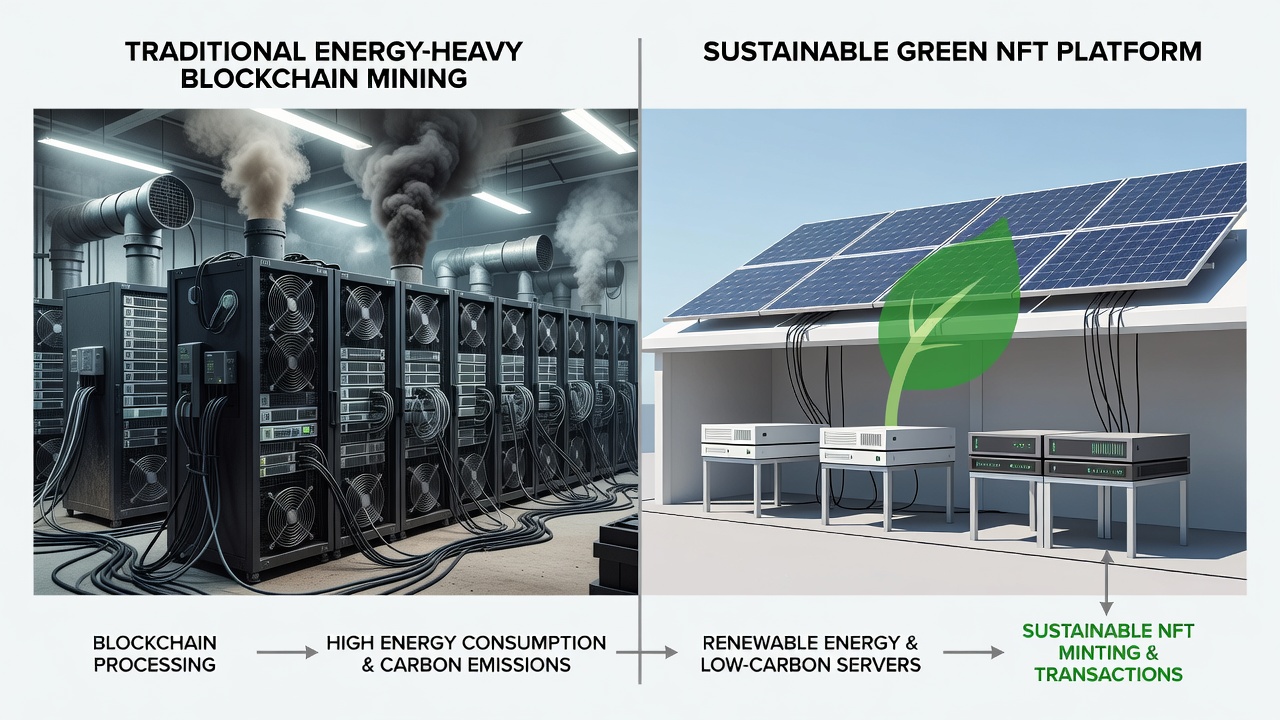
Several transformative trends define the sustainable NFT landscape in 2026. Proof-of-stake consensus mechanisms have largely replaced energy-intensive proof-of-work systems on leading networks, dramatically lowering electricity consumption per transaction. Layer-2 scaling solutions built atop Ethereum further optimize efficiency by batching operations and reducing redundant computations on the main chain. Regenerative finance models go beyond simple offsets by funding reforestation and biodiversity projects directly tied to NFT activity volumes.
Renewable-powered data centers now host many validator nodes, with platforms publishing real-time dashboards showing energy sources. Innovations in zero-knowledge proofs enable private yet verifiable low-impact minting, while community-governed DAOs allocate treasury funds specifically toward carbon reduction initiatives. These trends collectively create a marketplace where sustainability is not an afterthought but a core design principle.
How Green Blockchains and Carbon Reduction Technologies Work
Green blockchains achieve lower environmental impact through multiple technical layers. Proof-of-stake validators are selected based on token holdings rather than computational races, eliminating the need for specialized mining hardware that consumes vast electricity. Layer-2 networks process thousands of NFT transactions off-chain before settling a single compressed record on the base layer, achieving efficiency gains of over 99 percent compared with legacy systems.
Carbon accounting tools integrated into platforms track emissions from minting through resale using standardized methodologies. Some marketplaces partner with renewable certificate programs to match energy use with verified clean sources. These technologies work together to create auditable, transparent records that users can review before engaging with any collection.
Comparing Leading Sustainable NFT Platforms
Marketplaces built on energy-efficient blockchains such as Tezos, Algorand, and Ethereum layer-2 networks like Polygon and Optimism lead the sector. Tezos emphasizes on-chain governance that allows token holders to vote on sustainability upgrades, while Algorand incorporates carbon-negative commitments verified by independent auditors. Polygon offers low-fee minting with strong developer tooling, making it popular among emerging green NFT projects.
When comparing platforms, examine published energy-per-transaction figures, the presence of third-party audits, and integration with offset or regenerative programs. Platforms with open dashboards showing real-time renewable energy usage provide greater accountability than those relying solely on marketing claims.
- Energy consumption per transaction metrics and verification sources
- Transparency of carbon accounting practices and audit frequency
- Support for renewable energy certificates or direct clean power sourcing
- Community governance mechanisms focused on sustainability goals
- Artist tools that default to low-impact minting options
Practical Steps for Selecting Green Marketplaces
Selecting a sustainable platform requires a structured approach. Begin by identifying the underlying blockchain and reviewing its publicly available energy profile through explorer tools. Next, locate the marketplace’s latest sustainability report and confirm it includes third-party verification rather than self-reported data. Test the platform’s minting interface on a testnet to evaluate default settings for energy efficiency and fee transparency.
Further steps include checking community forums for user experiences regarding environmental claims, reviewing artist onboarding requirements that encourage responsible creation, and confirming whether the platform offers educational resources on carbon tracking. Finally, monitor ongoing updates from the platform regarding new carbon reduction features or partnerships.
Real-World Case Examples from Top Projects
Several prominent NFT collections illustrate successful sustainable practices. Projects originally launched on high-energy chains have migrated to Tezos, documenting substantial emission reductions while preserving collector engagement and secondary market liquidity. Collections on Algorand have implemented batch minting combined with verified offsets, resulting in net-negative carbon outcomes across entire project lifecycles. Collaborations between marketplaces and environmental nonprofits have produced limited-edition drops where proceeds directly fund habitat restoration, demonstrating how economic and ecological goals can align.
Measurable Environmental Impacts
Independent lifecycle assessments indicate that optimized NFT platforms can reduce energy consumption by more than 99 percent relative to early-generation networks. These studies track emissions across minting, trading, and storage phases, revealing opportunities for further improvements through better validator distribution and renewable sourcing. Public dashboards from leading platforms now display cumulative carbon savings, providing creators and collectors with concrete evidence of impact.
Common Mistakes to Avoid When Choosing Sustainable Platforms
Many users overlook the difference between marketing claims and audited data, leading to support for platforms with weak environmental credentials. Another frequent error involves ignoring the full transaction lifecycle, focusing only on minting emissions while neglecting secondary market activity. Failing to test platforms on testnets can result in unexpected fee structures that indirectly increase overall network load. Always cross-reference multiple data sources rather than relying on a single sustainability badge.
FAQ: Verifying Sustainability Claims
How can I confirm a platform’s carbon claims?
Request access to audited reports from recognized bodies and cross-reference data with blockchain analytics tools available on public explorers.
Are all layer-2 solutions equally green?
No. Evaluate specific implementations, validator energy sources, and any additional offset or regenerative strategies employed by each network.
What role do offsets play versus direct reductions?
Direct reductions through efficient technology form the foundation, while high-quality offsets address residual emissions as a complementary measure only after minimization efforts.
Can I verify sustainability on mobile apps?
Many platforms now include in-app links to audit reports and energy dashboards, allowing quick checks before completing transactions.
How often should I review platform updates?
Check for new sustainability reports quarterly, as technologies and partnerships evolve rapidly within the green NFT sector.
Conclusion
Adopting sustainable NFT practices in 2026 empowers creators and collectors to participate responsibly while contributing to measurable environmental progress. By prioritizing verified green platforms, following structured selection processes, and staying informed through authoritative resources, the community supports meaningful ecological outcomes alongside digital innovation. For further reading, explore resources at Ethereum.org, IPCC.ch, and UNEP.org.


No comments yet. Be the first!